
If you’ve recently experienced an auto accident, you might be feeling overwhelmed by pain, stiffness, or uncertainty about how to recover fully. Chiropractic care San Antonio TX offers a holistic approach to healing that goes beyond simply masking symptoms. Whether you’re a small business owner balancing work and recovery, a developer who spends hours at the desk, or a resident seeking a return to your active lifestyle, understanding what to expect from your first chiropractic visit after an accident can make all the difference. This article walks you through the process, from the initial consultation to ongoing care, so you can feel confident about your path to recovery and make informed decisions for your health and well-being.
Your First Chiropractic Appointment After an Accident
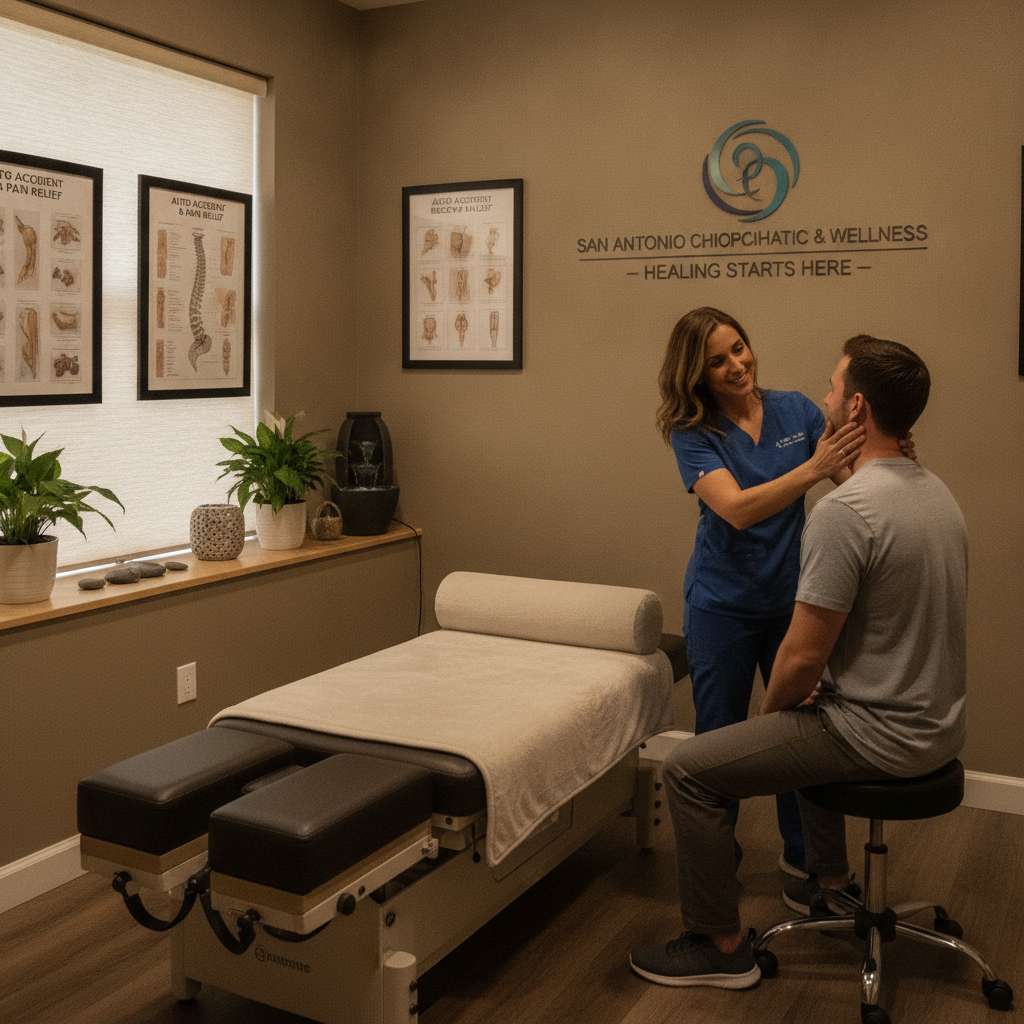
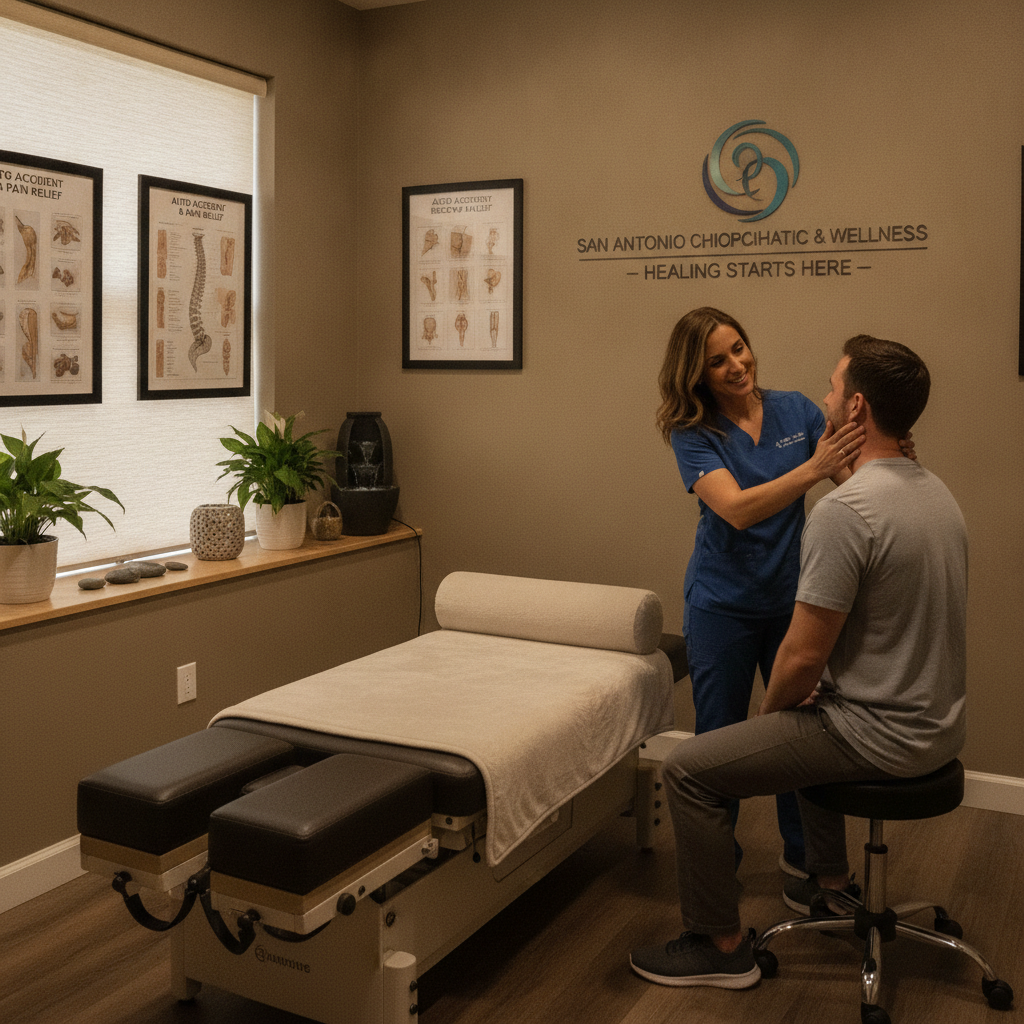
Walking into a chiropractic office for the first time after a car accident can be both reassuring and a little intimidating. Most clinics in the area are designed to put you at ease, with friendly staff and a calm environment. The initial visit typically starts with a detailed intake process. You’ll be asked about the specifics of your accident, your symptoms, and any previous injuries or health conditions. This information helps your chiropractor build a complete picture of your unique situation.
Expect to fill out forms about your medical history and accident details. The chiropractor will then sit down with you to discuss your concerns, pain levels, and goals for recovery. This isn’t just a quick chat, it’s a chance to have your story heard and your questions answered. Many patients find this initial conversation empowering, as it sets the stage for a collaborative approach to healing.
After the consultation, a thorough physical examination follows. This may include checking your posture, range of motion, muscle strength, and neurological function. Depending on your symptoms, the chiropractor might order or review X-rays or other imaging to rule out fractures or more serious injuries. All of this information is used to create a personalized care plan tailored to your needs.
If you’re searching for a reputable clinic to begin your recovery journey, Moore Chiropractic is a trusted option for those seeking comprehensive care after an accident.
Understanding Your Personalized Recovery Plan
One of the hallmarks of chiropractic care is the creation of individualized treatment plans. After your initial assessment, your chiropractor will explain their findings and outline a recommended course of action. This plan is not a one-size-fits-all solution. Instead, it’s designed around your body’s needs, the nature of your injuries, and your recovery goals.
A typical plan may include a series of gentle adjustments, soft tissue therapies, and rehabilitative exercises. The frequency and duration of visits will depend on the severity of your injuries and how your body responds to treatment. Some patients may need several sessions per week initially, tapering off as they progress. Your chiropractor will also educate you on lifestyle modifications, ergonomics, and self-care strategies to support your healing between visits.
Transparency is key. You’ll know what to expect at each stage, from the types of techniques used to the anticipated timeline for improvement. Open communication ensures that your care remains flexible and responsive to your evolving needs. If you’re interested in how chiropractic care can address unique life stages, such as pregnancy, check out How San Antonio Chiropractors Support Pregnancy Wellness and Pelvic Comfort for more insights.
What Happens During a Typical Adjustment Session
For many newcomers, the idea of a chiropractic adjustment can raise questions or even anxiety. Rest assured, licensed chiropractors are highly trained to perform these techniques safely and comfortably. During an adjustment, you’ll be positioned on a specialized table. The chiropractor will use precise, controlled force to realign joints that may have shifted during your accident. These adjustments are typically quick and rarely painful. Most patients report feeling relief, increased mobility, or a sense of relaxation immediately after.
Beyond the adjustment itself, sessions may also include soft tissue therapies such as muscle release, stretching, or instrument-assisted techniques. These approaches help reduce muscle tension, break up scar tissue, and improve circulation in injured areas. Your chiropractor may also guide you through gentle exercises to restore strength and flexibility.
If you’re considering where to receive care, it’s important to choose a clinic that prioritizes patient education and comfort. For guidance on selecting the right provider, see Top-Rated Chiropractor San Antonio TX: How to Choose the Right Clinic.
Common Injuries Treated After Car Accidents
Auto accidents can cause a wide range of musculoskeletal injuries, many of which respond well to chiropractic care. Some of the most common issues include whiplash, back pain, neck stiffness, headaches, and joint discomfort. Even minor collisions can result in soft tissue injuries or misalignments that disrupt your daily life.
Whiplash is especially prevalent, often manifesting as neck pain, headaches, dizziness, or shoulder tension. Lower back injuries are also frequent, particularly for drivers and passengers who experience sudden stops or impacts. Chiropractic adjustments can help restore normal joint motion, reduce inflammation, and promote healing in these areas.
It’s important to remember that symptoms may not appear immediately after an accident. Delayed onset of pain or stiffness is common, which is why early evaluation is crucial. Prompt care can prevent minor injuries from becoming chronic problems, supporting a faster and more complete recovery.
The Role of Diagnostic Imaging in Chiropractic Care
Diagnostic imaging, such as X-rays or MRI scans, plays a vital role in the chiropractic assessment process after an auto accident. These tools help your provider identify fractures, dislocations, or soft tissue injuries that may not be visible during a physical exam. Understanding the full extent of your injuries ensures that your care plan is both safe and effective.
Not every patient will require imaging, but when recommended, it’s for your protection. Imaging can rule out serious conditions, guide precise adjustments, and track your progress over time. Your chiropractor will explain why certain tests are needed and how the results will inform your treatment.
By integrating diagnostic imaging with hands-on assessments, chiropractors offer a comprehensive approach to post-accident care. This combination supports accurate diagnoses and helps avoid unnecessary interventions, keeping your recovery on track.
Pain Management Strategies Without Medication
One of the reasons many people turn to chiropractic care after an accident is the desire to manage pain without relying on medication. Chiropractors use a variety of techniques to address pain at its source, rather than simply masking symptoms. Adjustments help restore normal joint function, while therapies like heat, ice, ultrasound, or electrical stimulation can reduce inflammation and promote healing.
In addition to in-office treatments, your chiropractor may recommend at-home strategies such as gentle stretching, posture correction, or ergonomic adjustments to your workspace. These proactive steps empower you to take control of your recovery and minimize discomfort throughout the healing process.
The goal is to restore mobility, reduce pain, and help you return to your regular activities as quickly as possible. By focusing on natural, non-invasive interventions, chiropractic care supports long-term wellness and reduces the risk of dependency on pain medications.
Tracking Progress and Adjusting Your Care Plan
Recovery from an auto accident is rarely linear. Your chiropractor will monitor your progress closely, making adjustments to your care plan as needed. Regular check-ins allow you to discuss any new symptoms, improvements, or challenges you’re experiencing.
Objective measures, such as range of motion tests or pain scales, help track your recovery over time. Your provider may also use follow-up imaging or functional assessments to ensure you’re healing as expected. If progress stalls or new issues arise, your care plan can be modified to address these changes promptly.
This dynamic approach ensures that your treatment remains effective and responsive. Open communication with your chiropractor is essential, don’t hesitate to share feedback or ask questions about your care. Your active involvement is a key factor in achieving the best possible outcomes.
Table: Typical Chiropractic Care Timeline After an Auto Accident
| Phase | Time Frame | What to Expect |
|---|---|---|
| Initial Assessment | First 1-2 visits | Comprehensive evaluation, diagnostic imaging (if needed), personalized care plan created |
| Acute Care | First 2-4 weeks | Frequent adjustments, pain management, inflammation reduction, gentle therapies |
| Rehabilitation | Weeks 4-12 | Restoring mobility, strengthening muscles, introducing home exercises |
| Maintenance | Ongoing, as needed | Periodic check-ins, adjustments, and lifestyle advice to prevent relapse |
Integrating Chiropractic With Other Therapies
Chiropractic care is often most effective when integrated with other therapeutic approaches. After an auto accident, your recovery may involve collaboration with physical therapists, massage therapists, or medical doctors. This multidisciplinary approach ensures that all aspects of your health are addressed, from pain relief to functional restoration.
Your chiropractor can coordinate with other providers to develop a seamless plan that supports your overall well-being. For example, physical therapy may focus on targeted strengthening, while chiropractic adjustments address joint alignment. Massage therapy can help reduce muscle tension and improve circulation, complementing your chiropractic sessions.
Open communication between providers helps prevent gaps in care and ensures that your treatment remains cohesive. If you have specific needs or preferences, don’t hesitate to discuss them with your chiropractor. The goal is to create a recovery plan that fits your lifestyle and supports your return to normal activity.
What to Wear and How to Prepare for Your Visit
Preparing for your chiropractic appointment can help you get the most out of each session. Wear comfortable, loose-fitting clothing that allows for easy movement and access to the areas being treated. Avoid heavy jewelry or restrictive garments, as these can interfere with adjustments or soft tissue work.
Bring any relevant medical records, accident reports, or imaging results to your first visit. This information helps your chiropractor understand the full context of your injuries. It’s also a good idea to jot down your symptoms, questions, or concerns ahead of time so you don’t forget to discuss them during your appointment.
Arriving a few minutes early ensures you have time to complete any necessary paperwork and settle in before your session begins. Being proactive about your preparation sets a positive tone for your recovery journey and helps your provider deliver the best possible care.
Insurance, Documentation, and Navigating the Claims Process
Navigating insurance and documentation after an auto accident can be complex, but most chiropractic clinics are experienced in assisting patients through this process. Be prepared to provide your accident claim number, insurance information, and any relevant documentation at your first visit.
Your chiropractor will maintain detailed records of your injuries, treatments, and progress. These records are essential if you need to file a claim with your auto or health insurance provider. Clear documentation also supports your case if you’re working with an attorney or pursuing compensation for your injuries.
Don’t hesitate to ask your clinic’s staff for help with paperwork or questions about coverage. Many offices have dedicated team members who can guide you through the process, ensuring that your focus remains on healing rather than administrative hassles.
Final Thoughts
Recovering from an auto accident is a journey that requires patience, support, and the right care team. Chiropractic care in this community offers a patient-centered, holistic approach that addresses not just your symptoms, but the underlying causes of pain and dysfunction. From your first appointment through ongoing maintenance, you can expect a thorough, compassionate process designed to restore your health and help you return to the activities you love.
By understanding what to expect from your chiropractic visits, you can approach your recovery with confidence and clarity. Remember, every person’s healing timeline is unique, open communication with your provider and active participation in your care plan are key to achieving the best possible results. Whether you’re a business owner, developer, or resident of the region, investing in your recovery today sets the stage for a healthier, more resilient tomorrow.