
Chronic back pain is a reality for millions of people, affecting daily routines, work productivity, and overall quality of life. Whether you’re a small business owner, developer, or simply someone looking to live pain-free, understanding chronic back pain is the first step toward finding real solutions. In this article, we’ll explore what chronic back pain is, why it persists, and the range of treatment options available locally. We’ll also discuss how lifestyle, work habits, and innovative therapies can make a difference. By the end, you’ll have a clear roadmap to address chronic back pain and regain control over your health and well-being.
Chronic Back Pain Solutions in the Area
Chronic back pain is more than just an occasional ache; it is a persistent condition that can last for weeks, months, or even years. For residents in this city, the impact of chronic back pain can be particularly challenging, especially for those who run businesses or spend long hours at a desk. The causes of chronic back pain are diverse, ranging from injuries and poor posture to degenerative conditions like arthritis or herniated discs. Understanding the root cause is essential for effective treatment. Common symptoms include stiffness, sharp or dull aches, and limited mobility, all of which can interfere with daily activities.
When it comes to chronic back pain, early intervention is crucial. Ignoring the pain or relying solely on over-the-counter medication may provide temporary relief, but it rarely addresses the underlying issue. Instead, seeking professional guidance and exploring back pain relief options can help you develop a personalized plan for long-term wellness. Local clinics and wellness centers offer a variety of services, from physical therapy and chiropractic care to advanced pain management techniques. These resources are designed to help you understand your pain and find sustainable solutions that fit your lifestyle.
For small business owners and developers, chronic back pain can be particularly disruptive. Long hours at a computer, repetitive movements, and high stress levels all contribute to the risk of developing chronic pain. Fortunately, the area is home to many professionals who specialize in ergonomic assessments and workplace modifications. By making small changes to your work environment and incorporating regular movement into your day, you can significantly reduce your risk of chronic back pain and improve your overall productivity.
Chronic Back Pain Relief in San Antonio, TX
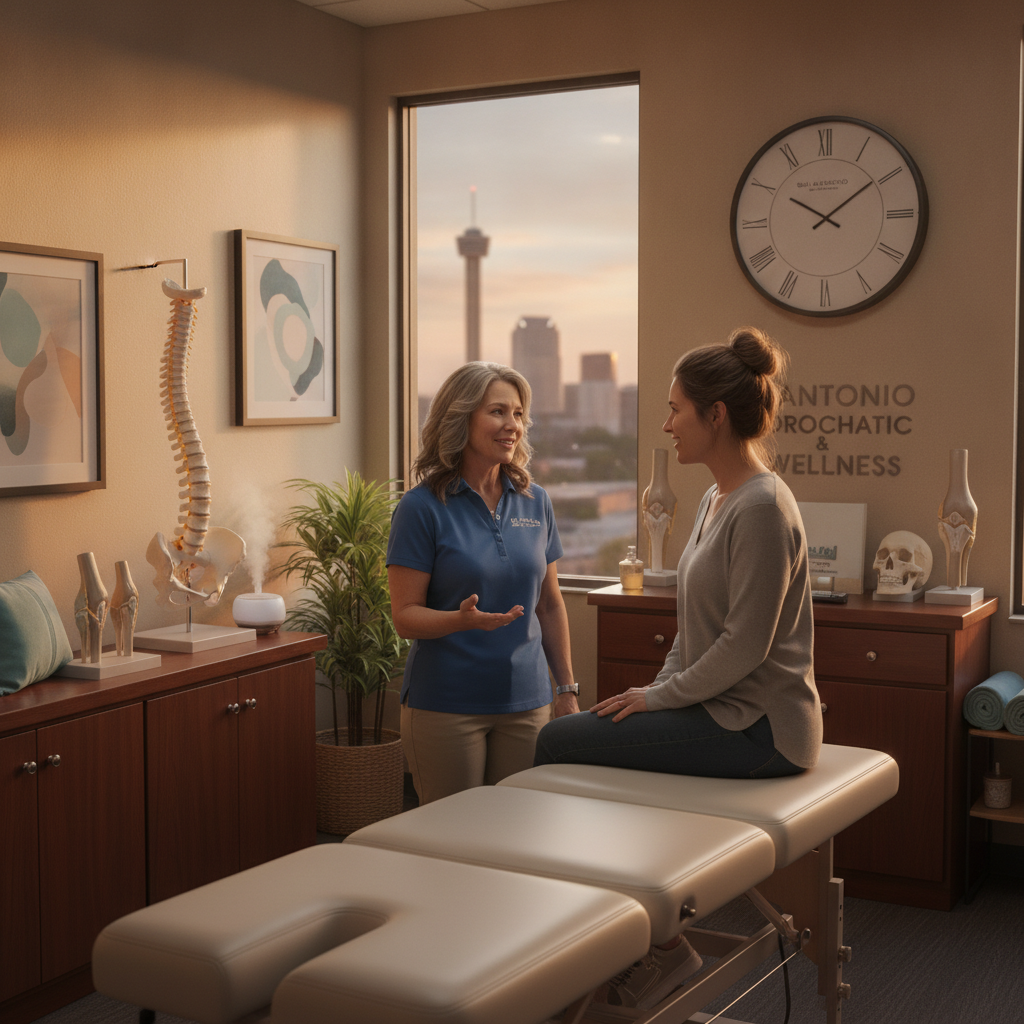
For those living in San Antonio, TX, chronic back pain is a common complaint that affects individuals of all ages and backgrounds. The fast-paced lifestyle and diverse workforce in this region mean that many people are at risk for developing back problems. Chronic back pain can stem from a variety of sources, including sports injuries, auto accidents, or simply the wear and tear of daily life. Regardless of the cause, the key to successful management is a comprehensive approach that addresses both the physical and psychological aspects of pain.
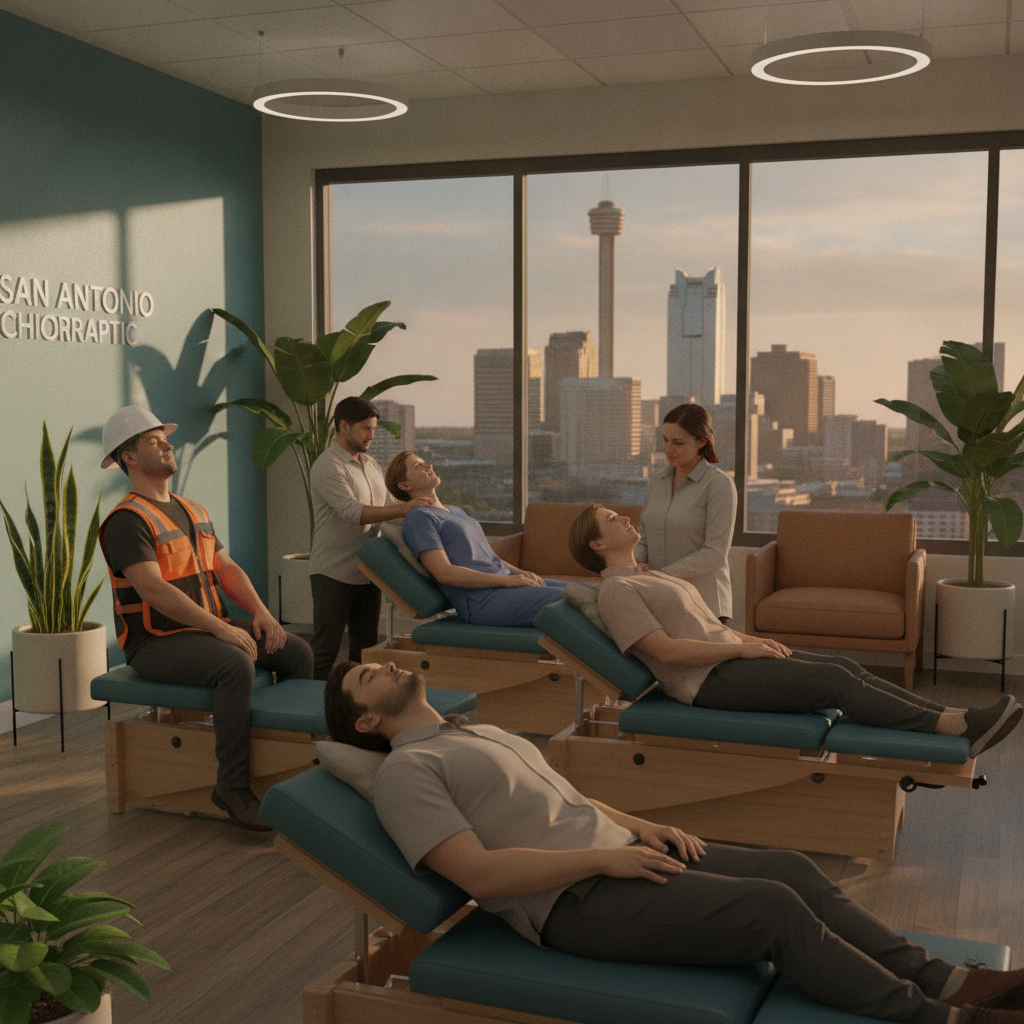
One of the most effective strategies for managing chronic back pain in San Antonio, TX is to work with a team of healthcare professionals who understand the unique needs of the community. Physical therapists, chiropractors, and pain specialists collaborate to develop individualized treatment plans that may include manual therapy, exercise, and education about posture and body mechanics. By combining these approaches, patients can experience significant improvements in mobility and pain levels.
In addition to traditional treatments, many residents are exploring alternative therapies such as acupuncture, massage, and yoga. These modalities can complement medical interventions and provide additional relief for chronic back pain. For those interested in holistic care, Getmoorecare offers resources and programs tailored to the needs of individuals seeking a natural approach to pain management. Whether you’re looking for immediate relief or long-term solutions, the key is to remain proactive and open to trying new methods until you find what works best for you.
Understanding Chronic Back Pain in San Antonio Texas
Chronic back pain in San Antonio Texas is a multifaceted issue that requires a comprehensive understanding of its causes, symptoms, and treatment options. The region’s diverse population means that individuals experience back pain for a wide range of reasons, from occupational hazards to lifestyle choices. For many, chronic back pain is not just a physical ailment but also a source of emotional stress and frustration. The constant discomfort can lead to decreased activity levels, social withdrawal, and even depression if left unaddressed.
To effectively manage chronic back pain, it is important to identify the specific factors contributing to your discomfort. This may involve diagnostic imaging, physical assessments, and a thorough review of your medical history. Once the underlying cause is determined, healthcare providers can recommend targeted interventions that address both the symptoms and the root of the problem. For example, individuals with herniated discs may benefit from physical therapy and spinal decompression, while those with muscular imbalances might see improvement through strength training and stretching routines.
Finding the right provider is essential for successful treatment. Moore Chiropractic is one of the local options that offers expert care for chronic back pain. Their team is dedicated to helping patients regain mobility and reduce pain through evidence-based practices. By partnering with experienced professionals, you can take control of your chronic back pain and work toward a healthier, more active lifestyle.
Common Causes of Chronic Back Pain
Chronic back pain can result from a variety of causes, some of which are preventable while others are related to underlying health conditions. Understanding these causes is critical for both prevention and treatment. The most common sources of chronic back pain include:
- Muscle or ligament strain due to heavy lifting or sudden awkward movements
- Bulging or ruptured discs, which can press on nerves
- Arthritis, particularly osteoarthritis affecting the lower back
- Skeletal irregularities such as scoliosis
- Osteoporosis, leading to brittle bones and fractures
- Poor posture and sedentary lifestyle
Occupational hazards are particularly relevant for small business owners and developers, who may spend long hours seated or engaged in repetitive tasks. Over time, these habits can contribute to chronic back pain if not addressed with proper ergonomics and regular movement. Additionally, stress and mental health can exacerbate pain perception, making it important to consider both physical and emotional factors in any treatment plan.
Recognizing the Symptoms of Chronic Back Pain
Chronic back pain manifests in various ways, and recognizing the symptoms early can help prevent the condition from worsening. Key symptoms to watch for include:
- Persistent aching or stiffness along the spine, especially in the lower back
- Sharp, localized pain after lifting heavy objects or engaging in strenuous activity
- Radiating pain that moves from the back to the buttocks, legs, or feet
- Difficulty standing up straight or limited range of motion
- Numbness, tingling, or weakness in the legs
If you experience any of these symptoms for more than a few weeks, it is important to seek medical attention. Early diagnosis and intervention can make a significant difference in the outcome of chronic back pain treatment. Pay attention to any changes in the intensity or location of your pain, as these may indicate a more serious underlying condition that requires prompt evaluation.
Diagnosing Chronic Back Pain: What to Expect
Diagnosing chronic back pain involves a combination of physical examinations, medical history reviews, and diagnostic imaging. Your healthcare provider will begin by asking detailed questions about the nature, duration, and intensity of your pain. They may also inquire about your work habits, physical activity, and any previous injuries or surgeries.
Physical examinations often include tests of flexibility, strength, and nerve function. Depending on your symptoms, your provider may order imaging studies such as X-rays, MRI, or CT scans to identify structural problems like herniated discs or spinal stenosis. In some cases, blood tests may be used to rule out infections or inflammatory conditions.
Accurate diagnosis is the foundation for effective treatment. Once the cause of your chronic back pain is identified, your provider can recommend a tailored treatment plan that addresses your specific needs and goals. Open communication and a willingness to participate in your care are key to achieving the best possible outcomes.
Treatment Options for Chronic Back Pain
There is no one-size-fits-all solution for chronic back pain, but a variety of treatment options are available to help manage symptoms and improve quality of life. Common treatments include:
- Physical therapy to strengthen muscles and improve flexibility
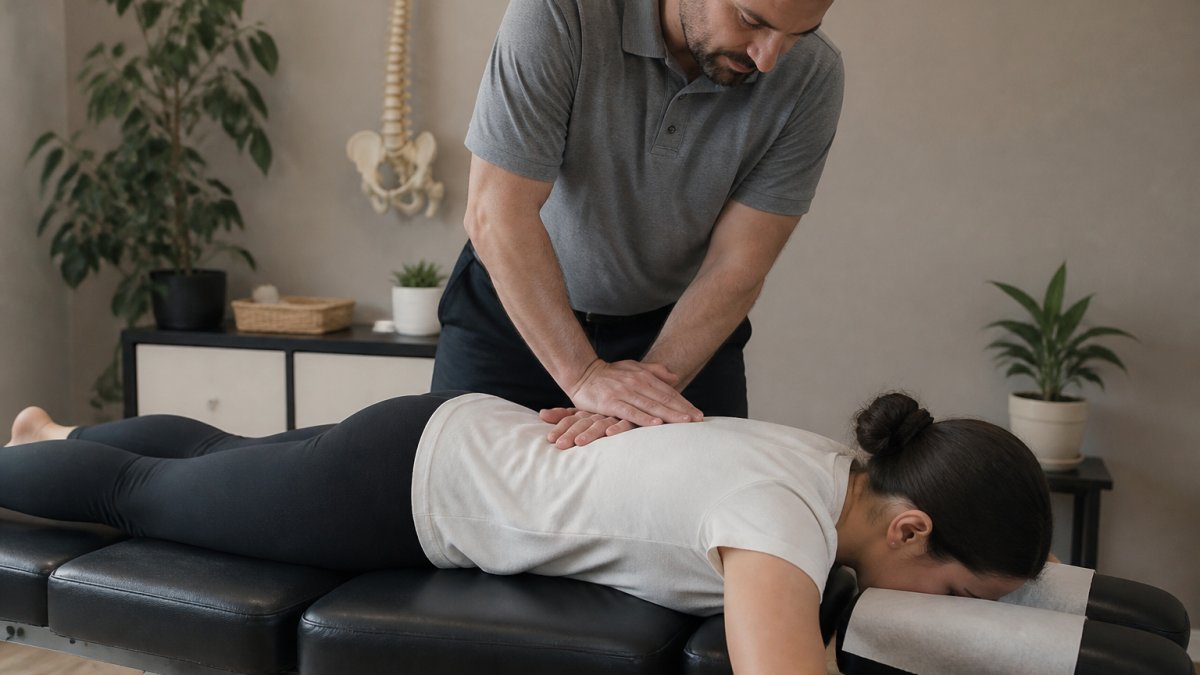
- Chiropractic adjustments to realign the spine
- Medication for pain relief and inflammation control
- Injections such as corticosteroids for targeted relief
- Alternative therapies like acupuncture and massage
- Lifestyle modifications including weight management and exercise
The most effective treatment plans are those that combine multiple approaches and are tailored to the individual’s needs. Regular follow-ups and adjustments to the treatment plan ensure that you continue to make progress and avoid setbacks. For many, the ultimate goal is to reduce reliance on medication and regain the ability to participate in activities they enjoy.
Preventing Chronic Back Pain: Tips for Everyday Life
Prevention is always better than cure, and there are several steps you can take to reduce your risk of developing chronic back pain. Key strategies include:
- Maintaining good posture, both at work and at home
- Using ergonomic furniture and equipment
- Taking regular breaks to stretch and move throughout the day
- Engaging in regular physical activity to keep muscles strong and flexible
- Managing stress through relaxation techniques and mindfulness
By incorporating these habits into your daily routine, you can significantly reduce your risk of chronic back pain. Small changes, such as adjusting your chair height or setting reminders to stand up and stretch, can have a big impact over time. Remember, prevention is an ongoing process that requires attention and commitment.
Lifestyle Adjustments for Managing Chronic Back Pain
Living with chronic back pain often requires making adjustments to your lifestyle. This can include modifying daily activities, adopting new exercise routines, and prioritizing self-care. For many, the journey to pain relief involves trial and error, as different strategies work better for different people.
Some effective lifestyle changes include:
- Incorporating low-impact exercises like swimming, walking, or cycling
- Practicing yoga or Pilates to improve flexibility and core strength
- Setting up a dedicated workspace with proper ergonomics
- Prioritizing sleep and maintaining a consistent sleep schedule
- Seeking support from friends, family, or support groups
Making these adjustments can help you manage chronic back pain more effectively and improve your overall quality of life. Remember, small changes add up over time, and consistency is key to long-term success.
Comparing Chronic Back Pain Treatments
With so many treatment options available, it can be overwhelming to decide which approach is best for managing chronic back pain. The table below compares some of the most common treatments based on effectiveness, duration, and potential side effects. This comparison can help you make informed decisions about your care and discuss options with your healthcare provider.
| Treatment | Effectiveness | Duration | Potential Side Effects |
|---|---|---|---|
| Physical Therapy | High (when consistent) | Ongoing | Minimal |
| Chiropractic Care | Moderate to High | Short to Medium Term | Rare (soreness) |
| Medication | Moderate | Short Term | Drowsiness, dependency |
| Injections | Moderate | Short Term | Infection, pain at site |
| Alternative Therapies | Varies | Ongoing | Minimal |
Discuss these options with your provider to determine which combination is best suited to your needs and preferences. Remember, chronic back pain management is a journey, and flexibility in your treatment plan can lead to better outcomes.
When to Seek Professional Help
While many cases of chronic back pain can be managed with self-care and lifestyle changes, there are times when professional intervention is necessary. Seek medical attention if you experience:
- Severe or worsening pain that does not improve with rest
- Pain accompanied by fever, unexplained weight loss, or weakness
- Loss of bladder or bowel control
- Numbness or tingling in the legs or feet
These symptoms may indicate a more serious underlying condition that requires immediate evaluation and treatment. Do not hesitate to reach out to a healthcare professional if you are concerned about your symptoms or if your pain is interfering with your ability to function.
Final Thoughts
Chronic back pain is a complex condition that affects individuals from all walks of life, including small business owners, developers, and general readers. By understanding the causes, recognizing the symptoms, and exploring a variety of treatment options, you can take proactive steps toward relief. Remember that managing chronic back pain often requires a combination of medical care, lifestyle adjustments, and ongoing support. Whether you are seeking professional guidance or making changes at home, the journey to better health starts with informed decisions and a commitment to your well-being. Take the first step today and discover the solutions that work best for you.