

Back pain is one of the most common reasons people seek medical care, affecting individuals from all walks of life, including small business owners, developers, and active residents. If you’re searching for effective back pain treatment San Antonio TX locals trust, you may be surprised to learn that the best results often come from combining multiple specialties. Integrative care brings together chiropractic, pain management, and orthopedic expertise to address the root causes of back pain, not just the symptoms. This collaborative approach can help you regain mobility, reduce discomfort, and get back to your daily routine faster. In this article, we’ll explore how integrative back pain care works, what makes it different, and why it’s gaining popularity in this community. Whether you’re new to holistic health or looking for advanced solutions, read on to discover how a team-based approach can transform your recovery journey.
What Is Integrative Back Pain Care?
Integrative back pain care refers to a coordinated approach that combines the strengths of chiropractic, pain management, and orthopedic medicine. Rather than relying on a single method, this model brings together professionals from different disciplines to create a comprehensive treatment plan tailored to each patient’s unique needs. The goal is to address not only the immediate pain but also the underlying causes, such as muscle imbalances, joint dysfunction, or structural issues.
For example, a patient might start with a thorough evaluation by a chiropractor, who assesses spinal alignment and mobility. If necessary, the chiropractor may collaborate with a pain management specialist to provide targeted relief using minimally invasive procedures or medications. An orthopedic physician may also be involved to evaluate for structural abnormalities or recommend advanced imaging. This team-based approach ensures that no aspect of your back pain is overlooked, and each provider contributes their expertise for optimal results.
Integrative care is especially valuable for people with chronic or complex back pain, as it avoids the pitfalls of fragmented care and unnecessary treatments. By working together, providers can coordinate therapies, monitor progress, and adjust the plan as your condition evolves. Clinics like Moore Chiropractic exemplify this collaborative spirit, offering patients access to a network of professionals who communicate and strategize for your best outcome.
The Role of Chiropractic in a Multidisciplinary Team
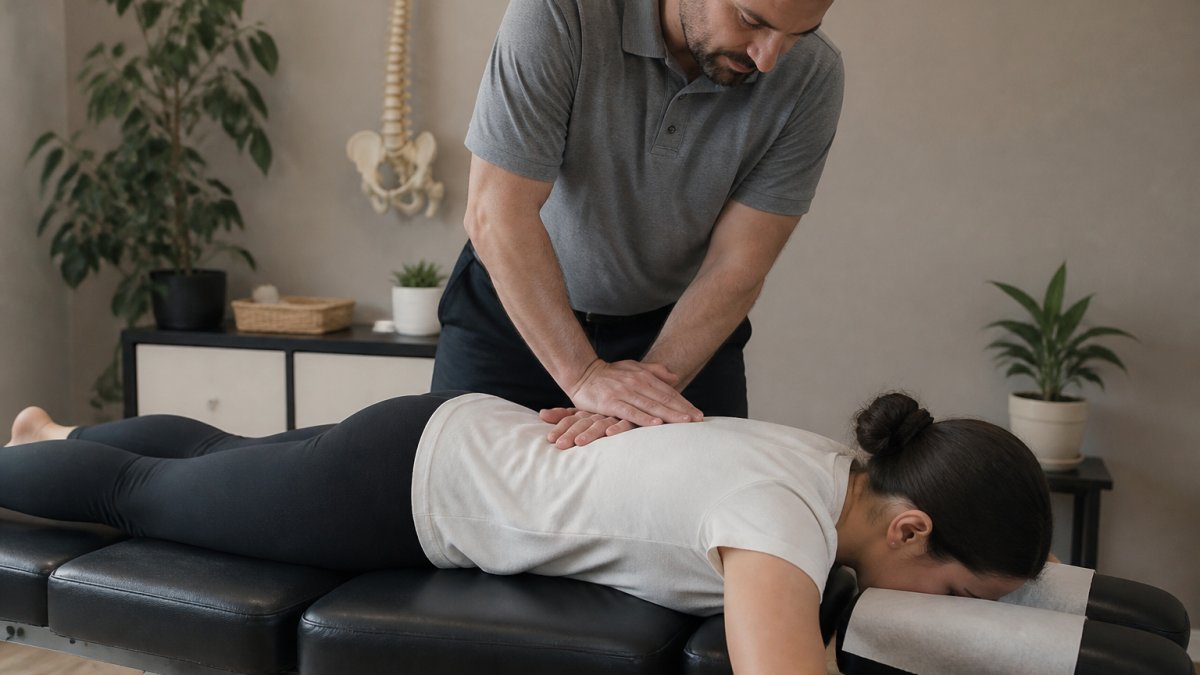
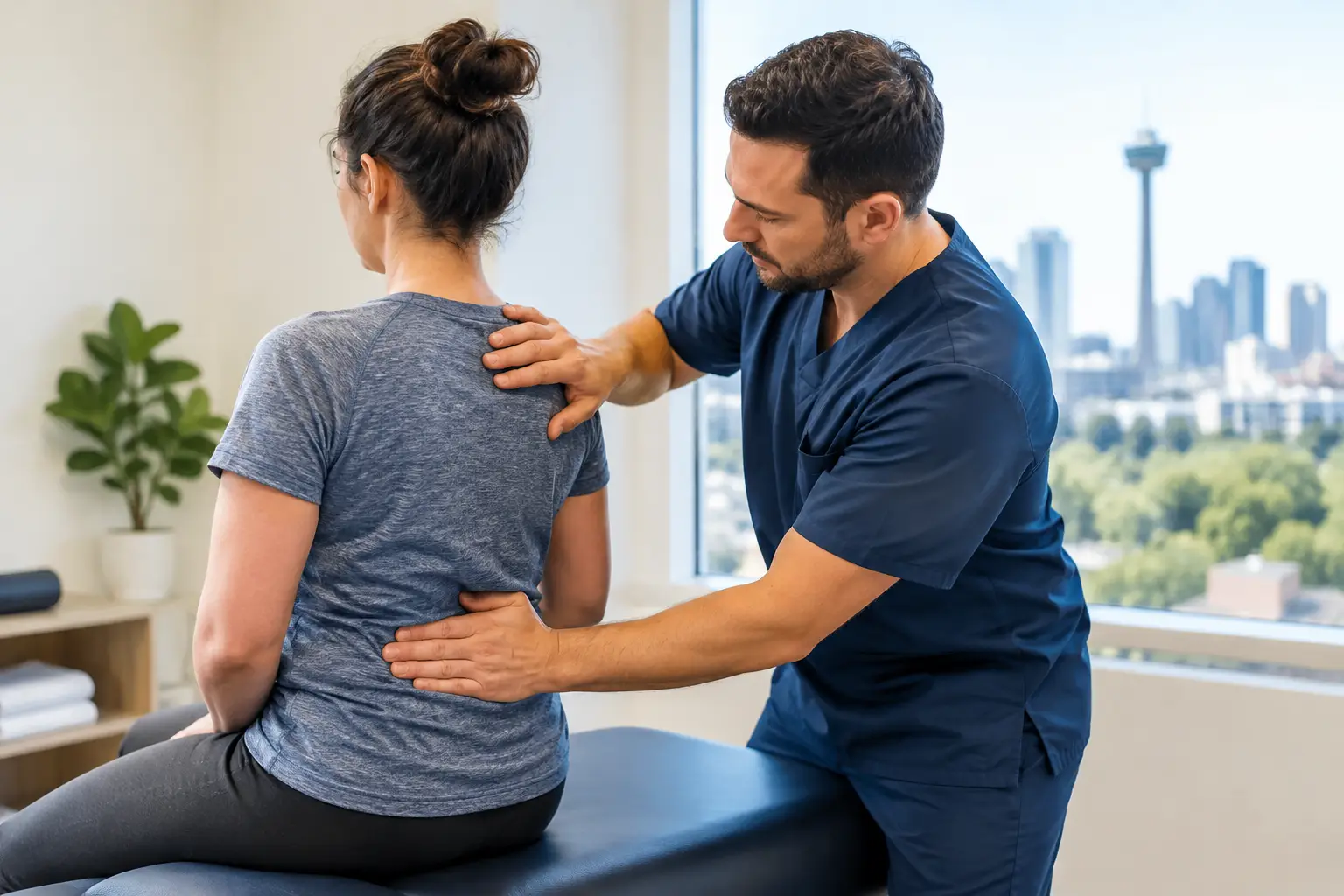
Chiropractic care is often the entry point for individuals seeking relief from back pain. Chiropractors are highly trained to identify misalignments, joint restrictions, and muscular imbalances that can contribute to pain and limited mobility. Their hands-on techniques, such as spinal adjustments and soft tissue therapy, are designed to restore function and promote natural healing.
Within an integrative team, chiropractors play a crucial role in both diagnosis and ongoing management. They can quickly recognize when a patient’s pain may require additional evaluation by a pain management doctor or orthopedic specialist. This ability to triage and refer ensures that patients receive the right care at the right time, avoiding unnecessary delays or redundant treatments.
Chiropractors also contribute to the team by providing non-invasive, drug-free therapies that complement medical interventions. For instance, after a pain management procedure, chiropractic adjustments and rehabilitative exercises can help maintain gains in mobility and prevent recurrence. To learn more about how chiropractic adjustments can impact your flexibility and daily function, check out Can Chiropractic Adjustments Help Improve Mobility and Range of Motion?
Pain Management Strategies Beyond Medication
Pain management is a vital component of integrative care, especially for those experiencing acute or severe back pain. While medications can provide short-term relief, modern pain management encompasses a wide range of techniques aimed at reducing discomfort and restoring function without relying solely on pharmaceuticals.
Interventional procedures, such as nerve blocks, epidural injections, or radiofrequency ablation, may be used to target specific sources of pain. These minimally invasive treatments can offer significant relief, allowing patients to participate more fully in physical therapy or chiropractic care. Pain management specialists also collaborate with other providers to develop plans that include lifestyle modifications, exercise, and education about posture and ergonomics.
In cases where back pain is related to an injury, such as an auto accident, the pain management team can coordinate with chiropractors to ensure a smooth recovery process. For a detailed look at what to expect during a chiropractic visit after an accident, see What to Expect From a San Antonio Chiropractic Visit for Auto Accident Recovery.
Orthopedic Expertise in Diagnosing and Treating Back Pain
Orthopedic physicians bring a deep understanding of the musculoskeletal system to the integrative care team. Their expertise is invaluable when back pain may be caused by structural issues like herniated discs, spinal stenosis, or degenerative changes. Orthopedists can order advanced imaging studies, such as MRI or CT scans, to pinpoint the exact source of pain and guide treatment decisions.
In the context of integrative care, orthopedists work closely with chiropractors and pain management specialists to ensure that conservative measures are fully explored before considering surgical options. They may recommend physical therapy, bracing, or targeted injections as part of a stepwise approach. This collaborative process helps patients avoid unnecessary surgery and recover more quickly when less invasive treatments are effective.
When surgery is indicated, the orthopedic surgeon coordinates with the rest of the team to plan pre- and post-operative care. This might include chiropractic adjustments to improve alignment before surgery, or pain management strategies to ease recovery. The result is a seamless continuum of care that puts the patient’s needs first.
Benefits of a Collaborative Approach for Back Pain
Choosing an integrative model for back pain treatment offers several advantages over traditional, siloed care. First and foremost, patients benefit from a comprehensive evaluation that considers all possible causes of pain. This reduces the risk of misdiagnosis and ensures that treatment plans are customized to each individual’s needs.
Another key benefit is improved communication among providers. When chiropractors, pain management doctors, and orthopedists work together, they can share findings, discuss progress, and adjust strategies in real time. This leads to faster recovery, fewer redundant tests, and a greater sense of support for the patient.
Integrative care also empowers patients to take an active role in their health. By offering a range of therapies, from hands-on adjustments to advanced medical procedures, the team can match treatments to the patient’s preferences and goals. This flexibility is especially valuable for those who want to avoid long-term medication use or invasive surgery whenever possible.
How Integrative Care Plans Are Developed
Developing an integrative care plan begins with a thorough assessment by each member of the team. This may include a detailed medical history, physical examination, and diagnostic tests as needed. The team then meets to discuss findings and develop a coordinated strategy that addresses the patient’s immediate pain and long-term health.
Care plans often include a mix of therapies, such as chiropractic adjustments, physical therapy exercises, pain management procedures, and orthopedic interventions. The plan is regularly reviewed and adjusted based on the patient’s progress and feedback. Open communication is encouraged, and patients are invited to ask questions and share concerns throughout the process.
This collaborative planning ensures that care is not only effective but also efficient. By eliminating duplication of services and coordinating appointments, integrative teams make it easier for patients to stay on track and achieve their recovery goals.
Table: Comparison of Back Pain Treatment Approaches
| Approach | Focus | Common Treatments | Typical Outcomes |
|---|---|---|---|
| Chiropractic | Spinal alignment, mobility | Adjustments, manual therapy, exercise | Improved range of motion, pain reduction |
| Pain Management | Symptom control | Medications, injections, nerve blocks | Short-term relief, better function |
| Orthopedics | Structural issues | Imaging, surgery, bracing | Address root causes, long-term outcomes |
| Integrative Care | Whole-person, collaborative | Combined therapies, team planning | Personalized care, optimal recovery |
Real-World Examples of Integrative Care Success
Consider the story of a local business owner who struggled with persistent lower back pain after years of heavy lifting and long hours at a desk. After trying several single-specialty clinics with little improvement, he turned to an integrative team. The chiropractor identified postural imbalances, the pain management doctor provided targeted injections for immediate relief, and the orthopedic specialist ruled out any need for surgery. Together, they developed a plan that included spinal adjustments, stretching routines, and ergonomic changes at work. Within weeks, the business owner reported less pain, better mobility, and improved productivity.
Another example involves a software developer who experienced sudden back pain after a car accident. The integrative team coordinated care from the initial emergency evaluation through rehabilitation. Chiropractic adjustments helped restore alignment, pain management strategies eased acute discomfort, and orthopedic oversight ensured no serious structural damage was missed. The developer returned to work sooner than expected and learned strategies to prevent future injuries.
These stories highlight the power of collaboration and the importance of addressing every aspect of back pain, not just the symptoms. By pooling their expertise, integrative teams help patients achieve lasting results and regain confidence in their bodies.
What to Expect When You Choose Integrative Back Pain Care
If you’re considering integrative back pain care, you may wonder what the process looks like. Most clinics begin with a comprehensive intake, where you’ll discuss your symptoms, medical history, lifestyle, and goals. Each specialist will perform their own assessment, but they’ll also share information to create a unified picture of your condition.
Treatment often starts with the least invasive options, such as chiropractic adjustments or physical therapy. If additional support is needed, the team can quickly add pain management interventions or orthopedic consultations. Throughout your care, you’ll have regular check-ins to monitor progress and make adjustments as needed.
Patients are encouraged to be active participants, asking questions and providing feedback. This collaborative environment fosters trust and ensures that your voice is heard at every stage. Many people find that integrative care not only relieves their pain but also teaches them valuable skills for long-term wellness.
How to Choose the Right Integrative Care Team
Selecting the right team is essential for a positive experience and successful outcome. Look for clinics that emphasize open communication among providers and prioritize patient-centered care. Ask about each provider’s training, experience, and approach to collaboration. It’s also wise to inquire about the range of services offered and how care plans are developed and adjusted.
Reputation matters, so seek out reviews or testimonials from others in your area who have benefited from integrative back pain treatment. Many clinics offer initial consultations to help you determine if their approach aligns with your needs and goals. Don’t hesitate to ask questions about insurance, scheduling, and follow-up care to ensure a smooth experience from start to finish.
Ultimately, the best team is one that listens to you, values your input, and works together to achieve your health goals. With the right support, you can overcome back pain and return to the activities you love.
Integrative Back Pain Treatment in San Antonio
For residents seeking back pain treatment in San Antonio TX, integrative care offers a modern solution that combines the best of chiropractic, pain management, and orthopedics. Clinics in the region are increasingly adopting this team-based approach, recognizing that collaboration leads to better outcomes and higher patient satisfaction.
Whether you’re dealing with chronic discomfort, recovering from an injury, or simply want to prevent future problems, integrative care can provide the personalized attention you deserve. By leveraging the strengths of multiple specialties, you gain access to a broader range of therapies and a support network dedicated to your recovery.
If you’re ready to explore your options, reach out to a local clinic that specializes in integrative back pain care. Ask about their approach, meet the team, and take the first step toward a healthier, pain-free future.
Key Takeaways
Integrative back pain care is transforming how people in this community address spinal discomfort. By uniting chiropractic, pain management, and orthopedic expertise, patients receive comprehensive, personalized treatment that targets both symptoms and root causes. This collaborative model improves communication, streamlines care, and empowers individuals to play an active role in their recovery. If you’re looking for back pain treatment San Antonio TX residents recommend, consider the benefits of an integrative approach. With the right team on your side, lasting relief and restored mobility are within reach.