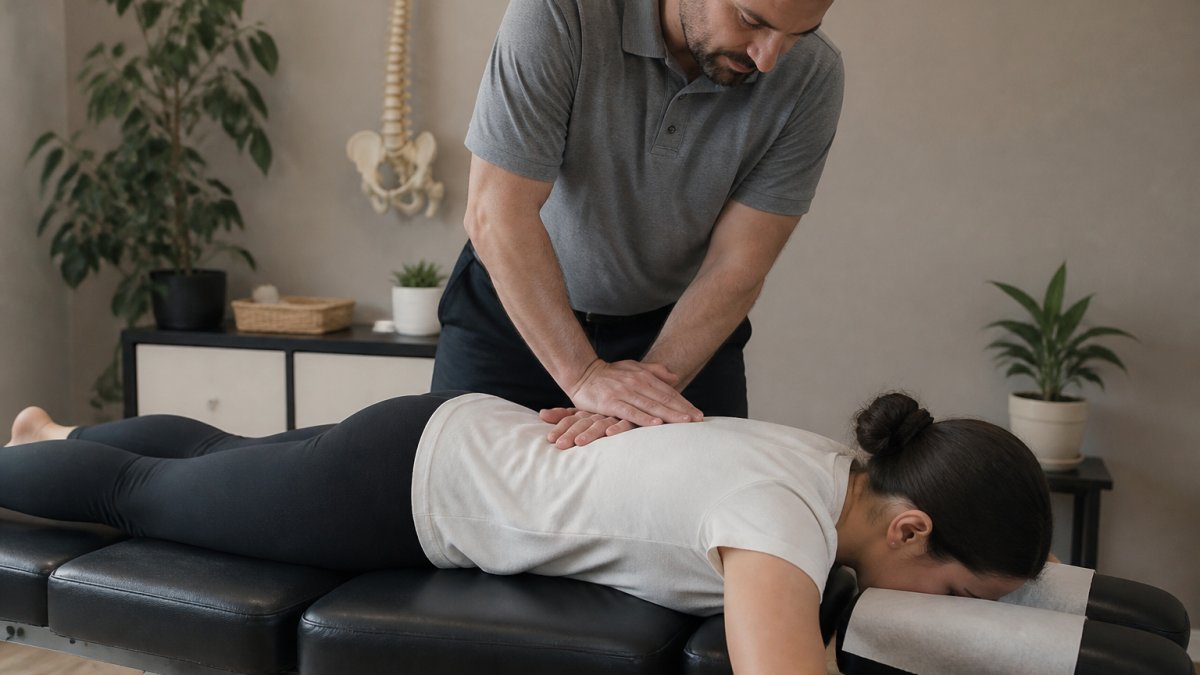

Back pain is a challenge that touches the lives of small business owners, developers, and everyday people alike. Whether it’s the result of long hours at a desk, heavy lifting, or simply the wear and tear of daily life, back pain can disrupt productivity, focus, and overall well-being. Many people are searching for solutions that go beyond temporary fixes, seeking integrative back pain treatment that addresses not just the symptoms, but the root causes. This comprehensive approach combines conventional medicine with alternative therapies, lifestyle changes, and preventative strategies to deliver lasting relief. In this article, we’ll explore how integrative approaches to back pain management can help you regain control of your health, improve your quality of life, and keep you moving forward with confidence. If you’re ready to discover practical, evidence-based strategies for managing back pain, read on for a deep dive into the world of integrative care.
Integrative Back Pain Treatment in San Antonio
Integrative back pain treatment is gaining momentum in the area as more people seek comprehensive solutions that go beyond traditional painkillers and quick fixes. The philosophy behind integrative care is simple: address the whole person, not just the pain. This means combining medical interventions with therapies such as physical therapy, chiropractic care, acupuncture, mindfulness, and nutritional counseling. By blending these approaches, individuals can experience not only pain relief but also improved mobility, reduced stress, and a better quality of life.
Locally, healthcare providers are responding to the demand for integrative back pain treatment by offering multidisciplinary clinics and wellness centers. These centers often feature teams of professionals who collaborate to develop personalized care plans. For example, a patient suffering from chronic lower back pain might receive a combination of manual therapy, ergonomic assessments, and stress management coaching. This holistic approach ensures that all aspects of a person’s health are considered, from posture and muscle strength to mental well-being and lifestyle habits.
For those exploring non-invasive options, therapies such as massage, yoga, and Pilates are increasingly popular. These modalities not only help alleviate pain but also promote flexibility, balance, and core strength, key factors in preventing future episodes of back pain. By integrating these practices with traditional medical care, residents can enjoy a more active, pain-free lifestyle.
If you’re interested in learning more about integrative care options, Getmoorecare offers a variety of resources and services to support your journey toward better back health.
Integrative Back Pain Treatment in San Antonio, TX
Integrative back pain treatment in San Antonio, TX, brings together the best of conventional and alternative medicine to create a tailored plan for each individual. This approach recognizes that back pain is often multifactorial, involving physical, emotional, and even social components. By addressing these interconnected factors, integrative care can provide more effective and sustainable relief than a single-modality approach.
One of the key benefits of integrative back pain treatment is the emphasis on patient education and empowerment. Patients are encouraged to take an active role in their recovery, learning about posture, movement, and self-care techniques that can help prevent recurrence. Physical therapists and chiropractors often work closely with patients to develop customized exercise programs that strengthen the core, improve flexibility, and correct imbalances.
In addition to hands-on therapies, many clinics in the region offer complementary treatments such as acupuncture, mindfulness meditation, and nutritional counseling. These therapies can help reduce inflammation, manage stress, and support the body’s natural healing processes. The integrative model also encourages open communication between healthcare providers, ensuring that all aspects of a patient’s care are coordinated for optimal results.
For those seeking a comprehensive approach to back pain management, integrative care in this community offers a path to lasting relief and improved well-being.
Integrative Back Pain Treatment in San Antonio Texas
Integrative back pain treatment in San Antonio Texas continues to evolve as more healthcare providers embrace a patient-centered, holistic philosophy. This approach is particularly valuable for individuals who have tried conventional treatments without lasting success or who wish to minimize reliance on medications. By combining evidence-based medical care with alternative therapies, patients can address both the symptoms and underlying causes of back pain.
A cornerstone of integrative care is the collaboration between various specialists. For example, a team might include a physician, chiropractor, physical therapist, nutritionist, and mental health counselor. Together, they assess each patient’s unique needs and develop a plan that may include spinal adjustments, targeted exercises, dietary changes, and stress reduction techniques. This team-based approach ensures that all factors contributing to back pain are addressed.
Patients in this city also benefit from access to innovative therapies such as dry needling, regenerative medicine, and advanced imaging technologies. These tools can help identify the root causes of pain and track progress over time. By integrating these resources with traditional care, patients experience more comprehensive and lasting results.
To find a trusted provider in the neighborhood, consider visiting Moore Chiropractic, where a multidisciplinary team can guide you through every step of your recovery journey.
Understanding the Causes of Back Pain
Back pain can stem from a variety of sources, and understanding these causes is crucial for effective integrative back pain treatment. Common contributors include poor posture, muscle imbalances, sedentary lifestyles, repetitive strain, and injuries from accidents or sports. For small business owners and developers, long hours at a desk or standing on hard surfaces can place significant stress on the spine and supporting muscles.
Other factors, such as obesity, stress, and underlying medical conditions like arthritis or herniated discs, can exacerbate back pain. Emotional stress, in particular, can cause muscle tension and worsen pain perception. That’s why integrative approaches often include stress management and mental health support as part of the overall plan.
By identifying the specific causes of back pain, healthcare providers can tailor interventions that address both immediate discomfort and long-term prevention. This comprehensive understanding is the foundation of successful integrative back pain treatment.
Conventional and Alternative Therapies
Integrative back pain treatment combines the strengths of conventional medicine with alternative therapies to offer a well-rounded approach. Conventional treatments may include medications, physical therapy, and surgical interventions for severe cases. However, many people find that adding alternative therapies such as chiropractic care, acupuncture, massage, and yoga enhances their recovery and reduces reliance on medication.
For example, chiropractic adjustments can help restore spinal alignment, while acupuncture may reduce inflammation and promote relaxation. Massage therapy eases muscle tension, and yoga improves flexibility and core strength. These therapies not only target pain but also improve overall function and resilience. Integrative back pain treatment ensures that each therapy is selected based on individual needs, maximizing benefits and minimizing risks.
The table below highlights some common therapies used in integrative back pain treatment and their key benefits:
| Therapy | Key Benefits |
|---|---|
| Physical Therapy | Improves mobility, strengthens muscles, corrects posture |
| Chiropractic Care | Restores spinal alignment, relieves nerve pressure |
| Acupuncture | Reduces pain and inflammation, promotes relaxation |
| Massage Therapy | Eases muscle tension, improves circulation |
| Yoga/Pilates | Enhances flexibility, strengthens core, reduces stress |
By combining these therapies, integrative back pain treatment offers a comprehensive path to recovery and long-term health.
The Role of Lifestyle Modification
Lifestyle changes are a cornerstone of integrative back pain treatment. Many cases of back pain are linked to habits such as poor posture, lack of exercise, and unhealthy diets. By making targeted modifications, individuals can significantly reduce their risk of recurring pain and support overall spinal health.
- Regular exercise to strengthen core and back muscles
- Practicing proper ergonomics at work and home
- Maintaining a healthy weight to reduce spinal stress
- Incorporating stretching and movement breaks into daily routines
- Managing stress through mindfulness and relaxation techniques
Healthcare providers often work with patients to develop realistic, sustainable plans for implementing these changes. Over time, these efforts can lead to lasting improvements in pain, mobility, and overall well-being, making lifestyle modification an essential component of integrative back pain treatment.
Nutrition and Back Pain Relief
Nutrition plays a vital role in integrative back pain treatment. Certain foods can help reduce inflammation, support tissue repair, and maintain a healthy weight, all of which are important for managing back pain. Diets rich in fruits, vegetables, lean proteins, and healthy fats provide the nutrients needed for optimal spinal health.
Conversely, processed foods, excessive sugar, and unhealthy fats can contribute to inflammation and exacerbate pain. Nutritionists and dietitians often collaborate with other healthcare professionals to create individualized meal plans that support recovery and prevent future issues. Hydration is also crucial, as adequate water intake helps maintain spinal disc health and flexibility.
By prioritizing nutrition as part of integrative back pain treatment, individuals can enhance their body’s natural healing abilities and enjoy greater energy and resilience.
Mind-Body Techniques for Pain Management
Mind-body techniques are increasingly recognized as valuable tools in integrative back pain treatment. Practices such as mindfulness meditation, deep breathing, and guided imagery can help reduce the perception of pain, lower stress levels, and improve emotional well-being. These techniques empower individuals to take an active role in managing their symptoms and coping with the challenges of chronic pain.
Research shows that mind-body interventions can decrease pain intensity, improve sleep, and enhance quality of life for people with back pain. Healthcare providers may recommend integrating these practices with other therapies to create a balanced, holistic plan. Over time, mind-body techniques can become valuable tools for maintaining health and preventing pain flare-ups.
Including mind-body practices as part of integrative back pain treatment ensures that both physical and emotional aspects of pain are addressed, supporting a more complete and sustainable recovery.
Preventing Back Pain Recurrence
Prevention is a key focus of integrative back pain treatment. Once pain is under control, the next step is to implement strategies that reduce the risk of future episodes. This may involve ongoing physical therapy, regular exercise, ergonomic assessments, and periodic check-ins with healthcare providers. Education is also essential, patients who understand the mechanics of their spine and the factors that contribute to pain are better equipped to make informed decisions about their health.
Simple habits such as lifting objects correctly, maintaining good posture, and taking movement breaks during long periods of sitting can make a significant difference. Regular stretching and strengthening exercises help keep the back resilient and less prone to injury. By prioritizing prevention, individuals can enjoy long-term relief and maintain an active, fulfilling lifestyle.
Integrative back pain treatment is not just about addressing current pain, it’s about building a foundation for lifelong spinal health and well-being.
Choosing the Right Integrative Provider
Selecting the right provider is essential for successful integrative back pain treatment. Look for clinics or practitioners who emphasize a collaborative, patient-centered approach and who are experienced in both conventional and alternative therapies. Ask about their philosophy, treatment options, and how they coordinate care among different specialists.
It’s also important to choose providers who prioritize education and empowerment, helping you understand your condition and take an active role in your recovery. Read reviews, seek recommendations from friends or colleagues, and don’t hesitate to ask questions during your initial consultation. The right provider will listen to your concerns, respect your preferences, and work with you to develop a plan that fits your unique needs.
By choosing a trusted integrative back pain treatment provider, you can feel confident that you’re receiving comprehensive, evidence-based care that supports your journey to better health.
Final Thoughts
Integrative back pain treatment offers a powerful, holistic path to relief and recovery for small business owners, developers, and anyone struggling with back pain. By combining conventional medicine with alternative therapies, lifestyle changes, and preventative strategies, this approach addresses both the symptoms and underlying causes of pain. Whether you’re seeking to manage chronic discomfort, recover from an injury, or simply improve your overall well-being, integrative care provides tools and support for lasting results.
Remember, the journey to better back health is unique for everyone. By working with experienced providers, embracing a comprehensive approach, and making positive lifestyle changes, you can regain control of your health and enjoy a more active, pain-free life. If you’re ready to explore integrative back pain treatment, take the first step today and discover the difference a holistic approach can make.