Table of Contents
- Why Shoulder Pain Sidelines Athletes
- Ice and Heat: When to Use Each for Shoulder Pain
- Rest and Activity Modification for Shoulder Recovery
- Shoulder Impingement Exercises for Athletes
- Recovery Time for Rotator Cuff Strain
- Chiropractic Care for Sports Injuries San Antonio
- Over-the-Counter Pain Relief and Natural Anti-Inflammatories
- Frequently Asked Questions
Last Updated: September 11, 2026
Why Shoulder Pain Sidelines Athletes
Shoulder pain is one of the most common reasons athletes miss training time, and the shoulder’s design explains why. The joint sacrifices stability for range of motion, so the rotator cuff, bursa, and surrounding soft tissue absorb repeated stress from overhead throwing, swimming, and lifting. When that stress outpaces recovery, inflammation builds and pain follows.
At Moore Chiropractic in San Antonio, we see this pattern constantly in overhead athletes and weekend warriors alike.
This guide covers natural remedies for shoulder pain in athletes, from ice and heat timing to mobility work, and explains when to bring in professional care.
The shoulder trades stability for mobility. That trade is why rotator cuff strain and shoulder impingement show up so often in throwing and overhead sports.
Ice and Heat: When to Use Each for Shoulder Pain
Ice is for acute injury; heat is for stiffness. That single rule resolves most confusion about cryotherapy versus thermotherapy.
Use cold therapy in the first 48 hours after a strain, or after any workout that leaves the shoulder swollen and hot (peer-reviewed research). Cold narrows blood vessels, which reduces inflammation and numbs pain.
Switch to heat once swelling fades and the joint feels stiff. Warm packs and hot showers relax muscle guarding and improve blood flow before activity.
| Phase | Therapy | Duration | Goal |
|---|---|---|---|
| First 48 hours | Ice pack | 15-20 min, every 2-3 hours | Reduce inflammation |
| After swelling fades | Moist heat | 15-20 min before activity | Loosen stiffness |
| Post-workout tightness | Ice or contrast | 10-15 min | Manage soreness |
A contoured wrap such as the TheraPearl Shoulder Wrap holds either temperature hands-free, which matters when you are icing alone.
Rest and Activity Modification for Shoulder Recovery
Rest does not mean stopping all movement. Complete rest weakens the rotator cuff and slows recovery time. Activity modification means removing the painful motion while keeping everything else working.
For a throwing athlete, that may mean no overhead throwing for a set period while continuing lower-body training and pain-free shoulder mobility. For a swimmer, it may mean kicking sets instead of full stroke work.
A common mistake is pushing through pain because it “loosens up” mid-session. That temporary relief is the impinged tendon numbing itself, not healing.
Shoulder Impingement Exercises for Athletes
Shoulder impingement exercises for athletes have to match the mechanics of the sport, not just the joint. A swimmer’s impingement looks different from a pitcher’s, and both look different from a weightlifter’s. The common thread is that the humeral head migrates upward in the socket because the scapular stabilizers and rotator cuff are not doing their share of the work. Fix that pattern, and the pinching under the acromion quiets down.
Sport-Specific Mechanics to Address
Swimmers. The catch and pull phase drives the humerus into internal rotation under load, which is where most freestyle shoulder pain starts. The fix is scapular upward rotation and serratus anterior endurance, plus a slightly wider hand entry to reduce the crossover that pinches the front of the shoulder.
Overhead throwers (baseball, softball, tennis serve). The late cocking phase puts extreme external rotation and abduction on the shoulder, the classic “impingement position.” Throwers need posterior capsule mobility and scapular retraction strength, not just rotator cuff work. Without the posterior capsule piece, the cuff keeps getting pinched no matter how many band reps you do.
Weightlifters and CrossFit athletes. Overhead press, snatch, and jerk positions expose a shoulder that lacks thoracic extension and upward rotation. If the rib cage can’t extend, the shoulder pays the price. Thoracic mobility drills belong in the warm-up, not the cool-down.
A Starter Protocol
Start with these, using light resistance and pain-free range only:
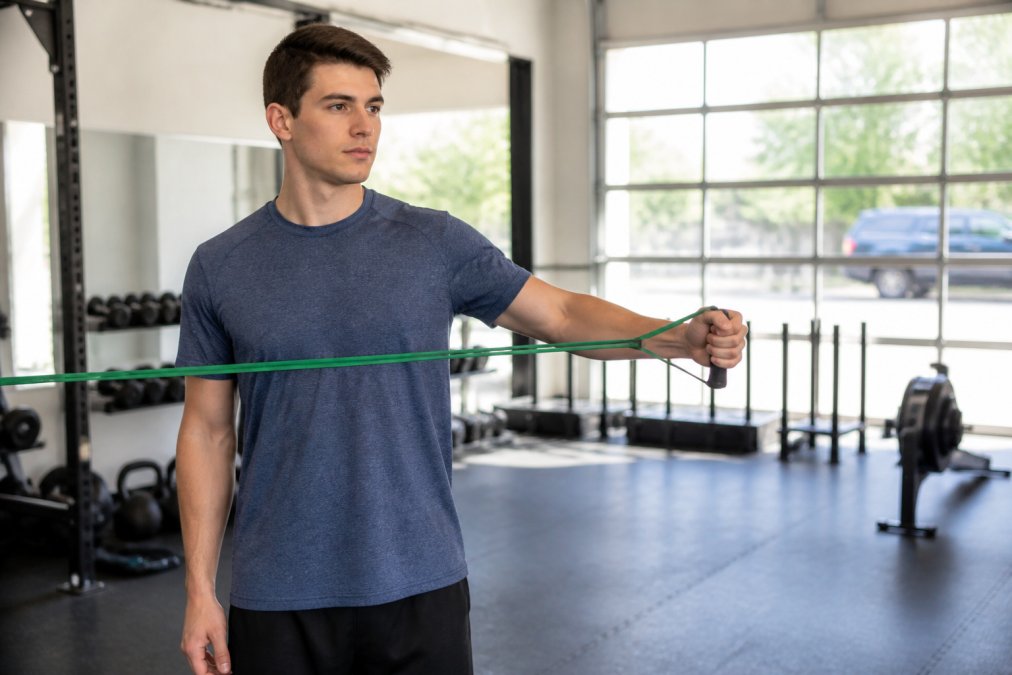
- Band external rotation, elbow at your side, rotate the forearm outward, 2-3 sets of 15. This is the base rotator cuff drill for every overhead sport.
- Scapular wall slides, forearms on a wall, slide up and down slowly, 2 sets of 10. Trains upward rotation, which is the swimmer’s biggest deficit.
- Prone Y raises, face down, lift arms into a Y shape, 2 sets of 12. Hits the lower trapezius, the muscle that keeps the shoulder blade down and back.
- Sleeper stretch, lie on the involved side, gently press the forearm toward the floor, 30 seconds per side. This is the posterior capsule drill throwers usually skip.
- Doorway pec stretch, hold 30 seconds per side to open the front of the shoulder.
TheraBand Resistance Bands work well here because the color-coded resistance lets you progress gradually without loading the joint too fast.
Do not skip scapular stabilization work. Strengthening the rotator cuff without retraining the shoulder blade often keeps impingement symptoms around, and in throwers, it can push the problem from the front of the shoulder to the back.
If a drill reproduces the pinch you feel when you throw or swim, stop and regress it. Pain-free range today beats a longer shutdown next month.
Recovery Time for Rotator Cuff Strain
Recovery time for rotator cuff strain depends on grade, but the calendar matters less than the criteria you hit along the way. A mild strain with no tear often improves in one to two weeks with rest and ice. A moderate strain can take four to six weeks. A full tear may need imaging and a physician’s evaluation before you return to sport.
Most athletes in San Antonio want a number. The honest answer is that return-to-play should follow function, not the calendar.
Stage 1: Calm the Shoulder (Days 1-7)
Goal: reduce pain and inflammation without losing motion. Ice after activity, modify the painful motion out of training, and keep pain-free range of motion drills going. You are ready to move on when daily activities no longer hurt and you can lift the arm to shoulder height without a pinch.
Stage 2: Restore Range and Scapular Control (Weeks 1-3)
Goal: full pain-free range and basic scapular strength. Add the band external rotation, wall slides, and prone Y raises from the impingement section. You are ready to move on when you can reach overhead and behind your back symmetrically, and the shoulder blade moves smoothly with the arm.
Stage 3: Rebuild Strength (Weeks 3-6)
Goal: near-normal rotator cuff and scapular strength. Progress band resistance, add light overhead pressing or swimming pull sets, and start sport-specific movement patterns at sub-maximal effort. You are ready to move on when rotation strength is within about 10% side-to-side and you can complete a full practice warm-up without symptoms.
Stage 4: Return to Sport (Weeks 6+)
Goal: full-speed sport exposure without pain or compensation. Throwers progress through long toss before mound work. Swimmers progress through kicking, then drill sets, then full stroke. Weightlifters progress from empty bar to working loads. A common pattern is two to three weeks of graded exposure before full competition.
Rushing that timeline is a common cause of re-injury. Pain threshold is not the same as tissue readiness, a shoulder that feels fine at 70% effort can still fail at 100%.
Red Flags That Mean Stop and Get Evaluated
- Pain that wakes you at night or persists at rest
- Weakness you can feel, not just soreness
- A pop or giving-way sensation during the injury
- No improvement after two weeks of consistent conservative care
If any of those show up, imaging and a physician’s evaluation come before the next stage.
Chiropractic Care for Sports Injuries San Antonio
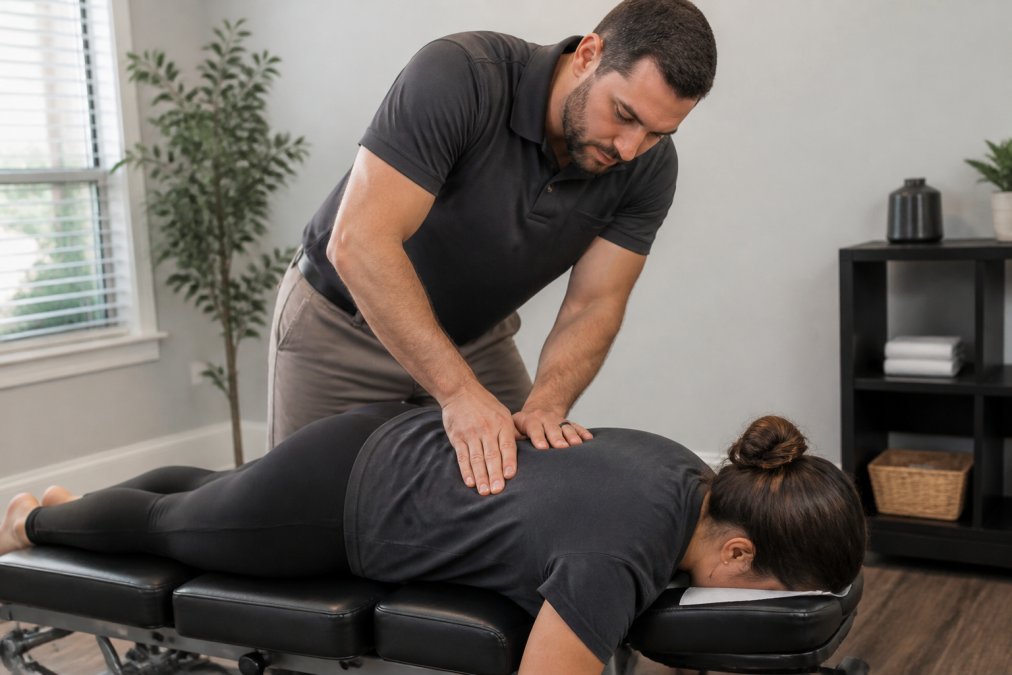
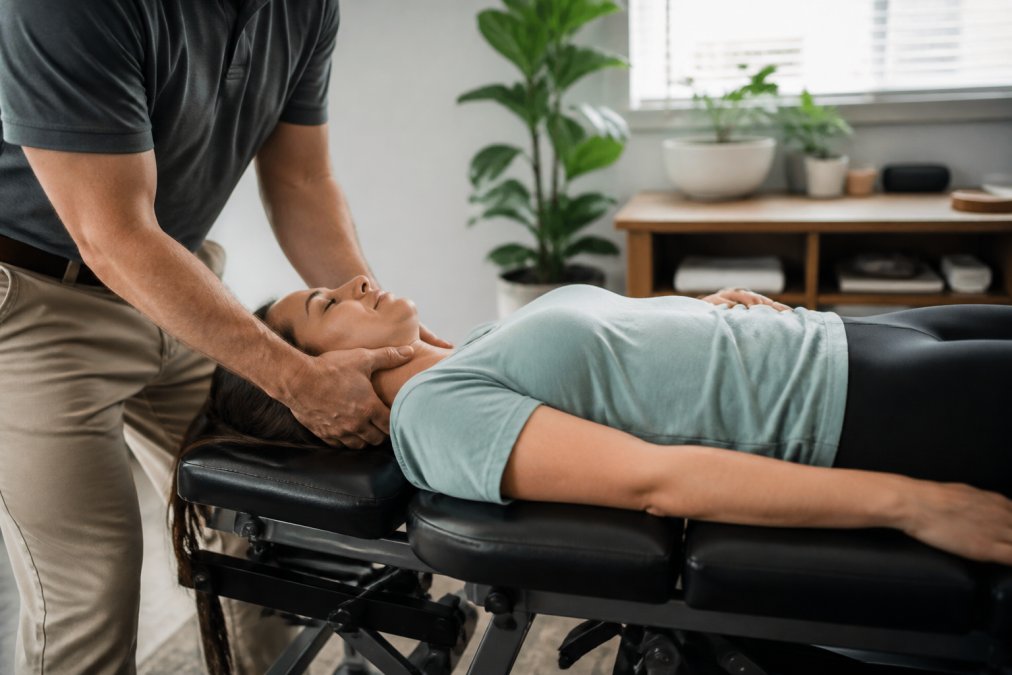
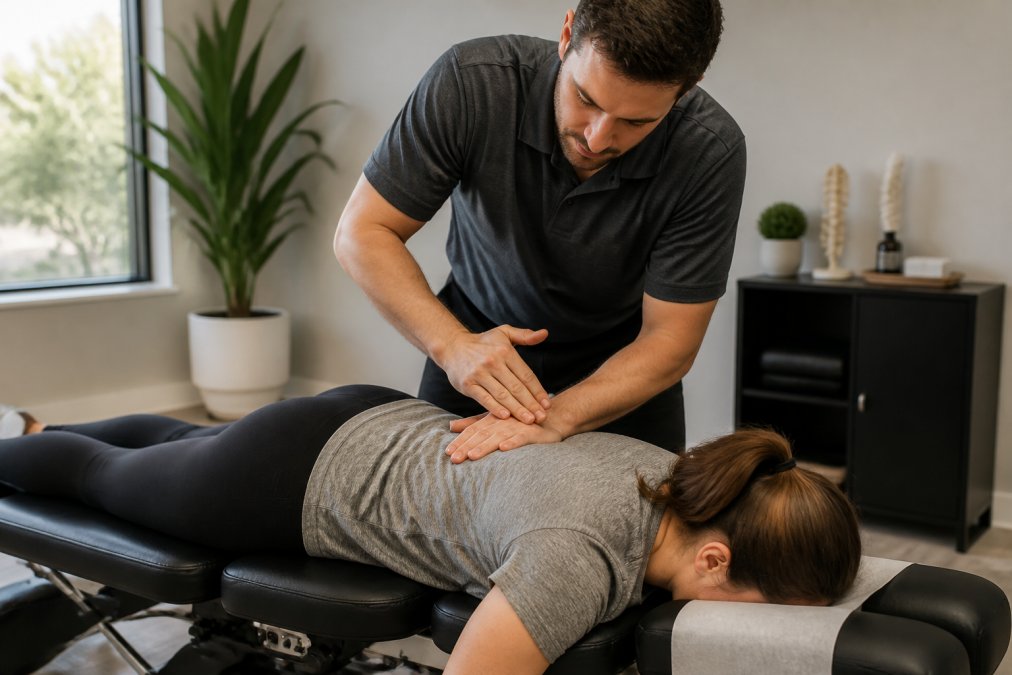
Chiropractic care for sports injuries San Antonio athletes rely on addresses the soft tissue and joint restrictions that keep a shoulder from healing. Gentle adjustments can help restore motion in the shoulder and upper back, while soft tissue mobilization and myofascial release may help reduce muscle tightness.
Moore Chiropractic builds personalized care plans around the sport, the injury stage, and the athlete’s goals. Care is gentle, and for athletes nervous about neck or shoulder work, the techniques used are controlled and low-force.
If you are searching for a shoulder pain chiropractor near me, a complimentary evaluation is a low-risk way to find out whether chiropractic fits your situation. We will tell you honestly if it does not.
American Chiropractic Association guidance on sports injuries
Over-the-Counter Pain Relief and Natural Anti-Inflammatories
Over-the-counter options like ibuprofen and acetaminophen can quiet pain in the short term, but they mask symptoms rather than fix mechanics. Use them sparingly and never as a substitute for rehabilitation.
Natural anti-inflammatory support includes an anti-inflammatory diet rich in fatty fish, leafy greens, berries, and turmeric, plus adequate hydration. Some athletes also use topical arnica or menthol gels for localized relief.
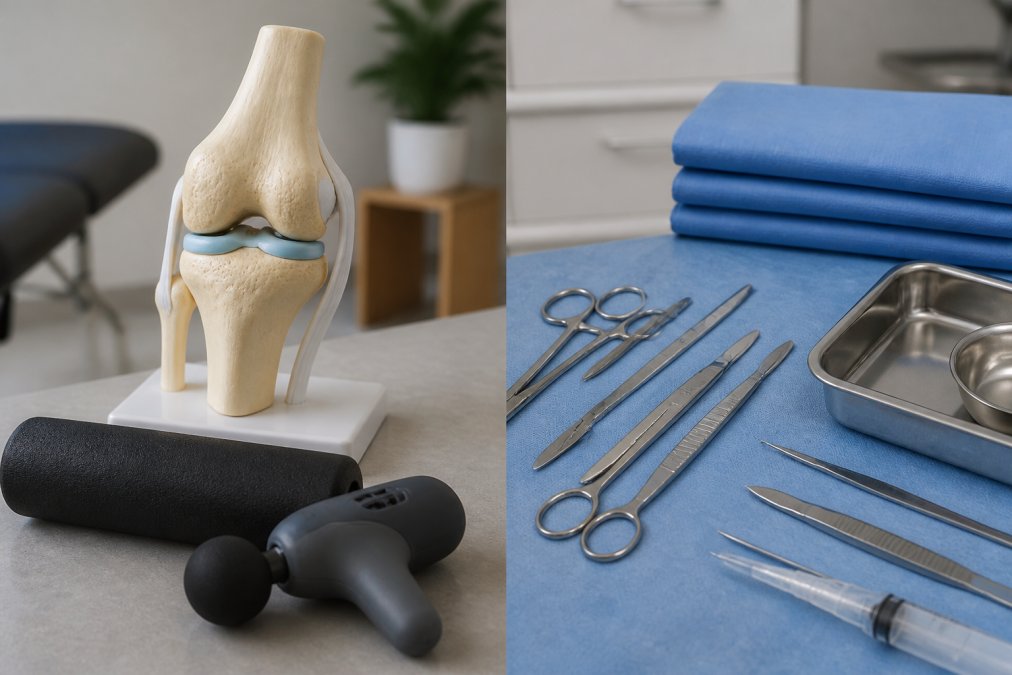
Hands-on recovery tools help too. The TriggerPoint GRID Foam Roller supports self-myofascial release on the lats and rear shoulder, while the Hyperice Hypervolt Go 2 delivers targeted percussion to tight muscle. KT Tape Pro can support the joint during training without limiting range of motion.
NIH overview of complementary health approaches for pain
Roll the muscles around the shoulder, not the joint itself. Foam rolling directly over the shoulder capsule irritates it rather than helping.
Shoulder pain does not have to end your season. The athletes who recover fastest are the ones who treat recovery as training: consistent mobility work, honest activity modification, and professional care when the shoulder stalls.
Moore Chiropractic offers gentle chiropractic techniques, personalized care plans, and a complimentary evaluation and consultation for new patients in San Antonio. If you are ready to restore peak physical performance and long-term shoulder health, contact us to get started.
Frequently Asked Questions
How to naturally heal shoulder pain?
Natural healing combines ice for acute inflammation, heat for chronic stiffness, and gentle stretches to restore mobility. Athletes should modify activity to avoid aggravating movements, use anti-inflammatory foods, and try manual therapies like massage or foam rolling. If pain persists beyond a week, a professional evaluation can rule out serious injury and guide recovery.
What is the strongest natural anti-inflammatory for joints?
Turmeric, ginger, and omega-3 fatty acids from fish oil are among the most studied natural anti-inflammatories. Tart cherry juice and green tea also show benefits. These foods and supplements can reduce inflammation, but they work best alongside ice, rest, and therapeutic exercise. Always check with a healthcare provider before starting supplements.
When should an athlete seek professional chiropractic care for shoulder pain?
Seek chiropractic care if shoulder pain lasts more than a few days, limits your range of motion, or returns after rest. A chiropractor can assess joint alignment, soft tissue restrictions, and movement patterns. For athletes in San Antonio, Moore Chiropractic offers a complimentary evaluation to determine if gentle care fits your injury and goals.
Are there specific stretches that help with athlete shoulder impingement?
Yes. Doorway pec stretches, cross-body stretches, and sleeper stretches target tight chest and posterior shoulder muscles. Combine them with scapular stabilization exercises like wall slides and band pull-aparts. Perform daily, holding each stretch 20-30 seconds without pain. If a stretch increases pain, stop and consult a professional.
What role does nutrition play in healing sports-related shoulder injuries?
Nutrition supports tissue repair and controls inflammation. Focus on anti-inflammatory foods: fatty fish, leafy greens, berries, nuts, and olive oil. Adequate protein helps rebuild muscle, while vitamin D and calcium support bone health. Hydration matters too. These dietary choices can speed recovery time for rotator cuff strain and reduce reliance on pain medication.