Last Updated: November 11, 2026
Quick Summary
Spinal manipulation can improve mobility and function, but how much and how long the gains last depend on the person, the condition and the care plan that follows. Short-term relief is the most consistently reported outcome. Lasting mobility gains are less clearly supported, and they tend to hold best when manipulation is paired with exercise and activity.
- Short-term studies most consistently show small-to-moderate improvements in pain and function for back pain.
- Mobility is measured in several ways, including range of motion, disability questionnaires and performance tests.
- Benefits often fade after treatment stops unless movement, such as home exercise, maintains them.
- Combining manipulation with exercise usually outperforms manipulation alone in the short term.
- Track progress against your own starting point, such as how far you can walk or sit, rather than pain scores alone.
Table of Contents
- What Spinal Manipulation Is and How It Is Performed
- What the Research Says About Mobility Outcomes Over Time
- How Long Do Spinal Manipulation Effects Last?
- Spinal Manipulation for Chronic Low Back Pain: What Studies Report
- Spinal Manipulation vs Physical Therapy for Back Pain
- Spinal Manipulation Safety and Risks
- Planning Your Next Step: Getting a Personal Evaluation in San Antonio
- Frequently Asked Questions
Spinal manipulation is one of the most common non-drug treatments people try for back and neck pain, and it is often judged by one question: does it help you move better over time, or only feel good for a few days? The short answer is that spinal manipulation can improve mobility and function, but the size and length of those gains depend on the person, the condition and the care plan that follows (pubmed.ncbi.nlm.nih.gov).
What Spinal Manipulation Is and How It Is Performed
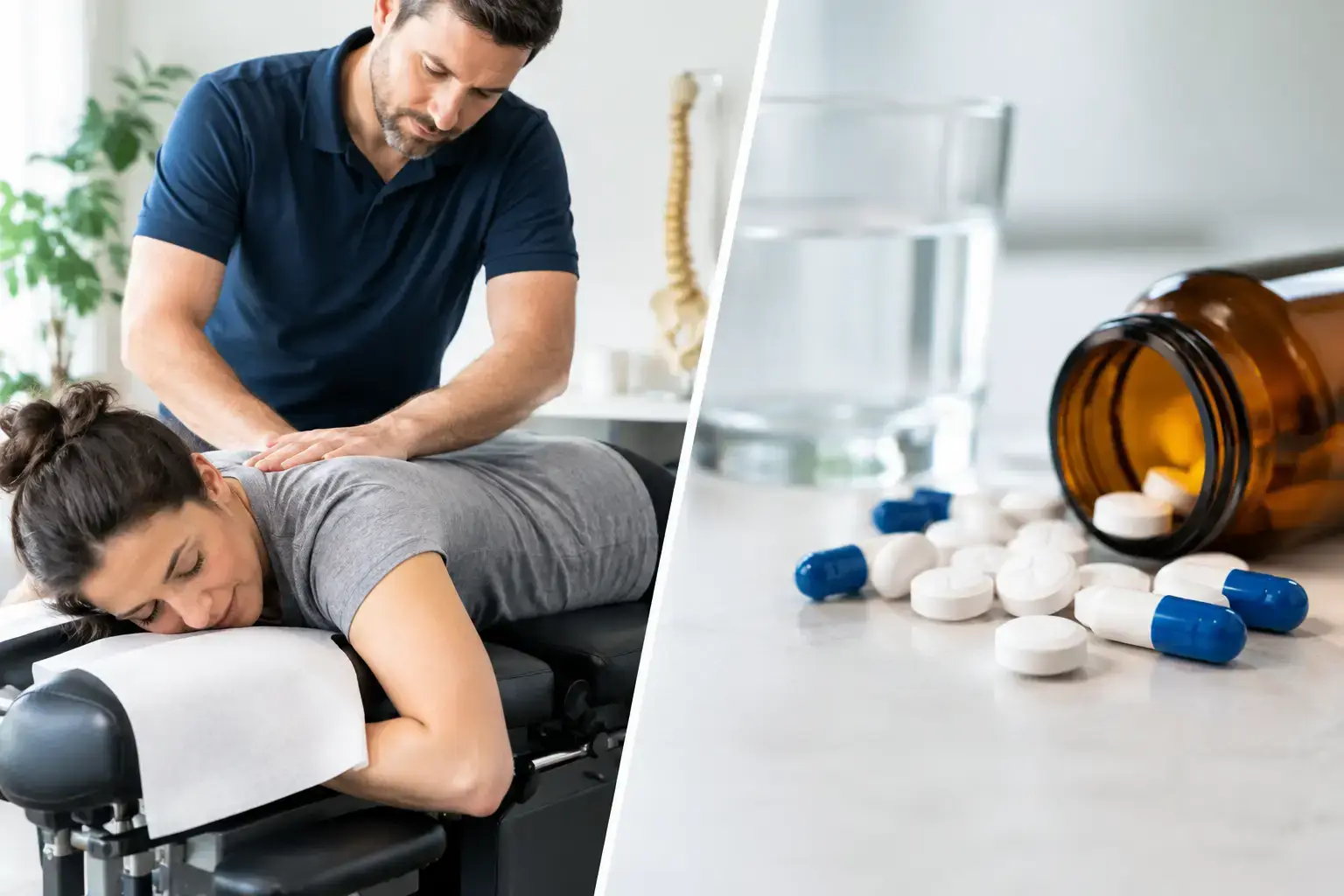
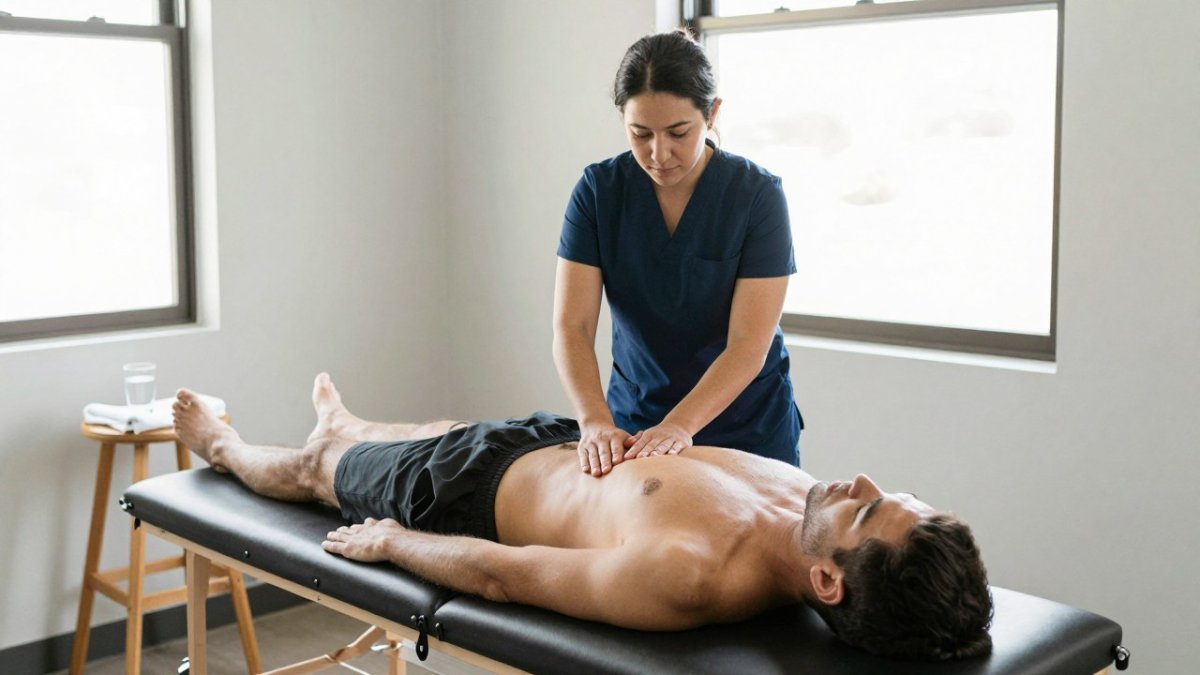
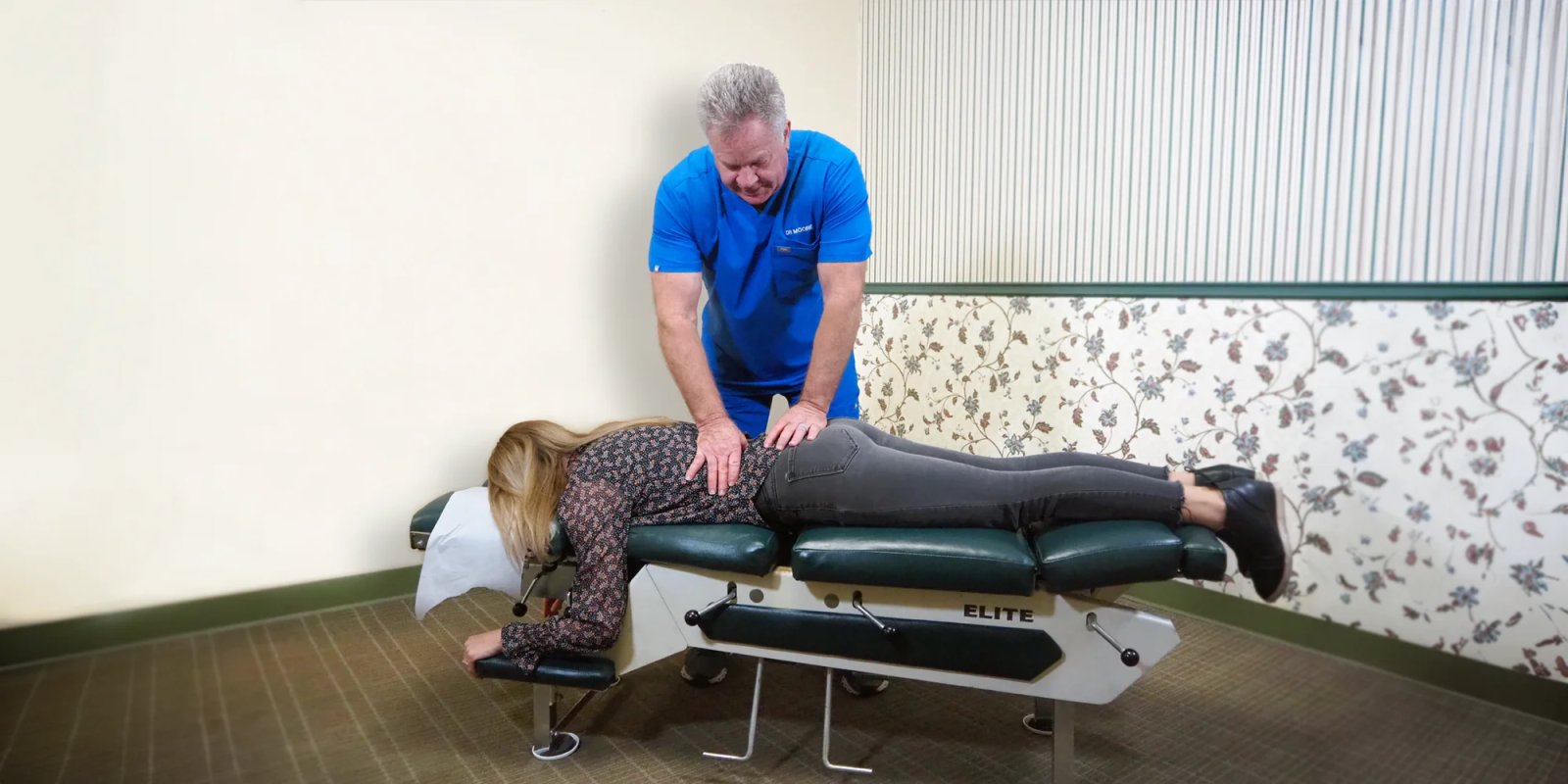
Spinal manipulation is a hands-on technique in which a provider moves a joint of the spine beyond its usual range with a quick, controlled thrust.
During a typical session, the patient lies on a padded table while the provider positions the body and applies a short, targeted force. Some people hear a popping sound during the adjustment.
What the Research Says About Mobility Outcomes Over Time
Most studies measure pain first, then function, and only later look at mobility. That order matters. A reduction in pain does not always mean a person can bend, lift or walk any better. Reviews of spinal manipulation generally report that pain relief and better function are the outcomes most often studied. The mobility question is narrower and harder to answer, which is why it deserves its own look.
What “mobility” actually means in the research
Mobility is not one number. Trials and reviews use several different measures, and each tells you something different:
- Range of motion: how far the spine bends, rotates or extends, usually measured in degrees with a goniometer or inclinometer.
- Functional disability: questionnaires such as the Oswestry Disability Index or the Roland-Morris Disability Questionnaire, scored from 0 to 100 or 0 to 24, that ask how well you manage daily tasks like dressing, sitting, walking and lifting.
- Performance tests: timed walking distance, sit-to-stand repetitions, or how long you can stand before symptoms limit you.
A common pattern in the literature is that pain scores move first and by the largest margin, disability scores move next, and direct range-of-motion measures are reported least often and with the most inconsistency. That is a measurement problem as much as a treatment problem.
Short-term, medium-term and long-term: what the timelines show
Short-term benefits are the easiest to measure. Many trials check outcomes within a few weeks of starting care. Medium-term follow-up usually means roughly three to six months, and long-term means six months to a year or more. Long-term outcomes are harder to study because people drop out, switch treatments or change their habits. Because of this, the evidence for lasting mobility gains is thinner and less consistent than the evidence for early relief.
A useful way to read the evidence is by what each window can and cannot tell you:
- Short-term (a few weeks): the most consistent signal. Several reviews find small-to-moderate improvements in pain and function compared with no treatment or sham treatment for acute and subacute low back pain.
- Medium-term (three to six months): results become mixed. Some trials show gains holding when manipulation is combined with exercise; others show the advantage over comparison groups narrowing.
- Long-term (six months to a year or more): the thinnest evidence. Reviews often note that differences between manipulation and other active treatments shrink or disappear, and that few trials report mobility-specific outcomes at all.
Does improvement last after treatment stops?
This is the question most patients actually care about, and it is the one the research answers least cleanly. A common finding is that benefits begin to fade after a course of care ends unless something maintains them.
Watch out: reading a headline that says manipulation “works for back pain” and assuming it means mobility gains persist for a year is a leap the evidence does not support.
Why mobility gains can outlast pain relief
Ongoing exercise and movement practice usually matter as much as the adjustment itself.
How to judge the evidence for yourself
When you read a study summary or a clinic’s claims, ask three questions: How long did they follow patients after treatment ended? Which mobility measure did they use, and was it a performance test or a questionnaire? And what was the comparison group, no treatment, sham, exercise, or usual care? A result that looks strong against no treatment may look modest against exercise.
How Long Do Spinal Manipulation Effects Last?
How long benefits from spinal manipulation last varies widely from person to person. Clinical reviews commonly report that the best results come when manipulation is paired with exercise and activity, rather than used alone.
Treatment length also changes the picture. Chronic conditions usually need a longer plan with regular reassessment, so the provider and patient can decide whether gains are holding. (Source: definitions and measurement of mobility in clinical research)
Spinal Manipulation for Chronic Low Back Pain: What Studies Report
Chronic low back pain, which lasts three months or longer, is where many patients in San Antonio look for help after other approaches have fallen short. Explore chronic back pain solutions in San Antonio to understand causes and treatment options. Some systematic reviews describe modest short-term relief from spinal manipulation, though the quality of that evidence varies. The quality of that evidence varies, and many trials are small or short. For chronic cases specifically, the picture is more nuanced than for acute flare-ups.
What the reviews actually find
Across systematic reviews of spinal manipulation for chronic low back pain, a few patterns recur:
- Versus no treatment or sham: small improvements in pain and function are reported, but the effects are modest and the evidence quality is often rated low to moderate because of small sample sizes, lack of blinding and inconsistent methods.
- Versus other active treatments: when manipulation is compared with exercise, physical therapy or usual medical care, differences in pain and disability tend to be small and often shrink over time.
- Versus exercise combined with manipulation: the combination usually outperforms either alone in the short term, which is why guidelines tend to frame manipulation as one part of a broader plan rather than a stand-alone fix.
- Mobility-specific outcomes: range-of-motion and performance measures are reported far less often than pain and disability scores, so claims about long-term mobility rest on thinner evidence than claims about pain.
A common mistake is expecting one course of care to fix a long-standing problem. For chronic cases, a realistic goal is steady improvement in movement and daily function, measured against clear starting points. Patients who track their own progress, such as how far they can walk or how long they can sit, often get a clearer answer than from pain scores alone.
Patient-level factors that change the picture
Two people with the same diagnosis can respond differently, and the research reflects that. Factors that commonly shape outcomes include:
- Diagnosis and symptom duration: non-specific low back pain responds differently than pain with a clear structural cause, and shorter symptom duration generally predicts better response.
- Baseline function: people starting from a lower functional level often show larger absolute gains, even if the relative benefit is similar.
- Coexisting conditions: arthritis, osteoporosis, prior surgery, obesity and deconditioning all affect what is safe and what is realistic.
- Preferences and adherence: patients who value hands-on care and follow through with home exercise tend to do better than those who expect passive treatment alone.
How spinal manipulation fits with exercise and multidisciplinary care
Guidelines for chronic low back pain generally recommend a stepped approach: education and self-care first, then exercise and physical therapy, with spinal manipulation as a reasonable adjunct for some patients. The practical comparison looks like this:
- Manipulation alone: quick to deliver, may reduce pain and stiffness enough to let you move, but durability depends on what follows.
- Exercise-based care: builds strength and endurance over weeks, with the strongest evidence for lasting functional improvement in chronic cases.
- Combined care: manipulation plus exercise and education is the pattern most reviews favor, because it addresses both the symptom and the underlying capacity.
- Multidisciplinary care: for persistent, disabling pain, combining physical care with psychological and occupational support is recommended when simpler approaches stall.
Watch out: a plan that consists only of repeated adjustments with no exercise, education or reassessment is a red flag for chronic pain, because it removes the components most associated with lasting improvement.
What a realistic chronic-pain plan looks like
A sensible course for chronic low back pain usually includes a defined trial period, often a few weeks, with clear functional goals, a home exercise component, and a scheduled reassessment to decide whether to continue, change approach or add other care. If mobility is not improving against your own baseline by that reassessment, the plan should change rather than simply repeat.
Spinal Manipulation vs Physical Therapy for Back Pain
Many people weighing their options want to know how spinal manipulation compares with physical therapy. In general, both are considered conservative, non-invasive care.
The practical difference is the mix of tools. The right choice depends on your symptoms, your goals and what you are willing to commit to week to week. Read practical guidance on which option suits your situation.
Spinal Manipulation Safety and Risks
Spinal manipulation is generally considered low risk when performed by a trained provider. Side effects can include temporary soreness or stiffness. Serious adverse events are rare in the research, but they are reported.
Certain conditions call for caution or a different approach, including recent fractures, osteoporosis, certain cancers and some neurological symptoms. Pregnancy and other health conditions also change what is appropriate.
Planning Your Next Step: Getting a Personal Evaluation in San Antonio
If you are considering spinal manipulation, start with an honest evaluation rather than a fixed promise of results. A good first visit should review your history and explain what care could look like.
Whether manipulation fits your situation depends on details that only an in-person exam can reveal. For a closer look at chiropractic care for back pain relief in San Antonio, you can learn how Moore Chiropractic approaches back pain relief and read about chiropractic care for back pain relief in San Antonio before you book.
systematic review of spinal manipulation for low back pain
clinical practice guideline on low back pain from the American College of Physicians
National Center for Complementary and Integrative Health overview of chiropractic care
Frequently Asked Questions
Does spinal manipulation improve mobility in the long term?
Research on spinal manipulation generally reports short-term improvements in range of motion and function, and some trials follow patients for several months. Long-term evidence is less consistent, and results depend on the condition, the patient, and whether they keep up with exercise and activity afterward. Mobility gains can persist longer than pain relief in some studies, but the evidence is moderate in quality and varies across trials. A licensed chiropractor can review your history and set realistic goals and a reassessment schedule.
Is spinal manipulation more effective than physical therapy for back pain?
Systematic reviews generally find that spinal manipulation and physical therapy produce similar pain and function outcomes for non-specific low back pain, with neither clearly superior over the long term. Many patients use both, and the right choice often depends on personal preference, access, and clinical findings. Your provider can help you decide which approach, or combination, fits your situation.
Is spinal manipulation safe for ongoing back or neck problems?
Spinal manipulation is generally considered low risk when performed by a trained professional. The most common side effects are temporary soreness, stiffness, or fatigue after treatment. Serious adverse events are rare but have been reported, particularly involving the neck. Anyone with ongoing back or neck problems should share their full medical history and any red-flag symptoms, such as numbness, weakness, or unexplained weight loss, before beginning care.