
A collision can be over in seconds, but your body may not feel the full effect until later that day or even several days afterward. This accident recovery guide is designed to help you make thoughtful decisions after a car accident, protect your health, and give your body the right conditions to heal.
Many people walk away from a crash feeling shaken but mostly fine. Adrenaline can temporarily mask pain, stiffness, dizziness, or headaches. That does not mean an injury is minor or that it will resolve on its own. Paying attention early can make a meaningful difference in how comfortably and confidently you return to work, family life, exercise, and the activities you enjoy.
Start With Safety, Documentation, and Medical Attention
Immediately after an accident, move to a safe location if you can do so safely. Call 911 when there are injuries, significant vehicle damage, road hazards, or any uncertainty about what to do. Exchange information, document the scene when appropriate, and follow instructions from law enforcement and emergency personnel.
Your first health priority is ruling out serious injury. Seek emergency care right away for severe pain, loss of consciousness, confusion, chest pain, trouble breathing, weakness, numbness, uncontrolled bleeding, vomiting, or a sudden, severe headache. These symptoms require prompt medical evaluation.
Even without an emergency, it is wise to arrange an evaluation soon after the accident. This is especially true if you were hit from behind, your head moved forcefully, the airbags deployed, or you felt any pain, stiffness, tingling, or dizziness afterward. A careful exam creates a clear starting point for your recovery and helps identify concerns that are not always obvious at the scene.
Why Pain Can Show Up Later
A crash places forces on the body that it is not built to absorb. Muscles may tighten protectively, joints can become irritated, and ligaments or other soft tissues may be strained. In a rear-end collision, the head and neck can move rapidly back and forth, creating the kind of motion associated with whiplash.
You may notice symptoms immediately, but delayed symptoms are common. Neck or back stiffness, headaches, shoulder pain, low-back pain, jaw soreness, fatigue, reduced range of motion, numbness, tingling, and difficulty concentrating can develop as inflammation and muscle guarding build.
Pain does not always match the amount of visible damage to a vehicle. A low-speed accident can still leave someone sore and limited, particularly if their body was turned, braced, or caught off guard at the moment of impact. On the other hand, recovery also depends on your health history, prior injuries, stress levels, sleep, and the physical demands of your job.
A Practical Accident Recovery Guide for the First Week
The first week is not the time to push through every symptom or stay completely still. Your goal is to protect irritated tissues while keeping your body from becoming more guarded and stiff.
Keep track of what changes
Write down symptoms and when they occur. Note where you feel pain, what movements aggravate it, whether symptoms travel into an arm or leg, and how they affect sleep, work, or driving. This information helps your healthcare provider see patterns and tailor recommendations to you.
Use movement thoughtfully
Unless a provider has told you otherwise, gentle movement is often better than prolonged bed rest. Short walks and easy, pain-free motion can help reduce stiffness. Avoid testing your limits with heavy lifting, intense workouts, repetitive bending, contact sports, or long hours in one position.
The right amount of activity depends on the injury. A person with mild soreness may tolerate gradual movement well, while someone with a concussion concern, fracture, severe nerve symptoms, or significant pain needs more specific guidance. Listen to your body, but do not assume that doing nothing is always the fastest route to feeling better.
Support recovery outside the office
Small adjustments at home and work can reduce unnecessary strain. Use supportive pillows for sleep, take brief posture breaks when sitting, and avoid cradling a phone between your shoulder and ear. If driving makes symptoms worse, adjust the seat so you can reach the pedals and steering wheel without overreaching, and consider asking for help with longer trips until you are more comfortable.
Hydration, regular meals, and quality sleep also matter. Healing tissues need energy. Poor sleep can increase pain sensitivity, while stress can make muscles stay tense longer. You do not need a perfect routine after an accident, but basic consistency gives your body a better chance to recover.
Know When to Seek a More Complete Evaluation
Some soreness improves steadily with time. Other symptoms deserve a more focused assessment, especially when they interrupt daily life or fail to improve. Schedule care if you have persistent neck or back pain, recurring headaches, reduced mobility, pain that radiates into an arm or leg, numbness or tingling, or discomfort that makes it difficult to work, sleep, exercise, or care for your family.
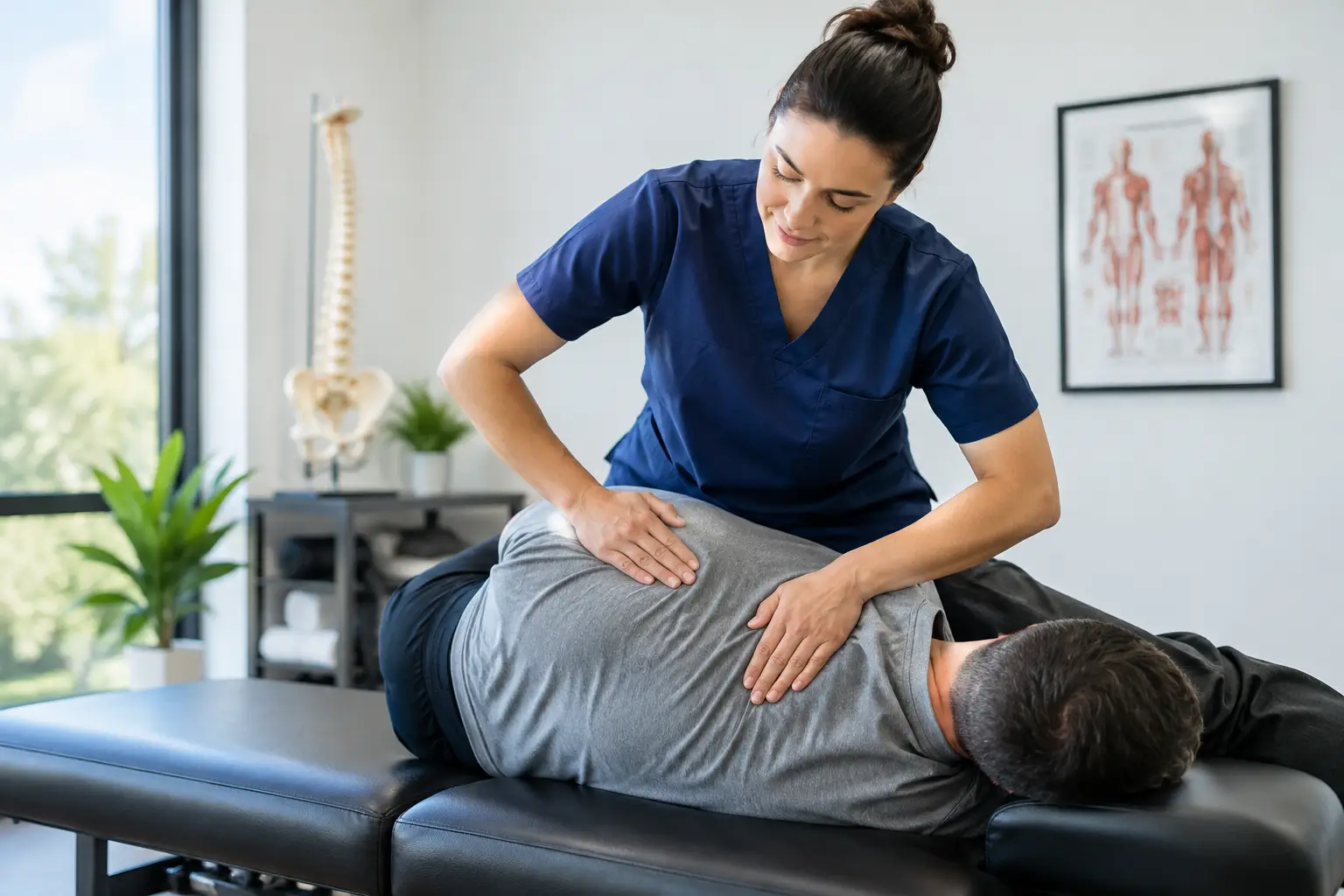
Chiropractic care can be a helpful part of accident recovery for many musculoskeletal injuries. A chiropractor can evaluate spinal movement, muscle tension, posture, and areas of joint irritation, then create a plan based on your symptoms and goals. Care may include gentle chiropractic adjustments, mobility work, soft-tissue-focused approaches, and supportive therapies intended to reduce pain and restore comfortable movement.
At Moore Chiropractic, treatment is not about rushing someone through a standard protocol. Recovery plans are individualized, particularly because two people can experience the same type of accident and need very different levels of care. Gentle techniques and clear explanations can be especially reassuring when your body feels sore, guarded, or uncertain after a collision.
Be Careful With Common Recovery Mistakes
One common mistake is waiting until pain becomes unbearable before seeking help. Another is assuming that temporary relief means the problem is fully resolved. Symptoms can fade when you are resting, then return once you resume long workdays, lifting, exercise, or household responsibilities.
It is also easy to overdo it on a good day. If you suddenly feel better, resist the urge to make up for lost time with a hard workout, yard project, or heavy cleaning session. Gradual progress is less exciting than a quick return to normal, but it is often more sustainable.
Finally, do not compare your recovery to someone else’s. Your coworker may have felt fine after a similar crash, while you are still dealing with stiffness or headaches. That difference is not a personal failure. It simply means your body needs an approach that reflects your injury, health history, and daily demands.
Returning to Work, Exercise, and Normal Activities
A safe return is usually a gradual return. Start by identifying the activities that matter most: sitting through a shift, carrying groceries, turning your head comfortably while driving, sleeping through the night, or returning to the gym. Those practical goals give your care plan direction.
For desk work, brief movement breaks and monitor adjustments may help reduce neck and low-back strain. For physically demanding work, you may need temporary modifications to lifting, carrying, twisting, or overhead tasks. Athletes and active adults often benefit from rebuilding mobility and control before jumping back into high-impact or high-speed movement.
Pain is useful information, but it is not the only measure of progress. Better range of motion, fewer headaches, improved sleep, and greater confidence in everyday movement are meaningful signs that recovery is moving in the right direction. If activity causes sharp pain, worsening numbness, dizziness, or symptoms that linger significantly afterward, step back and speak with your provider.
Give Your Body a Plan, Not Just Time
Time can support healing, but time alone does not always restore the movement patterns, comfort, and confidence that an accident can disrupt. The most helpful next step is often a clear evaluation, an honest conversation about your symptoms, and a recovery plan that matches the life you are trying to get back to.
Be patient with your progress and attentive to changes. With appropriate care, gradual movement, and support tailored to your needs, you can move forward with more comfort and a stronger foundation for the road ahead.