Last Updated: November 18, 2026
Quick Summary
Alternative therapies for chronic pain relief include acupuncture, spinal manipulation, massage, psychological approaches like cognitive behavioral therapy, and mind-body movement practices such as yoga and tai chi. Choose therapies studied in clinical trials and recommended by major medical bodies, and ask each provider about licensing, contraindications, and insurance coverage before you book.
- Acupuncture has the strongest research base of needle-based therapies, especially for chronic low-back pain, neck pain, and knee osteoarthritis.
- Texas requires acupuncturists to hold a state license, so ask to see it before treatment.
- A 2017 American College of Physicians guideline lists yoga and tai chi among non-pharmacological options for chronic low-back pain.
- Start gentle daily movement at 10 minutes twice a day, since frequency beats intensity when pain is flaring.
- Ask whether a provider is in network, whether your plan requires a referral, and your out-of-pocket cost per visit.
Table of Contents
- Why Alternative Therapies for Chronic Pain Relief Deserve a Serious Look
- What Evidence-Based Alternative Pain Management Actually Means
- Acupuncture for Chronic Pain: What the Evidence Shows
- Psychological Therapy for Pain Management: Retraining the Nervous System
- Chiropractic Care and Spinal Manipulation in a Multidisciplinary Approach
- Chronic Pain Management at Home: Daily Habits That Support Recovery
- Safety, Contraindications, and Talking to Your Provider
- Insurance, Cost, and Access in San Antonio
- Frequently Asked Questions
Why Alternative Therapies for Chronic Pain Relief Deserve a Serious Look
Alternative therapies for chronic pain relief have moved from the fringe to the exam room. The National Center for Complementary and Integrative Health, part of the National Institutes of Health, now funds and publishes research on acupuncture, spinal manipulation, and mind-body techniques, and that shift matters for anyone who has cycled through pain medication without lasting relief. Many people with long-standing pain arrive frustrated after years of pills, injections, and imaging with little to show for it. This guide covers what the evidence supports, what to avoid, and how to actually access these treatments here in San Antonio. Below, we break down each major therapy, its realistic role, and the questions worth asking before you start.
What Evidence-Based Alternative Pain Management Actually Means
Evidence-based alternative pain management means choosing therapies that have been studied in clinical trials and recommended by major medical bodies, not just ones that feel good in the moment. A therapy earns that label when independent researchers can reproduce its benefits across multiple studies, and when the risks are documented honestly.
That standard rules some things in and some things out. Acupuncture, spinal manipulation, massage, and psychological approaches like cognitive behavioral therapy have meaningful research behind them for conditions such as chronic low-back pain. Others, including most energy therapies, have thin or inconsistent evidence.
How to Read the Research Without a Medical Degree
You do not need a biostatistics course to sort strong claims from weak ones. Use these filters:
- Check who funded the study. Independent government or university funding carries more weight than a study paid for by the therapy’s own trade group.
- Look at the outcome measured. Pain intensity reduction matters, but so does functional improvement, meaning whether you can walk, sit, or sleep better.
- Check the sample size and duration. A small study lasting four weeks tells you little about a condition you have had for years.
- Follow the clinical guidelines. Bodies like the American College of Physicians publish treatment guidance that already weighs this evidence for you.
When a clinic quotes a statistic, ask for the source. A good provider will hand it over without hesitation.
Acupuncture for Chronic Pain: What the Evidence Shows
Acupuncture for chronic pain has the strongest research base of the needle-based therapies, particularly for chronic low-back pain, neck pain, and osteoarthritis of the knee. Researchers believe it works partly through pain modulation and partly through the ritual and relaxation involved.
What most guides miss is that acupuncture’s benefit in trials is often modest but real, and it tends to be cumulative rather than instant. A common mistake is judging the treatment after one session. In practice, a short course of visits is usually needed before you can tell whether it helps you.
San Antonio has a growing number of licensed acupuncturists, and Texas requires practitioners to hold a state license, so ask to see it. If nerve pain is part of your picture, our San Antonio guide to acupuncture for nerve pain goes deeper into what to expect.
Best for: chronic low-back and neck pain, knee osteoarthritis.
Skip if: you take blood thinners or have a bleeding disorder; talk to your physician first.
Psychological Therapy for Pain Management: Retraining the Nervous System
Psychological therapy for pain management targets the fact that chronic pain is processed in the brain, not just at the site of injury. Cognitive behavioral therapy, pain reprocessing approaches, and mindfulness-based stress reduction all aim to change how the nervous system interprets pain signals.
This is not about telling yourself the pain is not real. It is about reducing the threat response that keeps the autonomic nervous system stuck in a heightened state, which in turn amplifies pain perception. Stress reduction and breathing exercises may help some people lower their baseline pain intensity over weeks.
The mind-pain connection runs both ways, and the emotional toll of persistent pain deserves attention in its own right. We recommend reading about the psychological impact of living with chronic back pain if that side of things has gone unaddressed.
Chiropractic Care and Spinal Manipulation in a Multidisciplinary Approach
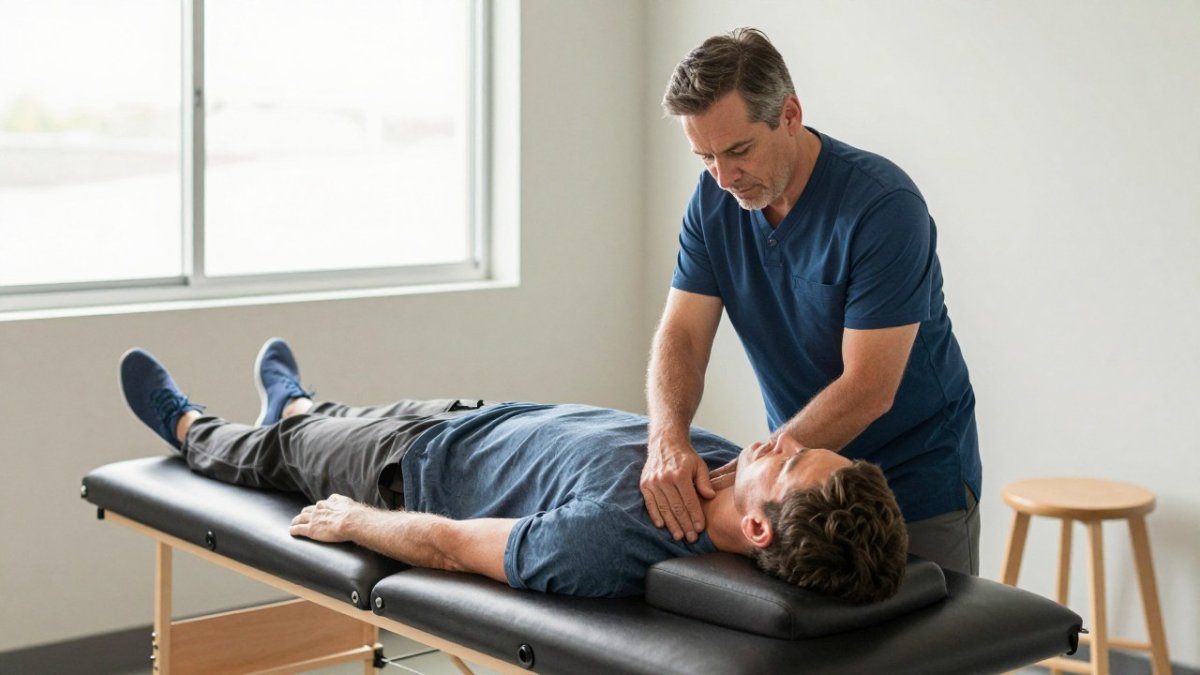
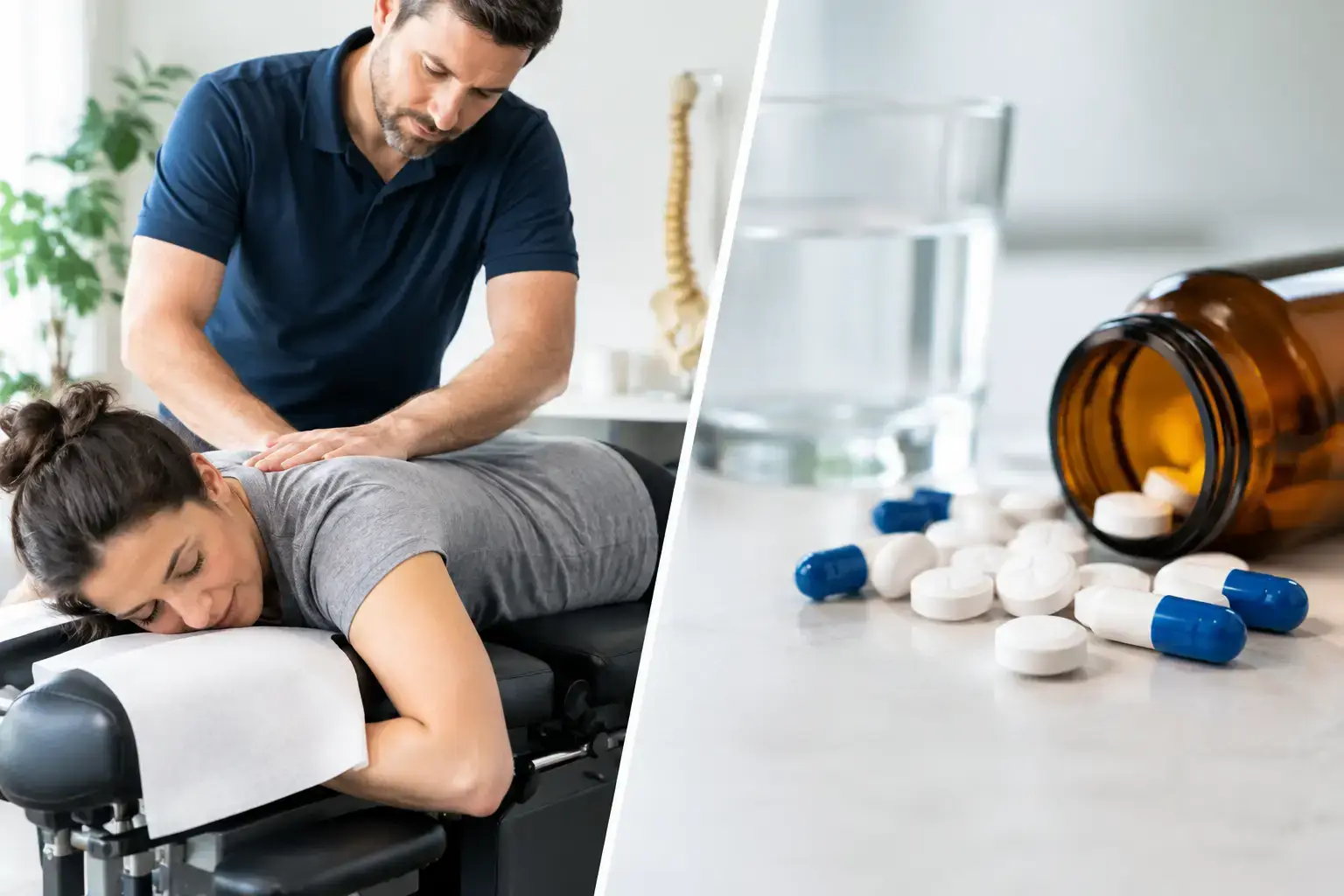
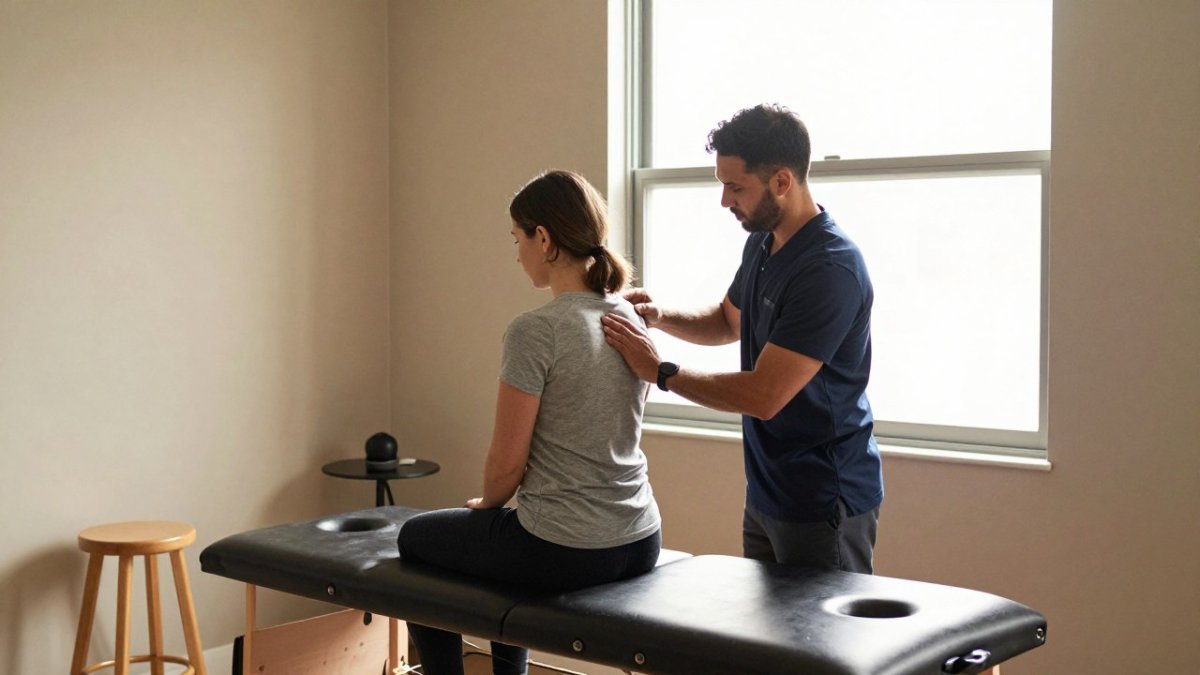
Spinal manipulation is a hands-on technique in which a trained practitioner applies a controlled, directed force to a joint in the spine, and it is one of the better-studied options for chronic low-back pain. A multidisciplinary approach pairs that hands-on care with movement therapy, education, and, where appropriate, psychological support, so you are not relying on any single treatment to do all the work.
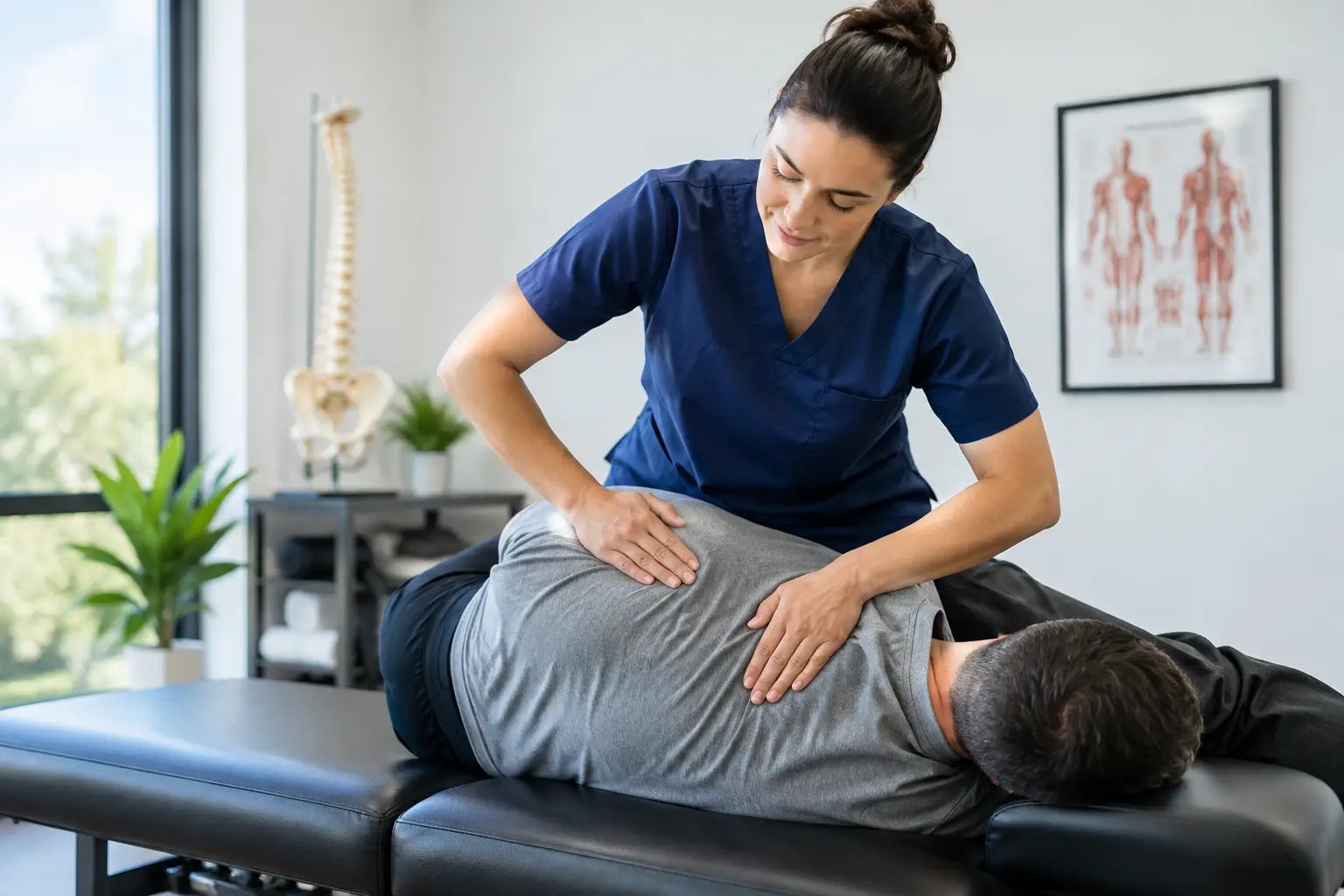
At Moore Chiropractic, our approach is built around gentle chiropractic techniques and personalized care plans. If you want to see the specific methods we use, our page on chiropractic techniques for chronic pain management lays them out. (Source: National Center for Complementary and Integrative Health)
Best for: chronic low-back pain, neck pain, musculoskeletal injuries.
Skip if: you have severe osteoporosis, spinal cancer, or an active infection near the joint; these require medical clearance first.
Chronic Pain Management at Home: Daily Habits That Support Recovery
Chronic pain management at home works best when it reinforces what your treatment does, not when it replaces it. The habits below are commonly recommended for managing chronic pain at home, and they include movement-based and bodywork approaches.
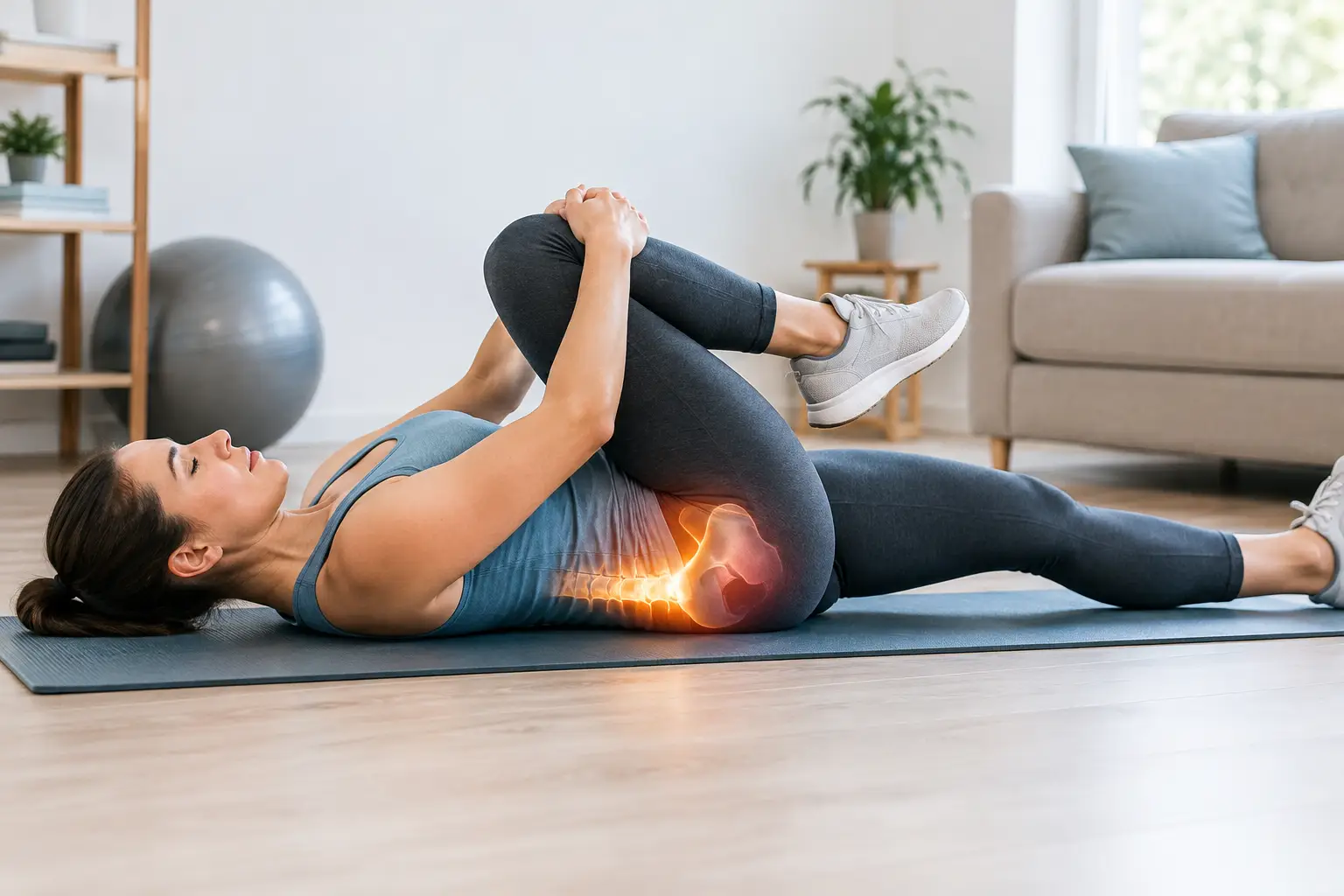
- Move daily, gently. Walking, swimming, and simple mobility work keep joints and muscles from stiffening. Start below what you think you can handle. A common pattern is 10 minutes twice a day rather than one long session, because frequency beats intensity when pain is flaring.
- Add a movement-based practice. Yoga, tai chi, and qigong are the three most-studied mind-body movement therapies for chronic pain. A 2017 American College of Physicians guideline lists yoga and tai chi among the non-pharmacological options for chronic low-back pain, and the evidence is strongest for gentle, instructor-led classes rather than vigorous styles. Tai chi in particular is low-impact and balance-focused, which suits older adults and anyone with joint pain. Start with one 30- to 60-minute class per week and build from there.
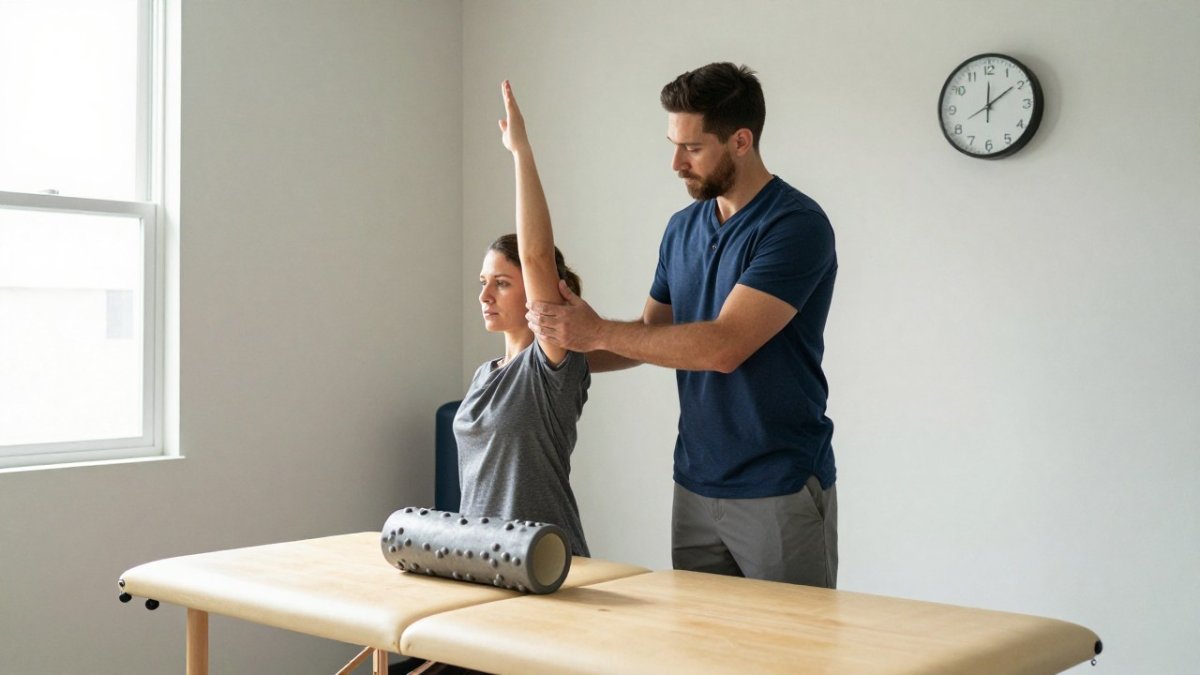
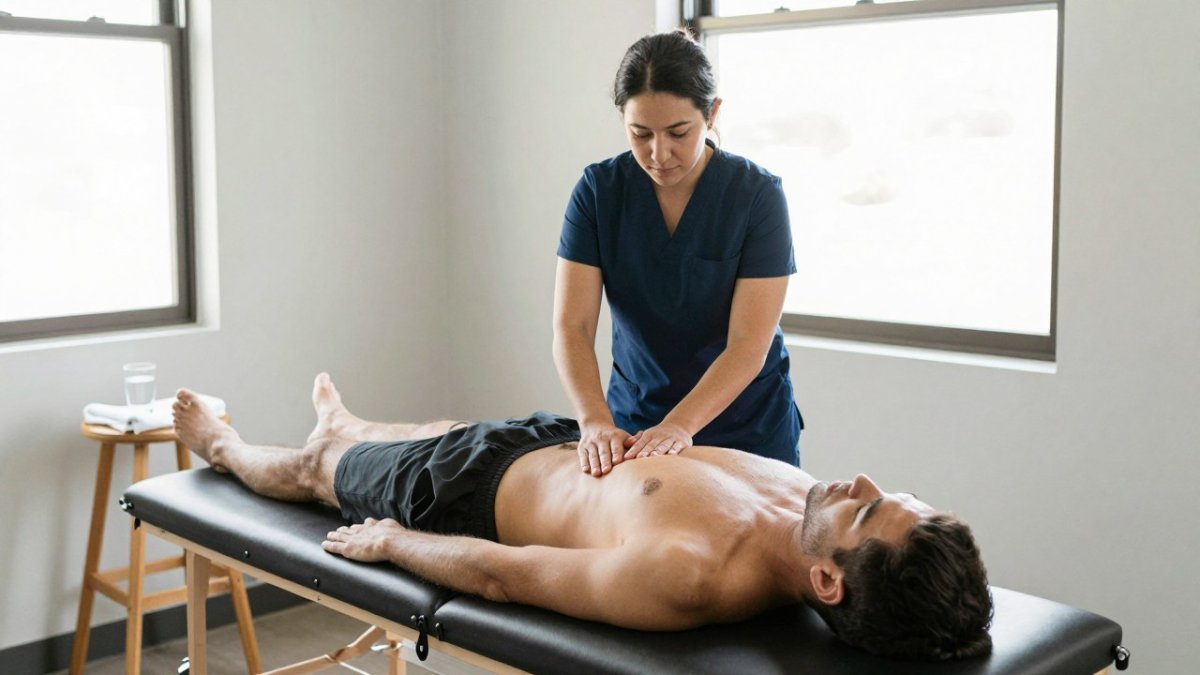
- Use massage and bodywork strategically. Massage therapy may reduce short-term pain and muscle tension, especially in the neck and low back, but the effect may fade if you stop. Think of it as a periodic reset rather than a cure. Ask any massage therapist for their license number. Avoid deep pressure directly over bruises, fractures, or active infections.
- Practice breathing exercises. Slow diaphragmatic breathing can calm the autonomic nervous system and reduce the tension that feeds pain. A simple pattern is four seconds in, six seconds out, for five minutes.
- Protect your sleep. Poor sleep lowers pain tolerance; a consistent schedule and a dark, cool room help more than most people expect.
- Try heat or hydrotherapy. A warm shower or heating pad before stretching can make movement easier. Keep heat sessions to about 15 to 20 minutes to avoid skin irritation.
- Set up your workspace. If you work a desk job, adjust your chair and screen height so your neck is not craned forward by mid-afternoon.
Aromatherapy and relaxation practices help some people wind down, though the evidence for pain relief specifically is limited. Treat them as comfort measures, not treatment.
Watch out: home practices can backfire if you push through sharp pain or skip a provider’s screening. If a movement or massage technique makes pain worse rather than better after a day or two, stop and tell your clinician.
These are the at-home habits the article recommends, with the practical starting points it gives for each.
| Habit | What to do | Starting point |
|---|---|---|
| Gentle daily movement | Walking, swimming, simple mobility work | 10 minutes twice a day |
| Movement-based practice | Yoga, tai chi, or qigong in gentle instructor-led classes | One 30- to 60-minute class per week |
| Massage and bodywork | Periodic reset for neck and low-back tension | Ask therapist for license number |
| Breathing exercises | Slow diaphragmatic breathing, four seconds in, six seconds out | Five minutes |
| Heat or hydrotherapy | Warm shower or heating pad before stretching | 15 to 20 minutes per session |
Safety, Contraindications, and Talking to Your Provider
Safety comes down to matching the therapy to your actual health picture, and that conversation starts with honesty. Tell every provider about your medications, especially blood thinners, your surgical history, and any diagnosis involving your bones or nerves.
Contraindications worth knowing:
- Spinal manipulation: avoid with severe osteoporosis, spinal fracture, or suspected malignancy until cleared.
- Massage and bodywork: avoid directly over bruises, fractures, or active infections.
- Acupuncture: disclose bleeding disorders and any implanted medical devices.
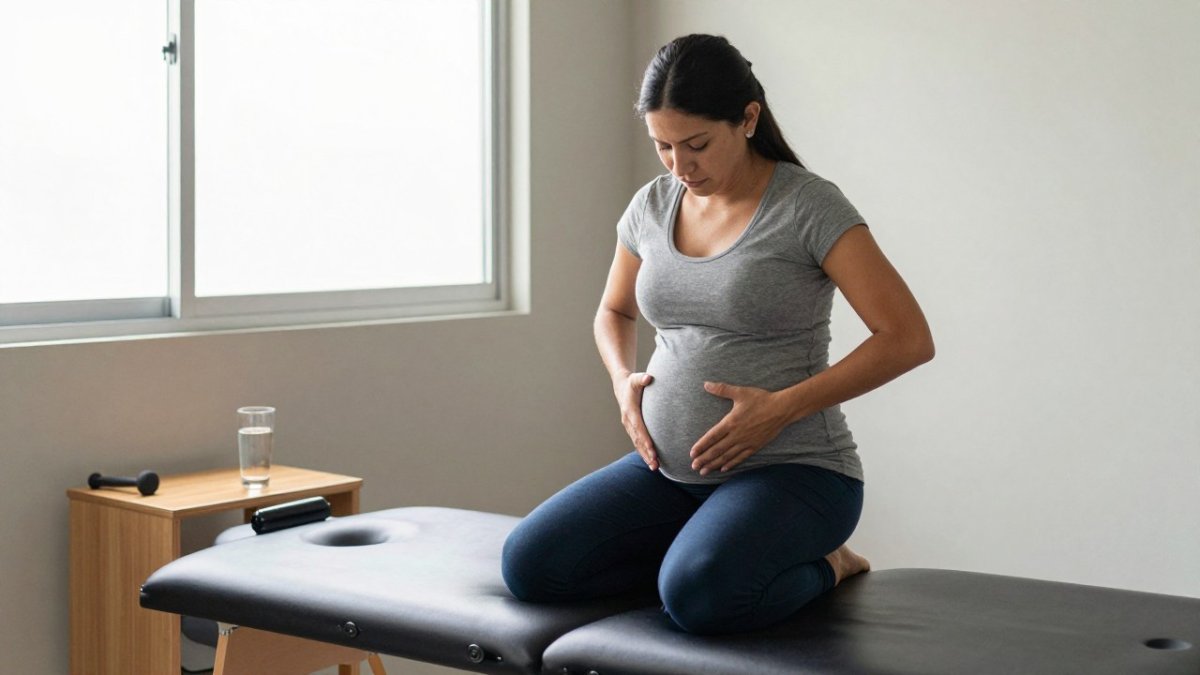
- Any therapy: tell your provider if you are pregnant, since positioning and technique may need to change.
Watch out: the biggest risk is not the therapy itself but a provider who never asks these questions. A careful practitioner will screen you first and tell you plainly if something is not appropriate for your situation. If you are weighing options, our chronic pain management service in San Antonio starts with a conversation, not a sales pitch.
Insurance, Cost, and Access in San Antonio
Coverage for alternative therapies varies widely, and the honest answer is that you need to check your own plan rather than assume. But you can go in knowing the broad rules. Coverage for these therapies depends on the specific plan, including federal programs and Texas plans, and it changes over time.
Before you book, ask three questions: Is this provider in network? Does my plan require a referral? What is my out-of-pocket responsibility per visit? For a fuller breakdown of what insurance typically does and does not cover, read our guide on whether holistic pain management is covered by insurance.
Access is the other half of the equation. Driving across town twice a week can be its own barrier, so look for a clinic near your work or home, and ask about scheduling flexibility before you commit.
Watch out: a provider who promises a fixed number of visits before examining you is a red flag. Legitimate care plans are built after an evaluation, not before.
Frequently Asked Questions
Which alternative therapies have evidence for chronic pain relief?
Research supports several alternative therapies for chronic pain relief, including acupuncture, yoga, tai chi, mindfulness-based stress reduction, and spinal manipulation. A multidisciplinary approach that combines these with conventional care often works best. Evidence varies by condition and individual, so a qualified provider can help you match therapies to your specific pain pattern and health history.
Can acupuncture help with chronic pain?
Acupuncture for chronic pain has been studied extensively, with the strongest evidence for chronic low-back pain, neck pain, and osteoarthritis. Many patients report reduced pain intensity and improved function after a series of sessions. Results vary, and acupuncture works best as part of a broader plan that includes movement, stress reduction, and provider-guided care.
How can I manage chronic pain at home?
Chronic pain management at home starts with gentle daily movement, breathing exercises, consistent sleep, and stress reduction techniques like meditation. Heat and cold therapy, stretching, and ergonomic adjustments to your workspace also help. Keep a symptom log to share with your provider so your care plan can be adjusted based on what actually works for you.
Should I talk to a health care professional before trying an alternative pain therapy?
Yes. Talk to a licensed provider before starting any alternative therapy, especially if you are pregnant, recovering from surgery or an accident, or taking medication. A professional can screen for contraindications, coordinate with your other providers, and help you avoid therapies that could interact with your current treatment. Moore Chiropractic offers a complimentary evaluation to help you decide what fits your situation.