
Table of Contents
- Why People Seek Alternatives to Long-Term Pain Medication
- Chronic Pain Treatment Options Beyond Medication
- Non-Drug Pain Relief Through Chiropractic Care
- Physical Therapy for Chronic Pain Management
- Injection-Based and Neuromodulation Treatments
- Lifestyle Modifications and Behavioral Health
- Building Your Personalized Pain Management Plan
- Frequently Asked Questions
Last Updated: October 6, 2026
Why People Seek Alternatives to Long-Term Pain Medication
Living with chronic pain is exhausting. That’s when they ask what else is out there. (Source: National Institute on Drug Abuse (NIDA) statistics)
The truth is, alternatives to long-term pain management exist.
At Moore Chiropractic, we understand this frustration: patients often seek alternatives after trying medication, wanting something different and wanting their life back.
This guide covers the main options, how each works, who it helps most, and what to expect.
Long-term pain medication isn’t your only path. Physical therapy, chiropractic care, injections, and lifestyle changes can provide lasting relief, sometimes better than drugs alone.
Chronic Pain Treatment Options Beyond Medication
Chronic pain treatment options span far more than prescription pills. They fall into four buckets: hands-on therapies (chiropractic, physical therapy, massage), interventional procedures (injections, nerve blocks, neuromodulation), behavioral and mind-body approaches (CBT for pain, biofeedback, mindfulness-based stress reduction), and lifestyle medicine (movement, sleep, nutrition, weight management).
Most online guides list options without saying which fit which condition. Below is a comparison by pain type, followed by an honest look at the evidence.
Matching Alternatives to Your Pain Condition
| Pain Condition | First-Line Non-Drug Options | Second-Line Options | What Usually Doesn’t Help Alone |
|---|---|---|---|
| Chronic low back pain | Physical therapy, chiropractic care, graded exercise | Epidural steroid injections, CBT for pain | Bed rest, passive modalities only |
| Neck pain (postural) | Chiropractic adjustment, ergonomic correction, PT | Trigger point injections, dry needling | Opioids long-term |
| Knee osteoarthritis | Weight management, quadriceps strengthening, tai chi | Joint injections (steroid or hyaluronic acid), bracing | Chiropractic adjustment of the knee itself |
| Neuropathic pain (diabetic, post-surgical) | Physical therapy, desensitization, CBT | Nerve blocks, spinal cord or peripheral nerve stimulation | Stretching alone |
| Fibromyalgia / widespread pain | Graded exercise, CBT, sleep hygiene, aquatic therapy | Medications (duloxetine, pregabalin), TMS | Localized injections |
| Post-surgical chronic pain | PT, scar mobilization, graded exposure | Nerve blocks, neuromodulation | Aggressive manipulation early on |
This is a starting framework, not a prescription. A licensed clinician should match the plan to your imaging, history, and goals.
What the Evidence Actually Supports
Not every alternative has the same evidence strength. A realistic read:
- Strong evidence: Exercise therapy and cognitive behavioral therapy for chronic low back pain and fibromyalgia. Physical therapy after joint replacement. Weight loss for knee osteoarthritis.
- Moderate evidence: Spinal manipulation for acute and chronic low back pain. Multidisciplinary rehabilitation programs. Mindfulness-based stress reduction for chronic pain.
- Mixed or limited evidence: Some injection types (results vary widely by patient and technique). Neuromodulation works well for specific nerve pain but not widespread pain. Many supplements marketed for pain have weak or inconsistent evidence.
A common pattern in pain medicine: the strongest-evidence treatments are the least glamorous, movement, sleep, behavioral support, and consistency over months, not days.
Realistic Outcomes and Trade-Offs
No alternative erases chronic pain. What to realistically expect:
- Reduced pain intensity, often 20-40% improvement on a 0-10 scale, not zero.
- Better function, the ability to work, sleep, and move more easily, which often matters more than the number itself.
- Fewer flare-ups, longer stretches between bad days.
- Lower medication reliance, sometimes eliminating opioids or muscle relaxants, sometimes just reducing the dose.
Anyone promising a permanent cure is overselling. Chronic pain is managed, not erased.
The most successful chronic pain patients don’t rely on one fix. They combine treatments that address different aspects of pain, mechanical, neurological, and psychological, and they track function, not just pain scores.
Non-Drug Pain Relief Through Chiropractic Care
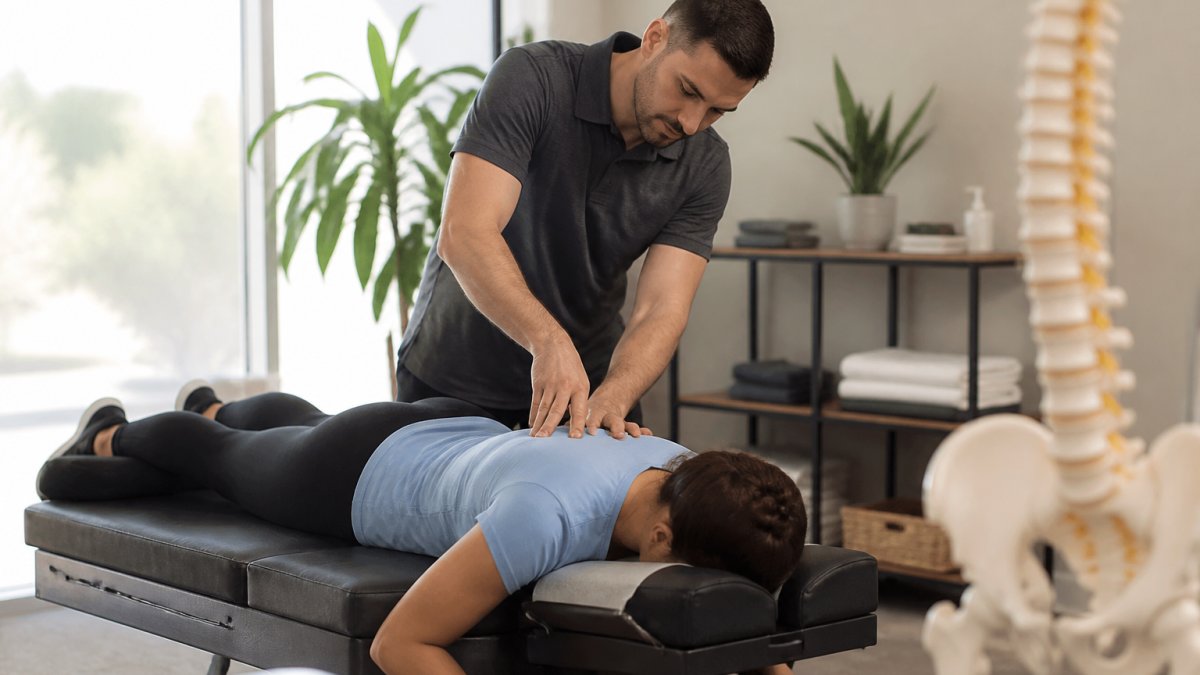
Chiropractic care focuses on alignment and movement.
But chiropractic isn’t just about “cracking” your neck or back.
Chiropractic care for chronic pain works best for:
- Lower back pain from poor posture or muscle tension
- Neck pain from desk work or accidents
- Radiating pain down the arm or leg
- Pain after sports injuries or car accidents
- Stiffness that limits your daily activities
Moore Chiropractic offers personalized care plans, starting with a complimentary evaluation and consultation.
The key difference? Gentle techniques that respect your body’s limits. Careful, targeted adjustments work with your body, not against it.

Physical Therapy for Chronic Pain Management
Physical therapy for chronic pain rebuilds strength and restores movement. Unlike medication, which masks pain, it addresses why the pain exists.
A physical therapist teaches your muscles to stabilize your spine, identifies harmful movement patterns, and reprograms better ones.
The process looks like this:
- Assessment: Identify weak muscles and movement problems
- Exercise prescription: Targeted exercises to rebuild strength
- Progression: Gradually increase difficulty as you improve
- Maintenance: Exercises you do at home to prevent relapse
Physical therapy works especially well for:
- Chronic lower back pain
- Neck pain from muscle weakness
- Pain after surgery or injury
- Arthritis-related stiffness
- Pain that worsens with certain movements
Most people need 4-8 weeks of consistent therapy. Some need longer. The investment pays off because you’re not dependent on ongoing appointments forever.
| Treatment Type | Time to Results | Commitment | Best For |
|---|---|---|---|
| Physical Therapy | 4-8 weeks | 2-3 visits per week | Weakness, stiffness, movement problems |
| Chiropractic Care | 1-4 weeks | 1-3 visits per week | Alignment, nerve pressure, acute pain |
| Injections | 1-2 weeks | 1-4 injections yearly | Localized inflammation, nerve pain |
| Lifestyle Changes | 6-12 weeks | Daily practice | Prevention, long-term management |
Injection-Based and Neuromodulation Treatments
Some pain comes from inflammation in a specific spot. An injection delivers medication directly there, working faster than oral medication and using lower doses.
Injection-based treatments include:
- Epidural steroid injections: Reduce inflammation around the spinal cord
- Joint injections: Target arthritic joints directly
- Nerve blocks: Numb specific nerves causing pain
- Trigger point injections: Release tight muscle knots (Source: guidelines from the Centers for Disease Control and Prevention (CDC))
Results vary: some get weeks of relief, others months, and a few need repeat injections yearly. The advantage? You avoid long-term medication.
These treatments suit people with:
- Localized inflammation
- Nerve pain that doesn’t respond to physical therapy
- Pain in a specific joint or area
- Neuropathy or complex regional pain syndrome
The limitation? They work best for specific, localized pain. Widespread body pain may need a different approach.
Injections aren’t permanent solutions. Plan to combine them with physical therapy or chiropractic care to address the underlying cause. Without that, pain often returns.
Lifestyle Modifications and Behavioral Health
This is where most people stumble. Medication and therapy help, but lifestyle habits determine long-term success.
Chronic pain gets worse with stress, poor sleep, and inactivity. It improves with movement, sleep, and stress management.
Key lifestyle changes that reduce pain:
- Daily movement: 20-30 minutes of gentle activity (walking, swimming, yoga)
- Sleep quality: 7-9 hours nightly; poor sleep amplifies pain signals
- Stress management: Meditation, breathing exercises, or counseling
- Posture awareness: Correct desk setup, phone habits, sleeping position
- Anti-inflammatory eating: Reduce processed foods, increase whole foods
Behavioral health matters too. Chronic pain often comes with depression or anxiety, and addressing the mental side speeds physical recovery.
Physical treatment plus lifestyle change produces the best outcomes.
Building Your Personalized Pain Management Plan
The best pain management plan fits your life, condition, and goals. There’s no universal answer, but there is a repeatable process, including how to reduce reliance on long-term medication safely.
Step 1: Get a Clear Diagnosis
You can’t treat what you haven’t identified. Before adding or removing anything, know what’s driving the pain:
- Mechanical, alignment, joint dysfunction, muscle weakness, disc issues
- Neurological, nerve compression, neuropathy, central sensitization
- Inflammatory, arthritis, autoimmune conditions, post-injury
- Mixed, most chronic pain is a combination of the above
Imaging, a physical exam, and a detailed history are the standard starting point. If a provider recommends treatment without a working diagnosis, ask why.
Step 2: Layer Treatments Strategically
- Layer 1, Root cause: Chiropractic care for alignment and joint mobility; physical therapy for weakness and movement patterns; medical management for inflammatory or neurological drivers.
- Layer 2, Acute relief: Injections, nerve blocks, short-term medication, ice/heat, topical agents. These buy time while Layer 1 takes effect.
- Layer 3, Long-term resilience: Graded exercise, sleep improvement, stress management, CBT for pain, weight management, ergonomic changes.
Skipping Layer 1 is the most common mistake. Injections and medication without addressing the underlying cause usually means the pain returns.
Step 3: Reduce Long-Term Medication Safely
This is the part most guides skip. If you’re on opioids, benzodiazepines, gabapentinoids, or daily NSAIDs and want to reduce or stop, do not quit abruptly. Abrupt discontinuation of opioids or benzodiazepines can cause dangerous withdrawal, including seizures and severe autonomic instability.
A safer path:
- Talk to your prescriber first. Never taper on your own.
- Build the alternative first. Start physical therapy, chiropractic care, or behavioral support before you begin reducing, so you have something replacing the medication’s effect.
- Taper gradually. Prescriber-guided tapers for long-term opioids typically reduce the dose slowly over weeks to months, sometimes longer for patients on high doses for years.
- Track function, not just pain. Sleep hours, steps per day, ability to work, mood. These often improve before the pain score does.
- Plan for flare-ups. Have a written plan for bad days that doesn’t default back to the medication you’re reducing.
- Use non-drug tools during the taper. Heat, movement, breathing exercises, and distraction techniques reduce the withdrawal-amplified pain that often shows up mid-taper.
If you experience severe withdrawal symptoms, worsening depression, or suicidal thoughts during a taper, seek medical care promptly. The 988 Suicide & Crisis Lifeline is available 24/7 by call or text.
Step 4: Track Progress With the Right Measures
Pain intensity alone is a poor scorecard. Track these instead or alongside:
- Function: Can you do the activities you care about? (Use a simple 0-10 scale weekly.)
- Sleep: Hours and quality per night.
- Activity: Daily steps or minutes of movement.
- Mood: Anxiety and depression symptoms.
- Medication use: Dose and frequency, tracked weekly.
Bring this log to appointments. It gives your provider real data to adjust the plan.
Step 5: Ask the Right Questions
When meeting any provider, chiropractor, physical therapist, pain specialist, or primary care, ask:
- What’s causing my pain, and how confident are you in that diagnosis?
- What outcomes are realistic in 4, 8, and 12 weeks?
- Which treatments have the strongest evidence for my specific condition?
- How will we measure whether this is working?
- If I want to reduce my medication, what’s the safest way to do that with your support?
- What are the risks, side effects, and contraindications of each option?
Honest answers matter. A provider who guarantees a cure is overselling. Pain management is a process. Good providers set realistic expectations and adjust the plan when the data says to.
Do not stop opioids, benzodiazepines, or other long-term medications abruptly. Withdrawal can be dangerous. Always taper under a clinician’s supervision.
When to Seek Urgent Care
Some symptoms are not “chronic pain”, they’re emergencies. Seek immediate care for:
- New loss of bowel or bladder control
- Progressive weakness in the legs or arms
- Numbness in the saddle area (inner thighs, groin)
- Severe pain after a fall or accident
- Chest pain, shortness of breath, or pain with fever
- Sudden severe headache or vision changes
These can signal cauda equina syndrome, spinal cord compression, fracture, infection, or another condition that needs prompt evaluation, not a routine pain-management appointment.
Frequently Asked Questions
What are the best alternatives to long-term pain medication?
The most effective alternatives include chiropractic care, physical therapy, targeted injections, and lifestyle modifications. The right choice depends on your condition, pain location, and treatment goals. Many people find success combining multiple approaches, for example, chiropractic adjustments with exercise and stress management. A consultation with a pain specialist can help determine which alternatives suit your specific situation and medical history.
Can chiropractic care for chronic pain reduce my need for medication?
Chiropractic care addresses pain at its source through spinal adjustments and personalized treatment plans, which can help reduce reliance on long-term medication for many patients. By restoring proper spinal alignment and improving mobility, chiropractic treatment may decrease pain intensity and frequency. However, medication reduction should always be discussed with your primary care physician to ensure safe management of your chronic pain.
How long does it take to see results from non-drug pain relief methods?
Timeline varies by treatment type and individual condition. Physical therapy and chiropractic care often show improvement within 2-4 weeks of consistent treatment, though some patients notice relief sooner. Injection-based treatments may provide relief within days to weeks. Lifestyle modifications and behavioral health approaches typically require 4-8 weeks of consistent effort. Your pain specialist can provide a realistic timeline based on your diagnosis and treatment plan.
What should I do if alternatives to long-term pain medication aren’t working?
If initial alternatives aren’t providing adequate relief, consult your healthcare provider to reassess your diagnosis and treatment plan. You may benefit from combining multiple approaches, adjusting your current treatment intensity, or exploring additional options like neuromodulation or specialized injections. Some conditions require a stepped approach where treatments are modified over time. A pain medicine specialist can help identify barriers to progress and refine your strategy.