
A crash can be over in seconds, yet the effects on your body may take hours or even days to show up. Auto injury recovery often starts with an unsettling realization: you walked away from the accident, but now turning your head hurts, your low back feels tight, or a headache will not let up. That does not mean you should simply wait it out. Paying attention early gives you a clearer path toward comfort, mobility, and confidence in your body again.
Why pain can appear after a car accident
Your body reacts quickly during a collision. Even at lower speeds, the force of a sudden stop can move the head, neck, shoulders, spine, hips, and knees beyond their normal range of motion. Muscles may tighten to protect vulnerable areas, while joints and soft tissues can become irritated.
Adrenaline can also mask pain right after an accident. You may feel focused on getting home, exchanging information, or handling vehicle damage, then wake up the next morning with stiffness or soreness. Symptoms such as neck pain, back pain, headaches, shoulder discomfort, dizziness, jaw tension, numbness, tingling, or reduced range of motion deserve attention, especially if they are new after the collision.
Whiplash is one of the better-known accident injuries, but it is not limited to the neck. A rapid force through the body can affect how you move from head to toe. Someone may compensate for pain in one area by moving differently, which can place extra strain on another area over time.
Start auto injury recovery with the right evaluation
The first priority after an accident is safety. Seek emergency care right away for severe or worsening headache, loss of consciousness, confusion, vomiting, chest pain, trouble breathing, weakness, loss of balance, new vision changes, severe abdominal pain, or changes in bladder or bowel control. These symptoms require prompt medical attention.
For non-emergency pain and stiffness, a thorough evaluation can help identify what is limiting your movement and what type of care may be appropriate. A provider should listen to how the accident happened, where you feel symptoms, whether pain travels into an arm or leg, and how the problem affects sleep, work, driving, exercise, and daily routines.
A good evaluation is not about assuming every ache has the same cause. It may include checking posture, joint motion, muscle tension, reflexes, strength, and areas of tenderness. Depending on your symptoms and accident history, imaging or referral to another medical provider may be needed. Personalized care begins with getting a clear picture rather than treating pain as a one-size-fits-all problem.
Document what you notice
It is helpful to keep simple notes during the first several days after a crash. Record when symptoms began, what makes them better or worse, and which activities have become difficult. Note whether headaches, tingling, dizziness, or pain traveling down an arm or leg develop later.
This information can help your care team understand changes in your condition. It can also be useful when communicating with your primary care provider, an insurance carrier, or others involved in the accident claim. Focus on accuracy, not on guessing what a symptom means.
What a personalized recovery plan may include
There is no single timeline for recovery. Your care plan should reflect the type of collision, the areas affected, your health history, and your current ability to move. A person with mild neck stiffness after a low-speed impact may need a different approach than someone managing back pain, radiating symptoms, and a physically demanding job.
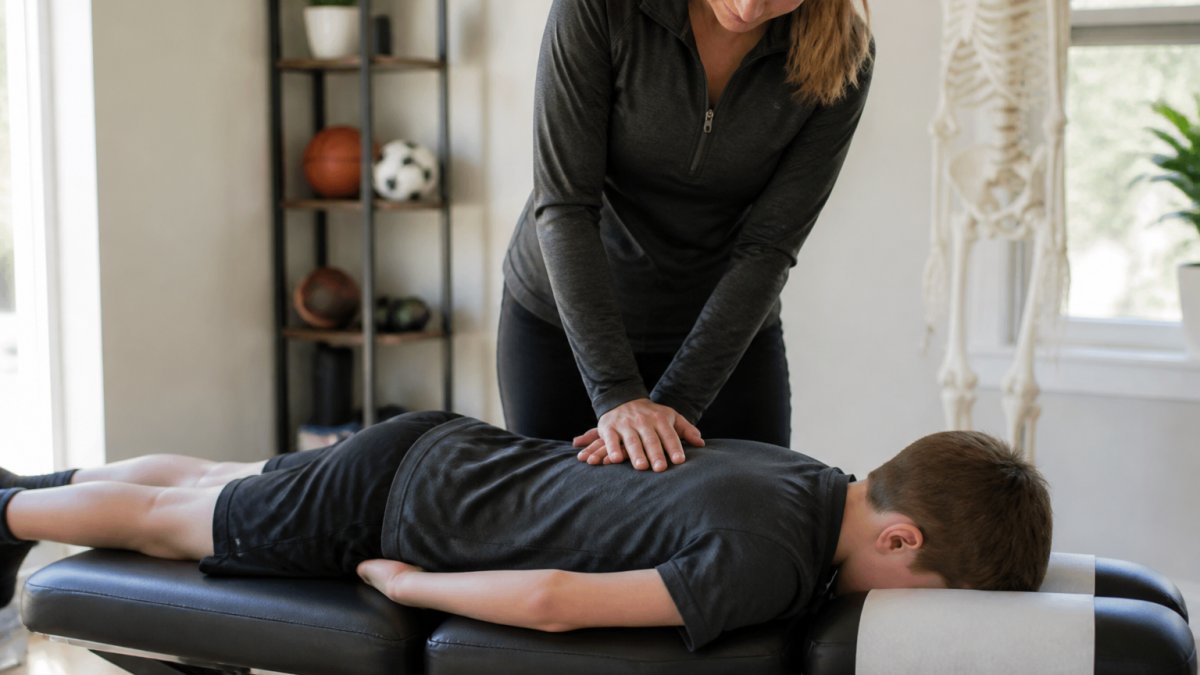
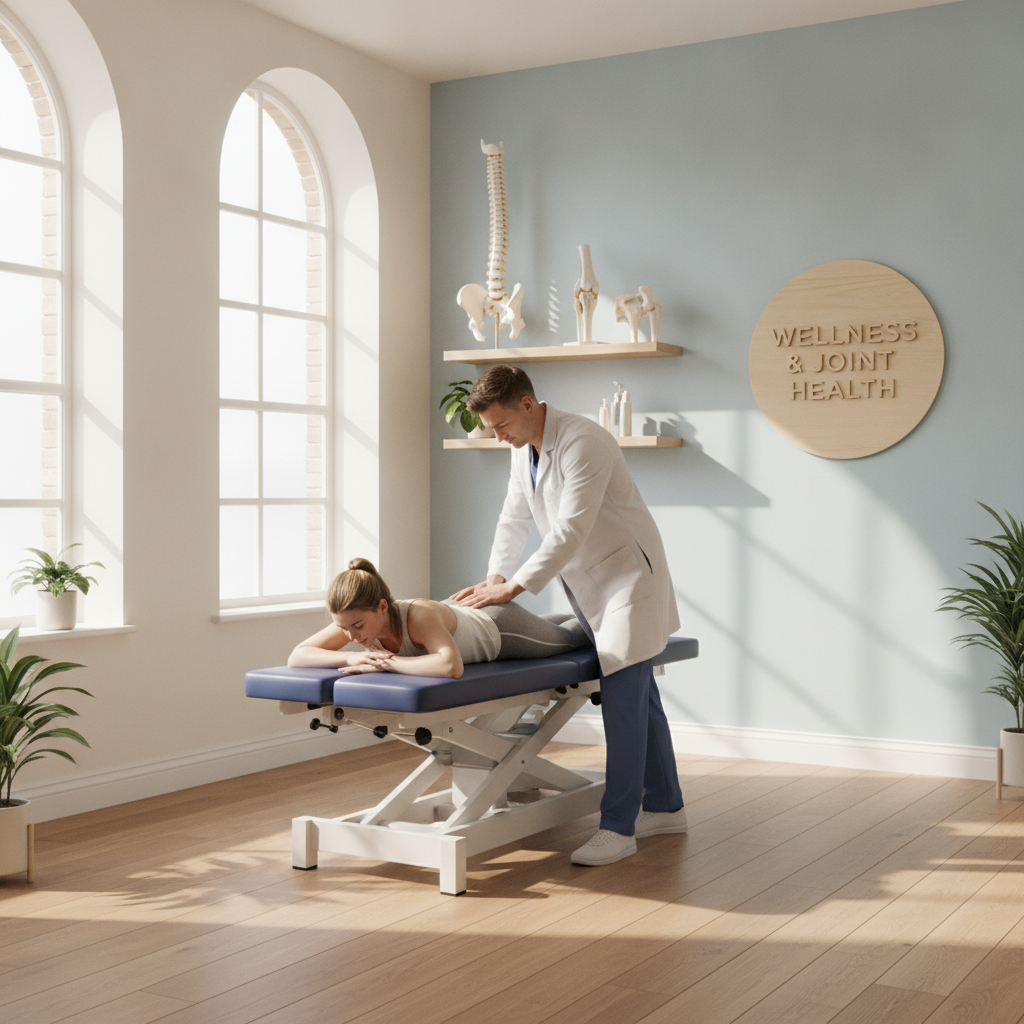
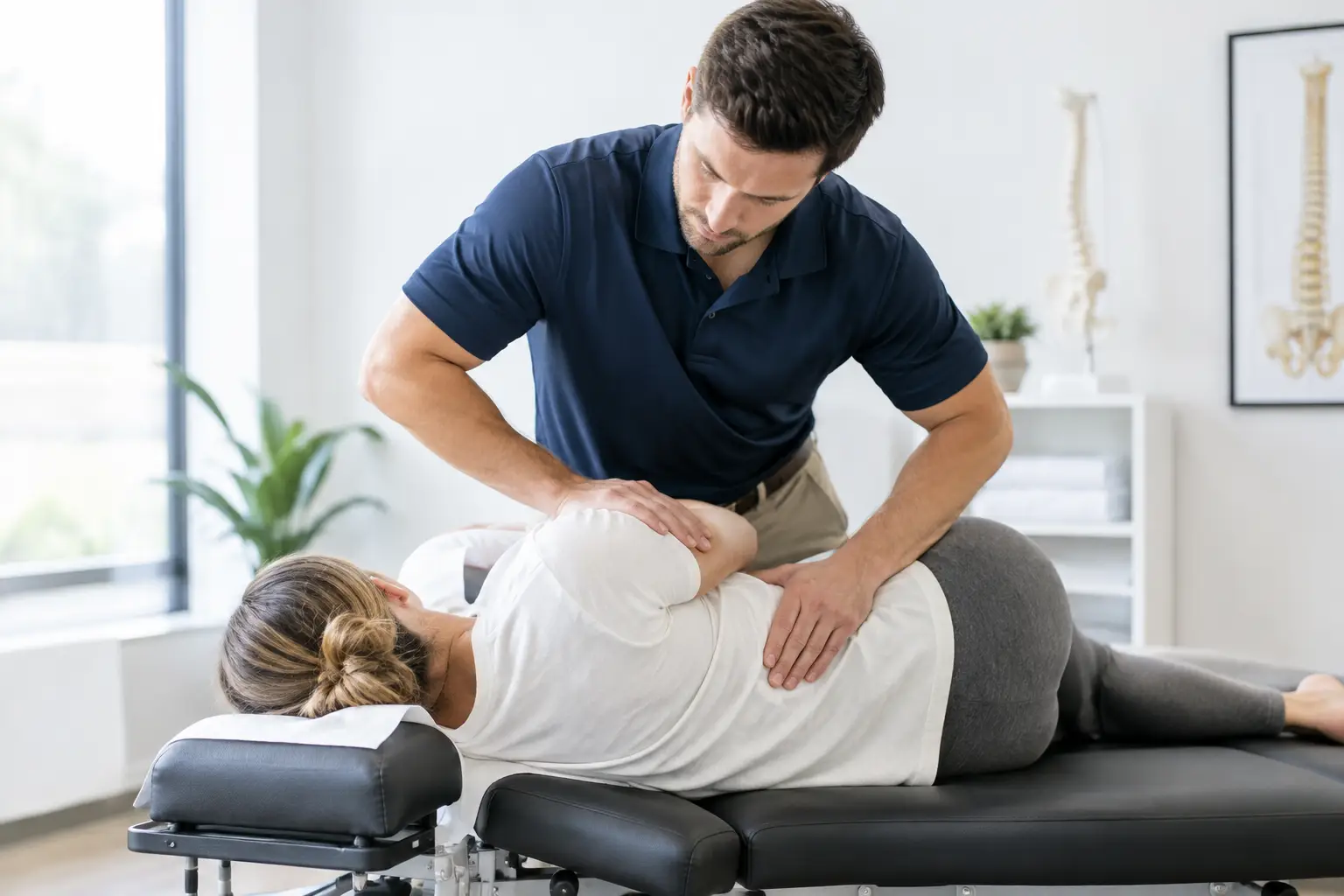
At Moore Chiropractic, care begins by listening carefully and explaining what is being evaluated. For many patients, gentle chiropractic adjustments may be used to improve joint motion and reduce restrictions that contribute to stiffness and discomfort. The goal is not to force movement. It is to help your body move more comfortably and efficiently as healing progresses.
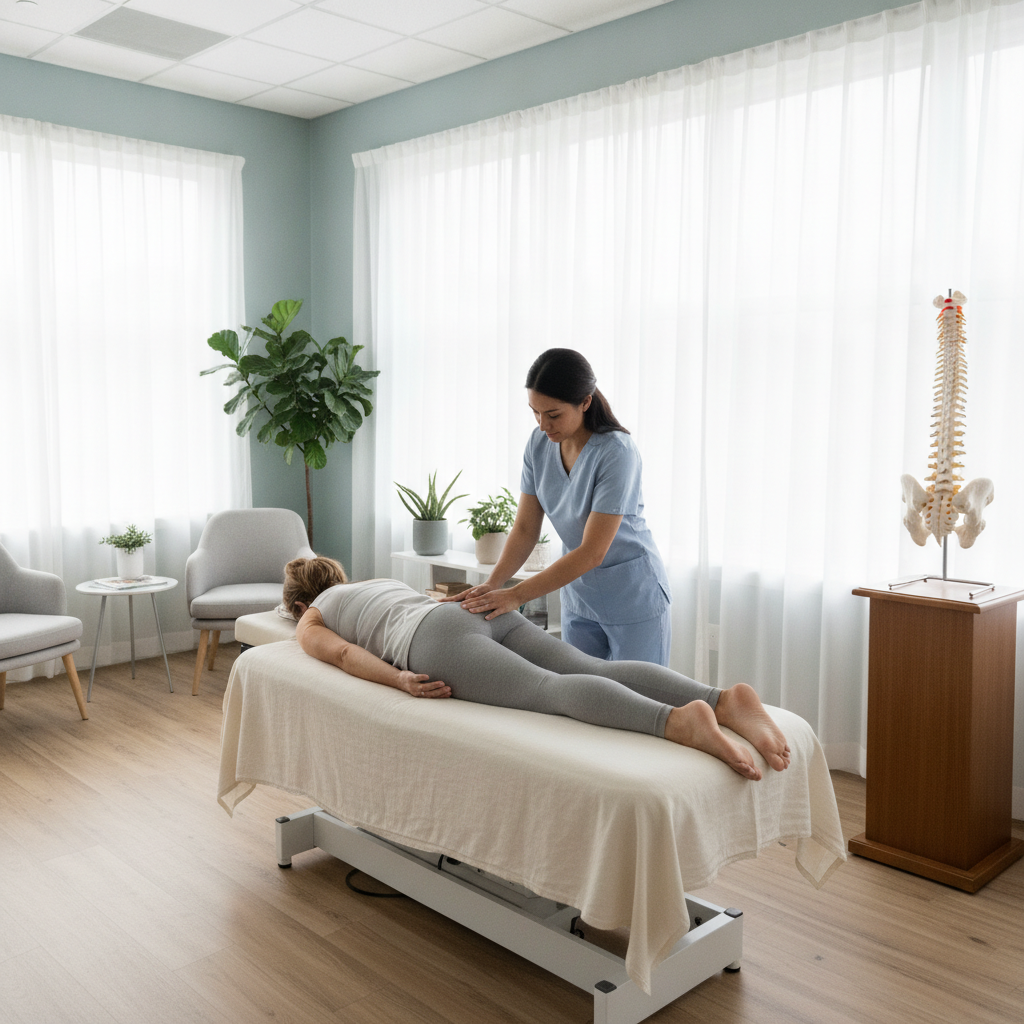
Soft-tissue work, guided mobility exercises, and recommendations for activity modification may also be part of a plan. Laser or red light therapy may be considered in appropriate cases as a supportive option for irritated tissues. Your provider may also coordinate care or make referrals when symptoms point to a need for medical evaluation beyond chiropractic care.
The best plan is one you can realistically follow. That may mean short appointments around your work schedule, a gradual return to exercise, or practical advice for sitting, sleeping, and driving with less strain. Recovery should fit your life while still protecting the injured areas from unnecessary stress.
The balance between rest and movement
After an accident, it is natural to want to stay still until every symptom disappears. Brief rest may be appropriate, particularly in the first day or two, but prolonged inactivity can make muscles tighter and movement more difficult for some people. On the other hand, trying to push through pain with a hard workout, heavy lifting, or a full day of yard work can aggravate an injury.
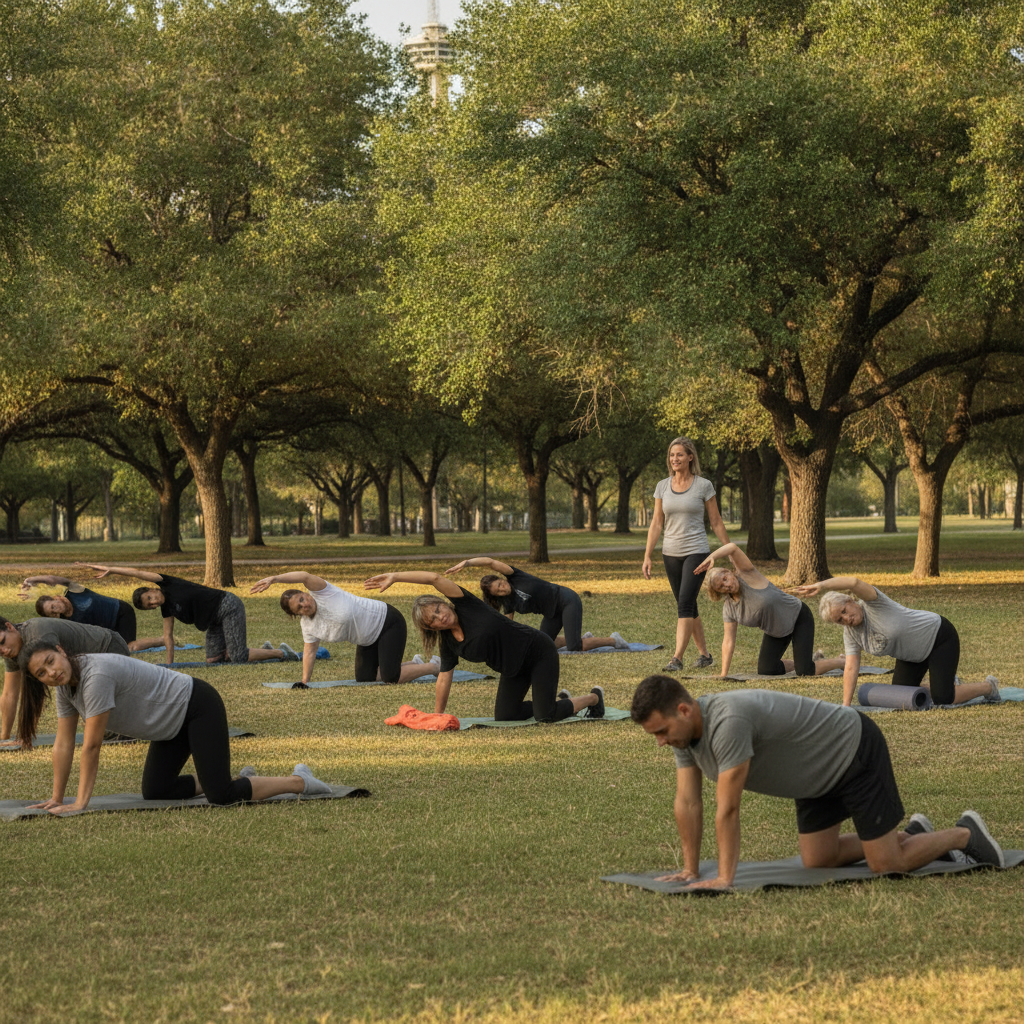
The right answer depends on the injury and your symptoms. Gentle, comfortable movement is often more useful than either extreme. A walk, easy range-of-motion exercises, and frequent changes of position may help prevent stiffness when they are appropriate for you. Your provider can tell you which movements to avoid and when it is safe to resume higher-demand activities.
Pay attention to your response. Mild soreness can happen as you become active again, but sharp pain, increasing numbness, dizziness, or symptoms that spread should not be ignored. Let your care team know so your plan can be adjusted.
Habits that support healing between visits
Treatment matters, but what happens between appointments matters too. Your body needs the basic conditions to recover well: consistent sleep, enough water, regular nourishing meals, and manageable activity. These habits will not replace an evaluation or hands-on care, but they can support the healing process.
Sleeping position is a common challenge after neck or back pain begins. Aim for a position that keeps your spine as neutral as possible, and avoid stacking pillows so high that your neck bends sharply. If sitting at work increases symptoms, take brief movement breaks rather than remaining in one position for hours.
Be careful with pain medication, supplements, or at-home devices. They may have a role for some people, but they are not automatically right for everyone. Ask a qualified health professional about options that fit your medical history, current medications, and injuries.
Recovery is about function, not just pain relief
Pain relief is an important milestone, but it should not be the only marker of progress. You also want to be able to check blind spots while driving, carry groceries, sit through a workday, sleep comfortably, play with your children, or return to training without fear that one wrong move will set you back.
This is where follow-up care can make a difference. As symptoms improve, the focus may shift from calming irritation to restoring strength, mobility, and healthy movement patterns. Skipping that transition because you feel somewhat better can leave underlying stiffness or weakness unaddressed. At the same time, not everyone needs the same number of visits. Progress, examination findings, and your goals should guide the plan.
When to seek help instead of waiting
Do not dismiss persistent discomfort because your vehicle had little visible damage or because you were able to work after the accident. The body does not always follow the same timeline as the car repair. If pain is not improving, if it interferes with normal activities, or if you are worried about a symptom, it is reasonable to be evaluated.
Early care is not about assuming the worst. It is about giving your body a fair chance to heal with clear guidance and the right support. A careful assessment can replace uncertainty with a practical plan for moving forward.
Your next step can be simple: notice what your body is telling you, get the appropriate evaluation, and give recovery the patience it deserves. With attentive care and steady progress, many people can return to the movement and activities that make them feel like themselves.