

Some muscles never seem to let go. You stretch, you massage the spot with a tennis ball, you promise yourself you will sit up straighter, and a few days later the same knot is back under your shoulder blade or along the base of your skull. For many people, that stubborn tightness is not simply a muscle problem. It is a pattern problem, shaped by how you move, how you sit, how you sleep, and how your joints share the workload. If you have been searching for a Chiropractor San Antonio TX residents trust to look at the whole picture, understanding how chronic tightness and trigger points actually develop is the best place to start.
Whether you run a small business and spend ten hours a day hunched over invoices, write code until your forearms burn, or simply carry a lot of stress in your shoulders, the story is often the same. A muscle stays shortened or overworked, the surrounding tissue stiffens, and the body starts compensating in ways that create new problems elsewhere. This guide walks through what trigger points are, why they linger, and how chiropractic strategies can help break the cycle. It also covers what you can do between visits, what to ask at an appointment, and when persistent tightness deserves a closer look.
What Trigger Points Really Are
A trigger point is a small, hypersensitive spot within a taut band of muscle fibers. Pressing on it can feel like pressing a bruise, and it often sends a dull ache or sharp pang to another area. A knot in the upper trapezius, for instance, may refer discomfort up into the temple and behind the eye, which is why some people mistake it for a headache problem. Researchers still debate the exact mechanisms, but clinicians widely describe these spots as areas where muscle fibers stay contracted, circulation is reduced, and local nerve endings become irritated.
Trigger points are generally grouped into two types. Active ones hurt on their own, even at rest. Latent ones stay quiet until pressed or until a muscle is stretched, which means you can carry several without knowing it. Latent points still restrict motion and can quietly weaken the muscle. If you have ever noticed that one shoulder rolls less smoothly than the other, a latent point may be part of the story. Learning to recognize both types helps you describe your symptoms clearly and helps a provider decide where to focus first.
Why Muscle Tightness Becomes Chronic
Short-term soreness after a hard workout fades because the tissue repairs and the body returns to its baseline. Chronic tightness persists because something keeps reloading the muscle. Common culprits include prolonged static postures, repetitive motions, poor sleep, dehydration, emotional stress, and old injuries that changed how you move. When one joint stops moving freely, nearby muscles often tighten to protect it, and that guarding can last long after the original irritation has settled.
Think of it as a feedback loop. A stiff mid-back forces the neck and shoulders to do extra work. Those muscles fatigue, develop trigger points, and pull on the spine in return. If the loop is never interrupted, the body treats the tight posture as normal. This is why people often say the pain keeps coming back no matter how many times they stretch. When you are ready to look at the joints driving that loop, a good starting point is a back pain evaluation, and you can click here to see how a structured assessment of the spine and surrounding muscles works.
How Joint Restriction and Muscle Guarding Work Together
Muscles and joints are not separate systems. Every vertebra has small joints that guide how the spine bends and rotates, and the muscles around them respond to the signals those joints send. When a joint loses some of its normal motion, the nervous system can respond by tightening nearby muscles to limit movement in that area. In the short run this is protective. Over weeks or months, it can leave a muscle stuck in a low-grade contraction that never fully relaxes.
This is where chiropractic care enters the picture. A chiropractor evaluates how each region of the spine and the surrounding joints move, looking for areas that are stiff or moving unevenly. By restoring more normal motion to a restricted joint, the goal is to reduce the signal that keeps the muscle on guard. Many patients describe a sense of release in the surrounding tissue afterward. Results vary from person to person, and tightness that has built up over years rarely resolves in a single visit, but addressing the joint and the muscle together tends to make more sense than chasing the knot alone.
What a First Visit Looks Like for Persistent Tightness
A thorough first visit starts with a conversation, not a table. Expect questions about when the tightness began, what makes it better or worse, how you spend your workday, and whether you have had injuries or accidents. Your answers help distinguish a posture-related pattern from something that needs a different approach. Many people are surprised by how much their daily setup, from monitor height to the way they carry a phone, shapes their symptoms.
After the history, the exam usually includes observing posture, checking range of motion, palpating muscles for tender bands, and testing strength and reflexes where appropriate. If you want a provider who takes that kind of detailed approach, looking at the best chiropractor in San Antonio Texas means asking how much of the first appointment is spent on assessment rather than treatment. You can read more about the best chiropractor in San Antonio Texas and what to expect from an initial evaluation, then decide which questions matter most to you.
Chiropractic Techniques Used for Tight Muscles
Chiropractic care is not one single technique. Providers draw from a toolbox and choose based on your comfort, your history, and what the exam shows. Manual adjustments apply a controlled, quick force to a restricted joint. Gentler options, such as low-force instrument-assisted adjustments or gentle mobilization, move the joint more gradually and suit people who prefer a softer approach. Neither is automatically better. The right choice depends on you.
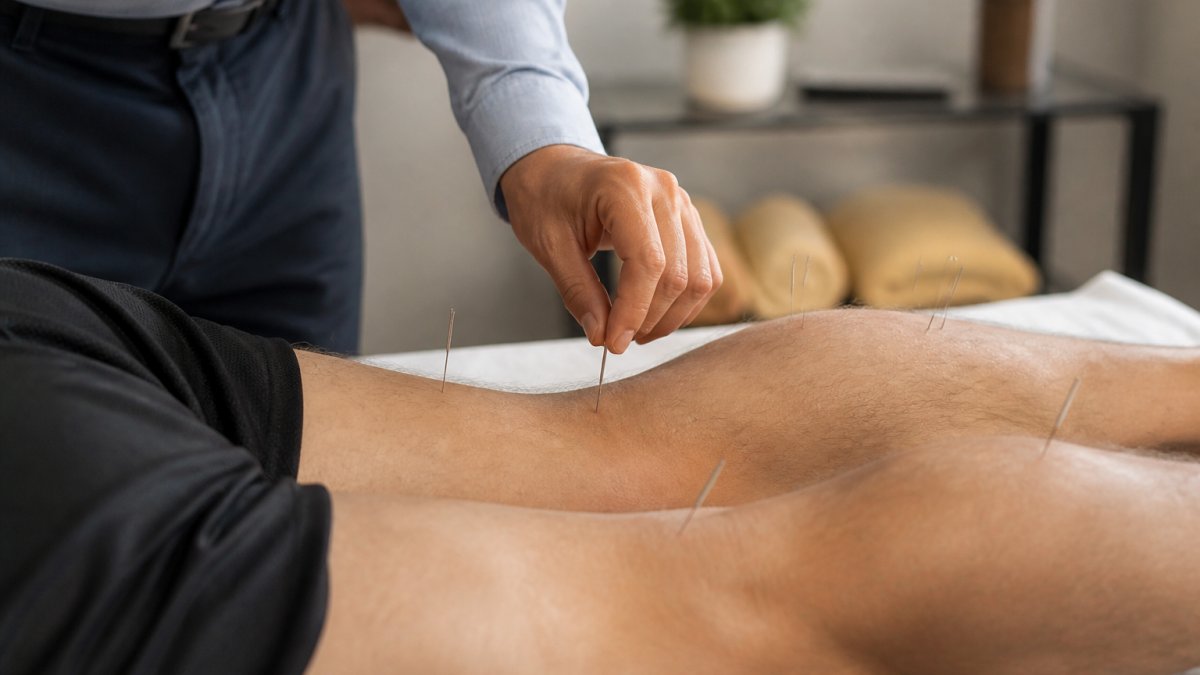
For the muscle side of the equation, many clinicians add soft tissue work. This can include sustained pressure on a trigger point, myofascial release along a tight band, and guided stretching. Some offices also use heat, cold, or electrical stimulation to help the area relax before or after manual care. If you are looking for a Chiropractor in San Antonio, TX, it helps to ask which of these methods the office offers and how they decide between them. Learn about one local option and the services involved at Chiropractor in San Antonio, TX, and bring your questions to the first appointment.
Who Tends to Struggle Most With Chronic Tightness
Certain jobs and habits make tight muscles almost inevitable. Desk workers and developers hold the head forward for hours, loading the neck and upper back. Drivers and delivery workers sit in vibrating seats and twist to reach packages. Tradespeople lift, bend, and reach overhead. Small business owners often combine all of the above with long days and little recovery time. Even people with active lifestyles can develop tightness if they repeat the same movement pattern without balance.
Physical demands in this region vary widely, and the strain tends to follow the work. If your job involves heavy lifting or repetitive motion, it is worth reading about Why Local Workers in San Antonio Seek Chiropractic Help for Physical Demands to see how others handle the toll. Recognizing your own risk pattern is useful because it points to the habits worth changing. Two people with similar pain may need very different strategies depending on whether their tightness comes from sitting, lifting, or driving.
When Old Injuries Keep Muscles on Edge
Sometimes the tightness you feel today has roots in something that happened years ago. A car accident, a fall, or a sports injury can change how you carry yourself, and the body may continue protecting the area long after the pain subsides. Neck and upper back muscles are especially vulnerable after sudden jolts, because the head moves quickly relative to the torso and the soft tissues absorb the strain.
People often assume that once the acute pain is gone, the injury has healed completely. In reality, residual stiffness and trigger points can linger for months. If you are dealing with this kind of pattern, it can help to understand How Chiropractic Care Can Support Recovery After Whiplash Without Surgery, since the same principles of restoring motion and calming irritated tissue apply to many lingering post-injury complaints. Always mention past injuries during your history, even ones that seem unrelated, because they help explain why certain muscles refuse to relax.
Comparing Common Approaches to Muscle Tightness
There is no single right path for everyone, and many people combine approaches. The table below offers a general comparison of options people commonly use for stubborn muscle tightness. It is meant as a starting point for discussion with a qualified provider, not as a prescription.
| Approach | Main Focus | Best Suited For |
|---|---|---|
| Joint adjustment | Restoring motion in restricted spinal joints | Tightness tied to stiffness or posture patterns |
| Soft tissue and trigger point work | Releasing taut bands and tender spots | Localized knots and referred discomfort |
| Guided stretching and exercise | Building flexibility and balanced strength | Long-term habit change and prevention |
| Heat or cold therapy | Short-term comfort and relaxation | Easing symptoms between visits |
| Workstation and habit changes | Reducing the daily load that causes tightness | Desk workers, drivers, and repetitive tasks |
Simple Habits That Support Your Treatment Between Visits
What you do between appointments often matters as much as what happens in the office. Small, consistent habits keep muscles from slipping back into old patterns. Consider building a short routine around the following ideas:
- Change positions every 30 to 45 minutes instead of holding one posture for hours.
- Take brief movement breaks, even a one-minute walk or a few gentle shoulder rolls.
- Raise your monitor so the top of the screen sits near eye level.
- Drink water regularly, since dehydrated tissue tends to feel stiffer.
- Use gentle heat before stretching and avoid forcing a stretch into sharp pain.
Self-massage with a ball or foam roller can help, but go easy. Pressing too hard on a sensitive point can irritate it further. A good rule is to aim for a discomfort level that feels productive rather than painful, and to hold pressure for short periods. If a spot does not ease after a few days of gentle effort, mention it at your next visit.
Warning Signs That Call for a Closer Look
Most muscle tightness is benign, but some symptoms deserve prompt attention. Numbness or tingling that travels down an arm or leg, weakness in the hands or feet, pain that wakes you at night and does not change with position, unexplained weight loss, fever alongside back pain, or changes in bladder or bowel control all warrant medical evaluation rather than waiting it out. Sudden severe headaches or chest pain should be treated as emergencies.
A responsible chiropractor screens for these red flags during the history and exam and will refer you to another provider when something falls outside their scope. That willingness to refer is a good sign, not a bad one. It shows the provider is focused on your health rather than keeping you in the chair. If your tightness has lasted longer than a few weeks, keeps worsening, or interferes with sleep and work, it is reasonable to have it assessed instead of assuming it will resolve on its own.
Setting Realistic Expectations for Relief
Chronic patterns take time to change. Some people notice easier movement after a few visits, while others need a longer period of consistent care combined with changes at home and work. Progress is rarely a straight line. You may have good days followed by a flare, especially during stressful weeks, and that does not mean the approach is failing. Tracking your symptoms in a simple notebook, noting what you did and how you felt, can reveal patterns that guide adjustments.
It also helps to talk openly about goals. Are you aiming to sit through a workday without pain, to sleep better, to return to a favorite activity, or to prevent a recurring problem? Clear goals let your provider tailor the plan and let you both judge whether it is working. Be wary of any promise of a guaranteed cure. Honest care acknowledges that bodies differ, and that the best results usually come from steady effort over time.
Your Next Steps
Chronic muscle tightness and trigger points are rarely random. They usually reflect a combination of joint restriction, repeated strain, stress, and daily habits that keep a muscle working harder than it should. The encouraging part is that this pattern can be interrupted. By looking at how your spine and muscles move together, addressing the joints that are not moving well, calming irritated tissue, and adjusting the habits that reload the same areas, many people find lasting improvement in comfort and mobility.
If you are ready to take action, start small. Notice which postures and tasks bring your symptoms on, add a few movement breaks to your day, and write down the questions you want answered. When you meet with a provider, share your full history, ask how they decide between techniques, and make sure the plan includes both in-office care and things you can do on your own. Pay attention to the warning signs described above and do not delay care if any of them apply to you.
Whether you are a business owner juggling a packed schedule, a developer who lives at a keyboard, or simply someone tired of the same stubborn knot, you do not have to accept constant tightness as normal. With patience, the right guidance, and consistent habits, relief becomes a realistic goal rather than a distant hope.