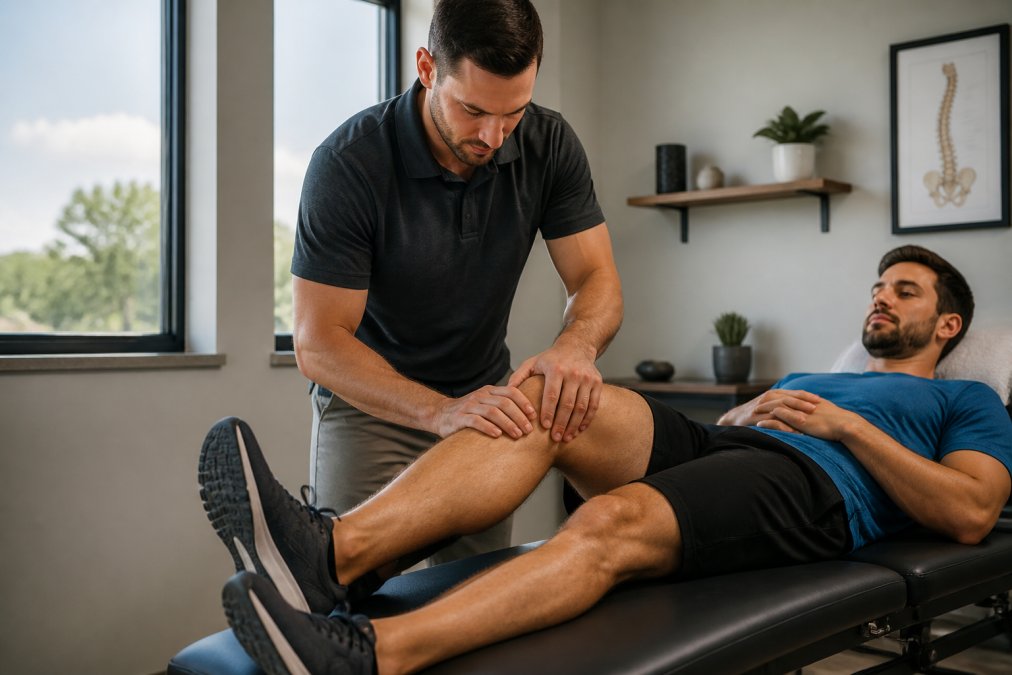
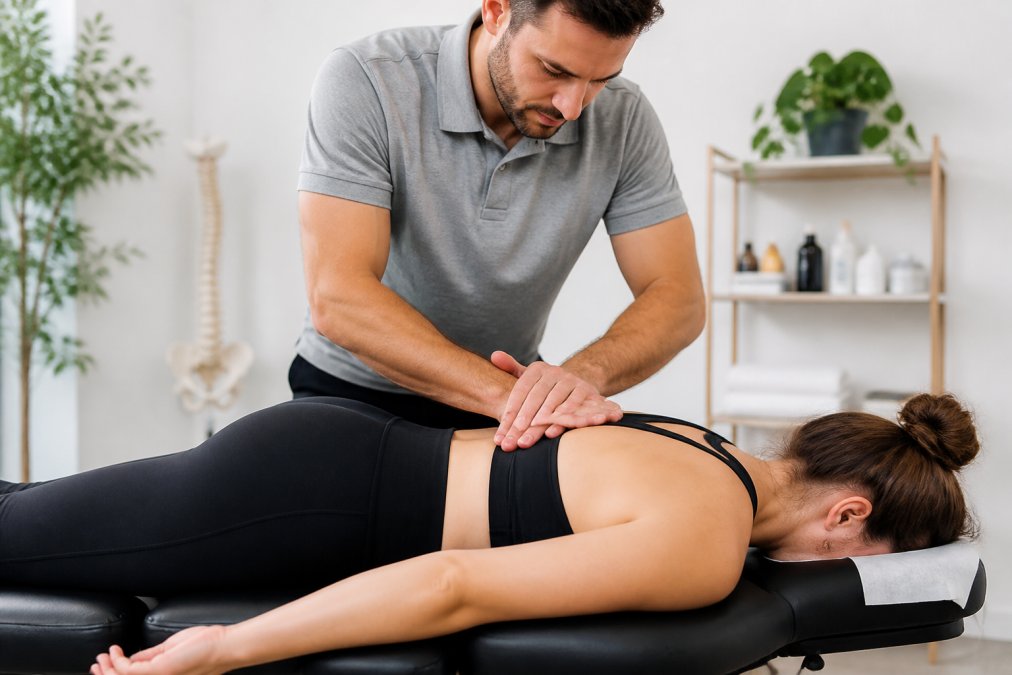
Table of Contents
- Understanding Soft Tissue Injuries and How Chiropractic Care Helps
- When to See a Chiropractor for Soft Tissue Pain
- Chiropractic Soft Tissue Mobilization Techniques Explained
- Recovery Time for Soft Tissue Injury: What to Expect
- Post-Treatment Home Care and Recovery Protocols
- Common Mistakes to Avoid During Soft Tissue Recovery
- Chiropractic Treatment for Soft Tissue Injury: Your Next Steps
Last Updated: August 29, 2026
Understanding Soft Tissue Injuries and How Chiropractic Care Helps
Soft tissue injuries affect the muscles, ligaments, and tendons that support your spine and joints. When these structures become inflamed, torn, or strained, they trigger pain, reduced mobility, and dysfunction that can linger for weeks or months without proper treatment. Chiropractic treatment addresses the root cause rather than masking symptoms with pain medication alone.
At Moore Chiropractic in San Antonio, we see soft tissue injuries across all activity levels, from desk workers with repetitive strain to athletes recovering from sports-related trauma. The musculoskeletal system is interconnected, meaning an injury in one area often creates compensation patterns elsewhere. A strained shoulder, for example, can force your neck and upper back to work harder, compounding the original problem.
Soft tissue injuries don’t always show up on X-rays the way bone fractures do. Ligament damage, muscle tears, and adhesions (scar tissue buildup) require hands-on assessment to identify. Targeted chiropractic soft tissue mobilization breaks up adhesions, improves circulation, and restores normal tissue elasticity rather than waiting for inflammation to subside on its own. Recovery depends on injury type and severity, with acute injuries typically responding faster than chronic pain developed over months or years.
When to See a Chiropractor for Soft Tissue Pain
You should consider seeing a chiropractor when discomfort persists beyond a few days, limits your daily activities, or follows a clear injury event. Early intervention, ideally within the first week, prevents adhesion formation and abnormal movement compensation that complicates recovery.
Common scenarios that warrant a visit include:
- Acute injuries from sports, falls, or motor vehicle accidents with immediate pain or swelling within hours
- Repetitive strain from desk work, lifting, or overhead activities creating gradual onset pain
- Whiplash from rear-end collisions, even if symptoms appear delayed
- Post-surgical stiffness after orthopedic procedures requiring rehabilitation beyond standard physical therapy
- Chronic muscle tension in the neck, shoulders, or lower back unresponsive to rest or over-the-counter anti-inflammatory medication
A thorough hands-on examination can identify soft tissue dysfunction, muscle imbalances, and range-of-motion restrictions that imaging might miss. If imaging is needed to rule out fractures or serious structural damage, your chiropractor will recommend it during consultation.
Chiropractic Soft Tissue Mobilization Techniques Explained
Chiropractic soft tissue mobilization techniques are hands-on methods designed to break up adhesions, improve circulation, and restore normal tissue function. Unlike general massage, mobilization is therapeutic and targeted toward specific injury sites and dysfunction patterns.
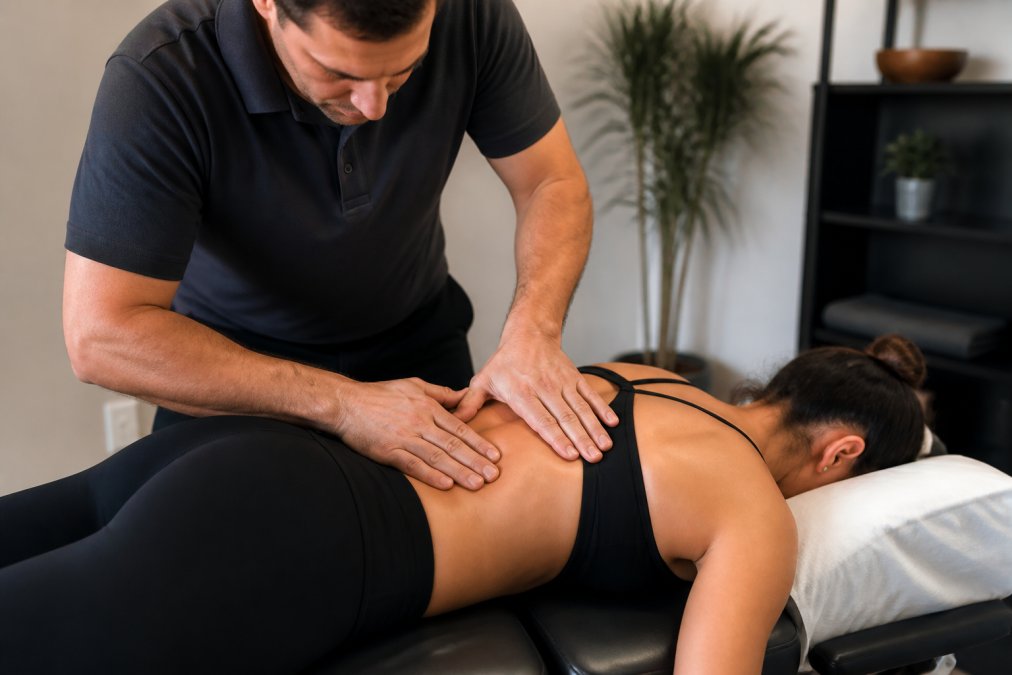
When muscles, ligaments, or tendons sustain damage, inflammation sets in as the body’s protective response. If that inflammation persists or tissue isn’t moved properly during recovery, collagen deposits form haphazardly, creating adhesions that restrict motion and cause pain. Mobilization techniques break these adhesions by applying controlled pressure and movement, stimulating blood flow and encouraging the body to remodel tissue in a functional way.
Instrument-Assisted Soft Tissue Mobilization (IASTM)
Instrument-assisted soft tissue mobilization uses specialized metal tools to apply precise pressure to injured tissue, allowing deeper penetration into muscle and connective tissue while reducing trauma to surrounding healthy tissue. IASTM works by creating controlled microtrauma to the adhesion site, prompting the body to remodel scar tissue into functional muscle.
Sessions typically last 10-15 minutes per area treated. You may experience temporary redness or mild soreness afterward, similar to post-workout soreness, which resolves within hours. Many patients schedule IASTM sessions 2-3 times per week during the acute phase, then transition to maintenance care.
Myofascial Release and Therapeutic Massage
Myofascial release targets the fascia, the connective tissue surrounding muscles, nerves, and organs. When fascia becomes tight or restricted, it limits movement and can trap nerves, creating pain with no obvious source. Therapeutic massage combined with myofascial release restores elasticity and reduces neuromuscular tension that perpetuates pain cycles.
Therapeutic techniques apply sustained pressure to trigger points and restricted areas, holding for 30-90 seconds to allow tissue to relax and release. This is more intense than relaxation massage but produces lasting improvements in mobility and pain reduction.
Spinal Adjustments and Joint Alignment
Spinal adjustments restore proper alignment to vertebrae and joints, essential for soft tissue healing. When vertebrae shift out of alignment, they alter biomechanics of surrounding muscles and ligaments, which compensate by tightening and creating muscle imbalances. Adjustments realign the spine and improve joint function, allowing soft tissue to relax and heal properly.
Modern chiropractic adjustments are precise and controlled. Moore Chiropractic specializes in personalized care plans that match each patient’s comfort level and injury severity.
Recovery Time for Soft Tissue Injury: What to Expect
Recovery timelines vary depending on injury type, severity, and how quickly you seek treatment. Acute muscle strains typically resolve in 2-6 weeks with proper care. Ligament sprains take longer, usually 4-12 weeks, because ligaments have less blood supply than muscle. Chronic soft tissue injuries may require 8-16 weeks of consistent chiropractic care.
Several factors influence your personal recovery timeline:
- Injury severity: Minor strains heal faster than complete tears
- Age and overall health: Younger, healthier individuals typically recover faster
- Compliance with home care: Patients who follow stretching and activity modifications heal more quickly
- Pre-existing conditions: Arthritis or previous injuries can extend recovery
- Treatment timing: Early intervention dramatically shortens recovery compared to delayed care
Most patients notice improvements within the first 2-3 visits with decreased pain and increased range of motion. However, initial improvement doesn’t mean the injury is fully healed. Tissue remodeling continues for weeks after symptoms resolve, making completion of the full recommended treatment plan essential.
A typical acute soft tissue injury treatment plan involves 2-3 visits per week for 4-6 weeks, then tapering to maintenance care. Your chiropractor will adjust this based on your progress.
Post-Treatment Home Care and Recovery Protocols
What you do between chiropractic visits determines healing speed. Post-treatment home care reinforces in-office work and prevents re-injury.

Immediately after treatment, apply ice for 15-20 minutes if there’s swelling or acute inflammation. Heat can be used after 48 hours to relax muscles and improve circulation.
Stretching protocols should be gentle and consistent. Static stretches held for 30 seconds, repeated 3-4 times per muscle group, work better than bouncing or aggressive stretching. Perform stretches 2-3 times daily. (Source: American Chiropractic Association (ACA) highlights the benefits of chiropractic care for musculoskeletal conditions)
Activity modification is critical during recovery. Avoid activities that aggravate your injury while maintaining gentle, pain-free movement. If desk work triggered your injury, adjust ergonomics: monitor at eye level, elbows at 90 degrees, feet flat on the floor.
Sleep position matters for soft tissue recovery. For neck or upper back pain, use a pillow supporting the natural cervical spine curve. For lower back pain, sleep on your side with a pillow between your knees. Avoid sleeping on your stomach.
Hydration and nutrition support tissue healing. Collagen synthesis requires adequate protein and vitamin C. Staying hydrated improves circulation, delivering nutrients to injured tissue and removing inflammatory byproducts.
Common Mistakes to Avoid During Soft Tissue Recovery
Returning to activity too quickly is the most common mistake. Pain reduction doesn’t equal tissue healing. Tissue remodeling continues for weeks after symptoms resolve. Gradual return to activity, increasing intensity by 10% per week, prevents setbacks.
Ignoring posture and ergonomics perpetuates the dysfunction that caused the injury. Monitor your posture throughout the day, take frequent breaks, and adjust your workspace to support neutral spine alignment.
Skipping stretching and home exercises between visits removes reinforcement that accelerates healing. Doing them consistently, even for just 10 minutes daily, dramatically improves outcomes.
Using heat too early can increase inflammation in acute injuries. The first 48 hours require ice to reduce swelling. After 48 hours, heat becomes beneficial for muscle relaxation and circulation.
Over-relying on anti-inflammatory medication masks pain while inflammation is necessary for healing. Work with your chiropractor to manage pain through mobilization, ice, and activity modification instead.
Ignoring referred pain patterns means you might be treating the wrong area. Pain felt in your shoulder might originate from your cervical spine. A thorough assessment identifies the true source.
Chiropractic Treatment for Soft Tissue Injury: Your Next Steps
Taking action today prevents your soft tissue injury from becoming chronic. Acute injuries respond dramatically faster to treatment than injuries persisting for months.
Your first step is scheduling a consultation with a qualified chiropractor experienced in treating soft tissue injuries. Expect a thorough examination including range of motion testing, palpation of affected tissues, and potentially imaging if needed to rule out serious structural damage.
Moore Chiropractic offers a complimentary evaluation and consultation for new patients in San Antonio. This initial visit allows you to discuss your injury history, understand what’s causing your pain, and learn whether chiropractic soft tissue mobilization is right for you. Our team specializes in personalized care plans addressing not just your current injury but also underlying biomechanical issues that contributed to it.
During your first treatment, your chiropractor will explain what they’re doing, why it’s necessary, and what you should expect during recovery. You should feel comfortable asking questions and expressing concerns about any technique.
Soft tissue injuries don’t heal on their own, and hoping they’ll resolve wastes valuable time during the critical early healing window. Moore Chiropractic provides personalized, gentle chiropractic care to restore mobility, reduce pain, and prevent chronic dysfunction. Our expert team addresses soft tissue injuries through targeted mobilization, spinal alignment, and comprehensive home care guidance designed to help you regain peak physical performance. Schedule your complimentary evaluation with Moore Chiropractic today and discover how specialized soft tissue treatment can accelerate your recovery and restore your quality of life.
| Technique | Best For | Recovery Signal | Frequency |
|---|---|---|---|
| Instrument-Assisted Soft Tissue Mobilization (IASTM) | Adhesions and scar tissue buildup | Improved range of motion within 2-3 sessions | 2-3 times per week |
| Myofascial Release | Chronic muscle tension and fascia restriction | Reduced muscle guarding and pain | 1-2 times per week |
| Therapeutic Massage | Muscle relaxation and circulation improvement | Decreased muscle soreness and improved flexibility | 1-2 times per week |
| Spinal Adjustments | Joint misalignment and biomechanical dysfunction | Restored mobility and reduced compensation patterns | 2-3 times per week initially |
| Home Stretching Protocols | Maintaining gains between visits | Progressive increase in range of motion | Daily, 10-15 minutes |
| Recovery Phase | Typical Duration | Treatment Frequency | Activity Level |
|---|---|---|---|
| Acute Inflammation | Days 1-5 | 2-3 visits per week | Rest with gentle movement |
| Active Healing | Weeks 2-4 | 2 visits per week | Gradual activity increase |
| Tissue Remodeling | Weeks 5-8 | 1-2 visits per week | Return to normal activity |
| Maintenance | Weeks 9+ | Monthly or as needed | Full activity with prevention focus |
Start your recovery within the first week of injury. Early intervention prevents adhesion formation and reduces your total recovery time by 50% compared to delayed treatment.
Returning to full activity before tissue has remodeled is the most common cause of re-injury. Pain reduction doesn’t equal healing completion. Continue home care protocols for at least 2-4 weeks after symptoms resolve.
Chiropractic treatment for soft tissue injury combines hands-on mobilization, spinal alignment, and home care protocols to address the root cause of pain rather than masking symptoms with medication alone.
American Chiropractic Association guidelines on soft tissue injury management
National Institutes of Health research on tissue healing and inflammation
Spine Journal peer-reviewed studies on instrument-assisted soft tissue mobilization effectiveness
Frequently Asked Questions
Can a chiropractor help with soft tissue damage?
Yes. Chiropractors use multiple approaches to address soft tissue damage, including spinal adjustments to improve joint alignment, myofascial release to reduce muscle tension, and instrument-assisted soft tissue mobilization to break down scar tissue and adhesions. These techniques work together to reduce inflammation, improve circulation, and restore range of motion. A complimentary evaluation can determine if chiropractic treatment is appropriate for your specific injury.
What is the fastest way to heal a soft tissue injury?
Recovery depends on injury severity, but combining professional chiropractic care with consistent home care accelerates healing. Early intervention, within days of injury, helps prevent chronic inflammation and tissue degeneration. Follow your chiropractor's stretching protocols, apply ice or heat as directed, and avoid re-injury during recovery. Most acute soft tissue injuries show improvement within 2-6 weeks with proper treatment, though complete healing may take longer.
How does recovery time differ for soft tissue injuries in different body areas?
Recovery varies by location and severity. Neck and shoulder injuries often heal in 2-4 weeks, while lower back strains may take 4-8 weeks or longer due to constant movement demands. Ligament damage typically requires 6-12 weeks. Athletes and active individuals may experience faster recovery with consistent chiropractic care and rehabilitation exercises, while desk workers may need longer if postural issues contributed to the injury.
What should I do at home to support chiropractic treatment for soft tissue injury?
Follow your chiropractor's prescribed stretching and strengthening exercises daily. Apply ice during the first 48 hours to reduce inflammation, then switch to heat to improve circulation. Maintain proper posture while sitting and standing to avoid re-injury. Avoid heavy lifting and repetitive movements that stress the injured area. Stay hydrated and get adequate sleep to support tissue healing. Consistency with home care protocols directly impacts recovery speed and long-term outcomes.
This article was written using GrandRanker