Table of Contents
- Chiropractic vs Physical Therapy for Back Pain: A Side-by-Side Comparison
- What Is Chiropractic Care and How Does It Work?
- What Is Physical Therapy and What Does Treatment Involve?
- Key Differences in Treatment Methods and Philosophy
- How Long Does Physical Therapy Take for Back Pain, and How Does Chiropractic Compare?
- Insurance Coverage and Out-of-Pocket Costs: Chiropractic vs Physical Therapy
- When to Choose Chiropractic vs Physical Therapy for Back Pain
- Conclusion
Last Updated: August 3, 2026
Choosing between chiropractic vs physical therapy for back pain is one of the most common questions patients bring to our clinic. At Moore Chiropractic in San Antonio, we hear it weekly: "Which one is actually going to help me?" Both are legitimate, evidence-based, conservative treatments for musculoskeletal conditions, but they work through different mechanisms and suit different clinical situations. Below, we’ll walk you through exactly how each approach works, where each one wins, and how to match your specific symptoms to the right starting point.
Chiropractic care and physical therapy are not competing philosophies. They address overlapping problems from different angles, and for many patients, the most effective treatment plan eventually involves both.
Chiropractic vs Physical Therapy for Back Pain: A Side-by-Side Comparison
Chiropractic care is a healthcare discipline focused on diagnosing and treating musculoskeletal disorders, primarily through manual manipulation of the spine and joints, with the goal of restoring alignment, reducing nerve irritation, and improving functional mobility. Physical therapy is a licensed healthcare profession that uses therapeutic exercise, neuromuscular re-education, and soft tissue therapy to restore physical function, reduce pain intensity, and prevent re-injury.
Both are classified as conservative treatment options, meaning they aim to resolve pain without surgery or prescription medication. According to the American Chiropractic Association’s clinical resources, spinal manipulation is among the most widely used conservative treatments for acute low back pain in the United States.
| Feature | Chiropractic Care | Physical Therapy |
|---|---|---|
| Primary method | Spinal manipulation, joint mobilization | Therapeutic exercise, neuromuscular re-education |
| Core focus | Vertebral alignment, nerve irritation | Strength, range of motion, functional mobility |
| Best for | Acute low back pain, joint restriction, alignment issues | Chronic pain management, post-surgical rehab, weakness |
| Session style | Hands-on adjustments, typically shorter visits | Active exercise with guided instruction |
| Typical visit frequency | Multiple times per week initially | 2-3 times per week over several weeks |
| Insurance coverage | Often covered; varies by plan | Widely covered; often requires referral |
| Preventative care | Yes, maintenance visits common | Yes, home exercise programs |
| Root cause focus | Vertebral subluxation, joint mechanics | Biomechanics, muscle imbalance, posture |
The right choice depends heavily on your diagnosis, your recovery timeline goals, and your clinical history.
What Is Chiropractic Care and How Does It Work?
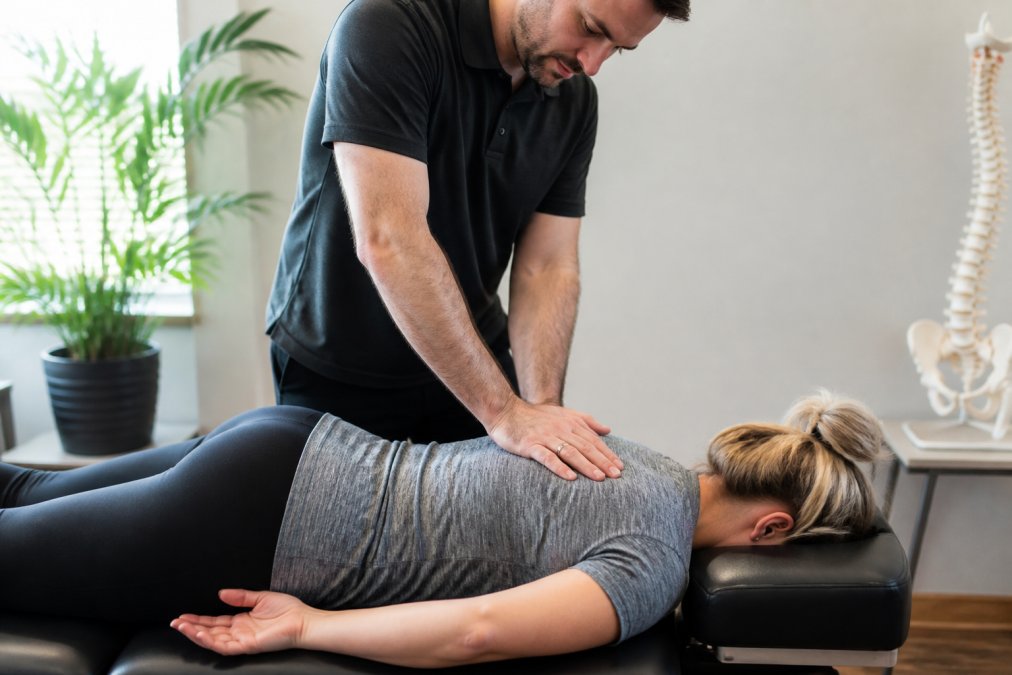
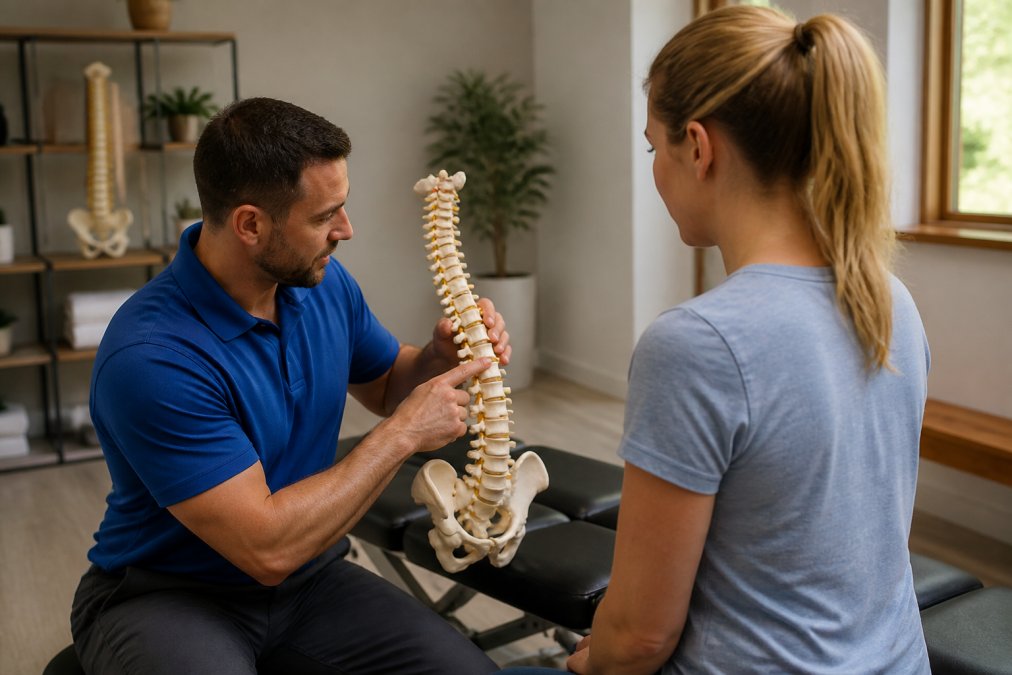
Chiropractic care is a hands-on, patient-centered discipline built around the relationship between the spine, the nervous system, and the body’s overall function. A licensed Doctor of Chiropractic performs a diagnostic assessment, evaluates posture and range of motion, and then applies targeted manual techniques to restore joint mechanics and reduce nerve irritation.
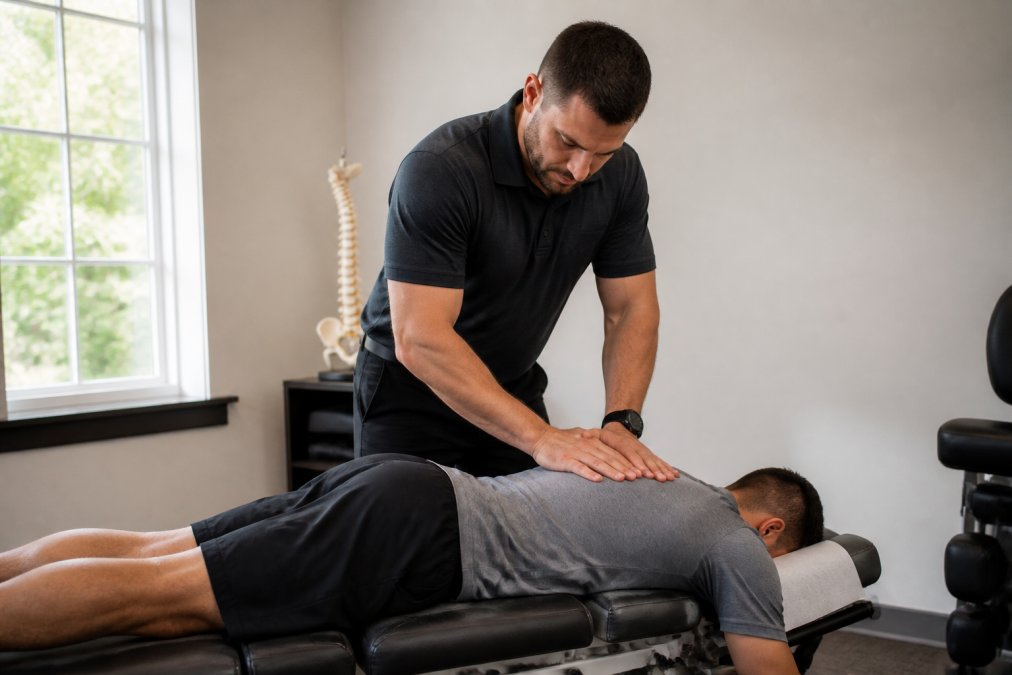
A skilled chiropractic provider uses diagnostic precision to build a personalized care plan. At Moore Chiropractic, Dr. Andrew Moore D.C. brings that clinical depth to every evaluation, using both traditional and advanced chiropractic methods.
The Role of Spinal Manipulation and Vertebral Subluxation
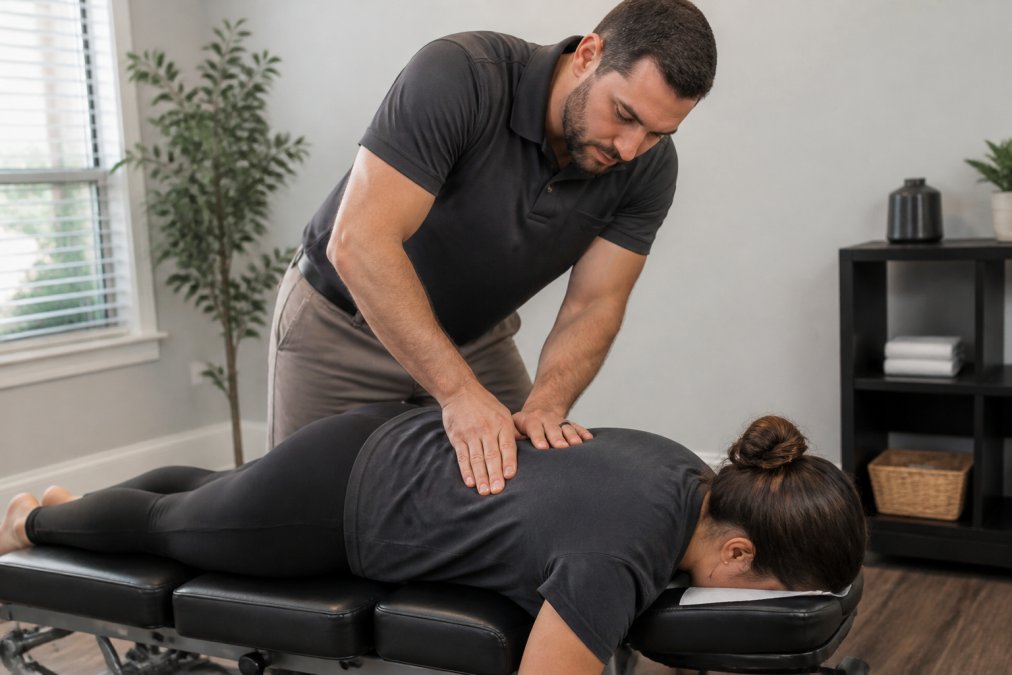
Spinal manipulation involves applying a controlled, directed force to a spinal joint to restore proper movement and alignment. The goal is to correct vertebral subluxation, a term describing joints that have lost their normal motion or position and are creating interference in the surrounding neurological and muscular tissue.
A well-executed adjustment often produces immediate results: reduced pain intensity, improved range of motion, and decreased muscle guarding around a restricted joint. For patients with acute low back pain, this can provide relief that other conservative treatments take weeks to achieve.
Joint mobilization techniques also address the hips, pelvis, and thoracic region, all of which influence lumbar mechanics. Many patients with chronic lower back pain discover their root cause originates in hip restriction or thoracic stiffness, not the lumbar spine itself.
If you’ve had spinal manipulation before and found it uncomfortable, ask about instrument-assisted or low-force techniques. Gentle chiropractic methods can deliver the same biomechanical correction without the high-velocity thrust that makes some patients nervous.
Conditions Chiropractors Commonly Treat
Chiropractors treat a broad range of musculoskeletal conditions:
- Acute and chronic low back pain
- Neck pain and cervicogenic headaches
- Sciatica and nerve irritation from disc involvement
- Sacroiliac joint dysfunction
- Sports injuries affecting the spine and extremities
- Whiplash from motor vehicle accidents
- Postural correction for desk workers and sedentary patients
- Pregnancy-related lower back and pelvic pain
A trustworthy chiropractor will tell you when chiropractic is not the right fit and refer you to another provider.
What Is Physical Therapy and What Does Treatment Involve?
Physical therapy takes a rehabilitation-first approach to musculoskeletal pain. Where chiropractic care focuses on restoring joint mechanics through manual intervention, physical therapy builds the patient’s own capacity to support the spine through strength training, therapeutic exercise, and neuromuscular re-education. A licensed physical therapist develops a structured treatment plan based on movement patterns, muscle strength, and functional mobility.
Sessions typically combine hands-on soft tissue therapy with active exercise designed to retrain the neuromuscular system, correct biomechanical faults, and build the endurance needed to maintain postural correction over time.
Conditions Physical Therapists Commonly Treat
Physical therapists work across a wide clinical spectrum. For back pain specifically, common presentations include:
- Chronic pain management where the spine has become deconditioned
- Post-surgical rehabilitation after spinal fusion, discectomy, or laminectomy
- Herniated disc recovery requiring progressive loading
- Degenerative disc disease with associated weakness
- Scoliosis management and postural dysfunction
- Pelvic floor dysfunction contributing to lower back pain
- Sports-related injuries requiring functional rehabilitation
Benefits of Physical Therapy for Lower Back Pain
The most important outcome of physical therapy is not pain relief during treatment, but the patient’s ability to self-manage their condition after discharge.
Therapeutic exercise addresses the muscle imbalances that make the spine vulnerable. Strength training of the posterior chain, core stabilization work, and hip mobility training all reduce mechanical load on the lumbar discs and facet joints. Neuromuscular re-education retrains movement patterns that have become compensatory and pain-generating.
Research from the National Institutes of Health’s clinical resources on back pain consistently identifies patient education as a meaningful component of long-term recovery from chronic back conditions.
Physical therapy’s biggest advantage is durability. Patients who complete a full course of therapeutic exercise and learn their home program tend to experience fewer relapses than those who rely solely on passive treatments.
Key Differences in Treatment Methods and Philosophy
The real difference between chiropractic vs physical therapy comes down to the treatment model: passive versus active.
Chiropractic care is primarily passive. The practitioner performs the intervention, the patient receives it. This is highly effective for acute pain states where the nervous system is in a protective, guarded mode. Spinal manipulation can interrupt that pain cycle quickly, restoring range of motion and reducing muscle splinting in ways that active exercise cannot achieve when a patient is in acute distress.
Physical therapy is active. The patient performs the work, guided by the therapist. This model builds capacity and resilience over time, which is why physical therapy tends to produce better long-term outcomes for chronic pain management and post-surgical rehabilitation.
Chiropractic care centers on vertebral subluxation and joint mechanics as the primary driver of pain. Physical therapy centers on biomechanics, movement quality, and neuromuscular function. Neither framework is wrong. They are complementary lenses on the same problem.
Choosing one approach and abandoning it after two sessions because you’re not “cured” is the most common mistake patients make. Both chiropractic and physical therapy require a committed treatment plan to produce clinical outcomes.
How Long Does Physical Therapy Take for Back Pain, and How Does Chiropractic Compare?
For acute presentations, a typical physical therapy course runs four to eight weeks at two to three sessions per week. Chronic conditions with significant deconditioning often require longer treatment timelines.
Chiropractic care for acute low back pain often produces noticeable improvement within the first two to four weeks of treatment, with visit frequency tapering as the patient stabilizes.
A practical comparison:
- Acute low back pain: Chiropractic often produces faster initial pain relief; physical therapy builds the structural support to prevent recurrence.
- Chronic pain management: Physical therapy tends to produce more durable outcomes; chiropractic can manage flares and maintain mobility.
- Post-surgical rehabilitation: Physical therapy is the primary modality; chiropractic may be reintroduced later depending on the surgical site.
- Sports injuries: Both are effective; the choice depends on whether the priority is joint mechanics or functional rehabilitation.
Patients who engage actively with their treatment plan, complete home exercises, and maintain honest communication with their provider consistently recover faster than those who treat appointments as passive events.
Insurance Coverage and Out-of-Pocket Costs: Chiropractic vs Physical Therapy
Insurance coverage for both chiropractic and physical therapy is available under most major health insurance plans in the United States, including many Medicare Advantage plans and Medicaid programs, though coverage specifics vary significantly by insurer and plan tier.
Chiropractic care is covered under Medicare Part B for manual manipulation of the spine to correct subluxation, though coverage is limited to medically necessary visits. Many commercial plans cover chiropractic with a copay and a visit cap per calendar year. As the Centers for Medicare and Medicaid Services outlines for chiropractic benefits notes, patients should verify their specific plan’s coverage before beginning care.
Physical therapy coverage is generally broad under commercial insurance, Medicare, and Medicaid, though prior authorization requirements vary by insurer. Many plans require a physician referral before physical therapy benefits activate.
Out-of-pocket costs depend on your deductible status, copay structure, and whether the provider is in-network. For specific pricing information about care at Moore Chiropractic, contact the clinic directly or take advantage of the complimentary evaluation offered to new patients.
Digital physical therapy platforms like Hinge Health and Kaia Health are available at no direct cost to eligible members through employer or health plan benefits. However, they are not available on a self-pay basis and may not suit complex conditions requiring hands-on manual therapy.
When to Choose Chiropractic vs Physical Therapy for Back Pain
The decision between chiropractic vs physical therapy for back pain is about which approach matches your clinical situation right now.

When Chiropractic Care Is the Better Starting Point
Chiropractic care tends to be the stronger initial choice when:
- Pain is acute and severe. Spinal manipulation can interrupt the acute pain cycle faster than exercise-based therapy.
- Joint restriction is the primary finding. If diagnostic assessment reveals limited range of motion and joint locking, manipulation addresses the mechanical problem directly.
- Nerve irritation is present. Sciatica, radiating leg pain, or cervicogenic headaches often respond well to spinal adjustment and joint mobilization.
- You’ve had a motor vehicle accident. Whiplash involves both soft tissue and joint mechanics that chiropractic care addresses directly.
- You’re pregnant. Pregnancy-related pelvic and lower back pain responds well to gentle chiropractic techniques safe for prenatal patients.
When Physical Therapy Is the Stronger Option
Physical therapy tends to be the stronger choice when:
- Pain is chronic and the spine is deconditioned. Strength training and therapeutic exercise rebuild the structural support that passive treatment alone cannot provide.
- You’ve recently had spinal surgery. Post-surgical rehabilitation requires a structured progressive loading program that physical therapy is specifically designed to deliver.
- Movement dysfunction is the primary driver. If poor biomechanics, hip weakness, or faulty movement patterns are generating pain, neuromuscular re-education is the most direct intervention.
- You need a home program. Physical therapy equips patients with tools for self-management, particularly valuable for desk workers whose pain recurs with prolonged sitting.
Post-Surgical Rehabilitation and Integrating Both Approaches
Post-surgical rehabilitation almost always requires physical therapy first. After spinal fusion, discectomy, or laminectomy, the spine requires a carefully graduated loading program before any manual manipulation is appropriate.
Integration of care produces the best long-term outcomes for many patients. A common and effective model: chiropractic care during the acute phase to restore joint mechanics and reduce pain intensity, followed by physical therapy to build the strength and movement quality that prevents recurrence.
Many patients in San Antonio work with both a chiropractor and a physical therapist at different stages of their recovery, and the best providers communicate across disciplines to coordinate a coherent treatment plan.
If you’re unsure which to start with, a chiropractic evaluation is often the faster path to an initial diagnosis. Chiropractors are trained in diagnostic assessment of the musculoskeletal system and can refer you to physical therapy if that is the more appropriate starting point.
Back pain does not resolve itself through wishful thinking. Moore Chiropractic offers a complimentary evaluation and consultation for new patients in San Antonio, giving you a clear diagnostic picture before committing to any treatment path. Dr. Andrew Moore D.C. provides personalized care plans built around your specific condition, using both traditional and advanced chiropractic methods to address the root cause of your pain and restore long-term functional mobility. CONTACT US today to schedule your evaluation and take the first step toward a plan that actually fits your situation.
Frequently Asked Questions
Is it better to go to a chiropractor or a physical therapist for back pain?
The better choice depends on your specific condition and goals. Chiropractic care tends to be most effective for acute low back pain, joint-related discomfort, and spinal alignment issues where spinal manipulation can provide fast pain relief. Physical therapy is often the stronger option for rebuilding strength, improving functional mobility, and addressing long-term recovery after injury or surgery. Many patients benefit from both approaches used together, especially for chronic pain management. A diagnostic assessment with either provider will help determine the right starting point for your situation.
Can a chiropractor help with a herniated disc, sciatica, or an L4-L5 bulging disc?
Chiropractors commonly treat conditions involving nerve irritation caused by disc problems, including herniated discs and sciatica. Gentle spinal manipulation, joint mobilization, and soft tissue therapy can help reduce pressure on affected nerves and improve range of motion. Results vary depending on the severity of the disc issue and the individual's overall health. A thorough diagnostic assessment before treatment is essential. Severe cases may require co-management with a physician or physical therapist. Consult a qualified provider to determine whether chiropractic care is appropriate for your specific disc condition.
How long does physical therapy take for back pain, and is chiropractic faster?
Physical therapy for back pain typically runs four to eight weeks, with sessions two to three times per week, though complex or chronic cases may require longer treatment plans. Chiropractic care timelines vary similarly; acute low back pain often responds within a few weeks, while chronic conditions may need ongoing care. Neither approach is universally faster. The recovery timeline depends on the root cause of your pain, how long the problem has been present, and how consistently you follow the recommended treatment plan between visits.
Do insurance plans typically cover chiropractic care and physical therapy for back pain?
Most major health insurance plans in the United States, including Medicare and many private plans, cover both chiropractic care and physical therapy for back pain, though coverage limits, copays, and prior authorization requirements vary by plan. Medicare Part B covers chiropractic spinal manipulation for medically necessary care. Physical therapy is generally covered under similar provisions. Always verify your specific benefits before starting treatment, as annual visit caps and deductibles differ significantly between plans. Contact your insurer directly to confirm what applies to your policy.
Can chiropractic care and physical therapy be used together for back pain?
Yes, and for many patients this integrated approach produces better clinical outcomes than either treatment alone. A chiropractor can address spinal alignment and acute pain relief through spinal manipulation and joint mobilization, while a physical therapist builds on that foundation with therapeutic exercise, neuromuscular re-education, and strength training to support long-term recovery. This combination is particularly useful for post-surgical rehabilitation, sports injuries, and chronic pain management. Coordinating care between both providers ensures your treatment plan targets both immediate pain relief and lasting functional improvement.
This article was written using GrandRanker