
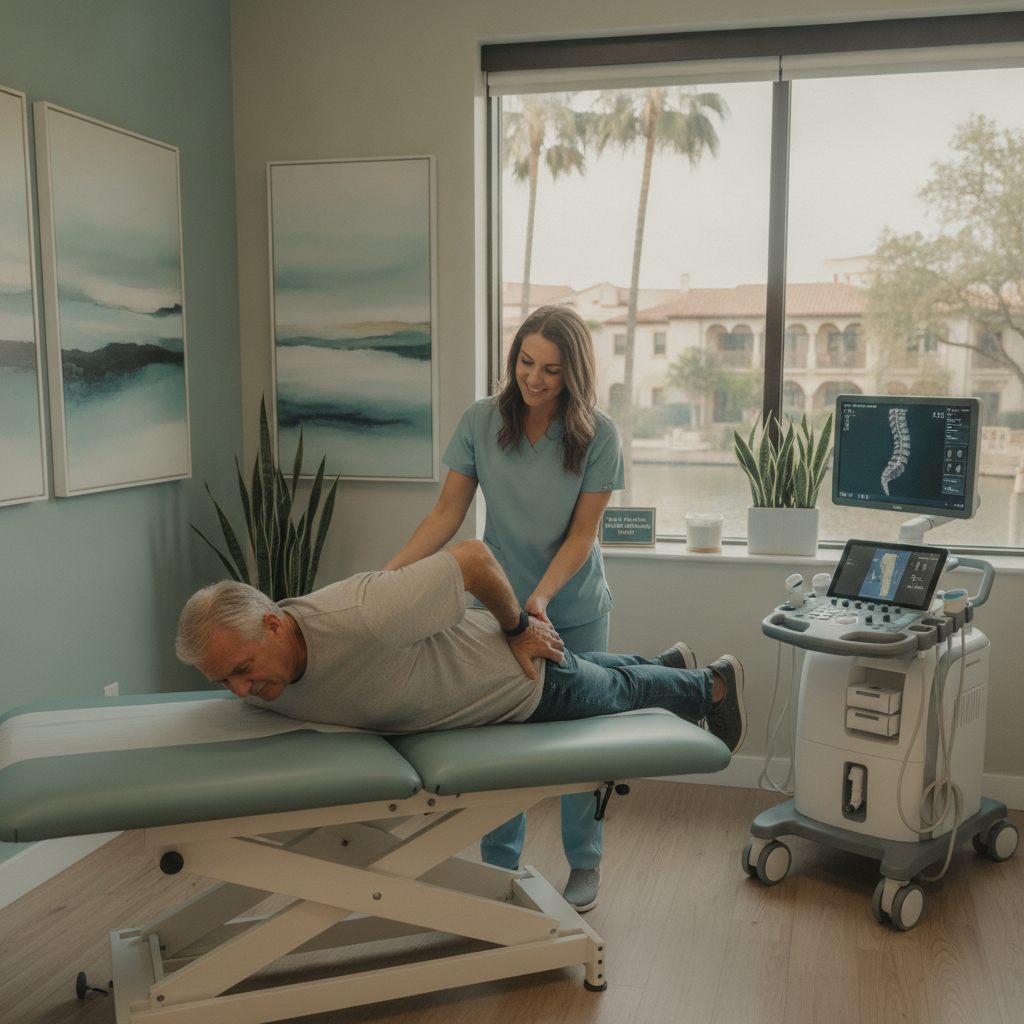
Severe back pain can strike at the most inconvenient times, disrupting your work, daily routines, and even your sleep. For small business owners, developers, and anyone with a demanding schedule, the need for fast and effective emergency back pain treatment is critical. Whether you’re facing a sudden injury, a flare-up of chronic pain, or an unexplained episode that leaves you unable to move comfortably, knowing your options for immediate relief is essential. In this comprehensive guide, we’ll explore the top emergency treatments available in the area, how to recognize when your pain requires urgent care, and what steps you can take to manage your symptoms while waiting for professional help. We’ll also discuss local resources, practical self-care tips, and what to expect from your first visit to a specialist. By the end, you’ll be equipped with the knowledge you need to make informed decisions and get back on your feet as quickly as possible. If you or someone you know is struggling with severe back pain, this article will provide actionable solutions and peace of mind, starting with the best emergency back pain treatment options available today.
Emergency Back Pain Treatment Options in the Area
When severe back pain hits, knowing your emergency back pain treatment options can make all the difference. The region offers a variety of urgent care clinics, chiropractic offices, and pain management centers equipped to handle acute cases. Many of these facilities provide same-day appointments, walk-in services, and even telehealth consultations for those unable to travel. For individuals experiencing intense discomfort, seeking urgent back pain relief services is often the first step toward recovery. These services typically include thorough assessments, immediate pain relief interventions, and recommendations for ongoing care. It’s important to act quickly if your pain is accompanied by symptoms like numbness, weakness, or loss of bladder control, as these could indicate a more serious condition. Local providers are experienced in differentiating between routine and emergency cases, ensuring you receive the right level of care without unnecessary delays. Understanding your options empowers you to make confident decisions and access the support you need, even outside regular business hours. For related information, see urgent back pain relief services.
Emergency Back Pain Treatment in San Antonio TX
For residents seeking emergency back pain treatment in San Antonio TX, it’s crucial to know where to turn when pain becomes unbearable. The city is home to specialized clinics and urgent care centers that prioritize rapid assessment and intervention for acute back pain. These facilities often utilize advanced diagnostic tools such as digital X-rays and MRI to quickly identify the underlying cause of your discomfort. Immediate care may include muscle relaxants, anti-inflammatory medications, or targeted injections to provide fast relief. In some cases, physical therapy or chiropractic adjustments are recommended as part of a comprehensive emergency back pain treatment plan. If you need guidance or want to share your experience, you can visit Emergency Back Pain Treatment in San Antonio to connect with local providers and learn more about available resources. Remember, acting swiftly not only relieves pain but also reduces the risk of long-term complications, making it essential to seek help as soon as symptoms arise. For related information, see Emergency Back Pain Treatment in San Antonio.
Emergency Back Pain Treatment in San Antonio Texas
Emergency back pain treatment in San Antonio Texas is designed to address both the symptoms and underlying causes of severe discomfort. Local healthcare professionals are trained to handle a wide range of back injuries, from muscle strains to herniated discs and nerve impingements. Treatment protocols typically begin with a thorough evaluation, followed by a personalized plan that may include medication, manual therapy, or advanced pain management techniques. Many clinics in this city offer after-hours services and flexible scheduling to accommodate urgent needs. For those experiencing sudden, severe pain, prompt intervention can prevent the condition from worsening and speed up recovery. In addition to medical treatments, providers often educate patients on posture, ergonomics, and safe movement strategies to minimize future episodes. Access to emergency back pain treatment in San Antonio Texas ensures that residents have reliable support whenever pain strikes, fostering a healthier and more resilient community.
Recognizing When Back Pain Is an Emergency
Not all back pain requires urgent care, but certain symptoms signal a need for immediate attention. If you experience sudden weakness in your legs, loss of sensation, difficulty controlling your bladder or bowels, or severe, unrelenting pain, seek emergency back pain treatment right away. These signs could indicate serious conditions such as cauda equina syndrome, spinal cord compression, or a significant herniated disc. Additionally, if back pain follows a traumatic injury like a fall or car accident, or is accompanied by fever and unexplained weight loss, prompt evaluation is crucial. Early intervention can prevent permanent damage and ensure the best possible outcome. When in doubt, err on the side of caution and consult a healthcare professional. Emergency care teams are equipped to quickly assess your condition, provide pain relief, and determine if further testing or hospitalization is necessary. Being aware of red flags helps you act decisively and protect your long-term health.
What to Expect During an Emergency Back Pain Visit
When you arrive at a clinic for emergency back pain treatment, the process typically begins with a detailed medical history and physical examination. Providers will ask about the onset, location, and severity of your pain, as well as any associated symptoms. Diagnostic imaging such as X-rays or MRI may be ordered to pinpoint the cause of your discomfort. Treatment often starts with pain management, which may include oral medications, muscle relaxants, or injections. In some cases, manual therapies like chiropractic adjustments or physical therapy modalities are introduced to provide immediate relief. The goal is to stabilize your condition, reduce pain, and develop a plan for ongoing care. Before you leave, you’ll receive instructions on activity modification, home exercises, and warning signs that require further attention. Knowing what to expect can ease anxiety and help you make the most of your visit, ensuring you leave with a clear path to recovery.
Top Causes of Severe Back Pain
Understanding the root causes of severe back pain can help you prevent future episodes and seek the right emergency back pain treatment when needed. Common culprits include muscle strains from lifting heavy objects, poor posture during long hours at a desk, and sudden movements that overstress the spine. Herniated discs, spinal stenosis, and degenerative disc disease are also frequent sources of acute discomfort. In some cases, underlying conditions like osteoporosis or inflammatory diseases such as arthritis contribute to pain flare-ups. Recognizing these triggers allows you to modify your activities and adopt healthier habits. If pain persists despite rest and over-the-counter remedies, or if it worsens over time, professional evaluation is recommended. Early diagnosis and intervention are key to managing symptoms effectively and preventing chronic issues. By identifying the most common causes, you can take proactive steps to protect your spine and maintain an active, pain-free lifestyle.
Immediate Self-Care Strategies for Sudden Back Pain
While waiting for emergency back pain treatment, there are several self-care strategies you can use to manage symptoms and reduce discomfort. Applying ice packs to the affected area for 15-20 minutes at a time can help minimize inflammation and numb pain. Gentle stretching and walking, rather than prolonged bed rest, often promote faster recovery. Over-the-counter pain relievers like ibuprofen or acetaminophen may provide temporary relief, but always follow dosing instructions. Avoid heavy lifting, twisting, or activities that aggravate your symptoms. Supportive pillows or cushions can help maintain proper spinal alignment when sitting or sleeping. Hydration and light, nutritious meals support the healing process. If your pain is severe or accompanied by alarming symptoms, prioritize seeking professional care. These self-care measures are meant to provide short-term comfort and should not replace expert evaluation for ongoing or worsening pain.
How Chiropractic Care Supports Emergency Back Pain Relief
Chiropractic care is a valuable resource for those seeking emergency back pain treatment. Chiropractors specialize in diagnosing and treating musculoskeletal conditions, offering non-invasive techniques to alleviate acute discomfort. Manual adjustments, spinal decompression, and soft tissue therapies can provide rapid relief by addressing the root cause of pain. Many local chiropractic offices offer same-day appointments for urgent cases, ensuring you receive timely care. In addition to hands-on treatments, chiropractors educate patients on posture, ergonomics, and exercises to prevent recurrence. If you’re unsure where to start, consider visiting Moore Chiropractic for expert guidance and personalized care. Chiropractic interventions are often used in conjunction with medical treatments, creating a comprehensive approach to emergency back pain relief. By integrating chiropractic care into your recovery plan, you can experience faster healing and a reduced risk of future episodes.
Table: Common Emergency Back Pain Treatment Methods
| Treatment Method | Description | Typical Use |
|---|---|---|
| Medications | Includes NSAIDs, muscle relaxants, and prescription painkillers for immediate relief. | Acute pain, inflammation |
| Chiropractic Adjustments | Manual manipulation of the spine to restore alignment and reduce nerve pressure. | Musculoskeletal pain, pinched nerves |
| Physical Therapy | Targeted exercises and stretches to improve mobility and strengthen support muscles. | Rehabilitation, prevention |
| Injections | Steroid or anesthetic injections to reduce inflammation and block pain signals. | Severe pain, nerve involvement |
| Heat & Cold Therapy | Application of heat or ice packs to manage swelling and ease muscle tension. | Initial injury, muscle spasms |
Preventing Future Episodes of Severe Back Pain
Prevention is a key component of long-term back health, especially for those who have experienced severe pain. Regular exercise that strengthens core and back muscles can significantly reduce the risk of injury. Practicing good posture, both at work and during daily activities, helps maintain spinal alignment and minimizes strain. Ergonomic workstations and supportive footwear also play important roles in preventing back pain. Learning proper lifting techniques and avoiding repetitive motions that stress the spine are essential habits. For individuals with chronic conditions, ongoing physical therapy or chiropractic care can provide maintenance support and early intervention if symptoms return. Staying proactive about your back health not only reduces the likelihood of emergencies but also improves your overall quality of life. By adopting these preventive measures, you can enjoy greater mobility, comfort, and confidence in your daily routines.
When to Seek Specialist Care for Back Pain
While many cases of back pain resolve with conservative treatment, some situations require the expertise of a specialist. If your symptoms persist for more than a few weeks, worsen despite self-care, or interfere with your ability to work and perform daily tasks, consult a spine specialist or pain management physician. Conditions such as herniated discs, spinal stenosis, and nerve impingements often benefit from advanced diagnostics and targeted therapies. Specialists can offer minimally invasive procedures, regenerative medicine, or surgical interventions when necessary. Early referral ensures timely diagnosis and access to the most effective treatments, reducing the risk of chronic pain and disability. Don’t hesitate to seek a second opinion if you’re unsure about your diagnosis or treatment plan. Partnering with a knowledgeable specialist empowers you to take control of your back health and achieve lasting relief.
Final Thoughts
Severe back pain can disrupt every aspect of your life, but with the right emergency back pain treatment, you can regain comfort and mobility quickly. From urgent care clinics and chiropractic offices to self-care strategies and preventive measures, the region offers a wealth of resources to support your recovery. Recognizing when back pain is an emergency, knowing what to expect during your visit, and understanding the most effective treatments empowers you to take swift action and avoid long-term complications. Remember, early intervention is key to minimizing pain and promoting healing. Stay proactive about your spine health, seek professional help when needed, and incorporate healthy habits into your daily routine. Whether you’re a business owner, developer, or busy professional, prioritizing your back health ensures you can continue to pursue your goals with confidence and resilience. If you ever face severe back pain, know that help is available and recovery is within reach.