
Chronic neck pain is a challenge that affects countless individuals, from busy small business owners to developers and everyday residents. The constant discomfort can interfere with work, leisure, and even sleep. Fortunately, there are a variety of non-invasive neck pain treatments available that can help you regain comfort and mobility without the need for surgery or heavy medications. These options are increasingly popular due to their effectiveness, minimal risks, and ability to fit into a busy lifestyle. In this article, we’ll explore the best non-invasive neck pain treatments, how they work, and what you can expect from each. Whether you’re searching for lasting relief or want to avoid invasive procedures, you’ll find practical, evidence-based solutions that can make a real difference in your daily life. Read on to discover which non-invasive neck pain treatments might be right for you and how to take the first steps toward a pain-free future.
Non-Invasive Neck Pain Treatments: Options in San Antonio
When it comes to non-invasive neck pain treatments, the area offers a broad range of solutions that prioritize patient comfort and recovery. Physical therapy is often the first line of defense, focusing on improving posture, strengthening neck muscles, and increasing flexibility. Manual therapy, such as gentle mobilization and massage, can help reduce stiffness and enhance blood flow. For those who spend long hours at a desk, ergonomic adjustments and targeted exercises can make a significant impact. Technology also plays a role, with modalities like ultrasound therapy and electrical stimulation providing relief for persistent pain. Residents seeking to learn more about available non-invasive neck pain treatments can consult with local specialists to determine the best course of action. These options are designed to address the root causes of neck discomfort, offering sustainable relief without the need for invasive procedures or prolonged downtime. For additional service details and local availability, readers can learn more.
Exploring Non-Invasive Neck Pain Treatments in San Antonio, TX
Non-invasive neck pain treatments in San Antonio, TX, are tailored to meet the needs of a diverse population, from office professionals to active individuals. Chiropractic care is a popular option, utilizing gentle spinal adjustments to restore alignment and reduce nerve irritation. Acupuncture is another evidence-based approach, using fine needles to stimulate specific points and promote natural healing. For those seeking a holistic approach, integrative therapies such as yoga, mindfulness, and stress management techniques can complement traditional treatments. The region’s healthcare providers often recommend a personalized plan that combines several modalities for optimal results. If you’re interested in Non-Invasive Neck Pain Treatments in San Antonio, it’s important to consult with a qualified provider who can assess your condition and recommend the most effective strategies. These treatments are designed to minimize discomfort, support long-term wellness, and help you return to your daily activities with confidence. For related information, see Non-Invasive Neck Pain Treatments in San Antonio.
Non-Invasive Neck Pain Treatments: What to Expect in San Antonio Texas
For those considering non-invasive neck pain treatments in San Antonio Texas, understanding what to expect can ease concerns and set realistic goals. Initial consultations typically involve a thorough assessment of your symptoms, lifestyle, and medical history. Providers may use diagnostic tools like X-rays or posture analysis to pinpoint the source of pain. Treatment plans are customized, often blending physical therapy, chiropractic adjustments, and other non-invasive techniques. Many patients notice improvements in mobility and pain reduction after just a few sessions. Education is a key component, with therapists teaching self-care strategies to prevent future issues. If you’re exploring options, you can also research chronic neck pain treatments that incorporate nutrition and lifestyle changes for comprehensive care. The goal is always to provide effective, lasting relief without the risks associated with surgery or long-term medication use. For related information, see chronic neck pain treatments.
Chiropractic Care and Its Role in Non-Invasive Neck Pain Treatments
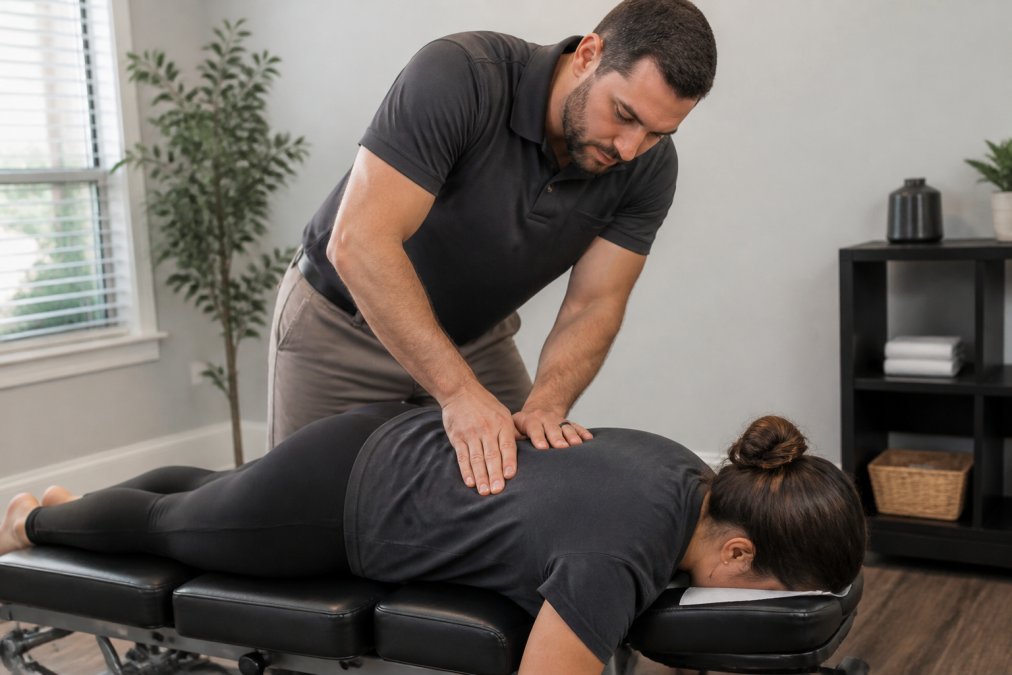
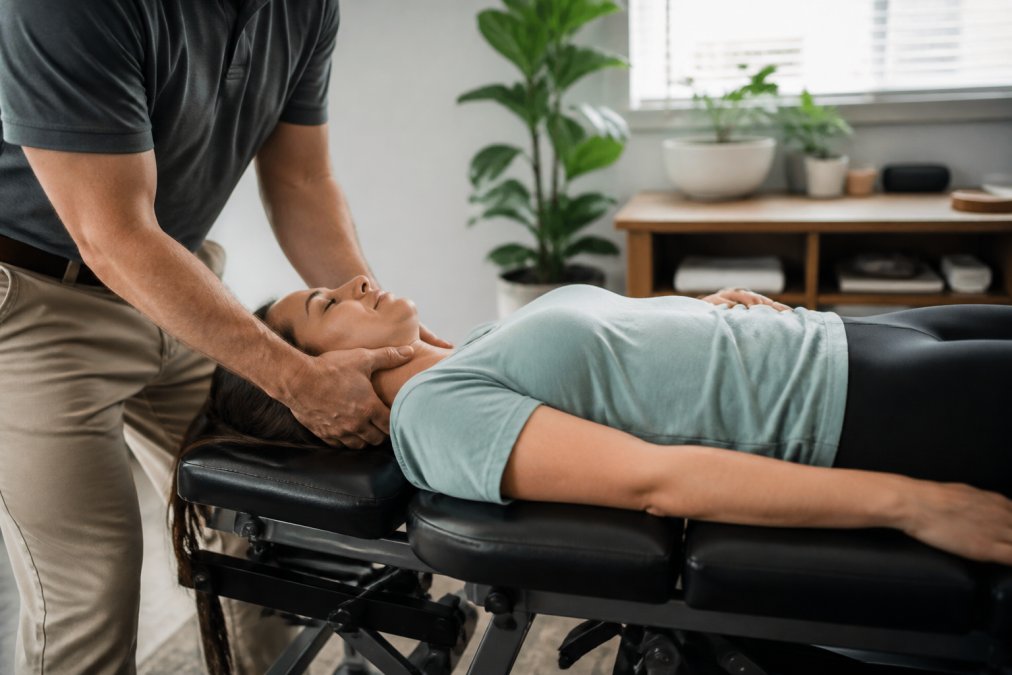
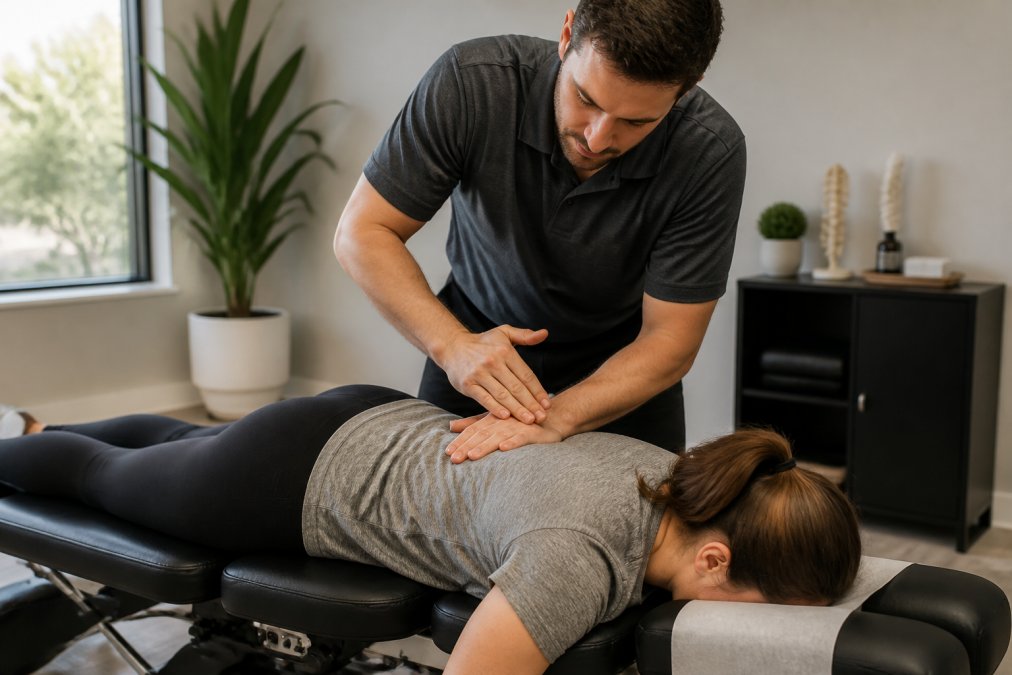
Chiropractic care is a cornerstone among non-invasive neck pain treatments, offering a hands-on approach to restoring spinal alignment and function. Chiropractors use precise adjustments to address misalignments, reduce muscle tension, and alleviate nerve pressure. This method is especially helpful for individuals experiencing pain from poor posture, desk work, or minor injuries. In addition to adjustments, chiropractors may recommend stretches, strengthening exercises, and ergonomic advice to support long-term wellness. Many people appreciate that chiropractic care avoids the need for medication and focuses on natural healing. If you’re curious about reputable providers, Moore Chiropractic is one local option known for its patient-centered approach. Chiropractic care can be an essential part of a comprehensive plan for managing chronic neck pain and improving quality of life.
Physical Therapy: Building Strength and Flexibility
Physical therapy is a fundamental element of non-invasive neck pain treatments, focusing on restoring strength, flexibility, and function. Therapists design individualized exercise programs to target weak or tight muscles, improve posture, and increase range of motion. Manual therapy techniques, such as soft tissue mobilization and stretching, can further reduce pain and stiffness. Education is a key aspect, empowering patients to adopt better habits and prevent future flare-ups. Physical therapy often complements other non-invasive treatments, such as chiropractic care or acupuncture, for a holistic approach. Regular sessions and adherence to home exercise routines are crucial for achieving lasting results. Many people find that physical therapy not only relieves current discomfort but also equips them with tools to maintain neck health over the long term. This proactive approach is ideal for those seeking sustainable, non-invasive solutions to chronic neck pain.
Acupuncture and Alternative Therapies for Neck Pain
Acupuncture is gaining recognition as an effective non-invasive neck pain treatment, especially for those seeking alternatives to conventional medicine. By inserting thin needles into specific points, acupuncture aims to balance the body’s energy and stimulate natural healing processes. Many patients report reduced pain, improved mobility, and enhanced relaxation after sessions. Other alternative therapies, such as cupping, massage, and herbal remedies, can also play a supportive role. These approaches are often integrated with traditional treatments to address both physical and emotional aspects of chronic pain. It’s important to work with certified practitioners to ensure safety and effectiveness. Alternative therapies are particularly appealing for individuals who prefer a holistic, drug-free path to relief. As part of a comprehensive strategy, these non-invasive options can help manage chronic neck pain and improve overall well-being.
Ergonomics and Lifestyle Changes to Support Non-Invasive Neck Pain Treatments
Adopting ergonomic practices and making lifestyle changes are essential components of non-invasive neck pain treatments. Poor posture, repetitive movements, and prolonged screen time can all contribute to chronic discomfort. Simple adjustments, such as raising your monitor to eye level, using supportive chairs, and taking regular breaks, can significantly reduce strain on the neck. Incorporating daily stretches and strengthening exercises into your routine helps maintain flexibility and prevent future issues. Mindfulness techniques, such as deep breathing and stress management, can also alleviate muscle tension. Nutrition and hydration play a role, as well-nourished muscles are less prone to injury. By combining these habits with professional care, individuals can support their recovery and minimize the risk of recurring pain. Small, consistent changes often yield the most sustainable results in managing neck discomfort.
Table: Comparing Non-Invasive Neck Pain Treatments
| Treatment | Typical Benefits | Session Length | Ideal For |
|---|---|---|---|
| Physical Therapy | Improved strength, flexibility, posture | 30-60 minutes | All ages, post-injury recovery |
| Chiropractic Care | Spinal alignment, pain relief | 15-30 minutes | Desk workers, posture issues |
| Acupuncture | Reduced pain, relaxation | 30-45 minutes | Chronic pain, stress |
| Massage Therapy | Muscle relaxation, improved circulation | 30-60 minutes | Tension, muscle knots |
| Ultrasound/E-Stim | Pain reduction, tissue healing | 10-20 minutes | Acute injuries, inflammation |
Mind-Body Approaches: Yoga and Mindfulness
Mind-body practices like yoga and mindfulness are increasingly recognized as valuable non-invasive neck pain treatments. Yoga combines gentle stretching, strengthening, and breathing exercises to enhance flexibility and reduce tension. Specific poses can target the neck, shoulders, and upper back, providing relief from chronic discomfort. Mindfulness meditation helps individuals become more aware of their posture and stress levels, making it easier to address the root causes of pain. These practices are accessible to most people and can be adapted for different fitness levels. Incorporating mind-body techniques into your routine can complement other non-invasive treatments, fostering a holistic approach to neck health. Regular practice not only alleviates current pain but also builds resilience against future episodes. By embracing these gentle methods, you can support both physical and emotional well-being on your journey to a pain-free life.
The Role of Nutrition and Hydration in Neck Pain Recovery
Nutrition and hydration are often overlooked but vital aspects of non-invasive neck pain treatments. Proper hydration keeps muscles and connective tissues supple, reducing the risk of strains and spasms. A balanced diet rich in anti-inflammatory foods, such as leafy greens, berries, and omega-3 fatty acids, can help manage pain and promote healing. Avoiding processed foods and excess sugar may also reduce inflammation. Some individuals benefit from targeted supplements, like magnesium or vitamin D, but it’s best to consult with a healthcare provider before starting any new regimen. By supporting your body from the inside out, you enhance the effectiveness of other non-invasive treatments. Making mindful choices about what you eat and drink can accelerate recovery, boost energy, and contribute to long-term neck health. Small dietary adjustments, combined with professional care, can make a noticeable difference in managing chronic neck pain.
When to Seek Professional Help for Neck Pain
While non-invasive neck pain treatments are effective for many, it’s important to recognize when professional help is needed. Persistent pain that doesn’t improve with self-care, numbness, tingling, or weakness in the arms may indicate a more serious underlying issue. Sudden onset of severe pain, especially after an injury, should be evaluated promptly. Healthcare providers can perform a thorough assessment and recommend appropriate non-invasive or, if necessary, more advanced interventions. Early intervention often leads to better outcomes and prevents chronic problems. Don’t hesitate to reach out to a qualified specialist if you’re unsure about your symptoms or if your pain is interfering with daily life. Professional guidance ensures that you receive the most effective and safe treatments tailored to your unique needs. Prioritizing your health and seeking timely care is the best way to achieve lasting relief from neck pain.
Final Thoughts
Chronic neck pain doesn’t have to control your life. With the wide array of non-invasive neck pain treatments available today, you can find effective solutions that fit your lifestyle and preferences. From physical therapy and chiropractic care to acupuncture, ergonomic adjustments, and mind-body practices, these approaches offer relief without the risks of surgery or long-term medication use. By combining professional guidance with healthy habits, you can address the root causes of discomfort and support lasting recovery. Remember, the journey to a pain-free neck often involves trying different methods and finding what works best for you. Stay proactive, be patient with the process, and don’t hesitate to seek expert advice when needed. With the right combination of non-invasive neck pain treatments, you can look forward to improved mobility, reduced pain, and a better quality of life.