
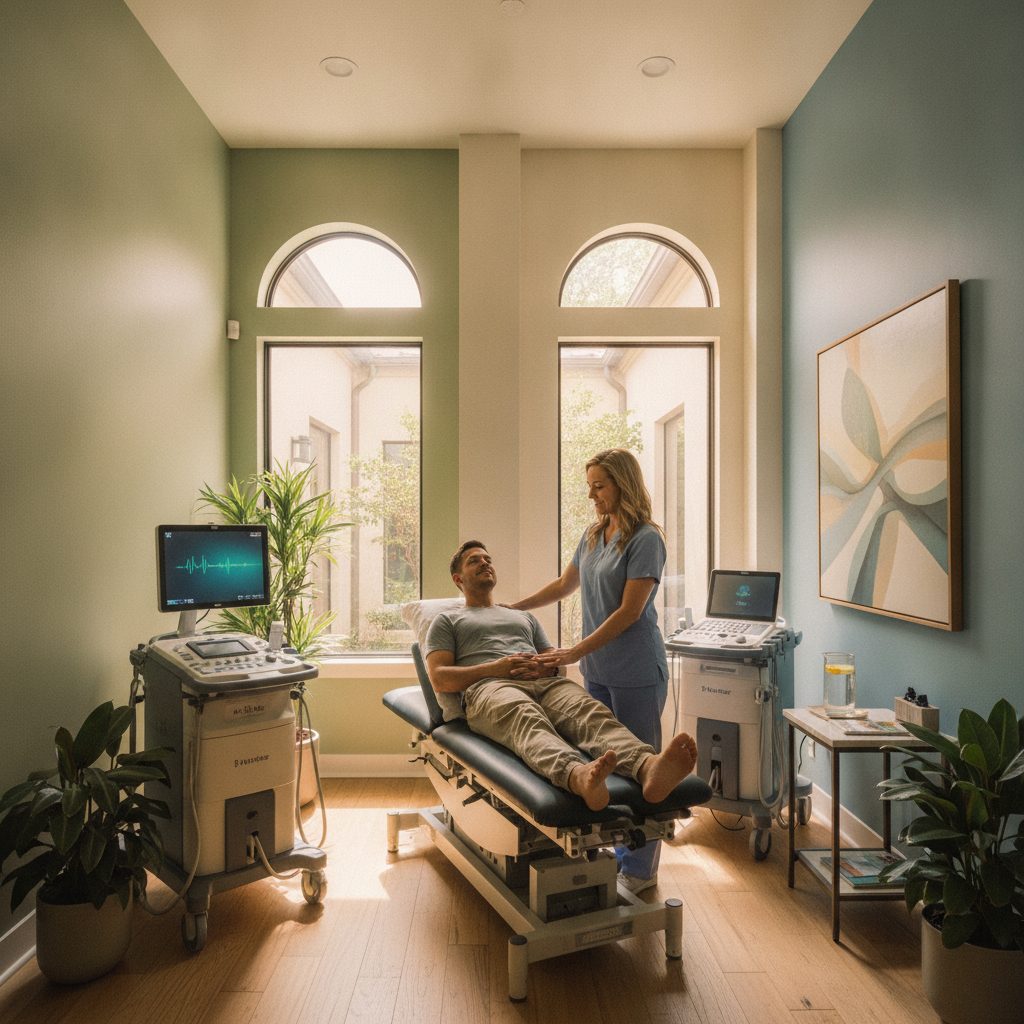
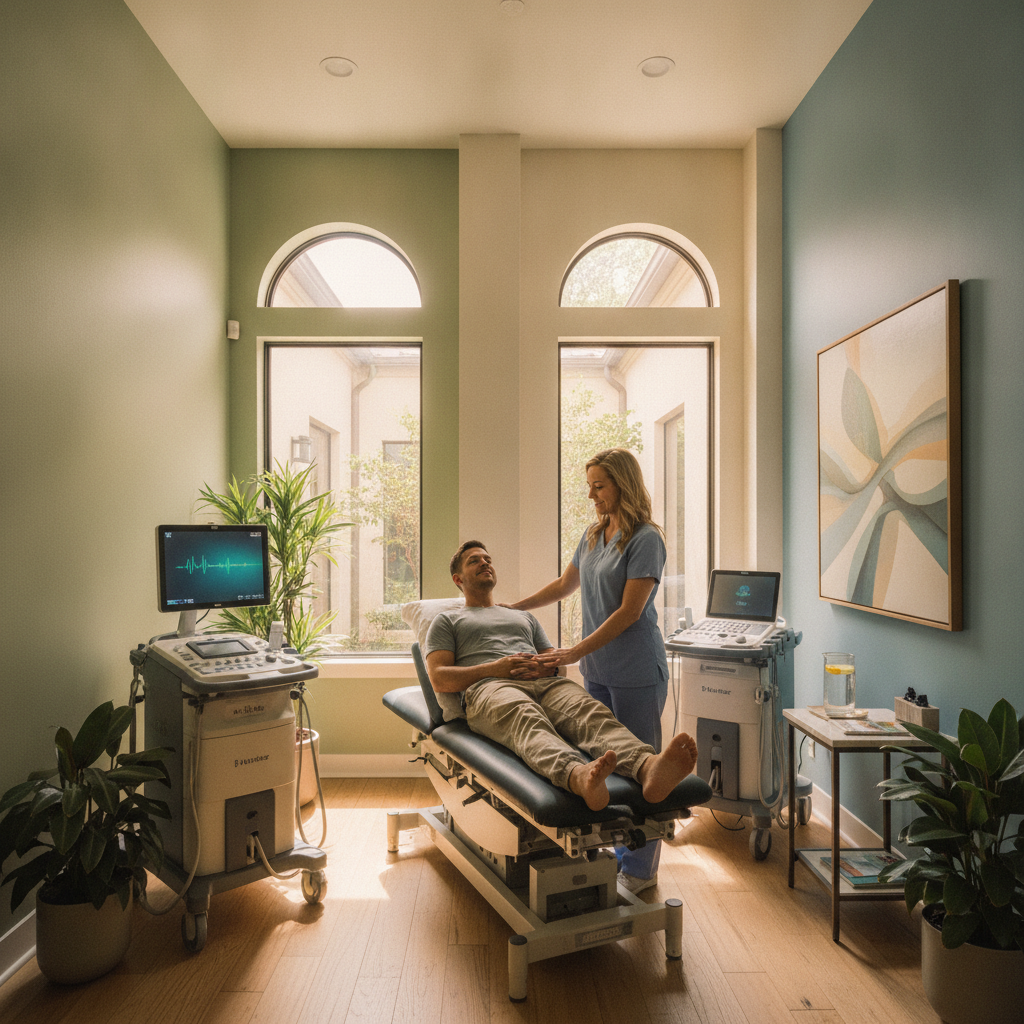
Back pain is a challenge that millions face every day, disrupting work, family life, and even simple daily routines. For small business owners, developers, and anyone with a busy lifestyle, the impact of persistent back pain can be especially frustrating. If you’re searching for back pain treatment San Antonio TX, you may be wondering if there are options beyond surgery or heavy medication. Non-surgical spine care is gaining recognition as a safe, effective way to address back pain, restore mobility, and help people reclaim their active lives. In this article, we’ll explore how non-surgical spine care works, who it’s for, and why it’s becoming a go-to solution for so many in this community. Whether you’re new to the idea or looking for alternatives to invasive procedures, read on to discover how you can find relief and get back to what matters most.
Understanding Non-Surgical Spine Care
Non-surgical spine care refers to a range of treatments and therapies designed to relieve back pain, improve function, and support spinal health without the need for surgery. This approach focuses on addressing the root causes of pain, such as misalignments, muscle imbalances, and inflammation, rather than simply masking symptoms. The goal is to restore natural movement and help the body heal itself, using evidence-based methods that are safe and minimally invasive.
Common non-surgical spine care techniques include chiropractic adjustments, physical therapy, spinal decompression, therapeutic exercises, and lifestyle counseling. These therapies are often combined to create a personalized plan tailored to each individual’s needs and goals. For residents seeking a holistic approach to back pain, clinics like Moore Chiropractic offer a variety of non-surgical solutions, providing comprehensive care under one roof.
One of the key advantages of non-surgical care is its focus on long-term results, not just temporary relief. By improving spinal alignment, strengthening supporting muscles, and teaching better movement habits, these therapies can help reduce the risk of future injuries and chronic pain. This proactive approach is especially valuable for those who want to stay active and avoid the downtime and risks associated with surgery.
Non-surgical spine care is suitable for a wide range of back pain conditions, from acute injuries to chronic discomfort. Whether your pain stems from sitting at a desk, lifting heavy objects, or an old sports injury, there are non-invasive options that can help. The process typically begins with a thorough assessment, including a review of your medical history, physical examination, and sometimes imaging studies. This comprehensive evaluation ensures that your care plan addresses the specific factors contributing to your pain.
For many, the idea of avoiding surgery is appealing, but it’s important to note that non-surgical care isn’t right for every situation. Severe spinal conditions, such as fractures or certain types of nerve compression, may still require surgical intervention. However, for the majority of back pain sufferers, non-surgical options can provide significant relief and help restore quality of life.
Why Back Pain Is So Common in Today’s Workforce
Back pain is one of the most frequent complaints among working adults, and it’s easy to see why. The modern workplace often involves long hours at a desk, repetitive motions, and high stress levels, all of which can take a toll on spinal health. For small business owners and developers, the demands of running a company or working on complex projects can lead to neglecting posture, skipping breaks, and ignoring early warning signs of discomfort.
Sedentary habits are a major contributor to back pain. Sitting for extended periods can weaken core muscles, tighten hip flexors, and place extra pressure on the lower back. Over time, these issues can lead to chronic pain, reduced mobility, and even nerve irritation. On the other hand, jobs that require heavy lifting or frequent bending can strain the spine and supporting muscles, increasing the risk of injury.
Stress is another factor that often goes overlooked. High-pressure work environments can cause muscle tension, poor sleep, and unhealthy coping habits, all of which can exacerbate back pain. Add in the challenges of balancing work and personal life, and it’s no wonder so many people in the area experience persistent discomfort.
Understanding these common causes is the first step toward finding effective solutions. Non-surgical spine care takes a comprehensive view of back pain, addressing not just the physical symptoms but also the lifestyle factors that contribute to discomfort. By identifying and correcting these underlying issues, individuals can break the cycle of pain and enjoy greater productivity and well-being.
Key Benefits of Non-Surgical Back Pain Relief
Choosing non-surgical spine care offers a range of advantages for those seeking relief from back pain. One of the most significant benefits is the ability to avoid the risks and recovery time associated with surgery. Non-surgical treatments are generally low-risk, with minimal side effects and little to no downtime, allowing you to return to work and daily activities more quickly.
Another key benefit is the focus on holistic healing. Rather than simply targeting symptoms, non-surgical care aims to restore balance to the entire musculoskeletal system. This approach can lead to improved posture, greater flexibility, and enhanced overall health. Many patients also report better sleep, reduced stress, and increased energy as a result of their treatment.
Non-surgical spine care is highly customizable, meaning your treatment plan is tailored to your unique needs and goals. Whether you’re dealing with acute pain from a recent injury or managing a chronic condition, your provider can adjust therapies to ensure the best possible outcome. This personalized approach helps maximize results and supports long-term wellness.
Finally, non-surgical care often empowers patients with the knowledge and tools they need to maintain their progress. Through education, exercise, and lifestyle guidance, individuals learn how to prevent future flare-ups and take control of their spinal health. This sense of ownership can be incredibly motivating and lead to lasting improvements in quality of life.
How Chiropractic Adjustments Support Spine Health
Chiropractic care is a cornerstone of non-surgical spine treatment, offering a hands-on approach to relieving pain and restoring function. Chiropractors use precise adjustments to correct misalignments in the spine, known as subluxations, which can interfere with nerve function and contribute to discomfort. By restoring proper alignment, chiropractic adjustments help reduce inflammation, improve mobility, and support the body’s natural healing processes.
For many patients, chiropractic care provides immediate relief from pain, stiffness, and tension. Over time, regular adjustments can help address the underlying causes of back pain, such as poor posture, repetitive strain, or previous injuries. Chiropractors also often incorporate complementary therapies, such as soft tissue work, stretching, and exercise recommendations, to enhance results and support overall well-being.
Chiropractic treatment is suitable for people of all ages and activity levels, from athletes to office workers. It’s particularly valuable for those seeking a drug-free, non-invasive alternative to traditional medical care. By working closely with your chiropractor, you can develop a plan that addresses your specific needs and helps you achieve your health goals without resorting to surgery or long-term medication use.
Physical Therapy and Exercise: Building a Stronger Back
Physical therapy plays a vital role in non-surgical spine care, focusing on restoring strength, flexibility, and function to the muscles that support the spine. Through targeted exercises and hands-on techniques, physical therapists help patients overcome pain, improve mobility, and prevent future injuries. This approach is especially effective for those recovering from acute injuries or managing chronic conditions.
A typical physical therapy program for back pain includes a combination of stretching, strengthening, and stabilization exercises. These movements are designed to address muscle imbalances, improve posture, and enhance core stability. Therapists may also use modalities such as heat, cold, ultrasound, or electrical stimulation to reduce pain and promote healing.
One of the key advantages of physical therapy is its emphasis on patient education. By learning proper movement patterns and self-care techniques, individuals can take an active role in their recovery and maintain their progress over the long term. This proactive approach helps reduce the risk of recurrent pain and supports a healthier, more active lifestyle.
Physical therapy is often used in conjunction with other non-surgical treatments, such as chiropractic care or spinal decompression, to provide a comprehensive solution for back pain. By addressing both the symptoms and the underlying causes of discomfort, this integrated approach can deliver lasting relief and improved quality of life.
Spinal Decompression Therapy: Relieving Pressure Without Surgery
Spinal decompression therapy is a non-invasive treatment that gently stretches the spine to relieve pressure on discs, nerves, and other structures. This technique is particularly effective for conditions such as herniated discs, sciatica, and degenerative disc disease, where compressed nerves can cause significant pain and dysfunction.
During a spinal decompression session, patients lie comfortably on a specialized table while the device applies controlled traction to the spine. This gentle stretching creates negative pressure within the discs, encouraging the retraction of bulging material and promoting the flow of nutrients and oxygen to support healing. Most sessions are painless and relaxing, with many patients experiencing relief after just a few treatments.
Spinal decompression is often combined with other therapies, such as chiropractic adjustments and physical therapy, to maximize results. It’s a safe and effective alternative for those who want to avoid surgery or are not candidates for invasive procedures. By reducing pressure on nerves and improving spinal function, decompression therapy can help restore mobility and reduce pain for many individuals in this city and beyond.
Lifestyle Changes That Support a Healthy Spine
Non-surgical spine care isn’t just about what happens in the clinic, it also involves making positive changes to your daily habits and routines. Simple adjustments to posture, movement, and self-care can have a profound impact on spinal health and help prevent future episodes of back pain.
Key lifestyle changes include maintaining a healthy weight, staying active, and practicing good ergonomics at work and home. Regular exercise, such as walking, swimming, or yoga, helps strengthen the muscles that support the spine and improve flexibility. Paying attention to posture while sitting, standing, and lifting can reduce strain on the back and minimize the risk of injury.
Stress management is another important factor. High stress levels can lead to muscle tension and poor sleep, both of which contribute to back pain. Techniques such as deep breathing, meditation, and regular relaxation can help reduce stress and support overall well-being.
Many non-surgical spine care providers offer guidance on nutrition, exercise, and stress reduction as part of their treatment plans. By taking a holistic approach, individuals can address the root causes of pain and build a foundation for long-term spinal health.
Who Can Benefit Most from Non-Surgical Spine Care?
Non-surgical spine care is suitable for a wide range of people, from young adults to seniors, and from athletes to office workers. It’s particularly beneficial for those who want to avoid surgery, have not found relief with medication, or are looking for a more natural approach to healing.
Common candidates include individuals with:
- Chronic lower or upper back pain
- Herniated or bulging discs
- Sciatica or nerve-related pain
- Muscle strains or sprains
- Postural issues from desk work
- Sports or work-related injuries
Non-surgical care can also be an excellent option for those recovering from surgery, as it helps restore function and prevent future problems. By working with a provider who understands your unique needs, you can develop a plan that supports your goals and fits your lifestyle.
It’s important to note that while non-surgical care is effective for many, it’s not appropriate for every condition. Severe injuries, infections, or certain structural problems may require more intensive medical intervention. However, for the vast majority of back pain sufferers, non-surgical options provide a safe, effective path to relief and recovery.
Comparing Non-Surgical and Surgical Back Pain Treatments
When faced with persistent back pain, many people wonder whether surgery is their only option. While surgical procedures can be necessary for certain conditions, non-surgical spine care offers a compelling alternative for most cases. Understanding the differences between these approaches can help you make an informed decision about your care.
| Aspect | Non-Surgical Care | Surgical Treatment |
|---|---|---|
| Invasiveness | Minimally invasive, no incisions | Requires incisions, anesthesia |
| Recovery Time | Little to no downtime | Weeks to months of recovery |
| Risks | Low risk of complications | Higher risk of infection, nerve damage |
| Cost | Generally lower cost | Can be expensive |
| Focus | Addresses root causes, holistic approach | Targets structural issues directly |
| Suitability | Most back pain cases | Severe or emergency cases |
As the table shows, non-surgical care is often the preferred first step for those seeking relief from back pain. It’s less invasive, carries fewer risks, and focuses on long-term wellness. Surgery may be necessary in some situations, but for most people, exploring non-surgical options first can lead to excellent results without the need for more drastic measures.
What to Expect During Your First Visit
If you’re considering non-surgical spine care for back pain, your first visit will typically begin with a comprehensive assessment. Your provider will take the time to understand your symptoms, medical history, and lifestyle factors that may be contributing to your pain. This may include a physical examination, posture analysis, and sometimes imaging studies such as X-rays or MRI scans.
Based on this evaluation, your provider will develop a personalized treatment plan tailored to your needs and goals. This plan may include a combination of chiropractic adjustments, physical therapy, spinal decompression, and lifestyle recommendations. You’ll also receive education on posture, ergonomics, and self-care techniques to support your recovery.
Most non-surgical treatments are gentle and well-tolerated, with little to no discomfort. Your provider will explain each step of the process and answer any questions you may have. The focus is on empowering you to take an active role in your healing, with ongoing support and guidance every step of the way.
By understanding what to expect, you can approach your first visit with confidence and optimism, knowing that you’re taking a positive step toward lasting relief and better spinal health.
Finding the Right Provider in the Area
Choosing the right non-surgical spine care provider is an important decision that can have a big impact on your results. Look for a clinic with experienced professionals who specialize in back pain and offer a range of evidence-based treatments. It’s also important to find a provider who takes the time to listen to your concerns, answer your questions, and involve you in your care plan.
Ask about the clinic’s approach to treatment, including how they assess patients, what therapies they offer, and how they measure progress. A good provider will work with you to set realistic goals and provide ongoing support throughout your recovery. They should also prioritize patient education, helping you understand your condition and what you can do to maintain your results.
Many clinics in the region offer free consultations or initial assessments, making it easy to explore your options and find the right fit. Don’t hesitate to ask for references or read reviews from other patients to get a sense of the clinic’s reputation and track record of success.
By choosing a provider who aligns with your values and goals, you can feel confident that you’re in good hands and on the path to lasting relief from back pain.
Final Thoughts
Back pain doesn’t have to be a life sentence or a barrier to enjoying your work, family, and favorite activities. Non-surgical spine care offers a safe, effective, and holistic approach to back pain treatment, helping people in this city and beyond find relief without the risks or downtime of surgery. By addressing the root causes of pain and empowering individuals with the tools they need for long-term wellness, non-surgical care is transforming lives and restoring hope for those who have struggled with persistent discomfort.
If you’re ready to explore your options and take control of your spinal health, consider reaching out to a local provider who specializes in non-surgical care. With the right support and a personalized plan, you can overcome back pain and get back to living life on your terms.