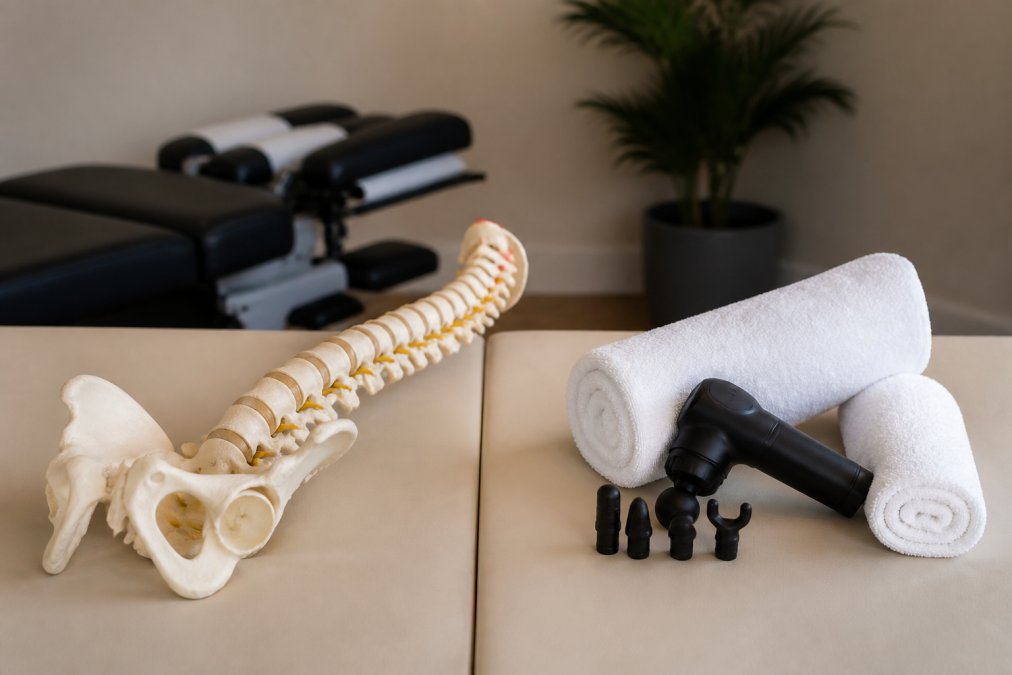

Maintaining back health between chiropractic visits is essential for small business owners, developers, and anyone with a busy lifestyle. Back pain can disrupt productivity and quality of life, making it crucial to adopt effective back health maintenance strategies. Whether you’re working long hours at a desk, lifting heavy items, or simply navigating daily stress, your back needs consistent care. In this article, you’ll discover practical, science-backed tips to keep your spine strong and resilient. We’ll explore daily habits, ergonomic adjustments, stretches, exercises, and self-care routines that support your back’s well-being. By taking proactive steps and understanding the fundamentals of back health maintenance, you can reduce discomfort, prevent injuries, and maximize the benefits of your chiropractic care. Let’s dive into actionable ways to support your back and keep you moving comfortably between appointments.
Back Health Maintenance Tips for San Antonio Residents
Back health maintenance is not just about what happens at your chiropractor’s office. Residents in this city often face unique challenges, from long commutes to demanding work schedules. To keep your back healthy between visits, it’s important to develop habits that support spinal alignment and muscle strength. Start by assessing your daily routine, how much time do you spend sitting, standing, or lifting? Are you mindful of your posture during these activities?
One of the most effective ways to maintain back health is to incorporate regular movement throughout your day. Set reminders to stand up and stretch every hour, especially if your job involves prolonged sitting. Gentle stretches, such as the cat-cow or seated spinal twist, can alleviate tension and promote flexibility. Additionally, consider integrating low-impact exercises like walking or swimming, which are excellent for strengthening the muscles that support your spine.
Proper lifting technique is another cornerstone of back health maintenance. Always bend at the knees, keep objects close to your body, and avoid twisting while lifting. If you’re unsure about your form, many local wellness centers offer workshops or online tutorials to help you learn safe lifting practices. Remember, prevention is key, don’t wait for pain to start before taking action.
Hydration and nutrition also play a significant role in spinal health. Drinking enough water keeps your spinal discs hydrated and pliable, while a balanced diet rich in calcium, magnesium, and vitamin D supports bone and muscle health. For those who are physically active, recovery is crucial. Use foam rollers or massage balls to release muscle knots and promote circulation.
Finally, don’t underestimate the value of professional support. If you experience persistent discomfort, consult with a healthcare provider or explore chiropractic care to address underlying issues and receive personalized recommendations. These proactive steps will help you maintain a healthy, pain-free back between appointments.
Back Health Maintenance Strategies in San Antonio, TX
For those living in San Antonio, TX, back health maintenance is a daily commitment that pays off in improved comfort and mobility. The region’s active community and diverse workforce mean that individuals often juggle multiple roles, making it essential to prioritize spinal wellness. One of the best strategies is to create an ergonomic workspace, whether at home or in the office.
Start by evaluating your desk setup. Your monitor should be at eye level, your chair should provide adequate lumbar support, and your feet should rest flat on the floor. Investing in an adjustable chair or standing desk can make a significant difference in reducing strain on your lower back. If you work from different locations, consider portable lumbar cushions or footrests to maintain proper posture wherever you are.
Incorporating core-strengthening exercises into your routine is another effective way to support back health maintenance. Planks, bridges, and bird-dog movements target the muscles that stabilize your spine. Aim to perform these exercises two to three times per week, gradually increasing intensity as your strength improves. Yoga and Pilates classes, available locally and online, offer guided routines that enhance flexibility and core stability.
Stress management is also vital for back health. Chronic stress can cause muscle tension and exacerbate pain. Practice relaxation techniques such as deep breathing, meditation, or progressive muscle relaxation. Even short mindfulness breaks during your workday can make a noticeable difference in how your body feels.
If you’re seeking ongoing support, Getmoorecare offers wellness resources and tailored advice for maintaining your back health between chiropractic visits. By combining ergonomic adjustments, targeted exercises, and stress reduction, you’ll build a strong foundation for long-term spinal wellness.
Back Health Maintenance for San Antonio Texas Professionals
Professionals in San Antonio Texas often face unique challenges that can impact back health maintenance. Long hours at a desk, frequent travel, and the pressures of running a business can all contribute to back discomfort. To counter these risks, it’s important to establish a daily routine that prioritizes spinal care.
Begin with a morning stretch routine to wake up your muscles and prepare your body for the day ahead. Simple movements like knee-to-chest stretches, gentle backbends, and side bends can increase flexibility and circulation. Throughout the day, practice mindful posture, keep your shoulders relaxed, your head aligned with your spine, and avoid slouching.
For those who spend significant time driving, adjust your car seat to support your lower back and take breaks to stretch during long trips. Portable lumbar rolls or seat cushions can provide extra support and help maintain proper alignment. If your work involves physical labor, use assistive devices or ask for help when lifting heavy objects to reduce strain on your back.
Incorporating movement into your workday is crucial. Schedule short walks or standing breaks every hour to prevent stiffness. If you have access to a gym, consider low-impact cardio exercises like cycling or elliptical training, which are gentle on the back while improving overall fitness.
Finally, regular check-ins with a trusted provider such as Moore Chiropractic can help you monitor your progress and address any concerns before they become serious issues. By staying proactive and attentive to your body’s needs, professionals in this area can enjoy lasting back health and improved quality of life.
Daily Habits for Lasting Back Health Maintenance
Building daily habits is the cornerstone of back health maintenance. Small, consistent actions add up over time to support your spine and prevent discomfort. Start your day with gentle stretching to loosen tight muscles and improve mobility. Focus on stretches that target the lower back, hamstrings, and hip flexors, as these areas often contribute to back pain when tight.
Posture awareness is another essential habit. Whether you’re sitting at a desk, standing in line, or walking, check in with your alignment. Keep your shoulders back, core engaged, and head balanced over your spine. If you find yourself slouching, reset your posture and take a few deep breaths to relax tense muscles.
Staying active throughout the day is vital. Incorporate movement breaks into your routine, such as standing up to stretch, walking around the office, or doing a few squats. Even brief periods of movement can reduce stiffness and improve circulation. If you have a sedentary job, consider using a standing desk or alternating between sitting and standing every hour.
Sleep quality also impacts back health maintenance. Invest in a supportive mattress and pillow, and aim for a sleep position that keeps your spine in a neutral alignment. Side sleeping with a pillow between your knees or back sleeping with a pillow under your knees can alleviate pressure on your lower back.
By making these habits part of your daily routine, you’ll create a strong foundation for back health maintenance and reduce your risk of pain or injury between chiropractic visits.
Ergonomic Adjustments for Work and Home
Ergonomics play a crucial role in back health maintenance, especially for those who spend extended periods working at a desk or performing repetitive tasks. Making simple adjustments to your workspace can significantly reduce strain on your spine and muscles.
At your desk, ensure your chair supports your lower back and allows your feet to rest flat on the floor. Your keyboard and mouse should be within easy reach to prevent overreaching, and your monitor should be at eye level to avoid neck strain. Consider using a footrest or lumbar cushion to enhance comfort and support.
For those working from home, it’s important to recreate ergonomic principles in your home office. Avoid working from couches or beds, as these surfaces do not provide adequate support. If possible, invest in an adjustable desk or chair. If you’re on a budget, use pillows or rolled towels to support your back and maintain proper posture.
In the kitchen or workshop, arrange frequently used items within easy reach to minimize bending and twisting. Use step stools for high shelves and store heavy items at waist level to reduce the risk of injury. When using electronic devices, hold them at eye level rather than looking down for extended periods.
Implementing these ergonomic adjustments at work and home will help you maintain optimal posture, reduce fatigue, and support ongoing back health maintenance.
Essential Stretches and Exercises for Back Health Maintenance
Regular stretching and exercise are vital components of back health maintenance. By keeping your muscles flexible and strong, you can prevent stiffness, improve mobility, and support your spine’s natural alignment. Here are some essential stretches and exercises to include in your routine:
- Cat-Cow Stretch: Improves flexibility in the spine and relieves tension.
- Child’s Pose: Gently stretches the lower back and hips.
- Knee-to-Chest Stretch: Eases tension in the lower back.
- Pelvic Tilts: Strengthen abdominal and lower back muscles.
- Bridges: Activate glutes and stabilize the lower back.
- Bird-Dog: Enhances core stability and balance.
- Standing Hamstring Stretch: Reduces tightness in the back of the legs.
Aim to perform these stretches daily, holding each for 20–30 seconds. For strengthening exercises, start with two to three sessions per week and gradually increase as your endurance improves. Consistency is key, regular practice will yield the best results for back health maintenance.
Nutrition and Hydration for Spinal Wellness
What you eat and drink has a direct impact on back health maintenance. Proper nutrition supports muscle repair, bone strength, and the health of your spinal discs. Focus on a balanced diet that includes lean proteins, whole grains, fruits, vegetables, and healthy fats.
Key nutrients for spinal wellness include calcium, magnesium, vitamin D, and omega-3 fatty acids. These nutrients help maintain bone density, reduce inflammation, and support nerve function. Dairy products, leafy greens, nuts, seeds, and fatty fish are excellent sources.
Hydration is equally important. Your spinal discs are composed largely of water, and dehydration can lead to stiffness and discomfort. Aim to drink at least eight glasses of water per day, adjusting for activity level and climate. Herbal teas and water-rich fruits like watermelon and cucumber can also contribute to your hydration goals.
Avoid excessive consumption of processed foods, sugary drinks, and alcohol, as these can contribute to inflammation and weaken your body’s ability to heal. By fueling your body with the right nutrients and staying hydrated, you’ll support every aspect of back health maintenance.
Stress Management and Its Impact on Back Health Maintenance
Stress is a common but often overlooked factor in back health maintenance. Chronic stress can lead to muscle tension, poor posture, and increased pain sensitivity. Learning to manage stress effectively can have a profound impact on your spinal wellness.
Begin by identifying your main stressors and finding healthy ways to cope. Techniques such as deep breathing, meditation, and progressive muscle relaxation can help calm your nervous system and release muscle tension. Even a few minutes of mindfulness each day can make a significant difference.
Physical activity is another powerful stress reliever. Walking, swimming, yoga, or tai chi not only improve your mood but also support back health maintenance by increasing flexibility and circulation. Connecting with friends, spending time outdoors, or engaging in hobbies can also reduce stress and promote overall well-being.
If you find that stress is affecting your sleep or causing persistent pain, consider seeking support from a mental health professional or wellness coach. Managing stress is not just about feeling better emotionally, it’s a key component of maintaining a healthy back between chiropractic visits.
Table: Daily Back Health Maintenance Checklist
| Action | Frequency | Benefit |
|---|---|---|
| Stretching routine | Daily | Improves flexibility, reduces stiffness |
| Posture checks | Hourly | Prevents slouching, supports alignment |
| Movement breaks | Every hour | Reduces stiffness, boosts circulation |
| Hydration | Throughout day | Keeps spinal discs healthy |
| Core exercises | 2–3 times/week | Strengthens support muscles |
| Ergonomic adjustments | As needed | Reduces strain, improves comfort |
| Stress management | Daily | Decreases muscle tension |
| Sleep hygiene | Nightly | Supports spinal recovery |
When to Seek Professional Help for Back Health Maintenance
While most back discomfort can be managed with self-care and back health maintenance strategies, there are times when professional help is necessary. If you experience persistent pain, numbness, tingling, or weakness in your legs, consult a healthcare provider promptly. These symptoms may indicate underlying conditions that require specialized treatment.
Chiropractors, physical therapists, and orthopedic specialists can assess your condition and recommend personalized interventions. Early intervention is key to preventing minor issues from becoming chronic problems. Don’t ignore warning signs, listen to your body and seek guidance when needed.
Professional support can also be beneficial for developing a tailored exercise program, learning proper movement techniques, and receiving hands-on therapies that enhance your back health maintenance efforts. Remember, maintaining an open line of communication with your provider ensures you get the most out of your care plan.
Final Thoughts
Back health maintenance is an ongoing journey that requires attention, consistency, and a proactive mindset. By integrating daily habits, ergonomic adjustments, targeted exercises, and stress management techniques, you can support your spine and minimize discomfort between chiropractic visits. Remember to listen to your body, fuel it with proper nutrition and hydration, and seek professional help when necessary. With these strategies in place, you’ll be well-equipped to maintain a strong, resilient back and enjoy an active, pain-free lifestyle in your community.