
Waking up unable to comfortably turn your head, checking mirrors cautiously on the drive to work, or feeling your shoulders creep toward your ears at your desk can make a stiff neck feel like a much bigger problem than it sounds. Learning how to reduce neck stiffness starts with identifying what may be keeping the muscles and joints irritated, then giving your body the right kind of support to move again.
Neck stiffness is common, but it is not something you simply have to push through. A poor sleeping position, a long day looking down at a phone, a stressful week, a workout strain, or an old injury can all contribute. The best approach depends on the cause, how long symptoms have lasted, and whether pain travels beyond the neck.
Why your neck feels stiff
Your neck is designed for movement. It supports the weight of your head while coordinating with the upper back, shoulders, jaw, and nervous system. When one part of that system is overloaded, the body may respond by tightening nearby muscles to protect the area. That protective tension can make turning, looking up, or looking over your shoulder feel restricted.
Many people notice stiffness after holding one position too long. Computer work, driving, reading in bed, and scrolling with the head bent forward can all place extra demand on the neck and upper-back muscles. Stress can add another layer, because it often causes unconscious shoulder shrugging and jaw clenching.
Stiffness can also follow a sudden movement, sports activity, or car accident. Whiplash injuries in particular may not feel severe in the first few hours, then become more noticeable as soreness and inflammation develop. If your neck stiffness began after an accident, it is wise to be evaluated rather than assuming it will resolve on its own.
How to reduce neck stiffness at home
When symptoms are mild and there was no significant injury, gentle care at home can often help. The goal is not to force your neck to move farther than it wants to. It is to gradually calm irritated tissue and restore comfortable motion.
Use gentle movement, not complete rest
Keeping your neck completely still for days can lead to more guarding and stiffness. Instead, move within a comfortable range a few times throughout the day. Slowly turn your head right and left as if looking over each shoulder. Then gently nod your chin toward your chest and return to neutral.
Each motion should feel easy and controlled, not sharp or forced. If an exercise causes worsening pain, tingling, dizziness, or symptoms traveling into the arm, stop and seek professional guidance. A stretch that is right for one person may not be right for someone with an irritated nerve, disc concern, or recent injury.
Try heat or cold based on what feels best
Heat can be especially comforting when muscles feel tight, achy, or guarded. A warm shower, heating pad, or warm towel for 15 to 20 minutes may help relax the surrounding muscles before gentle movement. Keep a barrier between your skin and the heat source, and do not sleep with a heating pad on.
Cold may feel better after a recent strain or when the area feels hot and inflamed. Use a cold pack wrapped in a thin towel for short sessions. There is no universal winner between heat and cold – the useful choice is the one that provides relief without increasing discomfort.
Adjust the position you return to all day
One stretch will not offset eight hours in a position that keeps aggravating your neck. Look at the places where you spend the most time: your workstation, vehicle, couch, and bed.
At a desk, bring your screen closer to eye level and sit back so your upper back is supported. Keep your keyboard and mouse close enough that you are not reaching forward with rounded shoulders. During long drives, adjust the seat so you can sit upright without leaning your head forward to reach the steering wheel.
For sleep, aim to keep your neck as neutral as possible. A pillow that is too high can push the head forward, while one that is too flat may let the head drop to the side. Side sleepers often need enough support to fill the space between the shoulder and head. Stomach sleeping can be challenging for neck stiffness because it requires prolonged head rotation.
Build in brief movement breaks
Your body responds well to small, consistent changes. Every 30 to 60 minutes, stand up, walk for a minute, roll your shoulders backward, and take a few slow breaths. These breaks are especially valuable for office workers, drivers, students, and anyone who spends long periods on a device.
You do not need a perfect posture that you hold rigidly all day. In fact, trying to sit perfectly still can create tension of its own. The better goal is varied posture and regular movement.
Support the upper back and shoulders, too
Neck stiffness rarely happens in isolation. Tight chest muscles, weak upper-back muscles, and limited shoulder motion can all make the neck work harder than it should. Once acute discomfort begins to settle, gentle strength and mobility work can help prevent the same pattern from returning.
Simple options include shoulder blade squeezes, wall slides, chest-opening stretches, and low-impact activities such as walking. Start small and focus on form. If you are returning to the gym after neck pain, avoid jumping immediately into heavy overhead pressing or exercises that cause you to brace your shoulders tightly around your ears.
Hydration, regular sleep, and stress management matter as well. They may not be a quick fix, but muscles tend to recover better when your body has adequate rest and you are not carrying constant tension through the neck and shoulders.
When neck stiffness needs professional care
A stiff neck that improves over a few days with gentle movement and practical changes may not require extensive treatment. But persistent, recurring, or increasingly painful stiffness deserves attention. The same is true if your range of motion is limited enough to affect driving, working, sleeping, or caring for your family.
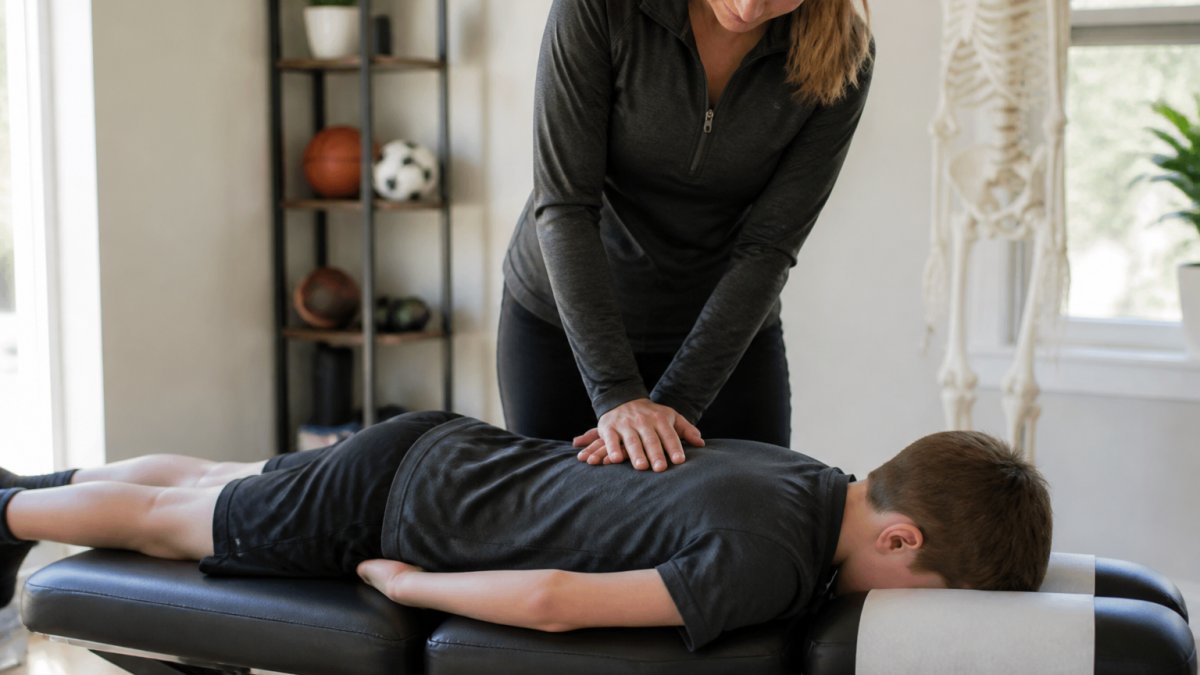
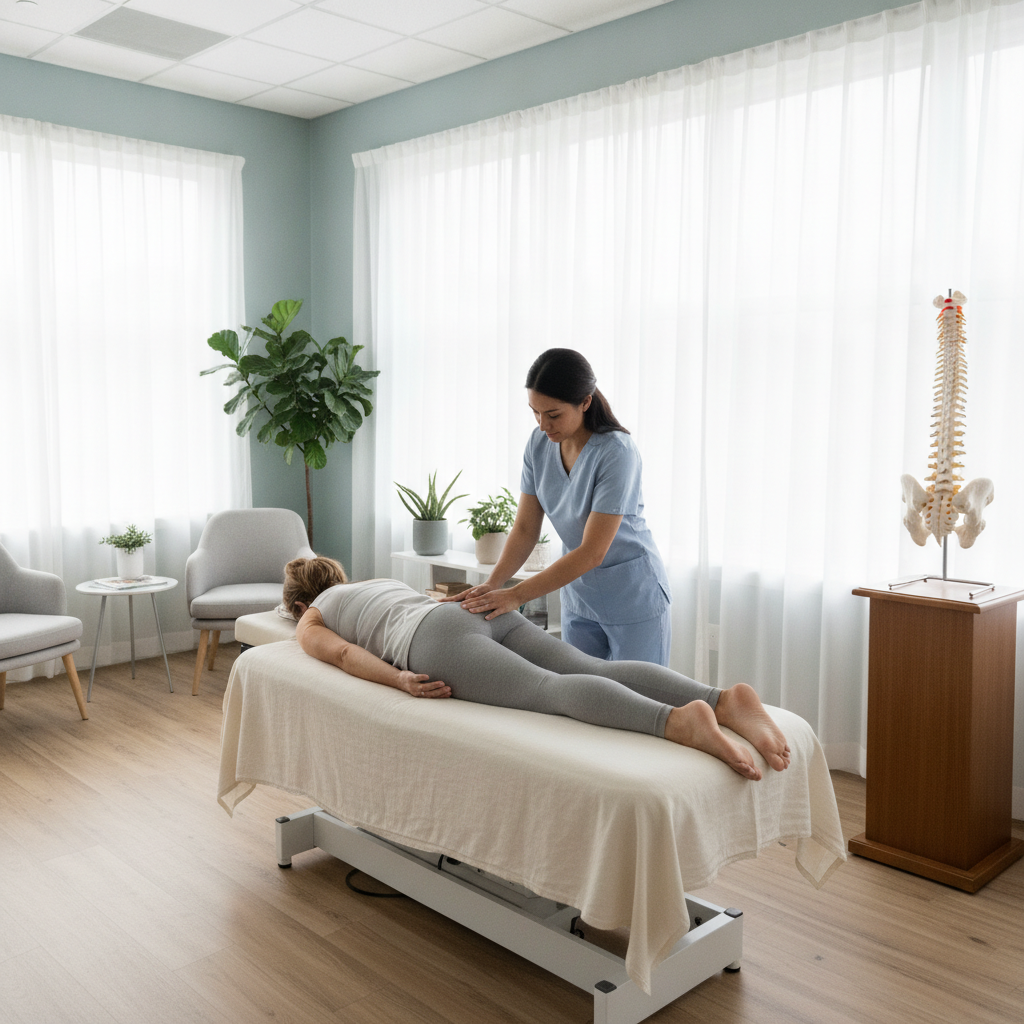
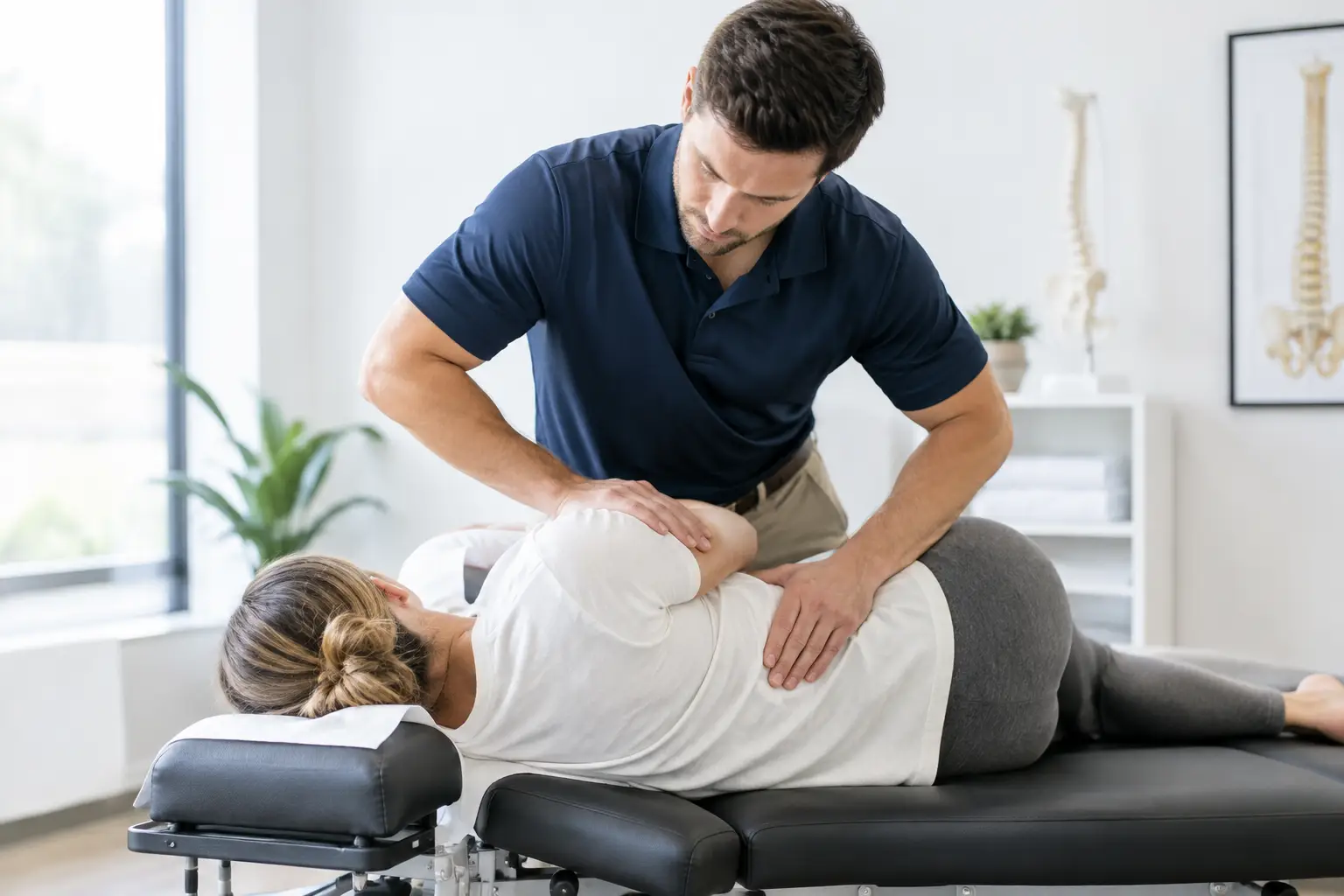
A chiropractor can evaluate how your neck, upper back, shoulders, posture, and movement patterns are working together. At Moore Chiropractic, care is tailored to the person in front of us, which may include gentle chiropractic adjustments, soft-tissue-focused approaches, therapeutic modalities, mobility guidance, and recommendations for home care. The goal is not simply to chase a temporary reduction in tension, but to help restore movement and address the factors that keep the area irritated.
Professional evaluation is particularly helpful after a car accident, work injury, or sports injury. Symptoms from whiplash and other soft-tissue injuries can be delayed, and early guidance can help you understand what movements are appropriate during recovery.
Do not ignore these warning signs
Most neck stiffness is muscular or mechanical, but some symptoms require prompt medical evaluation. Seek urgent care if neck pain or stiffness is accompanied by severe headache, fever, confusion, difficulty speaking, fainting, chest pain, trouble walking, new weakness, numbness, loss of coordination, or pain after a major fall or collision.
You should also be evaluated promptly if pain shoots down an arm, hand numbness persists, symptoms are worsening, or you have new bowel or bladder changes. These signs do not automatically mean something serious is happening, but they should not be managed with stretching alone.
Make comfort a daily habit
The most effective way to reduce recurring neck stiffness is often less dramatic than people expect. A few minutes of movement, a better workstation setup, a supportive sleep position, and early attention to new symptoms can make a meaningful difference over time.
Your neck should not dictate how confidently you work, drive, exercise, or enjoy time with your family. Start with gentle changes today, listen closely to how your body responds, and get personalized help when stiffness keeps getting in the way of the life you want to move through comfortably.