Last Updated: November 3, 2026
Quick Summary
You can relieve neck pain without medication through chiropractic care, targeted exercises like chin tucks, ergonomic fixes such as a laptop stand, and heat or cold therapy. Most neck pain is musculoskeletal, so mechanical problems respond to mechanical solutions rather than pain relievers. A complimentary evaluation can confirm which approach fits your situation.
- Most neck pain is musculoskeletal, stemming from muscles, ligaments, joints, or the cervical spine.
- Do chin tucks by gliding your head straight back, holding five seconds, and repeating ten times.
- Apply moist heat for 15 to 20 minutes before stretching to make muscle fibers more pliable.
- Use cold for 10 to 15 minutes on acute flare-ups, never exceeding 20 minutes.
- Stand and reset your posture every 30 minutes during desk work.
Table of Contents
- Why Drug-Free Neck Pain Relief Works
- Chiropractic Care for Neck Pain: What to Expect
- Neck Pain Relief Exercises You Can Do at Home
- Ergonomic Tips for Neck Pain at a Desk Job
- Heat, Cold, and Hands-On Therapies for Stiff Muscles
- Sleep Hygiene and Pillow Selection for Neck Support
- The Psychological Side of Chronic Neck Pain
- Book Your Complimentary Evaluation in San Antonio
- Frequently Asked Questions
Why Drug-Free Neck Pain Relief Works
Most neck pain is musculoskeletal in origin, meaning it stems from muscles, ligaments, joints, or the cervical spine rather than an infection or systemic disease. That distinction matters: mechanical problems respond to mechanical solutions. This guide covers neck pain treatment without medication, from posture correction to therapeutic exercise, and explains why conservative care is often the first line of defense.
The appeal of drug-free relief is straightforward. Over-the-counter pain relievers mask symptoms without addressing the underlying cause, and many people want to avoid daily medication for a problem that has a structural fix. A holistic approach to chronic pain management targets muscle tension, spinal alignment, and daily habits together. For a direct comparison of these two paths, see our breakdown of chiropractic vs medication for neck pain.
Chiropractic Care for Neck Pain: What to Expect
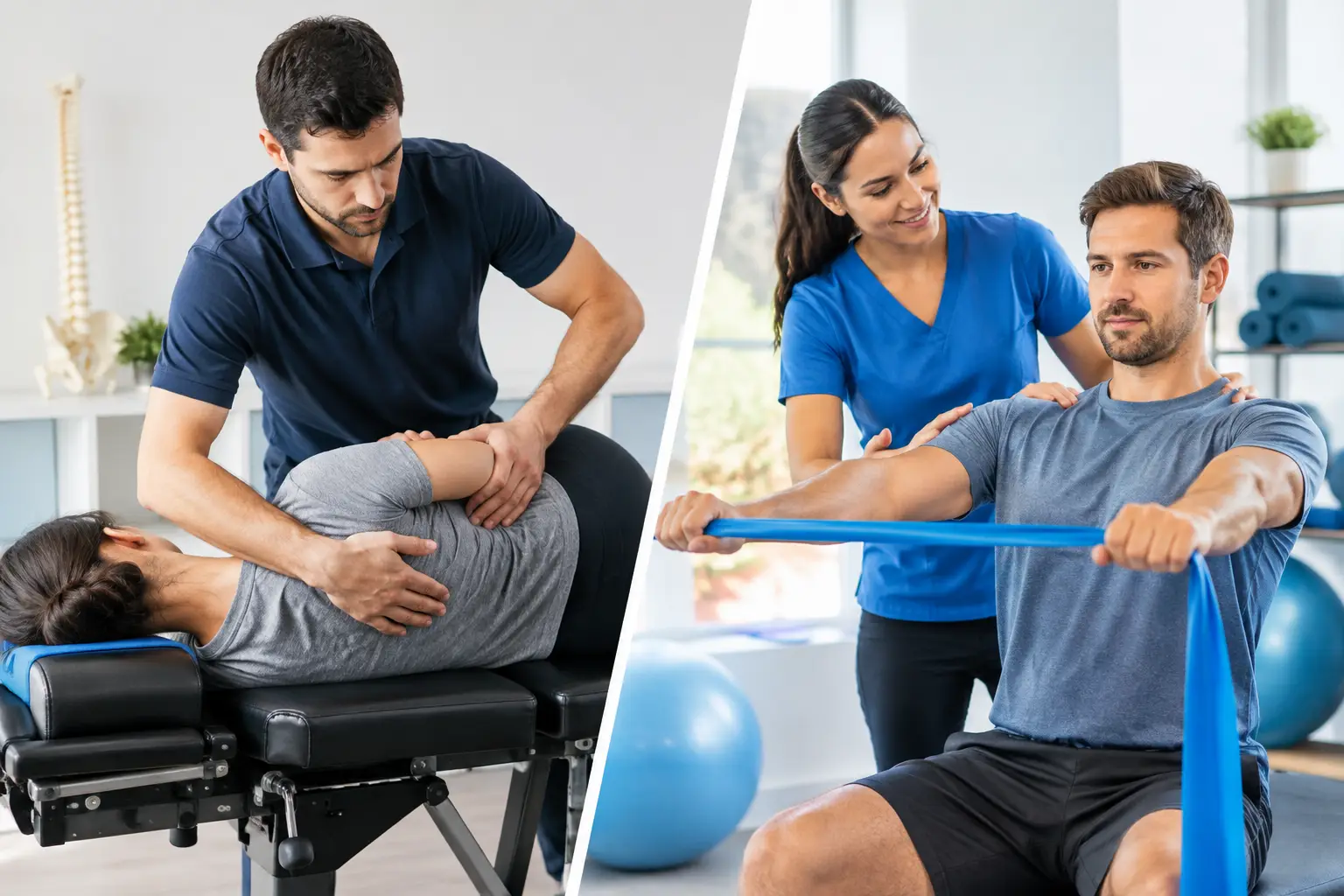
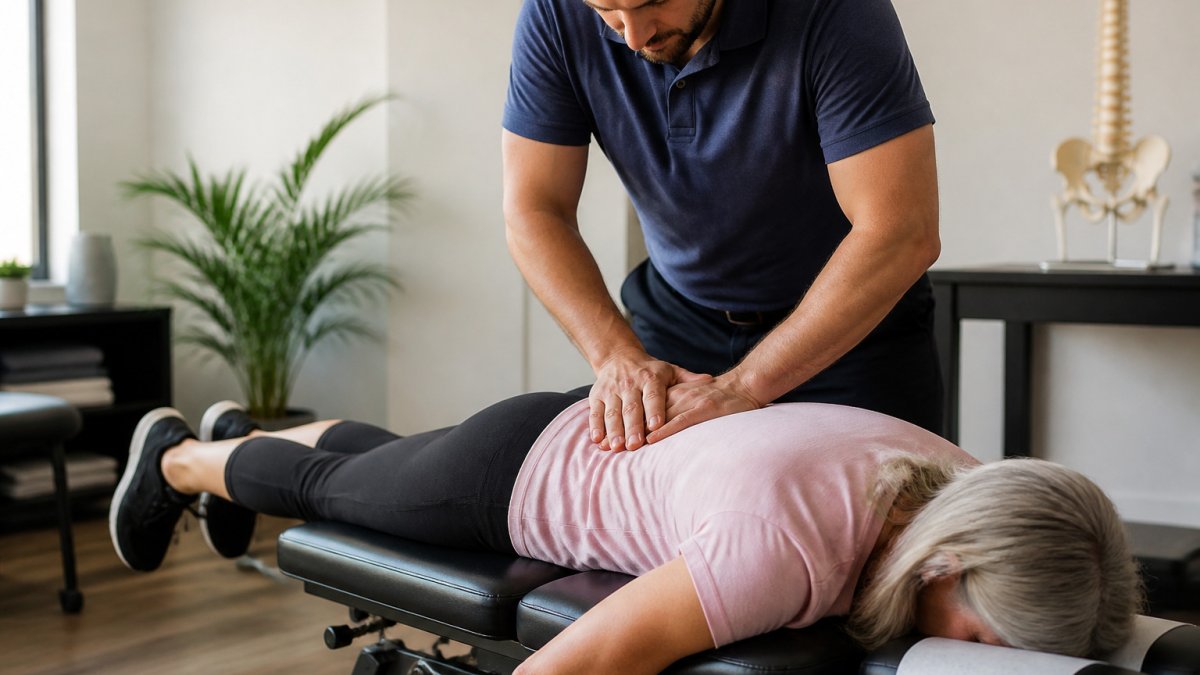
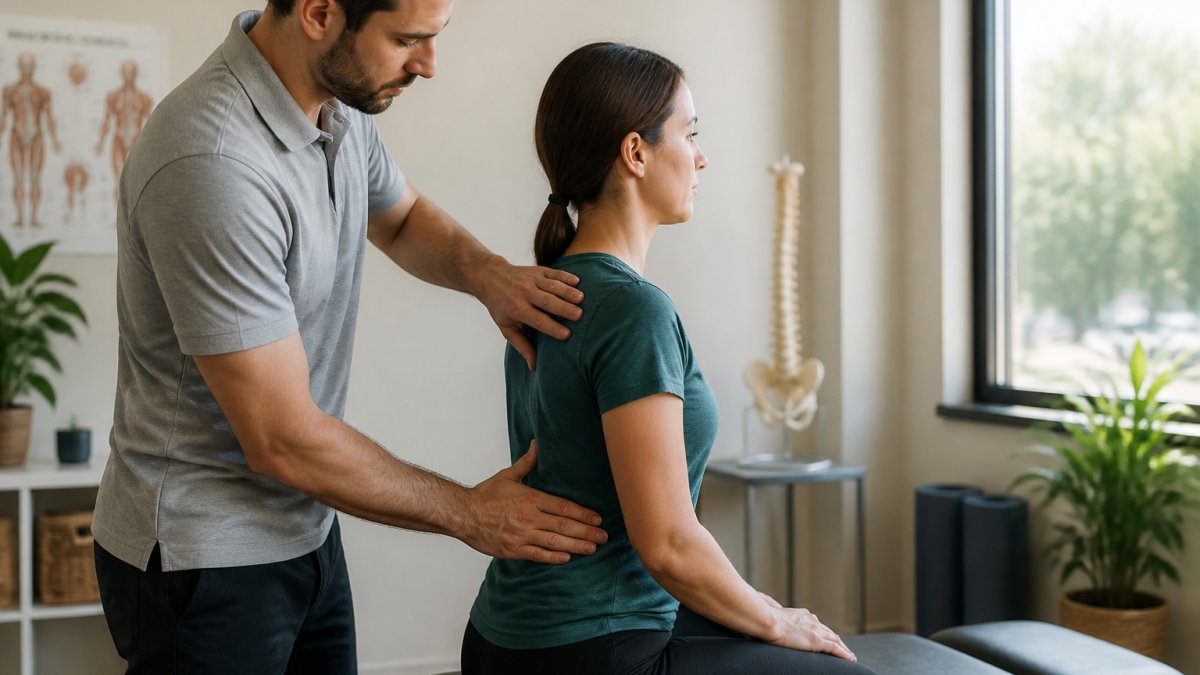
Chiropractic care for neck pain is generally a non-invasive, hands-on approach that focuses on spinal alignment and nerve irritation in the cervical vertebrae.
If you have never seen a chiropractor, the unknown can feel intimidating. Read what to expect during your first neck pain appointment before you book. Here is what a first visit generally involves:
- A health history and description of your symptoms
- A physical and neurological examination, including range of motion testing
- A discussion of findings and whether chiropractic care fits your situation
- A gentle adjustment or soft tissue work, if appropriate
- A home care plan covering exercises and ergonomics
If you are nervous about neck adjustments, say so. A good clinician explains every step and adapts technique to your comfort level.
Neck Pain Relief Exercises You Can Do at Home
Neck pain relief exercises are targeted movements that strengthen supporting muscles, improve range of motion, and reduce stiffness between appointments. Consistency matters more than intensity: a few minutes daily beats an occasional long session.

Chin Tucks and Cervical Retraction
Chin tucks counter forward head posture by activating the deep neck flexors. Sit tall, glide your head straight back as if making a double chin, hold for five seconds, and repeat ten times. Do this set two or three times a day. The movement should feel mild, never sharp.
Levator Scapulae and Trapezius Stretches
The levator scapulae and trapezius carry enormous tension from desk work and stress. For the upper trapezius, tilt your ear toward your shoulder and hold for twenty to thirty seconds per side. For the levator scapulae, turn your head about forty-five degrees and look down toward your armpit. Stop short of any pinch or radiating pain. For a wider set of movements, browse our chiropractor-recommended neck exercises.
Ergonomic Tips for Neck Pain at a Desk Job
Ergonomic tips for neck pain start with one principle: bring the work to your eyes, not your eyes to the work. But the generic “raise your monitor” advice misses the two devices that drive most tech neck in San Antonio’s remote-work population: the laptop and the phone.
The laptop trap. A laptop forces a choice between a low screen (head down) and a high screen (arms up). The fix is a laptop stand plus an external keyboard and mouse. Raise the laptop so the top of the screen sits at eye level, then drop the keyboard to elbow height. Equipment costs vary, so compare options before buying.
Monitor height and distance. For a desktop monitor, the top third of the screen should sit at or slightly below eye level, and the screen should be about an arm’s length away (roughly 20-28 inches). If you wear progressive lenses, you may need the monitor lower so you are not tilting your chin up to see through the reading portion.
Phone posture. The average adult head weighs about 11 pounds. Tilting the head forward 45 degrees can multiply the load on the cervical spine several times over. Hold the phone at eye level when you can, use speakerphone or a headset for long calls, and avoid cradling the phone between ear and shoulder. A $10 phone stand on your desk does more for your neck than most ergonomic pillows.
Movement beats furniture. Stand and reset your posture every 30 minutes. A simple timer or a standing desk with a reminder works. Use a headset for calls longer than a few minutes. The best chair in the world will not fix desk-related pain if screen height and daily movement habits stay the same.
San Antonio-specific note. Remote workers in San Antonio often run air conditioning for most of the year, which can leave neck muscles cold and stiff before a long desk session. A 5-minute walk outside in the morning, at a local park like Brackenridge Park or along the Mission Reach, warms the tissue and breaks up the overnight stiffness before you sit down.
Watch out: Buying a standing desk and standing all day is not a fix. Prolonged standing introduces its own strain; the goal is frequent position changes, not a single “correct” posture.
For a step-by-step plan, see how to treat desk job neck pain.
Heat, Cold, and Hands-On Therapies for Stiff Muscles
Heat and cold therapy are the cheapest, most accessible tools in neck pain treatment without medication, but most people use them wrong. The rule of thumb most physical therapists follow: use heat for stiffness and muscle guarding, use cold for acute irritation or a fresh flare-up, and never apply either directly to bare skin.
Heat. Moist heat penetrates more evenly than dry heat. A warm shower, a microwaveable moist heat pack, or a damp towel in a dryer for 5-10 minutes all work. Apply for 15-20 minutes before stretching or exercise so the muscle fibers are more pliable. Set the pack on a towel, not directly on the neck, and check the skin every few minutes.
Cold. An ice pack, a bag of frozen peas, or a cold gel pack wrapped in a thin towel for 10-15 minutes can calm acute irritation and reduce the muscle spasm that follows. Do not exceed 20 minutes, and do not fall asleep with ice on the neck.
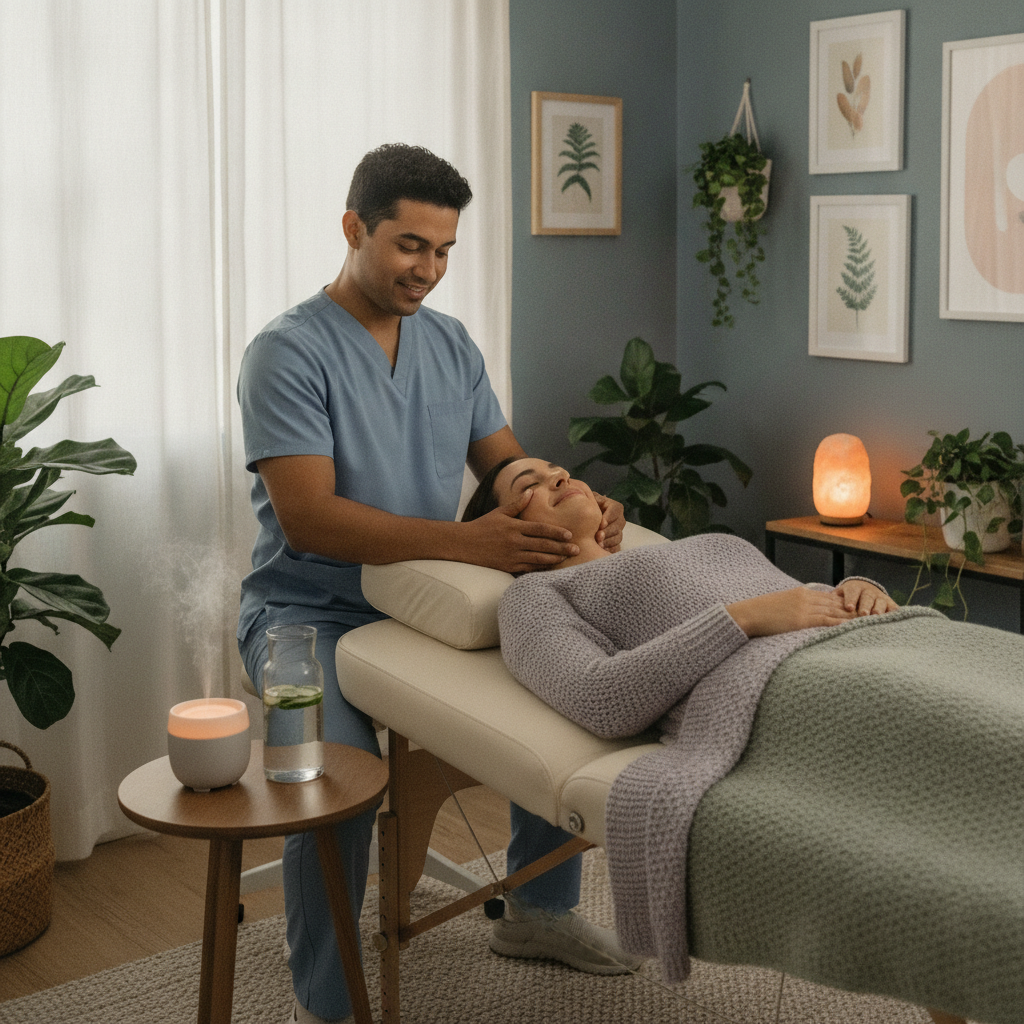
Massage therapy and myofascial release. The trapezius and levator scapulae are the two muscles most often implicated in desk-related neck pain. A licensed massage therapist working those trigger points can temporarily reduce tone and improve range of motion. Massage is often used alongside exercise rather than as a replacement for it. Massage therapists are licensed at the state level, so you can verify a provider’s credentials before booking.
TENS units. Transcutaneous electrical nerve stimulation delivers low-voltage current through adhesive pads to interrupt pain signals and prompt endorphin release. Over-the-counter TENS units are widely available in the U.S. Place pads on either side of the painful area, start at the lowest intensity that feels like a gentle tingling, and limit sessions to 20-30 minutes. TENS is an adjunct, not a cure; it does not strengthen tissue or correct posture.
Physiotherapy-guided rehabilitation. A physical therapist can prescribe progressive loading for the deep neck flexors and scapular stabilizers, which is the part of hands-on care that produces lasting change. Access rules for physical therapy vary by state and insurance plan, so check your state’s requirements and your coverage before booking.
Watch out: Combining heat, ice, massage, and TENS all in one day can mask the feedback you need to know whether any single tool is helping. Introduce one modality at a time for a week so you can tell what actually works.
Here is a quick reference for the hands-on and temperature-based therapies the article covers.
| Therapy | Best for | How to apply | Time or limit |
|---|---|---|---|
| Moist heat | Stiffness and muscle guarding | Warm shower, moist heat pack, or damp towel | 15-20 minutes before stretching |
| Cold | Acute irritation or a fresh flare-up | Ice pack, frozen peas, or gel pack in thin towel | 10-15 minutes; never over 20 |
| Massage therapy | Desk-related trapezius and levator scapulae tension | Licensed therapist working trigger points | Used alongside exercise, not instead |
| TENS unit | Interrupting pain signals, endorphin release | Pads on either side of painful area, lowest tingling intensity | 20-30 minutes per session |
| Physiotherapy-guided rehab | Lasting change via progressive loading | Therapist prescribes deep neck flexor and scapular work | Check state rules and coverage first |
Sleep Hygiene and Pillow Selection for Neck Support
Sleep hygiene and pillow selection are the most overlooked part of neck pain treatment without medication. You spend hours in one position overnight, and a pillow that props your head too high or too flat strains the cervical spine for all of it.
Look for a pillow that keeps your head in line with your spine: a contour pillow for back sleepers, a supportive pillow hugged to the chest for side sleepers. Stomach sleeping twists the neck and is worth breaking. Our guide to the best sleeping positions to prevent neck pain covers pillow height and positioning in detail.
The Psychological Side of Chronic Neck Pain
Chronic pain and stress feed each other. Muscle tension rises with stress, tension increases pain, and pain increases stress. Breaking that loop is part of treatment, not an afterthought.
Practical tools include slow breathing, progressive muscle relaxation, and biofeedback, which teaches you to notice and release tension you did not realize you were holding. Sleep and mood deserve the same attention as your posture. Some people find that addressing stress alongside physical care helps relieve tension.
Book Your Complimentary Evaluation in San Antonio
Persistent neck pain deserves a real assessment, not another bottle of pain relievers. If you are searching for neck pain treatment without medication near me in San Antonio, Moore Chiropractic offers a complimentary evaluation and consultation for new patients.
Contact Moore Chiropractic to schedule your complimentary evaluation.
Frequently Asked Questions
How can I relieve severe neck pain at home without pills?
Start with a warm compress for 15 to 20 minutes to loosen muscle tension, then try gentle range of motion movements like slow chin tucks. Avoid forcing your neck into painful positions. If stiffness or nerve irritation lasts more than a few days, or you have numbness or tingling down your arm, see a qualified professional for an evaluation. A chiropractor can assess your cervical spine and recommend non-invasive care.
When should I see a chiropractor for neck pain in San Antonio?
Consider chiropractic care for neck pain when stiffness or discomfort lasts more than a week, keeps returning, or limits your range of motion. It is also worth a visit after a motor vehicle accident or sports injury. Moore Chiropractic offers a complimentary evaluation and consultation, so you can find out whether gentle chiropractic care fits your situation before committing to anything.
Are there specific stretches that help with neck stiffness?
Chin tucks, levator scapulae stretches, and gentle trapezius stretches are common neck pain relief exercises. Move slowly and stop if you feel sharp pain or dizziness. Pair them with ergonomic tips for neck pain, such as raising your monitor to eye level, so you are not undoing the stretches at your desk. Consistent, gentle movement usually helps more than aggressive stretching.
What does gentle chiropractic care actually mean?
Gentle chiropractic care uses controlled, low-force techniques rather than forceful cracking. The goal is to improve spinal alignment and reduce muscle tension around the cervical vertebrae. At Moore Chiropractic, care plans are personalized, and the team will explain each step before it happens. If chiropractic is not right for your situation, a good provider will tell you during the complimentary evaluation.
Neck pain rarely resolves on its own when the underlying cause goes unaddressed. At Moore Chiropractic, we pair gentle chiropractic techniques with personalized care plans to support enhanced mobility and lasting relief. Get started with Moore Chiropractic and take the first step toward moving comfortably again.