Table of Contents
- Why Lifestyle Habits Matter for Chronic Pain
- Exercise for Chronic Pain: Building Strength Without Overdoing It
- Sleep and Chronic Pain: Restorative Rest as Treatment
- Stress Management for Chronic Pain: Breaking the Pain-Stress Cycle
- Pacing Activities With Chronic Pain: The Key to Consistency
- Nutrition and Anti-Inflammatory Eating for Pain Relief
- Building Your Personalized Habit Plan: Start Small and Adjust
- When to Seek Professional Support
- Frequently Asked Questions
Last Updated: October 17, 2026
Why Lifestyle Habits Matter for Chronic Pain
Chronic pain drains energy, limits activity, and affects mood and sleep, but lifestyle changes can make a real difference.
Small, consistent habits can reduce pain and restore function by addressing root causes rather than masking symptoms.
Move better, sleep deeper, manage stress, and eat well, and inflammation drops, muscles relax, and your nervous system calms, changes that compound over weeks and months.
This guide covers the specific lifestyle habits that improve chronic pain symptoms, habits you can start today, whether you’re dealing with back pain, neck tension, or injury recovery.
Exercise for Chronic Pain: Building Strength Without Overdoing It
Movement is one of the most powerful tools for managing chronic pain, the trick is choosing the right kind and progressing without pushing too hard.
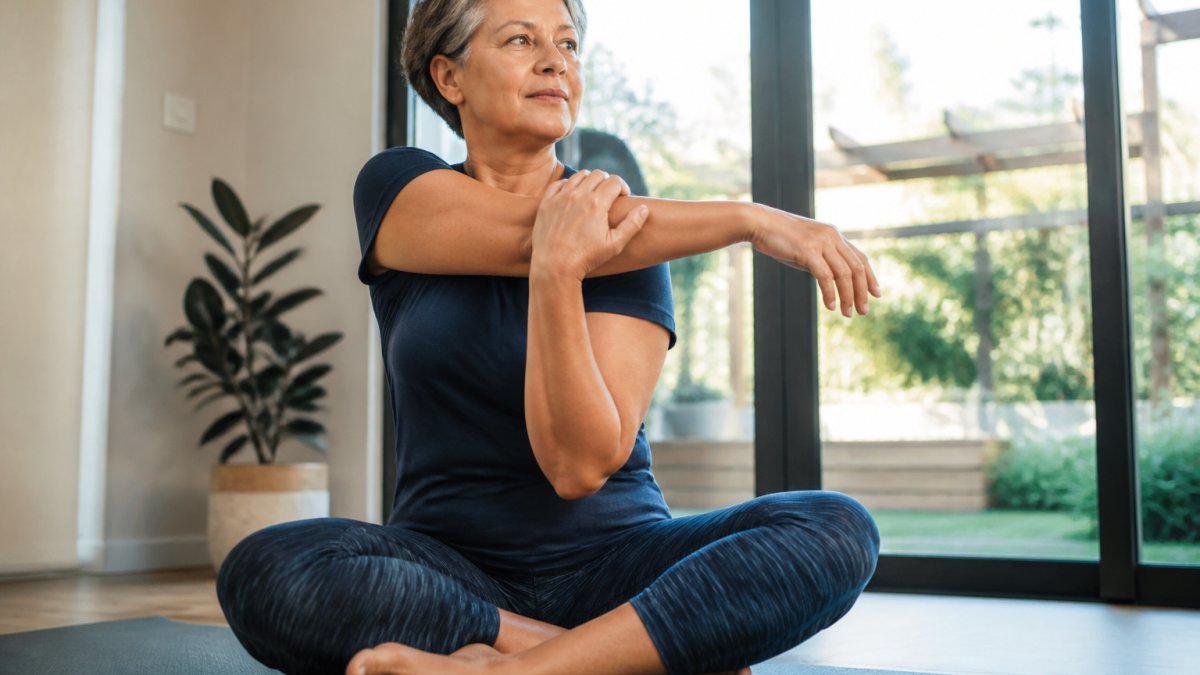
Exercise strengthens the muscles supporting your spine and joints, improves circulation to healing tissues, and triggers natural pain-relieving chemicals.
The biggest mistake is exercising too intensely too soon, causing flare-ups and discouragement. Start gentle, build gradually, and remember consistency beats intensity.
Low-Impact Options: Walking, Swimming, and Yoga
Low-impact exercise protects your joints while building strength and endurance, and works well for most people with chronic pain.
Walking is the easiest start: begin with 10-15 minute walks on flat ground and build to 30 minutes most days.
Swimming and water aerobics support your body weight to reduce joint strain, while resistance builds strength and warmth relaxes tight muscles.
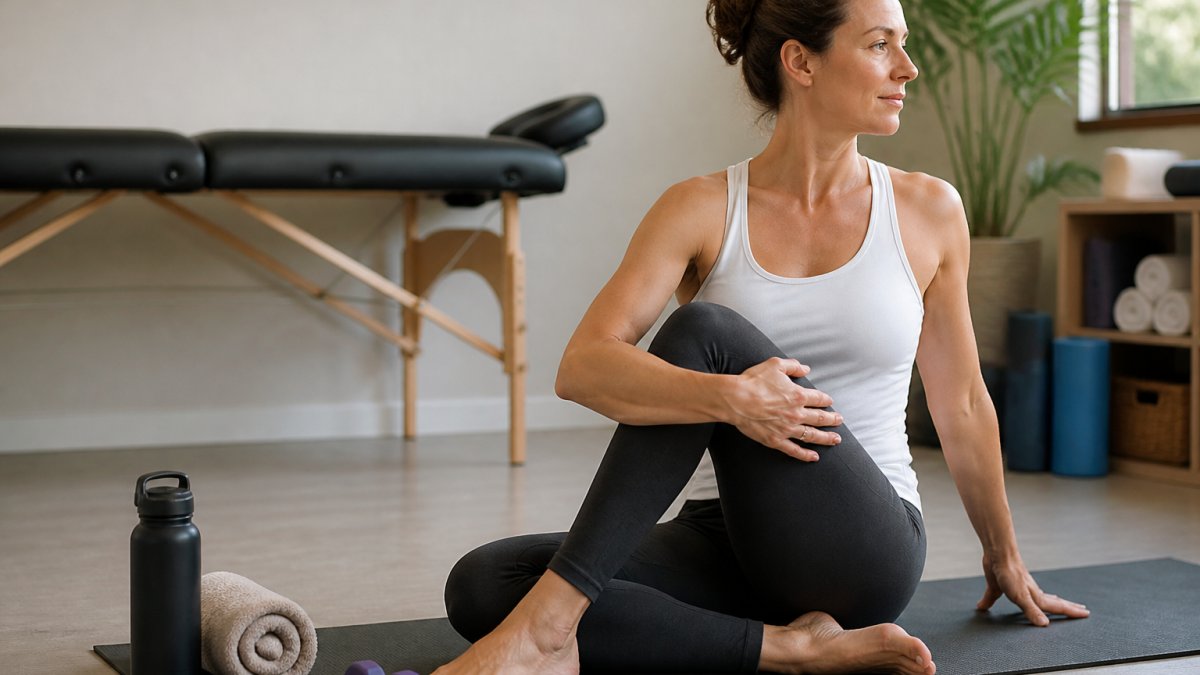
Yoga combines gentle stretching and breathing to improve flexibility and reduce tension.
Gentle Strengthening and Stretching
Weak muscles make pain worse; gentle strengthening rebuilds support for your spine and joints without injury.
Start with these basic movements:
- Hold a wall squat for 10-15 seconds, rest, repeat 3-5 times
- Lie on your back and gently pull one knee toward your chest, hold 15-20 seconds per leg
- On your hands and knees, slowly arch and round your back, 10 times
Stretch after movement when muscles are warm. Hold each stretch for 15-30 seconds without bouncing. Never push into pain, gentle tension only.
Consistency matters more than intensity: three 15-minute sessions per week beat one hour-long session.
Sleep and Chronic Pain: Restorative Rest as Treatment
Poor sleep makes pain worse, and pain disrupts sleep, a self-feeding cycle. Generic sleep-hygiene lists miss the specific problem people with chronic pain face: pain that wakes you up and keeps you from getting back down.
During deep sleep, growth hormone increases, inflammation decreases, and tissues heal. Research shows even one or two poor nights lower pain tolerance the next day, which is why a bad night often predicts a bad pain day.
Sleep Habits That Support Pain Relief
Create a sleep routine that signals your body it’s time to rest:
- Go to bed and wake up at the same time every day, even on weekends
- Keep your bedroom cool (around 65-68°F), dark, and quiet (Sleep Hygiene Tips for Better Rest Tonight)
- Remove phones, tablets, and screens one hour before bed
Your sleep position matters. Back sleepers: place a pillow under your knees to support your lower back. Side sleepers: put a pillow between your knees. Avoid sleeping on your stomach, it twists your neck and spine.
When Pain Wakes You at 2 A.M.: A Flare-Up Sleep Plan
Most sleep advice assumes you stay asleep. For people with chronic pain, the harder problem is the middle-of-the-night wake-up. Have a plan:
- Don’t check the clock. Clock-watching triggers anxiety and makes it harder to fall back asleep. Turn the clock away from the bed.
- Use heat or ice before bed, not during the night. A heating pad or ice pack 20-30 minutes before bed relaxes tight muscles. Keep it off during sleep to avoid burns or falls.
- Get up after 20 minutes of lying awake. Move to a chair in dim light and do slow breathing (see the stress section) until sleepy. Return to bed when drowsy. This keeps your brain from associating the bed with frustration.
- Log the wake-up. Note the time, the pain location, and what you did. After two weeks, patterns often emerge, a specific position, a late meal, or an afternoon activity that predicts a rough night.
Track sleep the same way you track activity. A simple note, bedtime, wake time, number of night wakings, pain level on waking (0-10), gives you and your clinician something concrete to work with. Bring it to your next appointment.
Sleep and Your Pain Log
Sleep is one of the most useful variables in a symptom log because it’s measurable and changes quickly. If you’re tracking activity and pain (see the pacing section), add three columns: hours slept, night wakings, and morning pain. Within two to three weeks you’ll often see whether a late walk, a stressful day, or a new pillow is helping or hurting.
Loud snoring, gasping, or witnessed pauses in breathing during sleep can point to sleep apnea, a common and treatable condition that worsens pain, fatigue, and blood pressure. If a bed partner notices these, or if you wake unrefreshed despite adequate hours, ask a healthcare provider about a sleep evaluation. Sleep aids and alcohol are not substitutes for treating an underlying sleep disorder.
Stress Management for Chronic Pain: Breaking the Pain-Stress Cycle
Stress and pain feed each other: stress tightens muscles, increases inflammation, and lowers pain tolerance, while chronic pain causes stress and anxiety.
Breaking it requires active stress management, techniques that calm your nervous system, not just positive thinking.
Mindfulness, Meditation, and Relaxation Techniques
These techniques work by shifting your nervous system from “fight or flight” mode to “rest and digest” mode.
Mindfulness means paying attention to the present without judgment.
Start with five minutes daily:
- Sit comfortably in a quiet space
- Focus on your breath, in through your nose, out through your mouth
- When your mind wanders, gently bring attention back to your breath
Meditation is similar but often includes a focus word or visualization. Many people find guided meditations easier to start with.
Progressive muscle relaxation works by tensing and releasing muscle groups.
Breathing exercises calm your nervous system instantly.
Pacing Activities With Chronic Pain: The Key to Consistency
Pacing means matching activity to what your body can handle today, not doing less, but doing things in a way that doesn’t cause a flare-up.
Most people with chronic pain follow a boom-bust cycle: feel okay, do too much, crash, rest too long, repeat. Pacing breaks this pattern.
Setting Realistic Goals and Tracking Progress
Track what you do and how you feel. This reveals your limits and shows progress over time.
Keep a simple log:
- What activity did you do today?
- How long did you do it?
- What was your pain level before (0-10 scale)?
After two weeks, patterns emerge. You’ll see which activities help and which trigger flare-ups. You’ll learn your sustainable activity level.
Set small, specific goals:
- “I’ll walk 15 minutes, three times this week” (not “I’ll exercise more”)
- “I’ll do stretches every morning before breakfast” (not “I’ll stretch daily”)
- “I’ll practice deep breathing when stress hits” (not “I’ll manage stress better”)
Start below what you think you can handle. Build gradually. If you go pain-free for two weeks, increase slightly. If pain increases, scale back.
Nutrition and Anti-Inflammatory Eating for Pain Relief
What you eat affects inflammation and pain, but the effect is gradual and modest, not a cure. The goal isn’t a perfect diet but a sustainable pattern built around whole foods that supports your other habits.
You don’t need a special diet. Focus on basics:
- Eat more: fruits, vegetables, fish, nuts, olive oil, whole grains, beans
- Eat less: sugar, fried foods, processed meats, refined carbohydrates, excessive alcohol
Anti-inflammatory eating means choosing foods your great-grandmother would recognize. Real food. Minimal processing.
What the Evidence Actually Supports
Most practitioners find that an overall Mediterranean-style pattern, vegetables, fruit, whole grains, beans, nuts, olive oil, and fish, is the best-supported eating pattern for reducing inflammation and supporting joint and heart health.
Set realistic expectations. Nutrition changes typically take four to eight weeks to show noticeable effects on stiffness and energy, and results vary. Nutrition is a supportive habit, not a treatment for an underlying condition.
A Realistic Week of Anti-Inflammatory Meals
Abstract advice is hard to follow. Here’s what a simple week can look like:
| Meal | Example |
|---|---|
| Breakfast | Oatmeal with berries and walnuts; plain Greek yogurt with fruit |
| Lunch | Bean-and-vegetable soup with whole-grain bread; grilled chicken salad with olive oil |
| Dinner | Baked salmon with roasted vegetables; black bean tacos with cabbage slaw |
| Snack | Apple with peanut butter; handful of almonds; carrot sticks with hummus |
Start small. Add one vegetable to dinner. Switch to whole-grain bread. Swap one soda for water. These small changes compound. After four weeks, most people notice less stiffness and better energy.
Hydration
Stay hydrated. Dehydration increases pain perception and stiffness. A commonly used target is roughly half your body weight in ounces of water daily, about 80 ounces for a 160-pound adult, adjusted for heat, activity, and medical advice. In San Antonio, summer heat raises fluid needs, so plan water around outdoor time.
When Cooking or Shopping Is Hard
Pain, fatigue, and budget are real barriers. Practical workarounds:
- Batch cook on good days. Make a large pot of beans or soup and freeze portions for flare-up days.
- Use frozen and canned vegetables. They’re nutritionally comparable to fresh and far more forgiving. Rinse canned beans to reduce sodium.
- Shop with a list and a plan. Two or three go-to meals reduce decision fatigue.
Nutrition is one habit among several. Don’t let a perfect-diet goal crowd out sleep, movement, and pacing, those often produce faster, more noticeable relief. Pick one food change this week and build from there.
Building Your Personalized Habit Plan: Start Small and Adjust
The best habit plan is one you’ll actually follow. Generic plans fail because they don’t match your life.
Start with ONE habit. Not five. One.
Pick the area where you’ll get the most relief, usually better sleep or gentle movement. Do that for two weeks until it feels automatic. Then add the next habit.
Your habit plan might look like this:
| Week | Habit | Duration | Frequency |
|---|---|---|---|
| 1-2 | Evening walk | 15 minutes | 3x per week |
| 3-4 | Add stretching | 10 minutes | Daily, after walk |
| 5-6 | Add sleep routine | Consistent bedtime | Every night |
| 7-8 | Add breathing exercises | 5 minutes | When stressed |
Common Mistakes to Avoid
Starting too big. You can’t overhaul your life in one week. Pick one habit. Master it.
Expecting instant results. Lifestyle changes take 4-8 weeks to show real effects.
All-or-nothing thinking. Missed a workout? That doesn’t ruin everything. Do the next one. Progress isn’t linear.
Skipping professional guidance. If pain worsens or doesn’t improve after 6-8 weeks of consistent habits, see a professional.
When to Seek Professional Support
Lifestyle habits are powerful, but they’re not the whole answer for everyone. Some pain requires professional assessment and treatment.
See a healthcare provider if:
- Pain doesn’t improve after 6-8 weeks of consistent habits
- Pain suddenly worsens
- You develop new symptoms (numbness, weakness, loss of function)
Many people find that professional treatment accelerates recovery.
Your pain didn’t develop overnight. But with consistent lifestyle habits and professional support when needed, many people experience significant improvement.
Chronic pain limits what you do and how you feel.
Frequently Asked Questions
What lifestyle changes can help reduce chronic pain symptoms?
Combining regular low-impact exercise, quality sleep, stress reduction, and anti-inflammatory nutrition creates a foundation for managing chronic pain. Pacing activities to avoid flare-ups and tracking how your body responds to each habit helps you identify what works best for your specific condition. Most people see gradual improvement over weeks to months when they consistently apply multiple lifestyle changes together, rather than relying on a single approach.
How does exercise for chronic pain differ from regular fitness routines?
Exercise for chronic pain prioritizes consistency and gentle progression over intensity. Walking, swimming, water aerobics, and yoga build strength and mobility without triggering flare-ups. Start with shorter sessions (10-15 minutes) and increase gradually as your body adapts. The goal is sustainable movement that maintains function and reduces stiffness, not pushing through pain or achieving fitness milestones.
Can better sleep actually reduce chronic pain symptoms?
Yes. Sleep deprivation lowers your pain threshold and reduces your body’s ability to repair tissue. Establishing consistent sleep schedules, keeping your bedroom cool and dark, and avoiding screens before bed improve sleep quality, which directly supports pain management. Many people notice reduced pain intensity and better daytime function within a few weeks of improving sleep habits, though this varies by individual condition.
What should I do if lifestyle changes don’t seem to be working?
Give changes time to take effect (typically 4-8 weeks of consistent effort), then consult with a healthcare professional. You may need to adjust your approach, address underlying conditions, or combine lifestyle habits with professional treatment like chiropractic care. A qualified practitioner can assess whether your pain requires additional intervention or whether your habit plan needs personalization based on your specific diagnosis and ability level.