
Living with back pain can be more than just a physical challenge, it can impact every aspect of your life, from your work to your relationships and your mental well-being. For small business owners, developers, and everyday individuals, the reality of long-term disability back pain is often overwhelming. Navigating the journey from initial symptoms to seeking support and understanding your options can feel daunting. But you are not alone. Whether you are just starting to explore your symptoms or have been living with chronic pain for years, there are strategies, resources, and support systems available to help you regain control. This comprehensive guide will walk you through the essentials of long-term disability back pain, offering practical advice, expert insights, and actionable steps to help you manage your condition and protect your livelihood. From understanding your rights to building a sustainable daily routine, this article is designed to empower you to make informed choices and find hope for the future.
Long-Term Disability Back Pain in San Antonio
Long-term disability back pain is a widespread concern that affects countless individuals in the area, disrupting daily routines and making it difficult to maintain employment. For business owners and tech professionals, the impact can be especially significant, as back pain may limit your ability to sit, stand, or focus for extended periods. Understanding the causes of long-term disability back pain is the first step toward managing it effectively. Common culprits include herniated discs, spinal stenosis, degenerative disc disease, and injuries from accidents or repetitive strain. Early intervention is crucial, as untreated pain can lead to further complications and a decline in quality of life. If you are experiencing persistent discomfort or mobility issues, seeking medical advice is essential. For many, managing back pain involves a combination of medical treatment, lifestyle changes, and ergonomic adjustments. By taking proactive steps, you can reduce the risk of long-term disability and maintain your independence. For related information, see managing back pain.
Understanding Long-Term Disability Back Pain in San Antonio, TX
When it comes to long-term disability back pain in San Antonio, TX, it is important to recognize how this condition can affect your work and personal life. Back pain is one of the leading causes of disability claims, often resulting in extended time away from work or even permanent changes to your career path. The process of filing for long-term disability can be complex, requiring detailed medical documentation and a clear understanding of your insurance policy. Many people are unaware of the specific requirements their insurer may have, such as regular updates from healthcare providers or proof of ongoing treatment. It is also essential to communicate openly with your employer about your limitations and explore accommodations that can help you stay productive. For those in the tech industry or running a business, this might mean investing in ergonomic workstations or delegating certain tasks. Staying informed about your rights and responsibilities will help you navigate the challenges of long-term disability back pain more effectively. For more on your rights and responsibilities, see Back Pain and Long-Term Disability. For related information, see Back Pain and Long-Term Disability.
Navigating Long-Term Disability Back Pain in San Antonio Texas
Navigating long-term disability back pain in San Antonio Texas requires a comprehensive approach that considers both medical and practical aspects. From diagnosis to ongoing management, each step is crucial in ensuring the best possible outcome. Start by consulting with a healthcare professional who specializes in spinal health or pain management. They can help identify the root cause of your pain and recommend appropriate treatments, which may include physical therapy, medication, or minimally invasive procedures. It is also helpful to keep a detailed pain journal, noting when symptoms worsen and what activities trigger discomfort. This information can be invaluable when working with your doctor or filing disability claims. Additionally, support groups and online communities can provide encouragement and practical tips from others facing similar challenges. If you are interested in exploring new patient resources or want to learn more about available services, reaching out to local providers is a great next step. For additional service details and local availability, readers can learn more.
When to Seek Professional Help for Long-Term Disability Back Pain
Recognizing when to seek professional help for long-term disability back pain is vital for your health and well-being. If your pain persists for more than a few weeks, interferes with daily activities, or is accompanied by symptoms such as numbness, tingling, or weakness, it is time to consult a specialist. Early intervention can prevent further damage and improve your chances of recovery. Professionals like chiropractors, physical therapists, and pain management doctors offer a range of treatments tailored to your specific needs. In this community, clinics such as Moore Chiropractic provide comprehensive care for individuals struggling with chronic back pain. Do not wait until your symptoms become unbearable, taking action early can make a significant difference in your long-term outcome. Remember, seeking help is a sign of strength, not weakness, and can set you on the path to better health and improved quality of life.
Common Causes of Long-Term Disability Back Pain
Understanding the common causes of long-term disability back pain can help you take preventive measures and seek timely treatment. Some of the most frequent causes include herniated or bulging discs, spinal stenosis, degenerative disc disease, and injuries from falls or accidents. Repetitive strain from poor posture or improper lifting techniques is also a significant contributor, especially for those who spend long hours at a desk or perform physically demanding tasks. In some cases, underlying health conditions such as arthritis or osteoporosis can exacerbate back pain, leading to chronic discomfort and reduced mobility. By identifying the root cause of your pain, you can work with healthcare professionals to develop a personalized treatment plan. Early diagnosis and intervention are key to preventing further complications and maintaining your independence, particularly for business owners and professionals who rely on their physical and mental agility to succeed.
Symptoms and Warning Signs to Watch For
Recognizing the symptoms and warning signs of long-term disability back pain is essential for early intervention. While occasional aches and stiffness are common, persistent pain that lasts for weeks or months should not be ignored. Key warning signs include sharp or shooting pain, numbness or tingling in the legs, muscle weakness, and difficulty standing or walking. If you experience loss of bladder or bowel control, seek immediate medical attention, as this can indicate a serious condition requiring urgent care. Other red flags include unexplained weight loss, fever, or a history of cancer. Monitoring your symptoms and keeping a detailed record can help your healthcare provider make an accurate diagnosis and recommend the most effective treatment options. By staying vigilant and proactive, you can reduce the risk of long-term disability and improve your chances of a successful recovery.
Treatment Options for Long-Term Disability Back Pain
There are a variety of treatment options available for individuals dealing with long-term disability back pain. The most effective approach is often a combination of therapies tailored to your specific needs and lifestyle. Physical therapy is a cornerstone of back pain management, focusing on strengthening core muscles, improving flexibility, and correcting posture. Medications such as anti-inflammatories or muscle relaxants may provide temporary relief, while minimally invasive procedures like epidural injections can help reduce inflammation and pain. In severe cases, surgery may be necessary to address structural issues within the spine. Complementary therapies, including chiropractic care, acupuncture, and massage, can also play a valuable role in managing symptoms. It is important to work closely with your healthcare team to develop a comprehensive treatment plan that addresses both the physical and emotional aspects of chronic pain. Regular follow-ups and adjustments to your plan will help ensure the best possible outcome.
Lifestyle Changes to Support Recovery
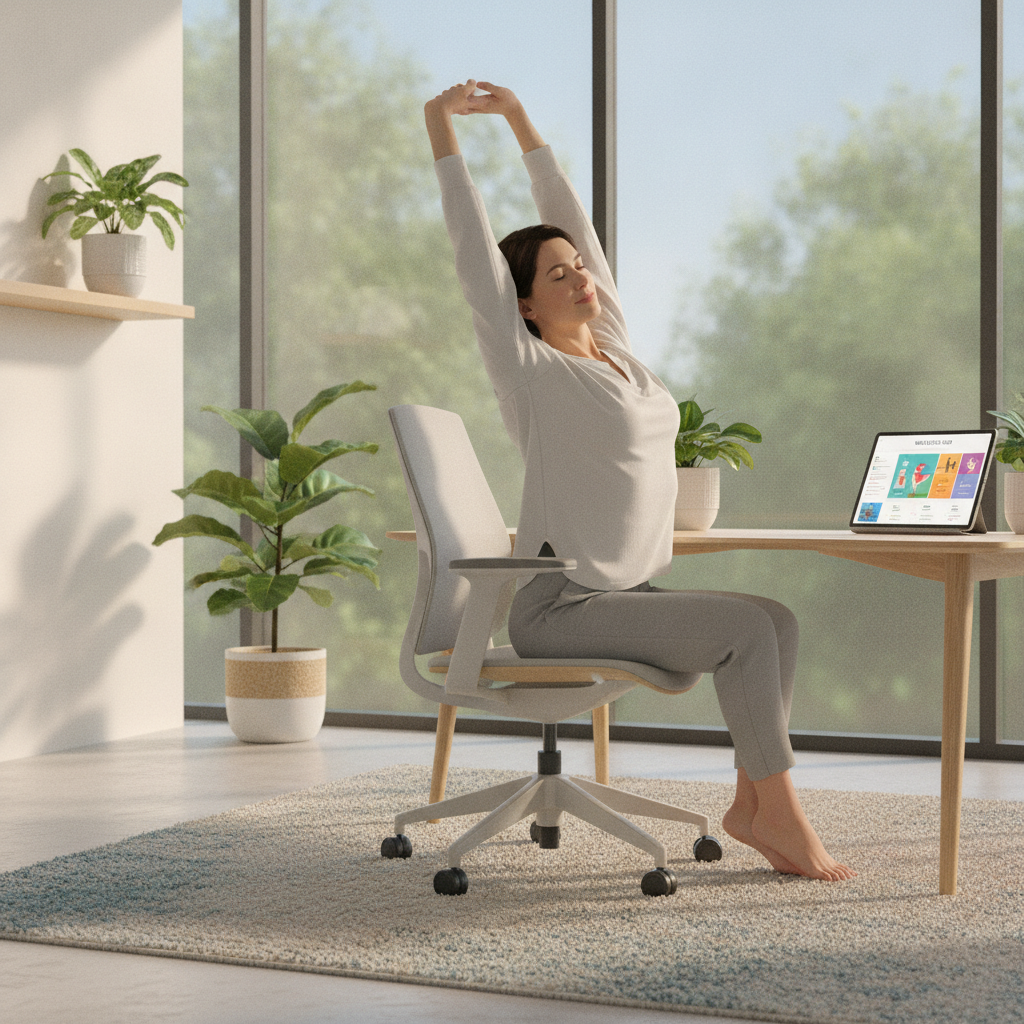
Making lifestyle changes is a critical part of managing long-term disability back pain and supporting your recovery. Simple adjustments, such as maintaining a healthy weight, staying active, and practicing good posture, can have a significant impact on your overall well-being. Incorporate regular low-impact exercises like walking, swimming, or yoga into your routine to strengthen your back and improve flexibility. Pay attention to ergonomics at work and home by using supportive chairs, adjusting your workstation, and taking frequent breaks to stretch. Nutrition also plays a role, eating a balanced diet rich in anti-inflammatory foods can help reduce pain and promote healing. Managing stress through mindfulness, meditation, or counseling can further support your recovery journey. By making these changes, you can enhance your quality of life and reduce the risk of future flare-ups, allowing you to stay active and engaged in your personal and professional life.
Table: Common Treatments for Long-Term Disability Back Pain
| Treatment | Description | Best For |
|---|---|---|
| Physical Therapy | Exercises and stretches to improve strength and mobility. | Most chronic back pain cases |
| Medication | Pain relievers, anti-inflammatories, muscle relaxants. | Short-term relief |
| Chiropractic Care | Spinal adjustments and manual therapies. | Alignment issues |
| Injections | Epidural steroid or nerve block injections. | Severe pain or inflammation |
| Surgery | Procedures to correct structural problems. | Advanced or unresponsive cases |
Workplace Accommodations and Legal Rights
Navigating long-term disability back pain often involves understanding your workplace rights and available accommodations. Employers are required by law to provide reasonable adjustments for employees with disabilities. This can include ergonomic chairs, adjustable desks, flexible work hours, or remote work options. It is important to communicate openly with your employer about your limitations and needs. Providing medical documentation can help facilitate the process and ensure you receive the support you deserve. If you encounter resistance or discrimination, resources such as the Americans with Disabilities Act (ADA) offer legal protections. Consulting with a human resources professional or disability advocate can provide guidance on how to approach these conversations and advocate for yourself. Remember, your health and well-being should always come first, and you have the right to a safe and supportive work environment.
Mental Health and Coping Strategies
Chronic back pain does not just affect your body, it can also take a toll on your mental health. Feelings of frustration, anxiety, or depression are common among those dealing with long-term disability back pain. It is important to acknowledge these emotions and seek support when needed. Coping strategies such as mindfulness meditation, cognitive behavioral therapy, and support groups can help you manage stress and maintain a positive outlook. Staying connected with friends and family, pursuing hobbies, and setting realistic goals can also improve your mood and overall quality of life. If you find yourself struggling, do not hesitate to reach out to a mental health professional. Addressing both the physical and emotional aspects of chronic pain is essential for a holistic recovery and a more fulfilling life.
Tips for Small Business Owners and Developers
Small business owners and developers face unique challenges when dealing with long-term disability back pain. Balancing the demands of running a business or meeting project deadlines with managing your health can be overwhelming. Prioritize self-care by setting boundaries, delegating tasks, and utilizing technology to streamline operations. Invest in ergonomic equipment and encourage a culture of wellness among your team. Stay informed about disability benefits and insurance options that can provide financial support during periods of reduced productivity. Networking with other entrepreneurs who have faced similar challenges can offer valuable insights and encouragement. By taking proactive steps and seeking support, you can continue to grow your business and thrive professionally, even while managing chronic back pain.
Bringing It Together
Living with long-term disability back pain is a journey that requires resilience, adaptability, and a proactive approach to both health and daily life. By understanding the causes, recognizing the warning signs, and seeking timely professional help, you can take meaningful steps toward managing your condition. Embracing lifestyle changes, exploring treatment options, and knowing your legal rights will empower you to maintain your independence and protect your livelihood. For small business owners, developers, and anyone facing the challenges of chronic back pain, remember that support is available, both medically and within your community. Stay informed, stay connected, and do not hesitate to seek help when you need it. With the right resources and mindset, it is possible to navigate the complexities of long-term disability back pain and create a path toward a healthier, more fulfilling future.