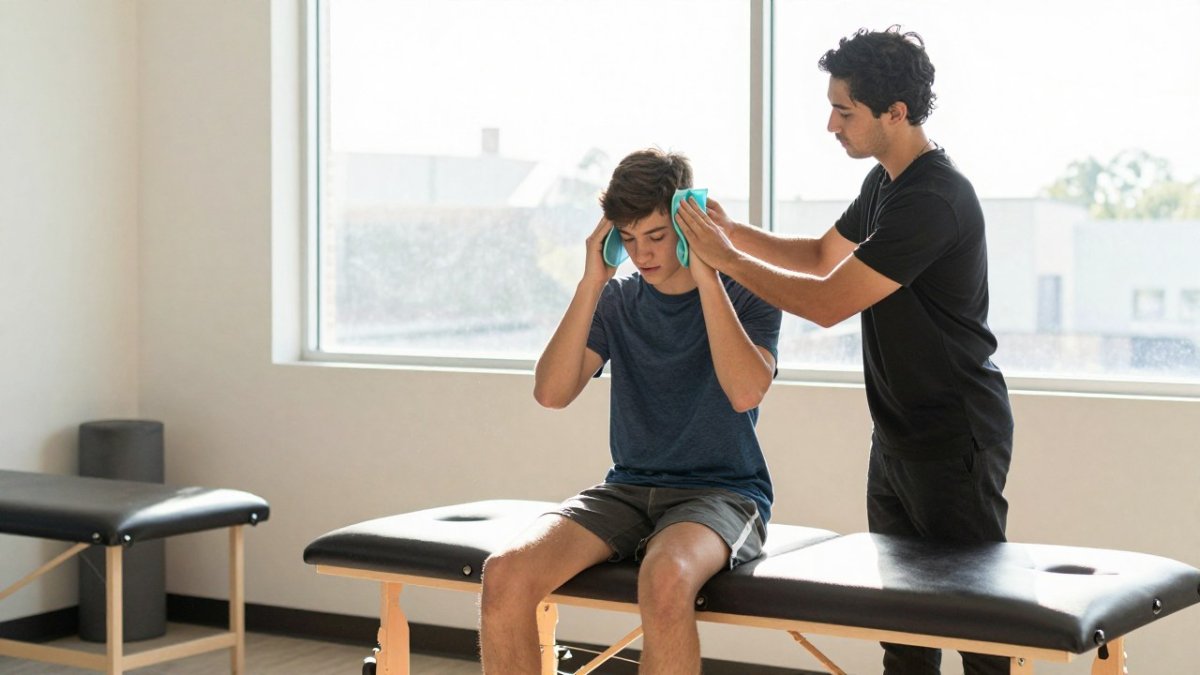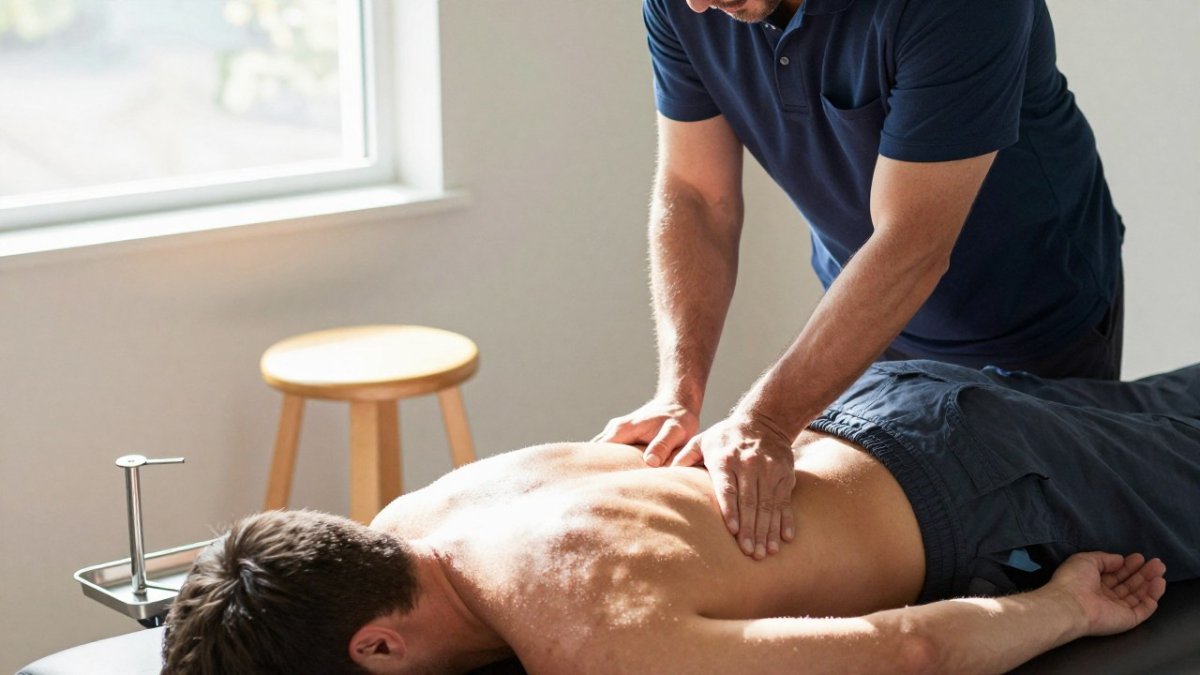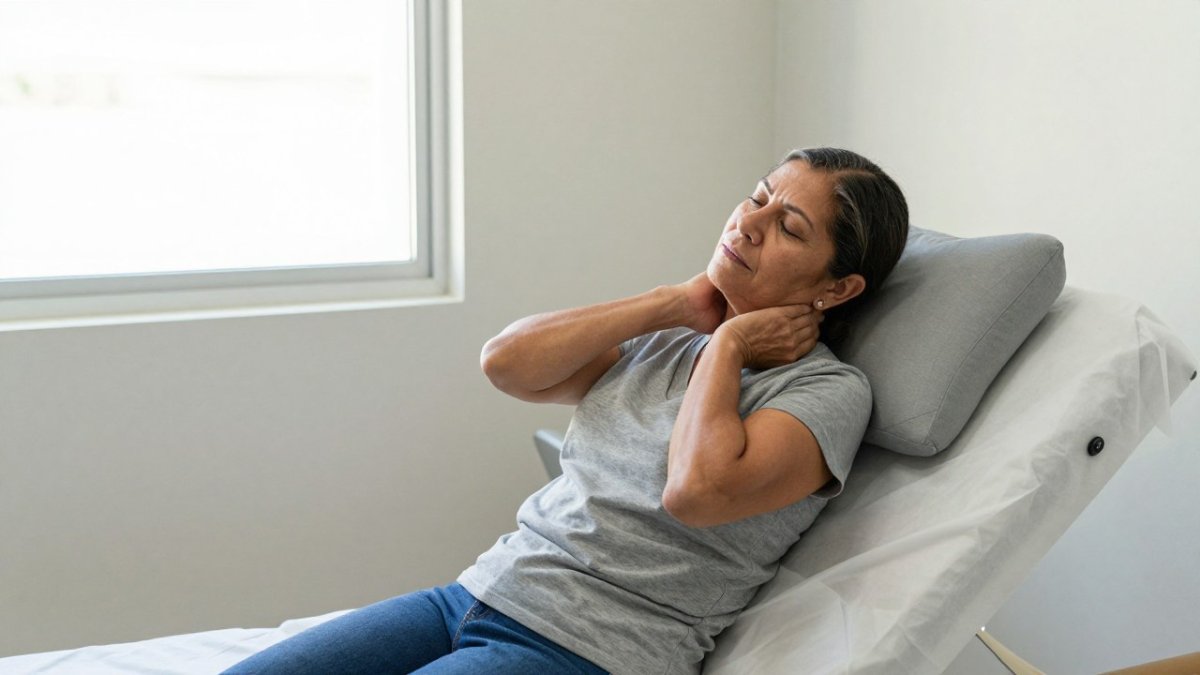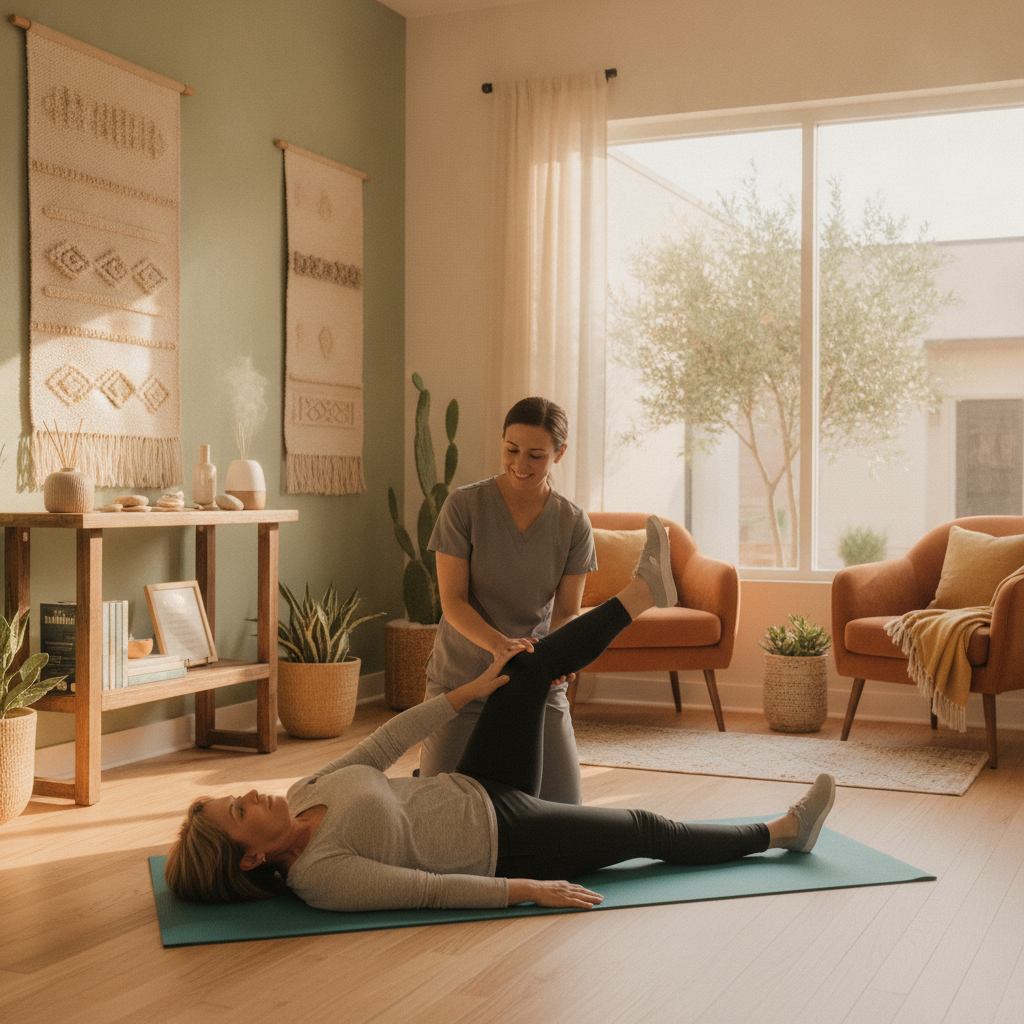

Neck pain has a way of shrinking your day. Turning your head to check traffic becomes uncomfortable, sitting through a meeting feels draining, and a full night’s sleep can seem out of reach. Whether discomfort arrived after a car accident, a hard workout, or months at a desk, the goal is not simply to get through the day. It is to understand what is limiting your movement and create a practical path back to feeling capable.
Why Neck Pain Can Feel So Limiting
Your neck is built for movement, but it also has a demanding job. It supports the weight of your head while allowing you to look up, down, and side to side. Muscles, joints, discs, ligaments, and nerves all work together in a relatively small area. When one part becomes irritated, the effect can spread beyond the neck itself.
Some people feel a dull ache and stiffness at the base of the skull. Others notice tight shoulders, frequent headaches, pain between the shoulder blades, or discomfort that travels into an arm or hand. Symptoms may be mild in the morning and worsen after computer work, driving, lifting, or looking down at a phone. For others, pain is more immediate after an injury.
The location of discomfort matters, but so does its pattern. Knowing when symptoms started, what makes them worse, and how they affect your daily activities helps guide the right next step.
Common Causes of Neck Pain
There is not one universal reason a neck becomes painful. Often, it is a combination of movement habits, stress, old injuries, and the physical demands of work or recreation.
Poor posture can contribute, especially when the head regularly shifts forward from its neutral position. This is common during laptop work, phone use, long drives, and activities that require looking down. The issue is not that you need to hold one perfect posture all day. The body generally does better with frequent position changes, supportive setup, and enough movement throughout the day.
Muscle strain is another common cause. You may wake up with a stiff neck after sleeping in an awkward position, feel soreness after yard work, or develop tightness after a new exercise routine. Stress can also play a role. When people are tense, they often tighten the muscles around the neck and shoulders without realizing it.
Car accidents deserve special attention. Even a low-speed collision can cause whiplash, where the head and neck move forcefully back and forth. Symptoms do not always appear immediately. Stiffness, headaches, reduced range of motion, dizziness, and shoulder pain may develop over the next several hours or days. Early evaluation can help document the injury and identify appropriate care.
Age-related changes can matter as well. Changes in discs and joints may reduce flexibility or irritate nearby tissues. However, an imaging finding does not automatically explain every symptom. Many people have age-related changes without pain, which is why a careful exam and a conversation about your function are so valuable.
When Neck Pain Needs Prompt Medical Attention
Most neck discomfort is not an emergency, but certain symptoms should never be ignored. Seek urgent medical attention if neck pain follows a significant fall, collision, or other trauma, particularly if you have severe pain or cannot move your neck normally.
You should also seek immediate evaluation for weakness in an arm or leg, increasing numbness or tingling, trouble walking, loss of coordination, changes in bowel or bladder control, fainting, confusion, or a severe headache unlike your usual headaches. Fever, unexplained weight loss, chest pain, shortness of breath, or pain that is steadily worsening without a clear reason also warrant prompt medical assessment.
These signs do not necessarily mean something serious is happening, but they need a timely medical evaluation. A responsible care plan starts by ruling out concerns that require a different level of treatment.
What a Personalized Neck Pain Evaluation Looks For
A helpful evaluation should feel like a conversation, not a rushed checklist. Your provider should ask when your symptoms began, whether there was an injury, where pain travels, and how it affects work, sleep, exercise, and family life. Details such as headaches, dizziness, hand tingling, or pain while driving can help clarify what structures may be involved.
The physical exam may include checking posture, neck range of motion, muscle tension, joint movement, reflexes, strength, and sensation. Depending on your history and findings, imaging or referral for additional testing may be appropriate. Not everyone needs imaging right away. In many cases, the exam, symptom pattern, and response to conservative care provide useful information.
At Moore Chiropractic, individualized care begins with listening. A treatment plan should account for your comfort level, health history, goals, and the activities you want to return to, whether that is working without constant tension, playing with your children, training for a race, or simply sleeping comfortably again.
Care That Supports Movement, Not Just Short-Term Relief
For many common neck conditions, conservative care is a sensible starting point. The best approach depends on the cause and severity of symptoms, but it often combines hands-on treatment, guided movement, and changes that reduce repeated strain.
Gentle chiropractic adjustments may help improve joint motion and reduce restrictions that contribute to stiffness. These techniques should be adapted to the individual. Some patients are comfortable with traditional adjustments, while others prefer lighter-force methods. Clear communication matters. You should understand what is being recommended and feel comfortable asking questions before treatment begins.
Soft-tissue work and therapeutic modalities may also be used to address tight, irritated muscles. Laser or red light therapy may be considered as part of a broader plan for certain soft-tissue concerns, with the aim of supporting recovery and managing discomfort. Results vary from person to person, and these therapies work best when paired with appropriate movement and activity guidance rather than treated as a stand-alone fix.
Rest can be useful during a painful flare, but too much rest may leave the neck feeling even stiffer. Once serious injury has been ruled out, gentle movement is usually preferable to guarding the area all day. Simple range-of-motion exercises, shoulder blade control, and gradual strengthening can help the neck tolerate everyday demands more comfortably.
Small Daily Changes That Can Make a Difference
A few practical adjustments can reduce the strain that keeps symptoms returning. Position your computer screen closer to eye level when possible, and bring your phone up rather than repeatedly bending your neck toward it. During long work sessions, take brief movement breaks before stiffness becomes intense.
When driving, adjust the headrest so it supports the middle of the back of your head rather than sitting too low. If you spend time on the road for work, small posture changes and short walks when you stop can add up. For sleep, the right pillow is less about a specific brand and more about keeping your neck in a comfortable, supported position. A pillow that is too high or too flat can leave the neck angled for hours.
Exercise is also part of prevention, but more is not always better. If a certain lift, stretch, or workout repeatedly causes sharp pain or symptoms down the arm, stop and get guidance. The right progression should build confidence and capacity, not push you through warning signs.
How to Think About Long-Term Neck Health
Lasting improvement is usually not about finding one perfect treatment or one perfect posture. It comes from recognizing the patterns that aggravate your symptoms, restoring comfortable movement, and building habits that fit your real life.
If your neck pain is interfering with work, sleep, driving, or the activities that matter to you, you do not have to wait until it becomes unbearable. A thoughtful evaluation can provide clarity, gentle care options, and a plan designed around helping you move with greater comfort and confidence.