
Table of Contents
- Understanding Chronic Back Pain and Non-Invasive Options
- Chiropractic Care for Long-Term Pain Relief
- Physical Therapy and Rehabilitation Strategies
- How to Manage Chronic Back Pain Without Surgery
- Chiropractic Treatment Duration and What to Expect
- Lifestyle Modifications and Home-Based Pain Management
- When to See a Specialist for Chronic Back Pain
- Conclusion
Last Updated: August 20, 2026
Understanding Chronic Back Pain and Non-Invasive Options
Chronic back pain affects millions of people and often stems from muscle strain, poor posture, degenerative disc disease, or spinal misalignment. When pain persists for more than 12 weeks, non-invasive relief becomes the preferred first approach. Moore Chiropractic specializes in helping patients find sustainable relief without surgery or long-term medication dependence.
Non-invasive relief for chronic back pain has evolved significantly, offering multiple evidence-based options: chiropractic adjustment, physical therapy, lifestyle modifications, and minimally invasive procedures. Many patients discover that combining several approaches yields better results than relying on a single treatment method.
Chronic back pain is deeply individual. What works for one person may not work for another, and the best approach depends on your specific diagnosis, pain intensity, and lifestyle. Common causes include herniated discs pressing on nerve roots, spinal stenosis narrowing the spinal canal, spondylitis affecting vertebral joints, and muscular dysfunction from repetitive strain or poor ergonomics. A qualified professional can identify your specific issue through diagnostic imaging, physical examination, and symptom history.
Non-invasive relief for chronic back pain works best when you match the treatment to your specific diagnosis and combine multiple approaches rather than relying on a single method.
Chiropractic Care for Long-Term Pain Relief
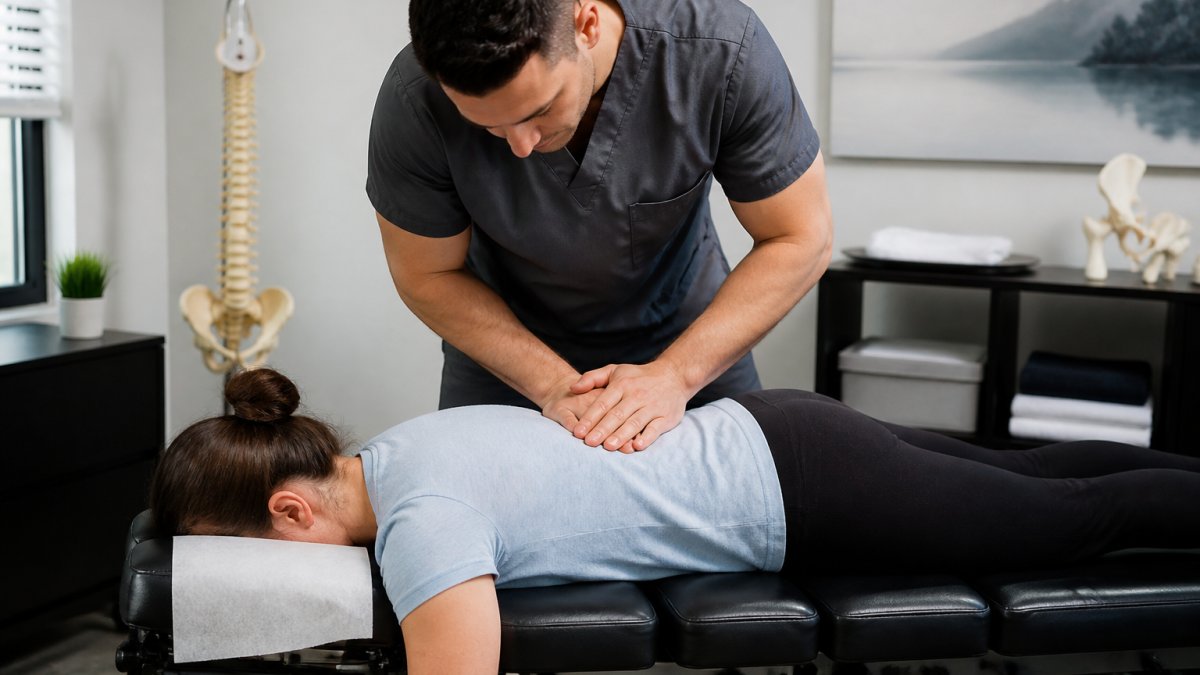
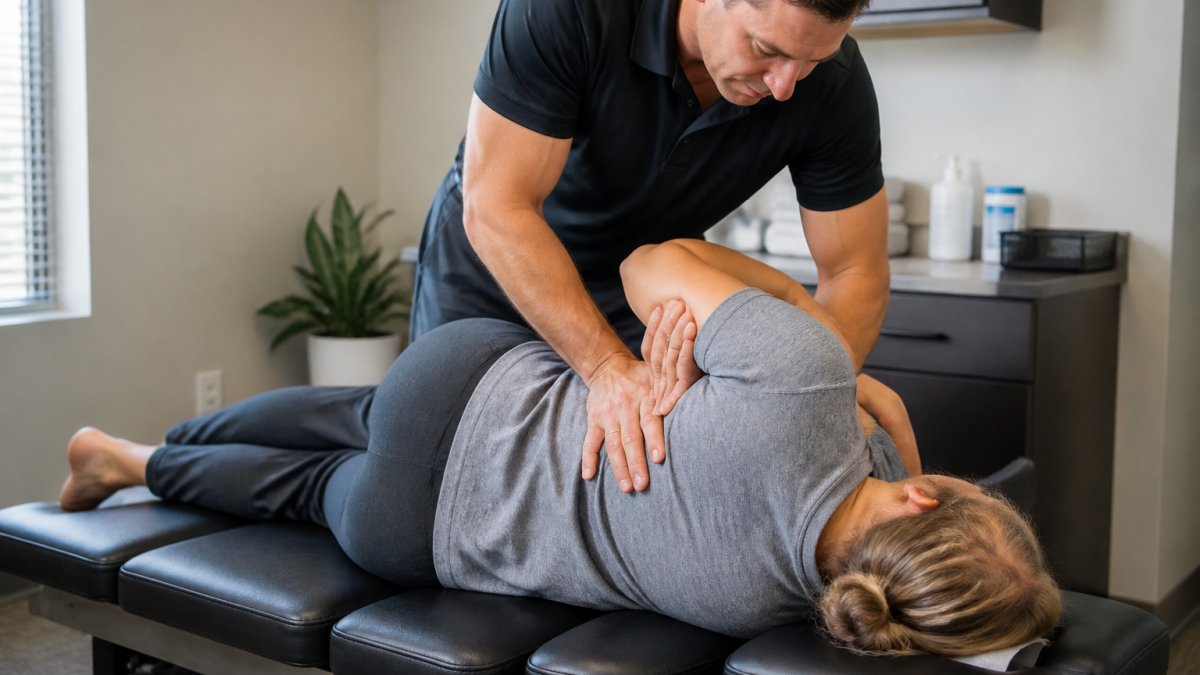
Chiropractic adjustment targets misalignment and restricted mobility in the spine, which often contributes to chronic back pain. Modern chiropractic care involves precise manipulation, soft tissue therapy, and personalized rehabilitation designed to restore functional movement and reduce nerve compression.
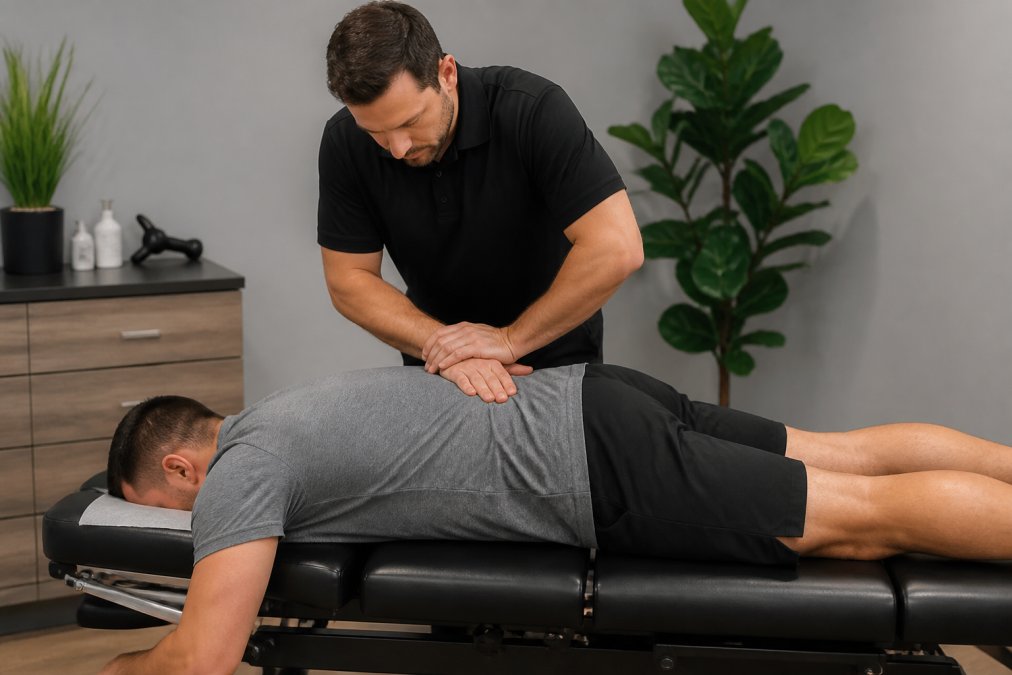
When vertebrae become misaligned, they restrict movement, irritate surrounding nerves, and trigger inflammation. Chiropractic adjustment realigns those vertebrae, restores mobility, and reduces the mechanical stress causing pain. Many patients experience relief after the first few sessions, though sustainable improvement typically requires a series of treatments.
What makes chiropractic care particularly valuable is that it addresses the root cause rather than just masking symptoms. A chiropractor works to restore proper spinal mechanics so your body can maintain that improvement independently. This is why patients often continue improving between visits and experience lasting relief rather than temporary symptom reduction.
Moore Chiropractic uses gentle techniques suited to each patient’s condition and tolerance level. The team focuses on both immediate relief and long-term restoration of peak physical performance. Chiropractic care works particularly well for mechanical back pain, facet joint dysfunction, and mobility restrictions.
Many patients who’ve tried physical therapy alone find that adding chiropractic adjustment accelerates their recovery. The combination addresses both mobility restriction and muscular weakness simultaneously.
Physical Therapy and Rehabilitation Strategies
Physical therapy focuses on strengthening weak muscles, improving flexibility, and retraining movement patterns. Where chiropractic care restores mobility, physical therapy builds the muscular endurance needed to maintain that mobility long-term. Together, they create a comprehensive rehabilitation approach.
A physical therapist will assess your movement quality, identify muscle imbalances, and design therapeutic exercises targeting your specific deficits. Early sessions often involve pain management techniques like heat, ice, or electrical stimulation, but the core is progressive exercise. You’ll start with gentle, controlled movements and gradually increase intensity as your strength improves.
The evidence supporting physical therapy for chronic back pain is strong. Therapeutic exercise reduces pain intensity, improves functional capacity, and prevents recurrence. Most patients see measurable improvements within 4-6 weeks of consistent therapy, though optimal results typically emerge over 8-12 weeks.
Key therapeutic approaches include core stabilization exercises (which strengthen the deep muscles supporting your spine), flexibility work addressing tight hip flexors and hamstrings, and functional movement training that teaches proper mechanics for everyday activities. Many people with chronic back pain have weak core muscles, and rebuilding that foundation prevents future episodes.
Physical therapy requires significant patient commitment, including home exercises between sessions. However, the long-term payoff is substantial: patients who complete physical therapy and maintain their exercise routine experience fewer pain flare-ups and better overall function.
A common mistake is stopping physical therapy too early. Many patients feel better after 4-6 weeks and discontinue treatment, only to have pain return months later. Completing the full course and continuing maintenance exercises prevents this cycle.
How to Manage Chronic Back Pain Without Surgery
Managing chronic back pain without surgery requires a multi-faceted approach. Most people find relief by combining several evidence-based strategies tailored to their situation.
Start with conservative treatment: chiropractic care, physical therapy, and lifestyle modifications form the foundation. This combination addresses mechanical dysfunction, builds muscular support, and removes aggravating factors. For many patients, this is sufficient to achieve lasting relief.
If conservative approaches provide partial relief but not complete resolution, minimally invasive options become relevant. Epidural steroid injections deliver anti-inflammatory medication directly to irritated nerve roots, providing temporary relief that allows you to engage more fully in rehabilitation.
The progression typically looks like this: begin with chiropractic adjustment and physical therapy while implementing lifestyle modifications. If pain persists after 4-6 weeks, consider adding an epidural injection to reduce inflammation and allow more aggressive rehabilitation. Continue this combined approach for another 4-8 weeks. Surgery becomes relevant only if conservative and minimally invasive approaches fail after a sustained trial.
This conservative-first approach succeeds because it addresses both immediate pain and underlying dysfunction. The vast majority of chronic back pain patients achieve satisfactory relief without ever needing surgery. Keep records of your pain levels, which treatments help most, and how your function improves to guide your care.
Chiropractic Treatment Duration and What to Expect
How long does chiropractic care for chronic back pain take? The honest answer is: it depends on your specific condition, how long you’ve had pain, and how consistently you follow recommendations.
Most patients with chronic back pain see initial improvement within the first 2-4 visits. You might notice reduced pain intensity, improved mobility, or better sleep. However, initial improvement reflects reduced acute inflammation and restored mobility; long-term healing requires continued care.
A typical treatment plan for chronic back pain involves 2-3 visits per week for 4-6 weeks, then gradually spacing visits further apart as improvement continues. After 8-12 weeks, many patients transition to maintenance visits once or twice monthly to prevent recurrence. Consistency matters most: patients who attend all scheduled appointments and follow home care recommendations progress significantly faster than those who attend sporadically.
Your chiropractor will reassess your progress regularly and adjust your treatment plan accordingly. If you’re not improving as expected after 4 weeks, they may modify techniques, add additional therapies, or recommend specialist evaluation. Effective chiropractic care includes honest assessment of what’s working and willingness to change course if needed.
Once your acute pain resolves and function improves, you can often reduce visit frequency significantly. However, maintenance visits, perhaps once or twice monthly, often prevent pain from returning. Think of it like dental care: regular maintenance prevents problems better than waiting for crisis.
Patients with mechanical back pain, facet joint dysfunction, and mobility restrictions typically see the most dramatic improvement with chiropractic care, often within 2-4 weeks of starting treatment.
Lifestyle Modifications and Home-Based Pain Management
Your daily habits either support or undermine your recovery from chronic back pain. Even excellent chiropractic care and physical therapy won’t produce lasting results if your lifestyle continues stressing your spine.

Ergonomics matter profoundly. If you spend eight hours daily in poor posture at a desk, you’re fighting against your treatment. Proper ergonomic setup means your monitor at eye level, chair supporting your natural spine curve, feet flat on the floor, and a small lumbar support pillow maintaining your low back’s natural curve.
Activity modification doesn’t mean avoiding movement; it means moving intelligently. Repetitive activities that aggravate your pain need adjustment. Progressive loading, gradually increasing activity as your capacity improves, works better than either complete rest or pushing through pain.
Sleep quality directly impacts pain perception and healing. Optimize sleep by supporting your spine’s natural curves with appropriate pillows, sleeping on your side or back rather than your stomach, and maintaining consistent sleep schedules. Many patients find that improving sleep quality alone reduces daytime pain significantly.
Inflammation management through nutrition supports your recovery. Anti-inflammatory foods like fatty fish rich in omega-3s, colorful vegetables high in antioxidants, and whole grains reduce systemic inflammation. Stress management through meditation, deep breathing, gentle yoga, or time in nature reduces stress and its physical consequences. Weight management, if relevant, reduces spinal stress and often produces noticeable pain reduction.
When to See a Specialist for Chronic Back Pain
Knowing when to escalate care from general chiropractic treatment to specialist evaluation prevents prolonged suffering and ensures you receive appropriate care for your specific condition.
See a spine specialist if your pain hasn’t improved after 6-8 weeks of consistent conservative treatment, if you develop new neurological symptoms like progressive weakness or numbness, or if you experience bowel or bladder dysfunction. These situations suggest your condition may need advanced imaging or specialist assessment.
Red flags requiring immediate specialist evaluation include severe pain that wakes you at night, unexplained weight loss accompanying back pain, fever with back pain, or pain following significant trauma. If your pain is primarily in one leg with numbness, tingling, or weakness, you likely have nerve compression requiring specialist assessment.
Imaging studies like MRI or CT scans become relevant when conservative treatment plateaus or when your symptoms suggest specific structural problems. A spine specialist can assess whether your condition requires advanced intervention and clarify whether your pain is truly structural or whether mechanical dysfunction and muscular weakness are the primary drivers.
Moore Chiropractic can help determine whether specialist evaluation is appropriate for your situation. If conservative care isn’t producing expected progress, your chiropractor will recommend specialist consultation rather than continuing indefinitely without improvement.
Chronic back pain doesn’t have to mean living with constant discomfort or accepting surgery as inevitable. Non-invasive relief for chronic back combines chiropractic adjustment, physical therapy, and lifestyle modifications to address the actual causes of your pain. Many patients in the San Antonio area have found lasting relief through this comprehensive approach, restoring their mobility and quality of life without surgical intervention.
Moore Chiropractic offers personalized evaluation and treatment plans designed specifically for your condition. Whether you’re dealing with recent onset pain or years of chronic discomfort, gentle chiropractic care combined with rehabilitation strategies provides a proven path forward. Schedule your complimentary evaluation today to discover how Moore Chiropractic can help you achieve non-invasive relief for chronic back pain and restore peak physical performance.
| Treatment Approach | Timeline to Initial Relief | Best For | Typical Commitment |
|---|---|---|---|
| Chiropractic adjustment | 2-4 visits (1-2 weeks) | Mechanical dysfunction, mobility restriction | 2-3 visits/week for 6-8 weeks |
| Physical therapy | 4-6 weeks consistent exercise | Building strength, preventing recurrence | 2-3 sessions/week for 8-12 weeks |
| Lifestyle modifications | Varies (days to weeks) | Reducing aggravating factors | Ongoing daily habits |
| Epidural injections | 1-2 weeks post-injection | Acute inflammation, nerve compression | 1-3 injections over 6 months |
| Combined approach | 2-4 weeks | Most chronic back pain cases | 8-12 weeks intensive, then maintenance |
According to the American Chiropractic Association, spinal manipulation and manual therapies represent evidence-based approaches for managing mechanical back pain and related conditions. Research from the National Center for Complementary and Integrative Health indicates that spinal manipulation may provide benefits for acute lower back pain when combined with other treatments. The American Physical Therapy Association’s clinical practice guidelines emphasize that progressive therapeutic exercise and manual therapy together produce superior outcomes compared to either approach alone for chronic back pain management.
Frequently Asked Questions
What are the most effective non-invasive treatments for chronic back pain?
The most effective non-invasive relief options include chiropractic adjustments, physical therapy, epidural steroid injections, and conservative lifestyle modifications. Evidence shows that combining approaches, such as chiropractic care with therapeutic exercise and ergonomic adjustments, typically produces better long-term outcomes than any single treatment. Your best option depends on your specific condition, pain intensity, and how your body responds to initial treatment.
How does chiropractic care help with long-term back pain relief?
Chiropractic care addresses chronic back pain by restoring spinal alignment, reducing nerve compression, and improving mobility. Regular adjustments can decrease inflammation, enhance functional movement, and reduce pain intensity over time. Many patients find that chiropractic treatment, combined with exercises and lifestyle changes, provides sustained relief without surgery or long-term medication dependence. Results vary based on the underlying cause of your pain and your commitment to recommended care.
How long does chiropractic treatment typically take for chronic back pain?
Chiropractic treatment duration for back pain varies widely depending on the severity, cause, and how long you've experienced symptoms. Acute cases may improve in 2-4 weeks, while chronic back pain often requires 8-12 weeks or longer to see significant improvement. Many patients benefit from ongoing maintenance visits after initial intensive treatment to prevent symptoms from returning. Your chiropractor will develop a personalized timeline during your consultation.
Can lifestyle changes alone manage chronic back pain without surgery?
Lifestyle modifications alone can help manage chronic back pain, especially when combined with professional treatment. Key changes include improving posture, strengthening core muscles, adjusting your workspace ergonomically, managing stress, and staying physically active. However, most people with chronic pain benefit from professional intervention, such as chiropractic care or physical therapy, alongside these lifestyle adjustments for faster and more reliable pain relief.
When should I see a specialist for chronic back pain?
Consider seeing a specialist if your chronic back pain persists beyond 6 weeks, significantly limits your daily activities, or follows a recent injury or accident. You should also seek specialist care if conservative treatments haven't provided relief, if you experience numbness or tingling in your legs, or if pain worsens over time. A chiropractor or orthopedic specialist can determine whether your condition requires advanced diagnostic imaging or more intensive intervention.
Is chiropractic care safe for chronic back pain, or are there risks?
Chiropractic care is generally safe for chronic back pain when performed by a qualified, licensed practitioner. Gentle adjustment techniques used in modern chiropractic practice carry minimal risk for most patients. However, certain conditions, such as severe osteoporosis, spinal cord compression, or active inflammation, may require modifications or alternative approaches. A thorough consultation and examination will identify any contraindications before treatment begins.
This article was written using GrandRanker