A sore shoulder that makes reaching overhead difficult, low back pain that returns after a long shift, or a knee that complains after every walk can make even ordinary movement feel like work. Many people want relief without relying only on medication or stepping away from the activities that keep them healthy. Red light therapy is one option that may help support that goal when it is used as part of a thoughtful care plan.
Red light therapy for pain relief is not a quick fix or a substitute for finding the source of a problem. But for the right person and condition, it can be a comfortable, noninvasive way to support the body’s recovery process, reduce discomfort, and make movement easier.
What Is Red Light Therapy?
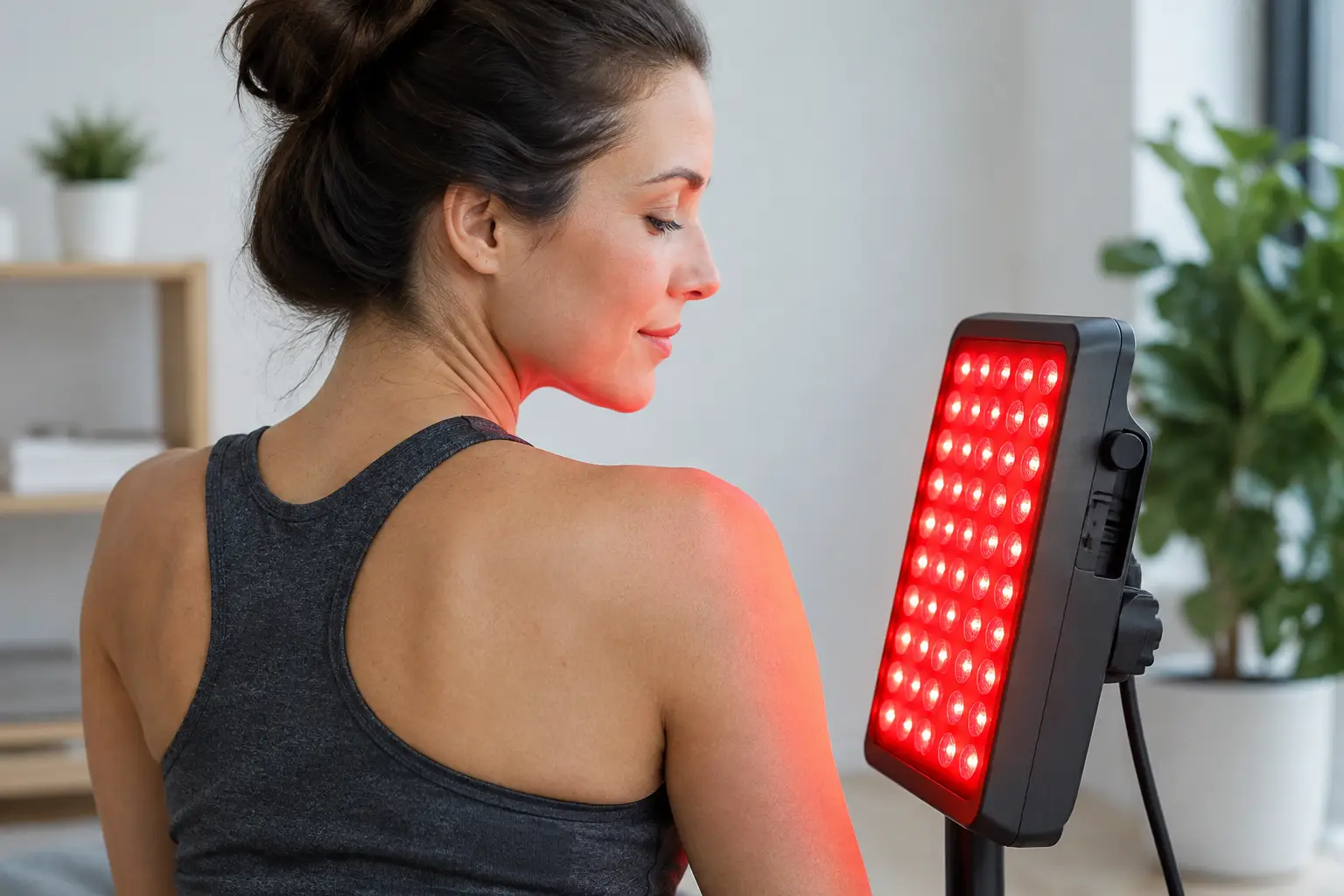
Red light therapy uses specific wavelengths of red and near-infrared light directed at targeted areas of the body. Unlike ultraviolet light, these wavelengths do not tan or burn the skin. They are used to reach tissue beneath the surface, where they may influence cellular activity and circulation.
You may also hear this treatment called low-level light therapy, photobiomodulation, or cold laser therapy. The names can vary, and so can the equipment. In a chiropractic setting, the goal is typically to support healing in irritated muscles, joints, tendons, ligaments, and nerves while reducing pain that limits normal function.
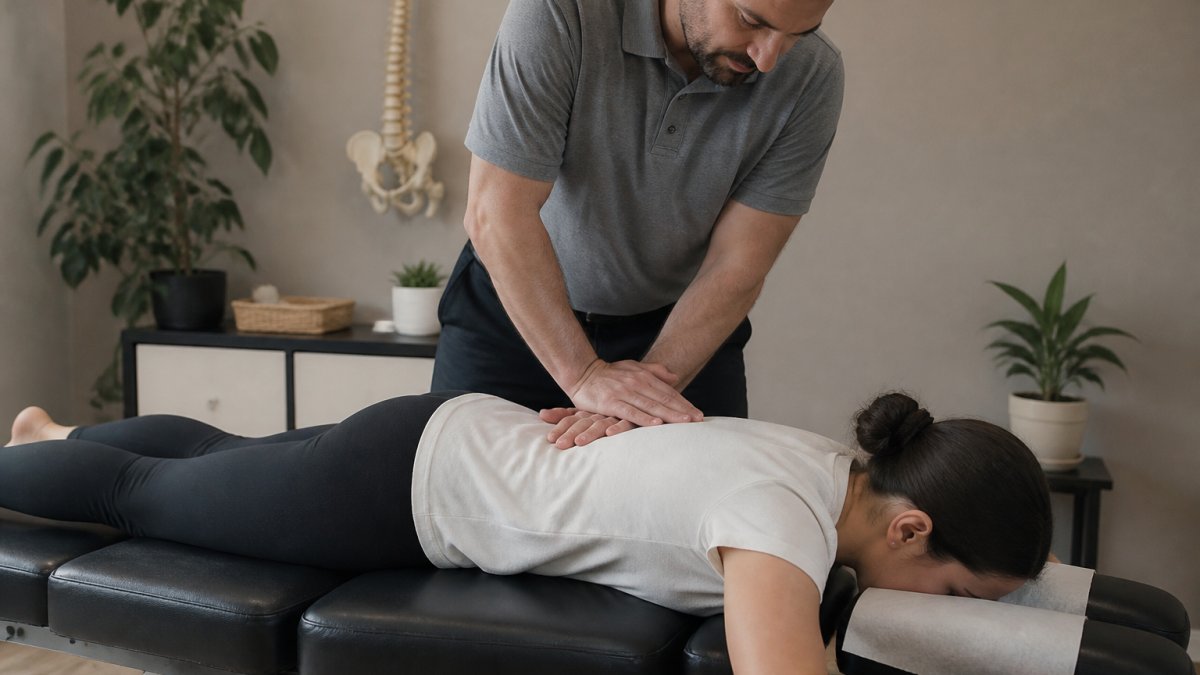
The light itself does not force a joint back into place or erase an injury overnight. Instead, it may encourage cells to produce energy more efficiently, which can support the body’s normal repair response. That is why red light therapy is often paired with chiropractic care, guided movement, stretching, strengthening, or other treatments that address the mechanics behind pain.
How Red Light Therapy for Pain Relief May Help
Pain is rarely just one thing. A tight muscle can alter the way you move. A joint restriction can place extra strain on nearby tissues. An old injury may leave you guarding an area long after the initial damage has healed. Effective care looks at the full picture rather than treating discomfort as an isolated problem.
Red and near-infrared light may help by supporting circulation in the treated area and helping calm inflammatory activity. Better cellular energy and blood flow may support tissue repair, while reduced irritation can make it easier to move without the same level of guarding or stiffness. Some patients describe a gradual change: less aching after activity, a wider range of motion, or an easier time getting through the workday.
Research on light-based therapy is encouraging for certain musculoskeletal concerns, but results depend on the condition, the type of light used, the dose, and the consistency of treatment. It is more accurate to think of it as a supportive therapy than a guaranteed answer for every kind of pain.
Conditions That May Be Appropriate
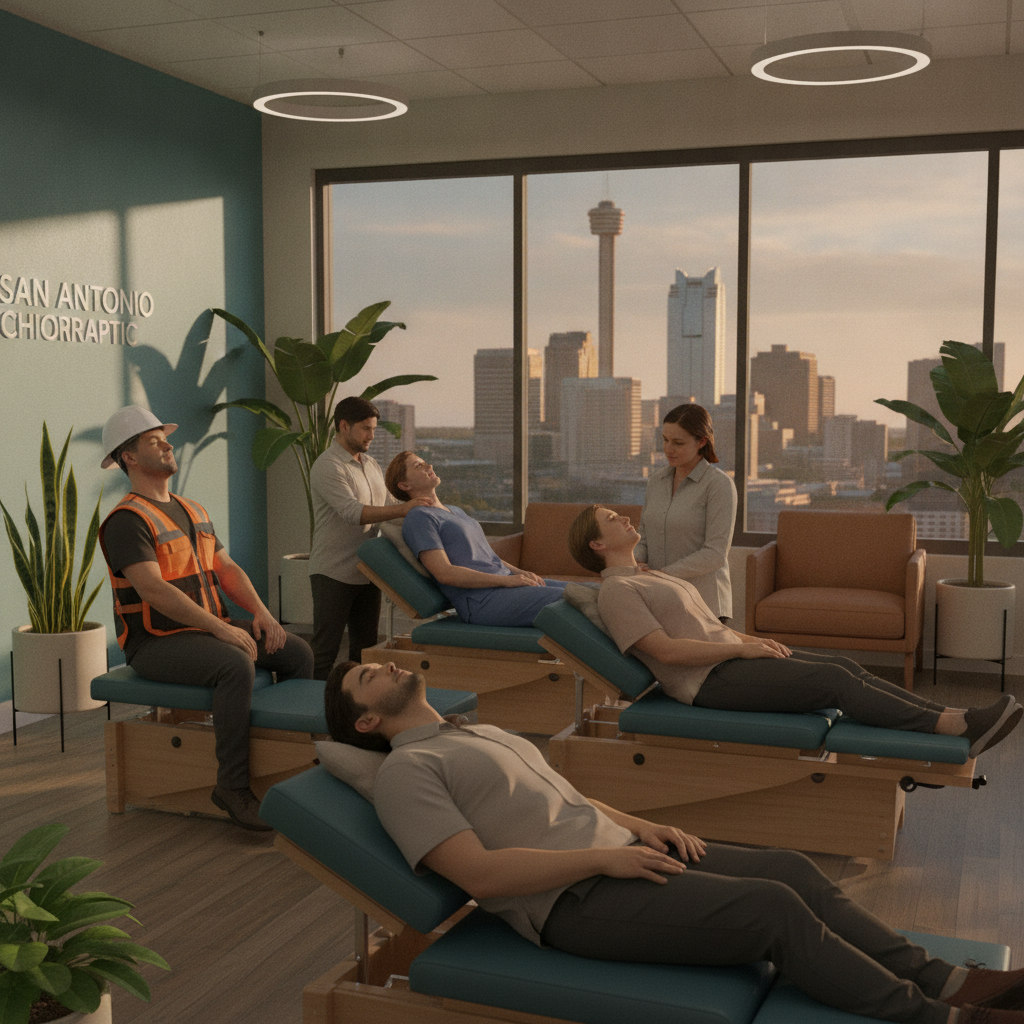
A personalized evaluation matters because the same symptom can have very different causes. Red light therapy may be considered for muscle strains, tendon irritation, neck and back pain, shoulder discomfort, knee pain, repetitive-use injuries, and some nerve-related symptoms. It can also be useful during recovery from sports injuries, work injuries, or auto accident injuries when tissue irritation and limited mobility are part of the picture.
For example, someone with a stiff neck after a collision may need more than light therapy. They may also benefit from gentle chiropractic care, mobility work, and a plan to restore normal movement patterns. Someone with chronic knee pain may need an assessment of the knee, hips, feet, activity demands, and muscle strength before deciding what treatment will be most helpful.
That individualized approach helps avoid a common mistake: treating the location of pain while missing the reason it keeps returning.
What a Treatment Visit Feels Like
Most patients find red light therapy comfortable. Depending on the device and area being treated, you may sit or lie down while a trained provider positions the light over the targeted tissues. Treatments are generally brief, and there is no recovery time needed afterward.
You may feel gentle warmth with some devices, but treatment should not be painful. Many people return to normal daily activities immediately. Some notice improvement after a few visits, while others need a series of treatments before they can tell whether it is making a meaningful difference.
Consistency is often more valuable than chasing a single intense session. The appropriate treatment schedule depends on the type of pain, how long it has been present, your overall health, and what other care is included in your plan.
Red Light Therapy Works Best as Part of a Plan
If pain is affecting your sleep, work, exercise, or ability to care for your family, relief matters. Still, lasting progress usually requires more than reducing symptoms for a few days.
A well-rounded plan may include gentle chiropractic adjustments to improve joint motion, therapeutic exercises to build stability, recommendations for posture or lifting habits, and red light therapy to support irritated tissue. For an active adult, that might mean returning to training with better movement mechanics. For someone with a physically demanding job, it may mean learning how to protect the body without having to stop working altogether.
At Moore Chiropractic, care begins with listening. Your provider should want to know what activities hurt, what makes the pain better or worse, whether there was an accident or injury, and what you want to get back to doing. The goal is not simply to make you feel better for one appointment. It is to help you move with more confidence and maintain that progress.
Safety and When to Get Evaluated First
Red light therapy is generally well tolerated when it is properly selected and administered, but it is not right for every situation. A trained provider should review your health history, current medications, and the nature of your symptoms before treatment.
Be sure to mention pregnancy, active cancer treatment, recent surgery, implanted medical devices, eye conditions, or medications that increase sensitivity to light. Protective eyewear may be used when treatment is near the face or neck. It is also important to get prompt medical attention for severe pain after trauma, sudden weakness, unexplained numbness, loss of bowel or bladder control, fever, or pain accompanied by chest pressure or shortness of breath.
Those symptoms need medical evaluation, not a wait-and-see approach.
Is It the Right Choice for Your Pain?
The best question is not whether red light therapy is popular or whether it helped someone else. The better question is whether it fits the cause of your pain and supports the goals that matter to you.
For some people, it can be a valuable tool for calming stubborn soreness and improving tolerance for movement. For others, hands-on treatment, rehabilitation exercises, medical referral, or a different approach may be more appropriate. Honest guidance should include both possibilities.
Pain can make your world smaller one avoided workout, one skipped errand, one restless night at a time. A careful evaluation can help identify what is holding your body back and create a practical path toward moving comfortably again.