
Spinal health is a cornerstone of overall wellness, yet it often goes unnoticed until discomfort or pain strikes. For small business owners, developers, and anyone leading a busy life, maintaining a healthy spine is vital for productivity, focus, and quality of life. The spine is not just a structural pillar; it’s the main highway for your nervous system, impacting everything from movement and posture to energy levels and even mood. Understanding the importance of spinal health can empower you to make proactive choices that support your wellbeing, both at work and in daily life. In this article, we’ll explore how spinal health influences the body, why it matters for your overall wellness, and practical steps you can take to keep your spine in top shape.
Spinal Health and Overall Wellness in San Antonio
When discussing spinal health and its impact on overall wellness, it’s essential to recognize how interconnected our bodies truly are. The spine houses the spinal cord, which is the main communication line between your brain and the rest of your body. Any misalignment or dysfunction in the spine can lead to a cascade of issues, from chronic pain to reduced mobility and even problems with organ function. In a vibrant community like this city, where people are always on the move, spinal health becomes even more important for maintaining an active lifestyle.
For small business owners and developers, long hours spent at a desk or in front of a computer can put significant strain on the back and neck. Over time, poor posture and repetitive stress can lead to muscle imbalances, tension headaches, and even nerve compression. This not only affects physical comfort but can also diminish productivity and focus. By prioritizing spinal health, individuals can experience improved energy, better concentration, and a greater sense of wellbeing.
Moreover, the benefits of a healthy spine extend beyond the workplace. Proper alignment and mobility support better sleep, enhance athletic performance, and reduce the risk of injury during daily activities. Investing in your spine is truly an investment in your overall wellness, allowing you to enjoy life to the fullest in the area and beyond.
The Importance of Spinal Health in San Antonio, TX
The importance of spinal health cannot be overstated, especially for those living and working in dynamic environments like San Antonio, TX. The demands of modern life, whether running a business, coding for hours, or balancing family responsibilities, place unique stresses on the spine. When spinal health is neglected, the consequences can ripple through every aspect of your life, affecting not just your back but your overall wellness.
A healthy spine supports optimal nerve function, which is crucial for everything from muscle coordination to immune response. When the spine is properly aligned, signals from the brain travel efficiently throughout the body, promoting better movement, balance, and even digestion. Conversely, spinal misalignments can disrupt these signals, leading to discomfort, fatigue, and chronic health issues.
In this region, residents who prioritize spinal health often report fewer days lost to illness or injury, improved mood, and greater resilience to stress. Taking steps to support your spine, such as regular stretching, ergonomic workspaces, and mindful movement, can make a significant difference in your daily life. For those seeking guidance, resources like the Importance of Spinal Health can provide valuable insights and practical tips to help you stay healthy and active in the neighborhood.
How Spinal Health Supports Overall Wellness in San Antonio Texas
In San Antonio Texas, the connection between spinal health and overall wellness is especially relevant for those striving to maintain a balanced, active lifestyle. The spine’s role as the body’s central support system means that its health affects everything from posture and movement to mental clarity and emotional wellbeing. When spinal health is prioritized, individuals often notice improvements in energy, flexibility, and even immune function.
For developers and business owners, daily routines can take a toll on the spine. Sitting for extended periods, repetitive motions, and stress can all contribute to spinal misalignments and muscle tension. These issues can manifest as back pain, headaches, or even decreased productivity. By addressing spinal health through regular movement, ergonomic adjustments, and professional care, you can enhance your ability to perform at your best both at work and at home.
If you’re looking for expert support in this community, Moore Chiropractic offers personalized care and guidance to help you achieve optimal spinal health. Their team understands the unique needs of residents and provides tailored solutions for lasting wellness.
Understanding the Anatomy of the Spine
To fully appreciate the importance of spinal health for overall wellness, it helps to understand the basic anatomy of the spine. The human spine is made up of 33 vertebrae, divided into five regions: cervical, thoracic, lumbar, sacral, and coccygeal. Each region plays a specific role in supporting movement, protecting the spinal cord, and allowing for flexibility and strength.
The spine’s natural curves help absorb shock and distribute weight evenly throughout the body. Intervertebral discs act as cushions between the vertebrae, while ligaments and muscles provide additional stability. When any part of this complex structure is compromised, whether through injury, poor posture, or repetitive stress, it can lead to discomfort and limit your ability to move freely.
Maintaining spinal health means caring for every part of this intricate system. Regular exercise, stretching, and mindful movement can help keep the spine flexible and strong, reducing the risk of injury and supporting overall wellness.
Common Causes of Spinal Issues
Spinal issues can arise from a variety of sources, many of which are related to lifestyle factors. Prolonged sitting, especially with poor posture, is a leading cause of back and neck pain among office workers and developers. Repetitive movements, heavy lifting, and inadequate physical activity can also contribute to muscle imbalances and spinal misalignments.
Other common causes include traumatic injuries, such as falls or car accidents, as well as degenerative conditions like arthritis and disc degeneration. Stress is another significant factor, as it can lead to muscle tension and exacerbate existing spinal issues. Understanding these risk factors is the first step toward preventing problems and supporting your overall wellness.
By making small adjustments to your daily routine, such as taking regular breaks from sitting, practicing good lifting techniques, and managing stress, you can reduce your risk of developing spinal problems and maintain a healthier, more active lifestyle.
The Impact of Spinal Health on Daily Life
Spinal health has a profound impact on daily life, influencing everything from physical comfort to mental clarity. When the spine is healthy and properly aligned, movement feels effortless, and energy levels remain high throughout the day. Conversely, spinal issues can lead to chronic pain, stiffness, and fatigue, making even simple tasks feel challenging.
For small business owners and developers, spinal discomfort can hinder productivity and focus. It may also affect sleep quality, mood, and overall sense of wellbeing. Prioritizing spinal health through regular exercise, stretching, and ergonomic adjustments can help you stay comfortable and energized, both at work and at home.
Taking proactive steps to support your spine can make a significant difference in your quality of life, enabling you to enjoy more activities and reduce the risk of long-term health issues.
Best Practices for Maintaining Spinal Health
Maintaining spinal health requires a combination of good habits, mindful movement, and regular self-care. Here are some best practices to help keep your spine in top condition:
- Practice good posture: Keep your shoulders back, chin tucked, and feet flat on the floor when sitting.
- Take frequent breaks: Stand up, stretch, and move around every 30–60 minutes, especially during long periods of sitting.
- Strengthen core muscles: Engage in exercises that support your back and abdominal muscles.
- Use ergonomic furniture: Invest in chairs and desks that promote healthy alignment.
- Lift properly: Bend at the knees and keep objects close to your body to avoid straining your back.
- Stay active: Regular physical activity helps maintain flexibility and strength.
By incorporating these habits into your daily routine, you can support your spinal health and enhance your overall wellness for years to come.
The Role of Ergonomics in Spinal Health
Ergonomics plays a crucial role in maintaining spinal health, especially for those who spend long hours at a desk or computer. Poor workstation setup can lead to slouching, forward head posture, and other habits that strain the spine. Over time, these issues can cause muscle imbalances, tension, and even nerve compression.
To create an ergonomic workspace, start by adjusting your chair and desk so that your feet are flat on the floor and your knees are at a 90-degree angle. Your computer monitor should be at eye level, and your keyboard and mouse should be within easy reach. Consider using a standing desk or alternating between sitting and standing throughout the day to reduce pressure on your spine.
Investing in ergonomic furniture and accessories can help prevent spinal issues and support your overall wellness, allowing you to work comfortably and efficiently.
Exercise and Stretching for Spinal Health
Regular exercise and stretching are essential for maintaining spinal health and supporting overall wellness. Physical activity strengthens the muscles that support the spine, improves flexibility, and promotes healthy circulation. Stretching helps relieve muscle tension, increase range of motion, and reduce the risk of injury.
Incorporate a mix of aerobic, strength, and flexibility exercises into your routine. Activities such as walking, swimming, yoga, and Pilates are particularly beneficial for spinal health. Focus on exercises that engage the core muscles, as these provide crucial support for the lower back and help maintain proper alignment.
Aim to stretch major muscle groups daily, paying special attention to the back, hips, and hamstrings. Consistency is key, regular movement and stretching can help prevent stiffness and keep your spine healthy for the long term.
When to Seek Professional Help for Spinal Health
While self-care and healthy habits are important for maintaining spinal health, there are times when professional help is necessary. If you experience persistent pain, numbness, tingling, or weakness in your back, neck, or limbs, it’s important to consult a healthcare provider. Early intervention can prevent minor issues from becoming chronic problems.
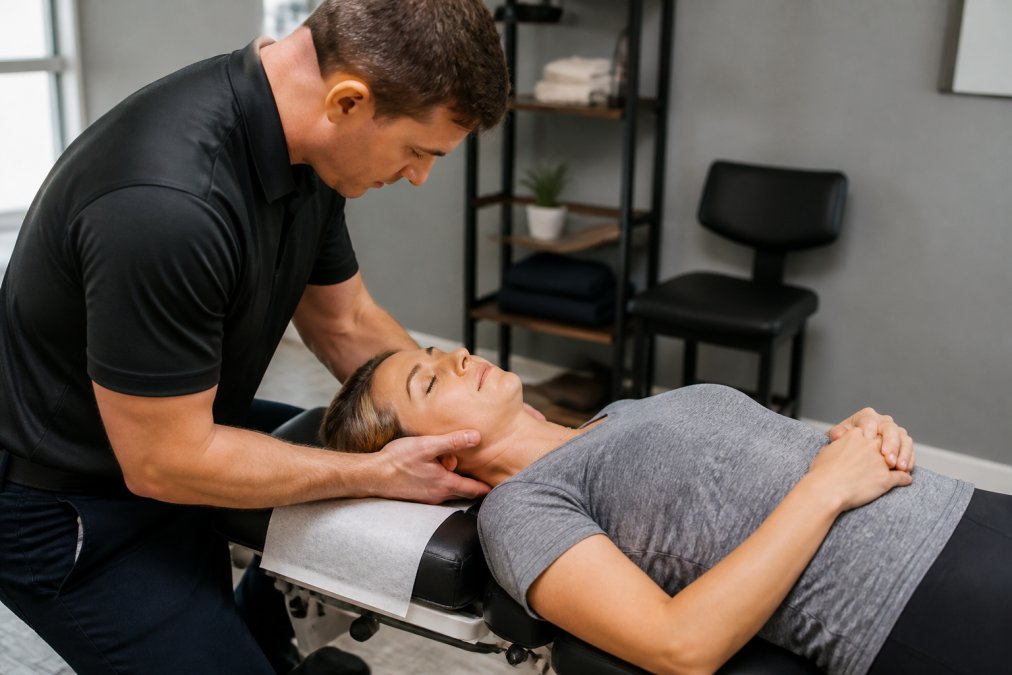
Chiropractors, physical therapists, and other specialists can assess your spine, identify underlying issues, and recommend personalized treatment plans. They may use techniques such as spinal adjustments, massage, and therapeutic exercises to restore alignment and relieve discomfort.
Don’t ignore warning signs, seeking timely care can help you maintain spinal health and support your overall wellness, ensuring you stay active and pain-free.
| Spinal Health Practice | Benefit | How Often |
|---|---|---|
| Stretching | Improves flexibility, reduces tension | Daily |
| Strength Training | Supports spine, prevents injury | 2–3 times/week |
| Ergonomic Adjustments | Reduces strain, supports posture | As needed |
| Professional Checkups | Identifies issues early | Annually or as needed |
| Mindful Movement | Promotes awareness, prevents injury | Daily |
Final Thoughts
Spinal health is a foundational element of overall wellness that affects every aspect of your life. Whether you’re a small business owner, developer, or simply someone who values an active lifestyle, taking care of your spine can lead to greater energy, productivity, and happiness. By understanding the connection between spinal health and your body’s performance, adopting best practices, and seeking professional help when needed, you can enjoy a healthier, more vibrant life.
Remember, small daily habits, like stretching, maintaining good posture, and staying active, can make a big difference over time. Prioritize your spinal health and you’ll be investing in your long-term wellbeing, allowing you to thrive in this community and beyond.