
Chiropractic care has become a cornerstone of natural health for many individuals, ranging from busy small business owners to developers and everyday residents seeking relief from pain and improved mobility. As the demand for chiropractic services grows, so does the curiosity about the different chiropractic techniques available. Understanding these techniques is crucial, not only for those considering chiropractic care for the first time but also for anyone wanting to make informed decisions about their health. In this article, we’ll explore the most common chiropractic techniques, how they work, and the benefits they offer. Whether you’re dealing with chronic back pain, recovering from a work injury, or simply aiming for better overall wellness, learning about chiropractic techniques can empower you to choose the best approach for your needs. We’ll also clarify how these methods are applied in local clinics, what to expect during a session, and how to select the right practitioner for your situation. Dive in to discover how chiropractic techniques can support your journey to optimal health and well-being.
Exploring Chiropractic Techniques in San Antonio
When it comes to chiropractic techniques, the area offers a diverse range of options for those seeking relief from pain, improved posture, and enhanced mobility. Chiropractic care is not a one-size-fits-all solution; instead, practitioners use a variety of methods tailored to individual needs. Understanding the differences between these chiropractic techniques is the first step in choosing the right care for your situation.
The most widely known chiropractic technique is the Diversified Technique. This method involves precise manual adjustments to correct misalignments in the spine and other joints. Patients often report immediate relief and improved movement after a session. Another popular approach is the Gonstead Technique, which focuses on a thorough analysis of the spine using X-rays and detailed palpation to ensure targeted adjustments.
For those who prefer a gentler touch, the Activator Method uses a small, hand-held instrument to deliver controlled impulses to the spine. This technique is ideal for patients who may be sensitive to manual adjustments, such as older adults or those with certain health conditions. Meanwhile, the Thompson Drop-Table Technique utilizes a special table with sections that drop slightly during adjustments, reducing the force needed and making the process more comfortable.
If you have suffered a work-related injury or are dealing with chronic discomfort, exploring Chiropractic Techniques in San Antonio can be a valuable step toward recovery. Local clinics are equipped with the expertise and technology to provide personalized care, ensuring each patient receives the most effective treatment for their unique needs.
Chiropractic Techniques in San Antonio, TX
Chiropractic techniques in San Antonio, TX, are designed to address a wide range of conditions, from acute injuries to chronic pain syndromes. The region boasts a thriving community of chiropractors who are skilled in both traditional and modern methods. Techniques such as the Flexion-Distraction Method are particularly effective for patients with herniated discs or sciatica. This gentle, non-thrusting technique uses a specialized table to stretch and decompress the spine, alleviating pressure on nerves and promoting healing.
Another innovative approach is the Cox Technic, which combines flexion-distraction with manual manipulation to target specific spinal segments. This method is especially beneficial for those with degenerative disc disease or spinal stenosis. The Webster Technique, often used for pregnant women, focuses on balancing the pelvis and reducing stress on the uterus and supporting ligaments. This technique can help improve comfort during pregnancy and support optimal fetal positioning.
Chiropractors in the region also utilize soft tissue therapies, such as myofascial release and trigger point therapy, to address muscle tension and improve overall function. These therapies complement spinal adjustments and can accelerate recovery from injuries or repetitive strain. As chiropractic care continues to evolve, practitioners are integrating evidence-based approaches to ensure the highest standards of patient safety and effectiveness.
For those interested in understanding their privacy rights and the standards of care, Getmoorecare provides detailed information about patient confidentiality and compliance with health regulations. This commitment to transparency helps build trust between patients and providers, making it easier for individuals to seek the care they need with confidence.
Chiropractic Techniques in San Antonio Texas
Chiropractic techniques in San Antonio Texas, reflect a blend of tradition and innovation. The region’s practitioners are well-versed in both hands-on and instrument-assisted methods, ensuring that every patient receives care tailored to their specific health goals. One of the most advanced techniques is the ART (Active Release Technique), which targets soft tissue adhesions and scar tissue that can restrict movement and cause pain. ART is commonly used for athletes and those with repetitive strain injuries.
Another technique gaining popularity is the Sacro-Occipital Technique (SOT), which focuses on the relationship between the base of the spine (sacrum) and the base of the skull (occiput). SOT practitioners use gentle adjustments, cranial techniques, and pelvic blocks to restore balance and improve nervous system function. This holistic approach is particularly beneficial for those experiencing headaches, TMJ disorders, or postural imbalances.
Chiropractors in this community also offer extremity adjustments, addressing issues in the shoulders, elbows, wrists, hips, knees, and ankles. These techniques can help relieve pain, improve joint function, and support overall mobility. By combining spinal and extremity adjustments with lifestyle advice and rehabilitative exercises, chiropractors provide comprehensive care that addresses the root causes of discomfort.
If you are searching for the best chiropractic care in San Antonio, consider exploring testimonials and reviews from local residents. Hearing about others’ experiences can offer valuable insights into the effectiveness of different techniques and help guide your decision-making process.
Choosing the Right Chiropractic Techniques for Your Needs
Selecting the most appropriate chiropractic techniques depends on several factors, including your health history, current symptoms, and personal preferences. For example, individuals with osteoporosis or certain neurological conditions may benefit more from low-force, instrument-assisted techniques rather than manual adjustments. Meanwhile, athletes or those with active lifestyles might respond better to dynamic methods like ART or extremity adjustments.
Consulting with a skilled chiropractor is essential to determine which techniques are best suited for your situation. During your initial assessment, the practitioner will evaluate your posture, range of motion, and musculoskeletal health. They may also use diagnostic tools such as X-rays or digital imaging to gain a clearer understanding of your condition.
Communication is key. Be sure to discuss your goals, concerns, and any previous experiences with chiropractic care. This allows your provider to customize a treatment plan that aligns with your expectations and ensures optimal results. Many clinics in the neighborhood offer complimentary consultations, making it easy to explore your options without commitment.
To find a reputable provider in your area, check out Moore Chiropractic for convenient access and a track record of patient satisfaction. Choosing a clinic with experienced practitioners and a range of available techniques can make all the difference in your chiropractic journey.
Manual Adjustment Techniques Explained
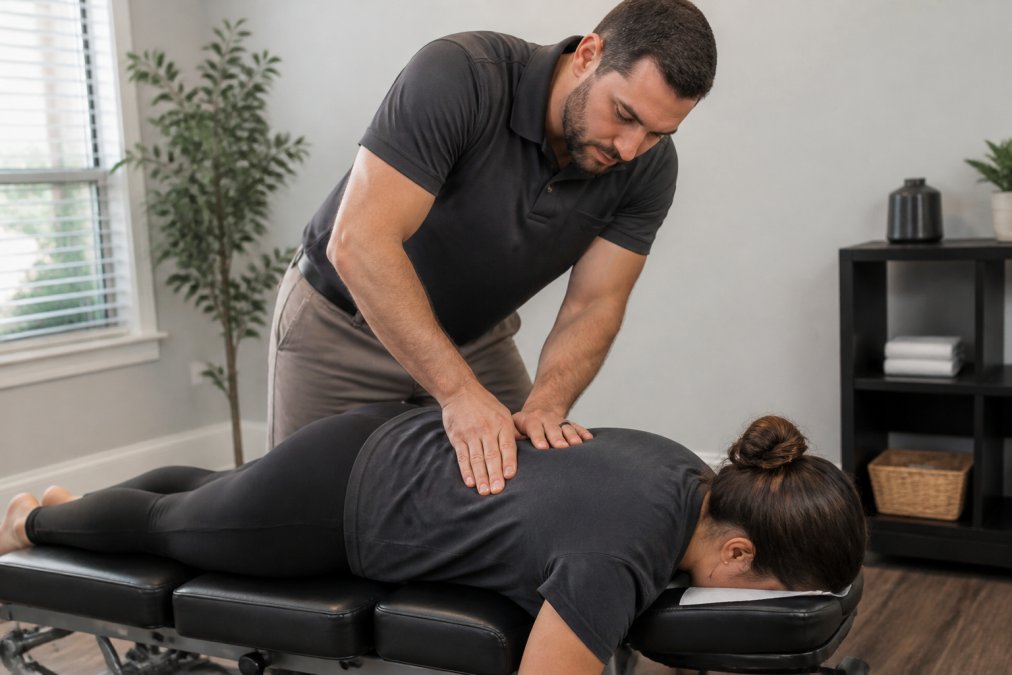
Manual adjustment techniques are the foundation of chiropractic care. These hands-on methods involve applying controlled force to specific joints, usually the spine, to restore proper alignment and function. The Diversified Technique is the most commonly used manual method, characterized by quick, precise thrusts that often produce an audible “pop” or release. This sound is simply the release of gas from the joint and is not an indicator of the effectiveness of the adjustment.
The Gonstead Technique is another highly respected manual approach. It involves a thorough evaluation of the spine, including visualization, palpation, and sometimes X-rays, to identify misalignments. Adjustments are then made with a focus on specificity and minimal rotation, making it suitable for patients who require precise care.
Manual adjustments are typically recommended for individuals with back pain, neck pain, headaches, and certain types of joint dysfunction. These techniques can provide immediate relief, improve mobility, and support long-term spinal health. However, they may not be suitable for everyone, especially those with certain bone or joint conditions. Always consult with your chiropractor to determine if manual adjustments are appropriate for your needs.
Instrument-Assisted Chiropractic Techniques
Instrument-assisted chiropractic techniques offer a gentle alternative to manual adjustments. These methods use specialized tools to deliver precise, low-force impulses to targeted areas of the spine or extremities. The Activator Method is one of the most widely recognized instrument-assisted techniques. It uses a spring-loaded device to apply quick, controlled force, making it ideal for patients who prefer a softer approach or have conditions that make manual adjustments less suitable.
Another instrument-assisted method is the ArthroStim, which delivers rapid, repetitive pulses to stimulate joint movement and relieve tension. These techniques are effective for a wide range of conditions, including back pain, neck pain, and joint dysfunction. They are particularly beneficial for children, older adults, and individuals with osteoporosis or arthritis.
Instrument-assisted adjustments can be integrated into a comprehensive care plan that includes manual techniques, soft tissue therapy, and rehabilitative exercises. This approach ensures that patients receive the most effective and comfortable care possible. If you are interested in exploring these methods, discuss your preferences with your chiropractor to determine the best approach for your unique needs.
Table: Common Chiropractic Techniques and Their Benefits
| Technique | Description | Best For |
|---|---|---|
| Diversified | Manual adjustments with quick, precise thrusts to restore alignment. | General back/neck pain, headaches |
| Gonstead | Specific manual adjustments based on detailed analysis and X-rays. | Targeted spinal issues |
| Activator Method | Instrument-assisted, low-force adjustments using a handheld device. | Sensitive patients, older adults |
| Thompson Drop-Table | Adjustments performed on a table with dropping sections to reduce force. | Comfort-focused care |
| Flexion-Distraction | Gentle spinal decompression using a specialized table. | Disc issues, sciatica |
| Active Release Technique (ART) | Manual therapy targeting soft tissue adhesions and scar tissue. | Athletes, repetitive strain injuries |
| Sacro-Occipital Technique (SOT) | Gentle adjustments focusing on the sacrum and occiput. | Headaches, TMJ, postural issues |
Soft Tissue and Myofascial Techniques
Soft tissue and myofascial techniques are essential components of modern chiropractic care. These methods focus on muscles, ligaments, and fascia, the connective tissue that surrounds and supports the musculoskeletal system. Techniques such as myofascial release, trigger point therapy, and massage help reduce muscle tension, break up adhesions, and improve circulation.
Myofascial release involves applying gentle, sustained pressure to areas of tightness or restriction. This technique can relieve pain, increase flexibility, and enhance the effectiveness of spinal adjustments. Trigger point therapy targets specific knots or “trigger points” within muscles that can refer pain to other parts of the body. By releasing these points, chiropractors can help restore normal muscle function and reduce discomfort.
Soft tissue techniques are often used in conjunction with other chiropractic methods to provide comprehensive care. They are particularly beneficial for individuals recovering from injuries, dealing with chronic pain, or experiencing postural imbalances. Regular soft tissue therapy can also help prevent future injuries and support long-term musculoskeletal health.
Chiropractic Techniques for Specific Conditions
Chiropractic techniques can be tailored to address a variety of specific health conditions. For example, individuals with herniated discs may benefit from flexion-distraction or Cox Technic, which gently decompress the spine and relieve nerve pressure. Those with sports injuries often respond well to ART and extremity adjustments, which target soft tissue and joint dysfunction in the arms and legs.
Pregnant women can find relief through the Webster Technique, which helps balance the pelvis and reduce discomfort during pregnancy. Children and older adults may require gentler, instrument-assisted adjustments to ensure safety and comfort. Chiropractors also work with patients suffering from headaches, TMJ disorders, and postural issues, using a combination of spinal adjustments, soft tissue therapy, and rehabilitative exercises.
By selecting the appropriate chiropractic techniques for each condition, practitioners can provide targeted, effective care that supports healing and improves quality of life. If you have a specific health concern, discuss your symptoms and goals with your chiropractor to develop a personalized treatment plan.
What to Expect During a Chiropractic Session
Understanding what to expect during a chiropractic session can help ease any apprehensions and ensure a positive experience. Your first visit will typically begin with a comprehensive assessment, including a review of your medical history, a physical examination, and possibly diagnostic imaging. This information allows the chiropractor to identify the underlying causes of your symptoms and determine which chiropractic techniques are most appropriate.
During the adjustment, your chiropractor will explain each step of the process and answer any questions you may have. Manual adjustments may involve quick, controlled movements, while instrument-assisted techniques use specialized devices for a gentler approach. You may hear a popping sound during manual adjustments, which is normal and not a cause for concern.
After your session, you may experience immediate relief, increased mobility, or mild soreness as your body adjusts. Your chiropractor may recommend follow-up visits, exercises, or lifestyle modifications to support your recovery and maintain your results. Open communication and active participation in your care are key to achieving the best possible outcomes.
How to Choose a Qualified Chiropractor
Selecting a qualified chiropractor is an important step in your journey to better health. Look for practitioners who are licensed, experienced, and committed to ongoing education. A reputable chiropractor will take the time to listen to your concerns, conduct a thorough assessment, and explain your treatment options in detail.
Ask about the range of chiropractic techniques offered and whether the clinic uses evidence-based practices. Reading reviews and testimonials from other patients can provide valuable insights into the quality of care and patient satisfaction. Consider scheduling a consultation to meet the chiropractor, tour the facility, and discuss your goals and preferences.
A good chiropractor will prioritize your safety, comfort, and well-being, working with you to develop a personalized treatment plan. By choosing a provider who aligns with your needs and values, you can feel confident in your decision and look forward to improved health and vitality.
Key Takeaways
Chiropractic techniques offer a wide range of benefits for individuals seeking natural solutions to pain, injury, and mobility issues. From manual adjustments and instrument-assisted methods to soft tissue therapies and specialized approaches for specific conditions, there is a technique to suit every need. Understanding the options available empowers you to make informed decisions about your health and choose the most effective care for your situation.
Whether you are a small business owner, developer, or general reader, exploring chiropractic techniques can open the door to improved well-being and a higher quality of life. Take the time to research local providers, ask questions, and communicate your goals to ensure a positive experience. With the right approach and a qualified chiropractor by your side, you can achieve lasting relief and support your journey to optimal health.