Quick Summary
After your first chiropractic adjustment, take the next day gently: drink water, move lightly, rest when tired, and watch how you feel. Mild soreness, stiffness, or tiredness is common, but numbness, weakness, bladder or bowel changes, or severe pain need prompt medical attention.
- Mild soreness, stiffness, or a slight headache is a common reaction for a day or two.
- Numbness, tingling, weakness, or bladder or bowel control problems need prompt medical attention.
- Use ice for 10 to 15 minutes or heat for 15 to 20 minutes, never directly on bare skin.
- Walk every hour if you sit for long periods, and keep your screen at eye level.
- Schedule a follow-up visit to review how you are feeling and adjust your aftercare plan.
Table of Contents
Why Your First Adjustment Deserves a Little Extra Care (Source: information on recognizing warning signs of serious medical conditions)
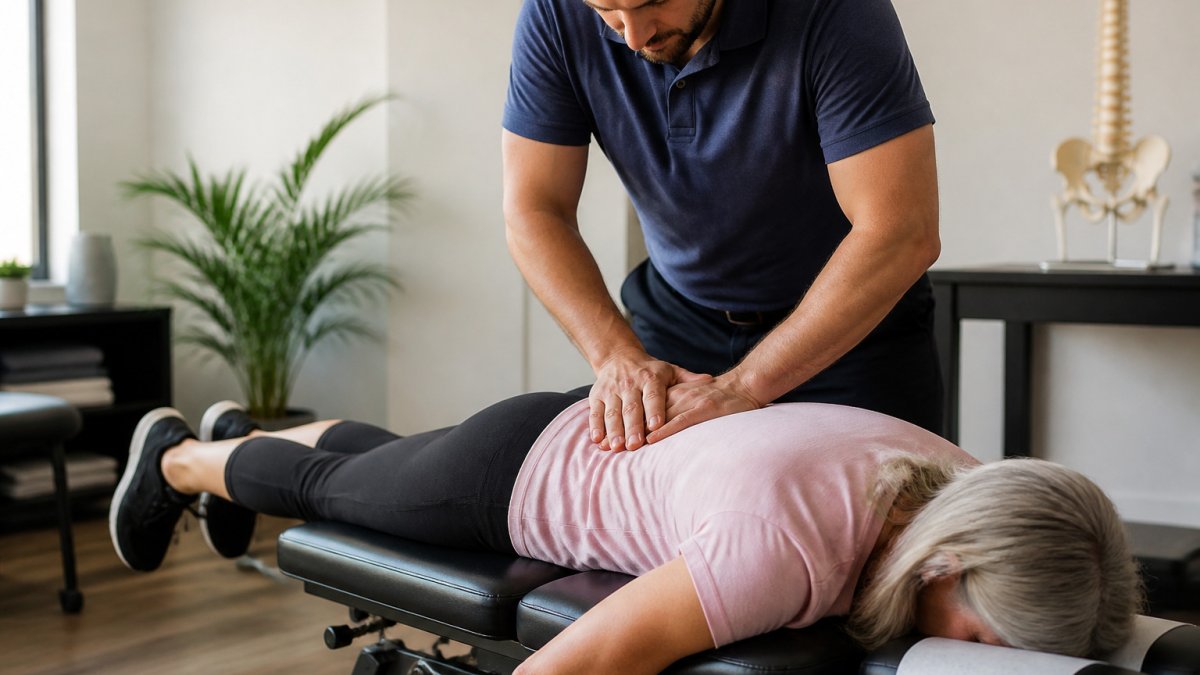
What do you do after your first chiropractic adjustment in San Antonio? Many people notice some changes after a first visit, and the first 24 hours after an adjustment can be a helpful time to take things gently. The steps below offer general guidance for settling in after that first visit.
Think of your first adjustment as the start of a conversation with your spine. Our guide to preparing for your first chiropractic adjustment explains what care looks like before the visit. Your body has been holding certain patterns for a long time, and the adjustment asks it to shift. A back pain relief plan after a sports injury lays out recovery phases and warning signs to watch for. Giving it a little space afterward helps those changes take hold.
Many patients notice mild soreness, a bit of tiredness, or a feeling that something is different. That is common. Treating the next day as a gentle, low-key day gives your body room to adapt.
Keep these basics in mind:
- Drink water throughout the day
- Move gently instead of pushing hard
- Rest when you feel tired
- Watch how you feel and tell your provider about any changes
Normal Reactions Versus Warning Signs to Watch For
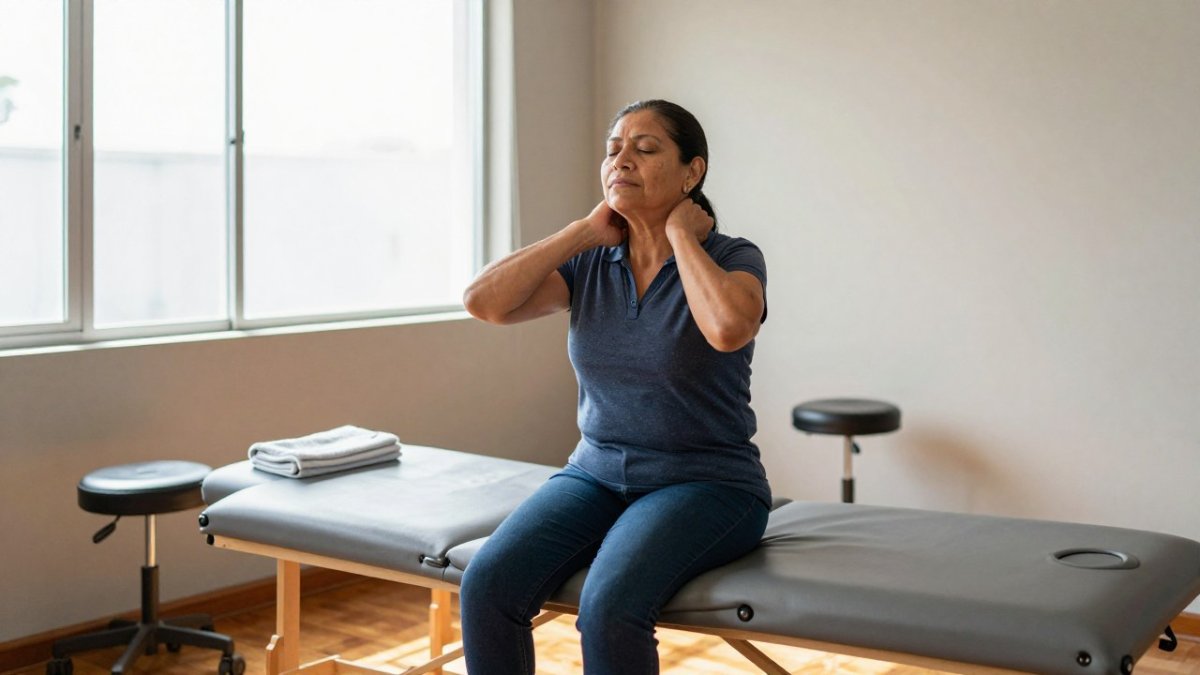
Some people experience mild soreness, stiffness, or tenderness in the treated area for a day or two after an adjustment. A beginner’s review of chiropractic adjustments covers typical side effects and visit length.
Common normal reactions include:
- Mild soreness in the neck, back, or hips
- A slight headache or feeling of fatigue
- Stiffness that eases with light movement
- Feeling more relaxed or more tired than usual
Some signs need prompt medical attention. Contact a qualified provider or seek urgent care if you notice:
- Numbness, tingling, or weakness in an arm or leg
- Severe or worsening pain that does not ease with rest
- Trouble with bladder or bowel control
- Dizziness, vision changes, or confusion
- Any symptom that feels sudden, severe, or unusual for you
When in doubt, call your provider. Describing what you feel is always a good first step.
Your First 24 Hours After Adjustment: A Step-by-Step Timeline
The first day sets the tone for recovery. Follow this simple timeline.
Right after your visit:
- Take a few slow, deep breaths
- Drink a glass of water
- Avoid heavy lifting or intense workouts
The next few hours:
- Take a short walk to keep your body moving
- Stretch gently within your comfort range
- Sit with good posture if you need to work
The evening:
- Use ice or heat if your area feels sore (see below)
- Consider a warm Epsom salt bath to relax muscles
- Get to bed at a regular time
The next morning:
- Check in with how you feel
- Resume normal activities gradually
- Schedule any follow-up visits your plan recommends
Photo placement note:

How to Relieve Pain After Chiropractic Adjustment
Mild discomfort after an adjustment is common, and simple self-care often helps.
Gentle movement such as short walks and light stretching is a common approach people use after treatment. Avoid pushing into pain.
Ice or Heat: Which to Use and When
Some people use ice for fresh soreness or swelling and heat for tight, achy muscles, often switching from ice to heat over the first day or two.
- Wrap ice in a thin towel and apply for 10 to 15 minutes
- Use a warm pack for 15 to 20 minutes
- Never place ice or heat directly on bare skin (the NHS)
Daily Habits That Support Recovery: Movement, Posture, and Rest
Small daily habits may help you feel more comfortable as you go about your routine. Explore non-invasive relief options for chronic back pain beyond the adjustment itself.
- Move often: Stand up and walk every hour if you sit for long periods
- Check your posture: Keep your ears over your shoulders and feet flat on the floor
- Set up your workspace: Adjust chair height so your screen sits at eye level
- Sleep well: Aim for consistent, restful sleep
- Eat well: Balanced meals are part of a healthy routine
How Long Recovery Takes and What Shapes Your Timeline
Recovery time varies from person to person. Our guide explains how many chiropractic visits are typically needed for pain and the factors that shape that timeline. Your age, activity level, the condition being treated, and how long you have had the problem may all play a role.
A qualified provider can discuss what to expect based on your specific situation during a consultation.
Booking Your Next Visit and Personalizing Your Aftercare Plan
Every patient is different, so your aftercare plan should be too. At Moore Chiropractic, we tailor gentle care to your goals, whether you are managing back pain, recovering from a sports injury, or supporting everyday wellness. Schedule your follow-up visit to review how you are feeling and adjust your plan. Contact Moore Chiropractic in San Antonio to book your next appointment.
Frequently Asked Questions
How should I feel after my first chiropractic adjustment?
Some people notice mild soreness, tiredness, or stiffness for a day or two after an adjustment. Sharp pain, numbness, tingling that spreads, dizziness, or weakness are not typical and should be reported to your provider promptly. If you are unsure whether a reaction is normal, call Moore Chiropractic and describe what you are feeling.
How long can soreness last after a chiropractic adjustment?
Mild soreness after a first adjustment can last a day or two for some people, and some feel it a little longer. If soreness persists beyond a few days, worsens, or is accompanied by other symptoms, schedule a follow-up so your provider can review your care plan with you.
Should I use ice or heat after a chiropractic adjustment?
Some people use ice for tenderness soon after an adjustment and heat for muscle tightness, often switching from ice to heat if tightness lingers. Always place a barrier between ice or heat and your skin, and stop if the area becomes irritated. Your provider can recommend the approach that fits your situation.
What should I not do after a chiropractic adjustment?
Avoid intense exercise, heavy lifting, or strenuous physical activity for the rest of the day unless your provider has said otherwise. Try not to sit in one position for long stretches, and avoid sleeping in awkward postures that strain your neck or back. Skip very hot baths or saunas right after treatment if they make you feel lightheaded. For guidance tailored to your body, ask your provider during your visit.