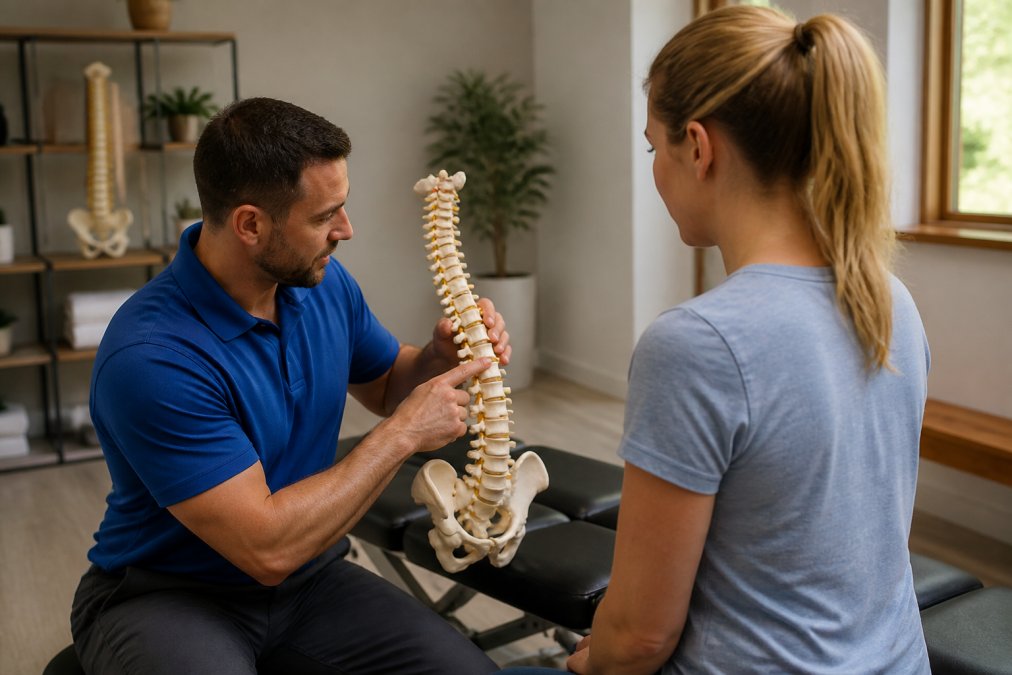

When it comes to managing health, people often find themselves weighing the benefits of chiropractic vs traditional medicine. Whether you’re a small business owner juggling stress, a developer spending long hours at a desk, or a general reader curious about your options, understanding the differences can empower you to make informed choices. Both approaches have their strengths, but they operate on different philosophies and offer unique advantages. In today’s fast-paced world, more individuals are seeking alternatives to conventional healthcare, especially for issues like back pain, headaches, and musculoskeletal discomfort. At the same time, traditional medicine remains the cornerstone for acute care, diagnostics, and complex conditions. This article will break down what sets chiropractic apart from traditional medicine, explore how each approach works, and help you decide which might be right for your needs. We’ll also look at how these two systems can complement each other, dispel common myths, and provide practical tips for integrating care. By the end, you’ll have a clear understanding of your options and how to navigate the healthcare landscape with confidence.
Chiropractic vs Traditional Medicine in San Antonio
The conversation around chiropractic vs traditional medicine is growing in the area as more residents seek solutions for chronic pain, stress, and overall wellness. Chiropractic care focuses on diagnosing and treating mechanical disorders of the musculoskeletal system, especially the spine. Unlike traditional medicine, which often relies on pharmaceuticals or surgery, chiropractors use hands-on spinal manipulation and other alternative treatments to encourage the body’s natural healing abilities.
Traditional medicine, also known as allopathic or Western medicine, is the standard approach in hospitals and clinics. It’s rooted in scientific research and uses a combination of medication, surgery, and other interventions to treat symptoms and diseases. While traditional medicine is highly effective for acute injuries, infections, and life-threatening conditions, chiropractic care shines when it comes to managing chronic pain, improving mobility, and supporting long-term wellness.
For example, someone experiencing frequent headaches or migraines may find relief through chiropractic adjustments, which address spinal misalignments that can contribute to tension and nerve irritation. This approach stands in contrast to traditional medicine, which might prescribe pain relievers or recommend diagnostic imaging. If you want to explore more about Chiropractic vs Traditional Medicine for headaches, there are resources available to help you make an informed decision.
Ultimately, the choice between chiropractic and traditional medicine depends on your health goals, preferences, and the nature of your condition. In the neighborhood, many people are discovering that combining both approaches can offer the best of both worlds, balancing immediate relief with long-term wellness strategies.
Chiropractic vs Traditional Medicine in San Antonio, TX
Understanding the core philosophies behind chiropractic vs traditional medicine can help clarify why each approach appeals to different people. Chiropractic care is built on the belief that the body has an innate ability to heal itself, provided the nervous system is functioning optimally. Chiropractors use spinal adjustments and other manual therapies to correct misalignments (subluxations) that may interfere with nerve signals, aiming to restore balance and promote self-healing.
In contrast, traditional medicine in San Antonio, TX, is grounded in evidence-based practices and focuses on diagnosing and treating specific diseases or symptoms. Physicians often use diagnostic tests, imaging, and laboratory work to pinpoint the cause of illness. Treatment typically involves medication, surgery, or other interventions designed to target the underlying pathology. This approach is especially effective for acute conditions, infections, and emergencies where rapid intervention is critical.
A key difference is how each system views the patient. Chiropractors tend to take a holistic approach, considering lifestyle, posture, nutrition, and stress levels as part of the overall health picture. Traditional doctors may focus more narrowly on symptoms and test results. However, both systems have evolved to incorporate elements of the other, with many medical doctors now recommending physical therapy, exercise, and even chiropractic care as part of a comprehensive treatment plan.
To learn more about the differences between chiropractic and traditional medicine, it’s helpful to review healthcare disclaimers and consult with professionals who understand both perspectives. This ensures you receive care that aligns with your values and health needs.
Chiropractic vs Traditional Medicine in San Antonio Texas
For many residents of this city, the decision between chiropractic vs traditional medicine comes down to the type of health issue they’re facing. Musculoskeletal problems, such as back pain, neck pain, and joint discomfort, are among the most common reasons people seek chiropractic care. Chiropractors use techniques like spinal manipulation, mobilization, and therapeutic exercises to restore function and reduce pain without drugs or invasive procedures.
Traditional medicine, on the other hand, excels in diagnosing and managing systemic diseases, infections, and complex medical conditions. Physicians may prescribe medications, recommend surgery, or coordinate care with specialists. For example, if you have a severe infection or a broken bone, traditional medicine provides the necessary interventions to stabilize your health and promote recovery.
It’s important to recognize that both chiropractic and traditional medicine have their place in a well-rounded healthcare strategy. Many people in the region find that starting with conservative care, such as chiropractic adjustments, can help address chronic pain and improve quality of life. If symptoms persist or worsen, traditional medical interventions may be necessary. This integrative approach allows individuals to benefit from the strengths of both systems.
If you’re considering your first visit to a chiropractor or want to learn more about what to expect, click here for helpful resources and patient paperwork to get started on your wellness journey.
The Role of Chiropractic Care in Modern Health
Chiropractic care has evolved significantly over the past few decades, gaining recognition as a valuable component of integrative health. While it was once viewed as an alternative or fringe practice, today it is widely accepted for its role in managing musculoskeletal conditions and supporting overall wellness. Chiropractors are trained to assess posture, spinal alignment, and movement patterns, offering personalized treatment plans that address the root causes of pain and dysfunction.
One of the main reasons people turn to chiropractic care is its non-invasive nature. Unlike traditional medicine, which may involve prescription drugs or surgery, chiropractic treatments are hands-on and focus on restoring natural function. This appeals to individuals who prefer to avoid medications or who have not found relief through conventional methods. Techniques such as spinal adjustments, soft tissue therapy, and rehabilitative exercises are designed to improve mobility, reduce inflammation, and enhance the body’s ability to heal.
Chiropractic care is also known for its emphasis on prevention and holistic health. Practitioners often educate patients about posture, ergonomics, nutrition, and stress management, empowering them to take an active role in their health. This proactive approach can lead to better long-term outcomes and a higher quality of life. For those seeking a local provider, Moore Chiropractic is one example of a clinic dedicated to patient-centered care and evidence-based practices.
How Traditional Medicine Addresses Health Concerns
Traditional medicine remains the gold standard for managing acute illnesses, emergencies, and complex diseases. Physicians undergo extensive training in anatomy, physiology, pharmacology, and surgery, equipping them to diagnose and treat a wide range of health conditions. When it comes to infections, trauma, or organ dysfunction, traditional medicine provides lifesaving interventions that are unmatched by other systems.
One of the key strengths of traditional medicine is its reliance on scientific research and clinical trials. Treatments are rigorously tested for safety and efficacy, and guidelines are continually updated based on the latest evidence. This ensures that patients receive care that is both effective and standardized across different settings. For chronic diseases such as diabetes, hypertension, or heart disease, traditional medicine offers medications, lifestyle counseling, and monitoring to prevent complications and improve outcomes.
However, traditional medicine is not without limitations. Some patients experience side effects from medications or find that conventional treatments do not fully address their symptoms. This has led to a growing interest in complementary therapies, such as chiropractic care, acupuncture, and physical therapy, which can enhance the effectiveness of traditional approaches and improve patient satisfaction.
Ultimately, the best healthcare strategy is one that combines the strengths of both chiropractic and traditional medicine, tailored to the individual’s unique needs and preferences.
Comparing Treatment Approaches: A Side-by-Side Table
To better understand the distinctions between chiropractic vs traditional medicine, the following table provides a clear comparison of their core features, methods, and areas of strength. This can help you determine which approach may be most suitable for your specific health concerns.
| Aspect | Chiropractic Care | Traditional Medicine |
|---|---|---|
| Philosophy | Holistic, focuses on spinal alignment and nervous system function | Evidence-based, targets specific diseases and symptoms |
| Primary Methods | Spinal adjustments, manual therapy, exercise, lifestyle advice | Medications, surgery, diagnostic tests, specialist referrals |
| Common Conditions Treated | Back pain, neck pain, headaches, joint issues | Infections, chronic diseases, trauma, acute illnesses |
| Patient Involvement | Active role, education on prevention and self-care | Varies, often directed by physician’s recommendations |
| Integration | Often used alongside traditional medicine for holistic care | Increasingly incorporates complementary therapies |
This comparison highlights that chiropractic vs traditional medicine are not mutually exclusive. Many patients benefit from integrating both approaches to achieve optimal health outcomes.
When to Choose Chiropractic Care
Deciding when to seek chiropractic care versus traditional medicine depends on your symptoms, health goals, and personal preferences. Chiropractic care is particularly effective for musculoskeletal complaints, such as persistent back pain, tension headaches, sciatica, and sports injuries. If you have tried conventional treatments without success or prefer a natural, drug-free approach, chiropractic may be a great option.
Chiropractors often work with individuals who lead active lifestyles, spend long hours at a desk, or experience repetitive strain from work or daily activities. They can provide guidance on posture, ergonomics, and exercises to prevent future injuries. For those with chronic pain, chiropractic adjustments can offer significant relief and improve mobility over time. It’s important, however, to consult with a qualified practitioner to ensure that chiropractic care is appropriate for your specific condition.
If you experience symptoms such as numbness, severe weakness, or sudden loss of function, it’s essential to seek immediate medical attention from a traditional healthcare provider. In many cases, chiropractic care can complement traditional treatments, offering a holistic approach that addresses both symptoms and underlying causes.
When to Rely on Traditional Medicine
There are situations where traditional medicine is the best, and sometimes only, option. Acute illnesses, infections, broken bones, and serious medical emergencies require prompt intervention by trained physicians. Traditional medicine’s diagnostic tools, such as blood tests, imaging, and specialized exams, are invaluable for identifying the root cause of symptoms and developing targeted treatment plans.
If you have a chronic disease like diabetes, heart disease, or autoimmune disorders, traditional medicine provides ongoing management, monitoring, and access to life-saving medications. Surgical interventions are sometimes necessary for injuries, tumors, or organ dysfunction that cannot be addressed through conservative means. In these cases, the expertise of medical doctors and specialists is crucial for achieving the best possible outcomes.
That said, many traditional healthcare providers now recognize the value of integrative care and may recommend complementary therapies, such as physical therapy, chiropractic, or acupuncture, to enhance recovery and improve patient satisfaction. The key is open communication between you and your healthcare team, ensuring that all aspects of your health are addressed.
Integrating Chiropractic and Traditional Medicine
Increasingly, patients and providers are recognizing the benefits of combining chiropractic vs traditional medicine for a more comprehensive approach to health. Integrative care allows individuals to take advantage of the strengths of both systems, resulting in better outcomes and higher satisfaction.
For example, a person recovering from surgery may use traditional medicine for pain management and wound care, while also seeing a chiropractor to restore mobility and prevent compensatory injuries. Similarly, someone with chronic headaches might receive diagnostic imaging and medication from their physician, while also benefiting from chiropractic adjustments that address spinal alignment and muscle tension.
Effective integration requires clear communication among all members of your healthcare team. Share your treatment goals, medical history, and any therapies you are using to ensure that care is coordinated and safe. Many clinics now offer multidisciplinary teams that include medical doctors, chiropractors, physical therapists, and other specialists, making it easier than ever to access holistic care in one place.
Ultimately, the goal is to create a personalized healthcare plan that supports your unique needs, preferences, and lifestyle.
Dispelling Myths About Chiropractic vs Traditional Medicine
There are many misconceptions about chiropractic vs traditional medicine that can prevent people from seeking the care they need. One common myth is that chiropractic care is not evidence-based or that it is only useful for back pain. In reality, numerous studies support the effectiveness of chiropractic adjustments for a range of musculoskeletal issues, and chiropractors receive extensive training in anatomy, physiology, and diagnostic techniques.
Another misconception is that traditional medicine ignores the root causes of illness and only treats symptoms. While it’s true that some treatments focus on symptom management, modern medicine is increasingly holistic, emphasizing prevention, lifestyle modification, and patient education. Many physicians now collaborate with chiropractors and other complementary practitioners to provide well-rounded care.
It’s also important to understand that both chiropractic and traditional medicine have limitations. Not every condition can be resolved with spinal adjustments, just as not every ailment requires medication or surgery. The best outcomes are achieved when patients are informed, proactive, and open to integrating different approaches as needed.
By dispelling myths and focusing on the facts, you can make empowered decisions about your health and well-being.
Practical Tips for Choosing Your Healthcare Path
If you’re deciding between chiropractic vs traditional medicine, start by assessing your health goals and current symptoms. Ask yourself whether you are seeking relief from pain, looking to improve mobility, or managing a chronic disease. Consider your comfort level with medications, your interest in natural therapies, and your willingness to participate actively in your care.
- Research local providers and read reviews to find experienced, reputable practitioners.
- Schedule consultations with both a chiropractor and a traditional physician to discuss your options.
- Ask about treatment plans, expected outcomes, and potential risks or side effects.
- Be open to integrative care if it aligns with your values and needs.
- Keep communication open with all members of your healthcare team.
Remember, your health journey is unique. By staying informed and proactive, you can create a plan that supports your well-being now and in the future.
Key Takeaways
Navigating the world of chiropractic vs traditional medicine doesn’t have to be overwhelming. By understanding the core differences, strengths, and limitations of each approach, you can make decisions that align with your health goals and lifestyle. Chiropractic care offers a holistic, hands-on method for managing musculoskeletal issues and promoting wellness, while traditional medicine excels in acute care, diagnostics, and chronic disease management. In many cases, integrating both systems leads to the best outcomes, providing immediate relief and long-term support.
Whether you’re a small business owner, developer, or simply someone seeking better health, remember that you have options. Take the time to research, consult with professionals, and choose the path that feels right for you. Your journey to better health starts with knowledge, communication, and a willingness to explore what works best for your unique needs.