
Table of Contents
- What Is a Chronic Pain Management Program?
- Chiropractic Care for Chronic Pain: A Non-Invasive Approach
- Non-Invasive Pain Management in San Antonio
- Functional Restoration Programs in Texas
- Conditions Treated in Chronic Pain Management Programs
- The Multidisciplinary Approach to Pain Rehabilitation
- Insurance, Finances, and Local San Antonio Support Groups
- Frequently Asked Questions
Last Updated: September 28, 2026
What Is a Chronic Pain Management Program?
Chronic pain management programs are structured, referral-based treatment plans that combine physical medicine, behavioral therapy, and therapeutic exercise to reduce pain intensity and rebuild daily function. At Moore Chiropractic, we understand the frustration of chronic pain that hasn’t responded to other treatments. This guide explains how a coordinated program works, who qualifies, and how to find one near you. (Source: the National Institute of Neurological Disorders and Stroke (NINDS))
The core idea is simple: chronic pain rarely responds to a single treatment. Lasting relief comes from addressing the nervous system, the muscles and joints, and the psychological patterns that develop after months or years of pain. That is why pain rehabilitation works best as a team effort.
A chronic pain management program is a coordinated, multi-week treatment plan that combines physical therapy, behavioral support, and medical oversight to improve function rather than chase a single symptom. Programs typically run several weeks and are tailored to the patient’s condition and goals.
Most people arrive at a program after a long search. The frustration is real, and it is also useful information: it tells the care team which approaches have already failed and why.
Chiropractic Care for Chronic Pain: A Non-Invasive Approach
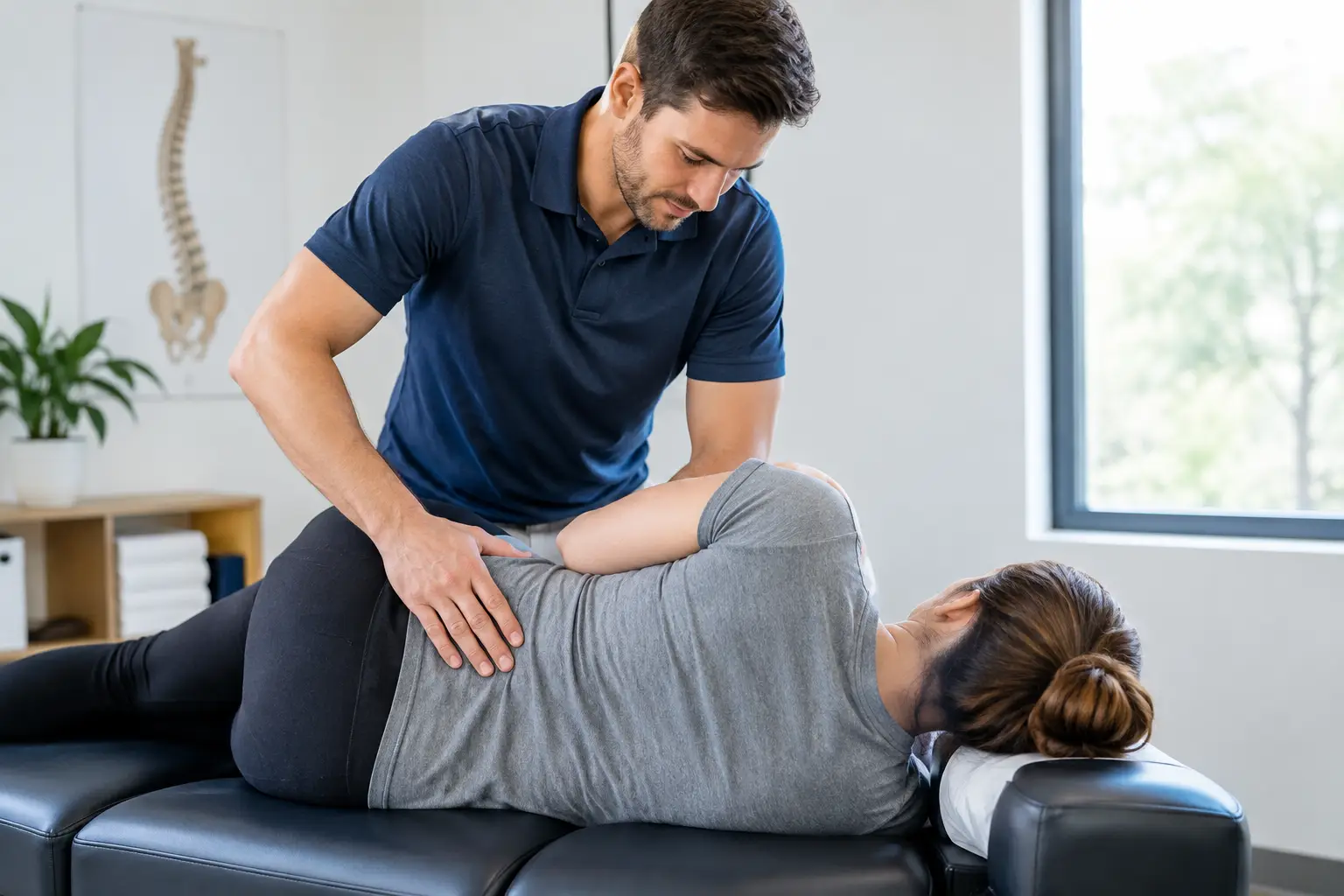
Chiropractic care for chronic pain focuses on restoring normal motion in the spine and joints so the nervous system stops receiving a constant stream of pain signals. Gentle adjustments, soft tissue work, and targeted exercise reduce pain intensity without medication or surgery.
The word “gentle” matters here. Many people picture forceful neck cracking and understandably flinch. In practice, modern chiropractic care includes low-force techniques, instrument-assisted adjustments, and table positioning that work well for older adults, pregnant patients, and anyone who is nervous about manipulation. A common mistake is assuming chiropractic means one specific technique. It does not.
How Chiropractic Care Fits Into a Multidisciplinary Team
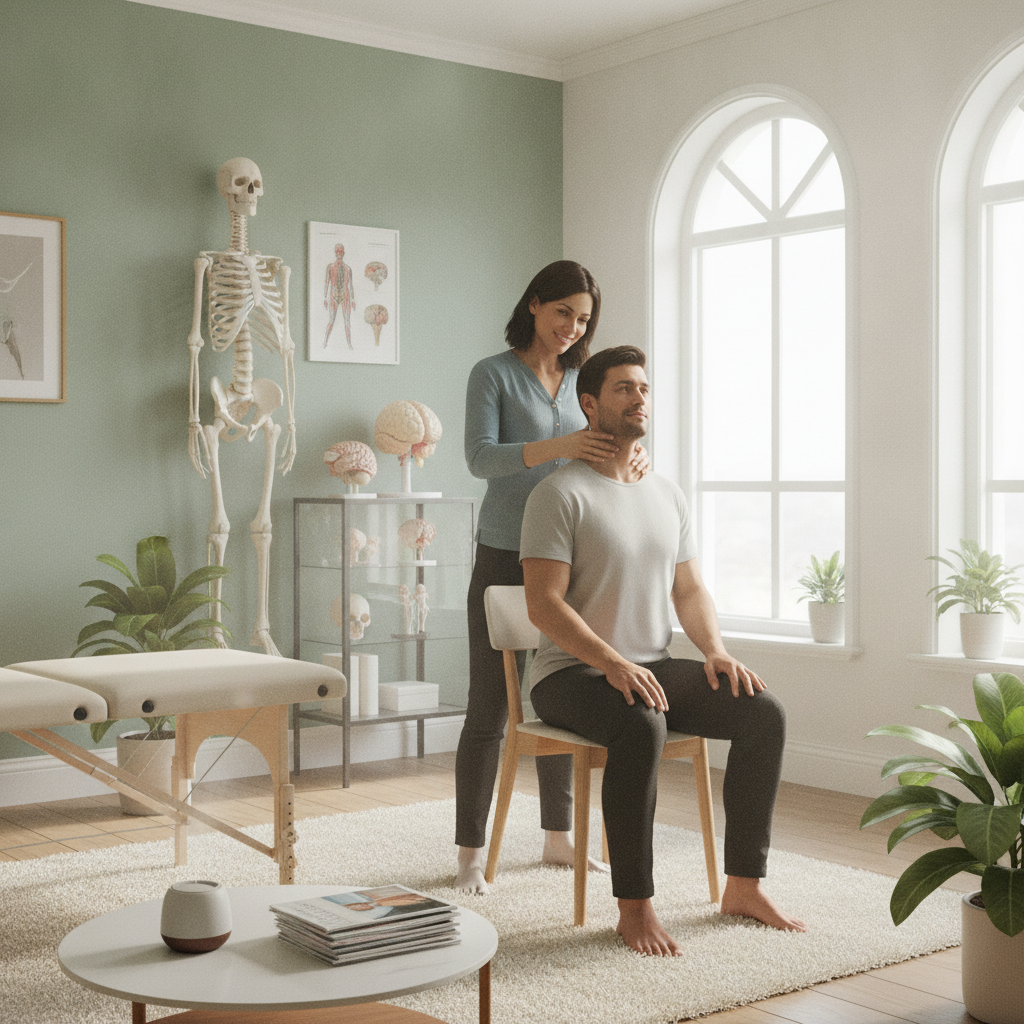
Chiropractic care is one piece of a larger multidisciplinary team, not a replacement for it. A well-run chronic pain management program coordinates the chiropractor with physical therapists, pain psychologists, and the patient’s primary care physician so everyone is working from the same treatment plan.
That coordination is where most standalone clinics fall short. What most guides miss is that the handoff between providers is often where progress stalls. When the chiropractor, physical therapist, and physician are not communicating, patients get contradictory advice and lose weeks.
Ask any clinic how they share progress notes with your other providers. If the answer is vague, that is a signal the “multidisciplinary” label is marketing rather than practice.
Non-Invasive Pain Management in San Antonio
Non-invasive pain management in San Antonio spans chiropractic care, physical therapy, therapeutic exercise, and behavioral approaches, all aimed at reducing pain without surgery or long-term medication. For residents dealing with back pain, sciatica, or joint conditions, these options are usually the right first step.
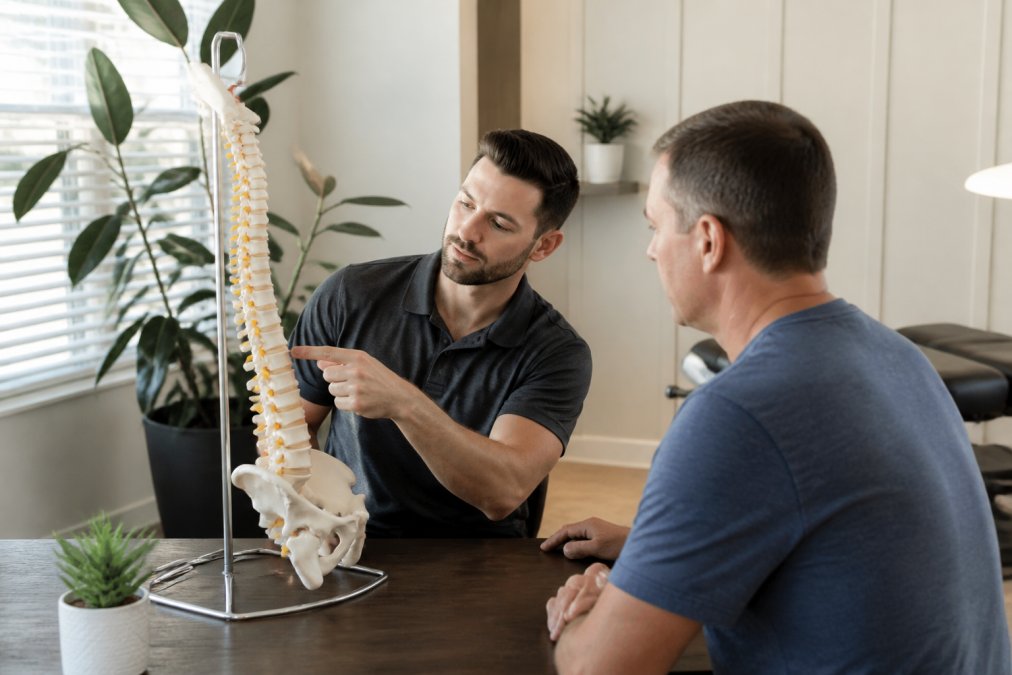
Neck pain from long hours at a computer and lower back pain from weekend sports are common reasons people seek our care.
Telehealth Integration for Pain Management
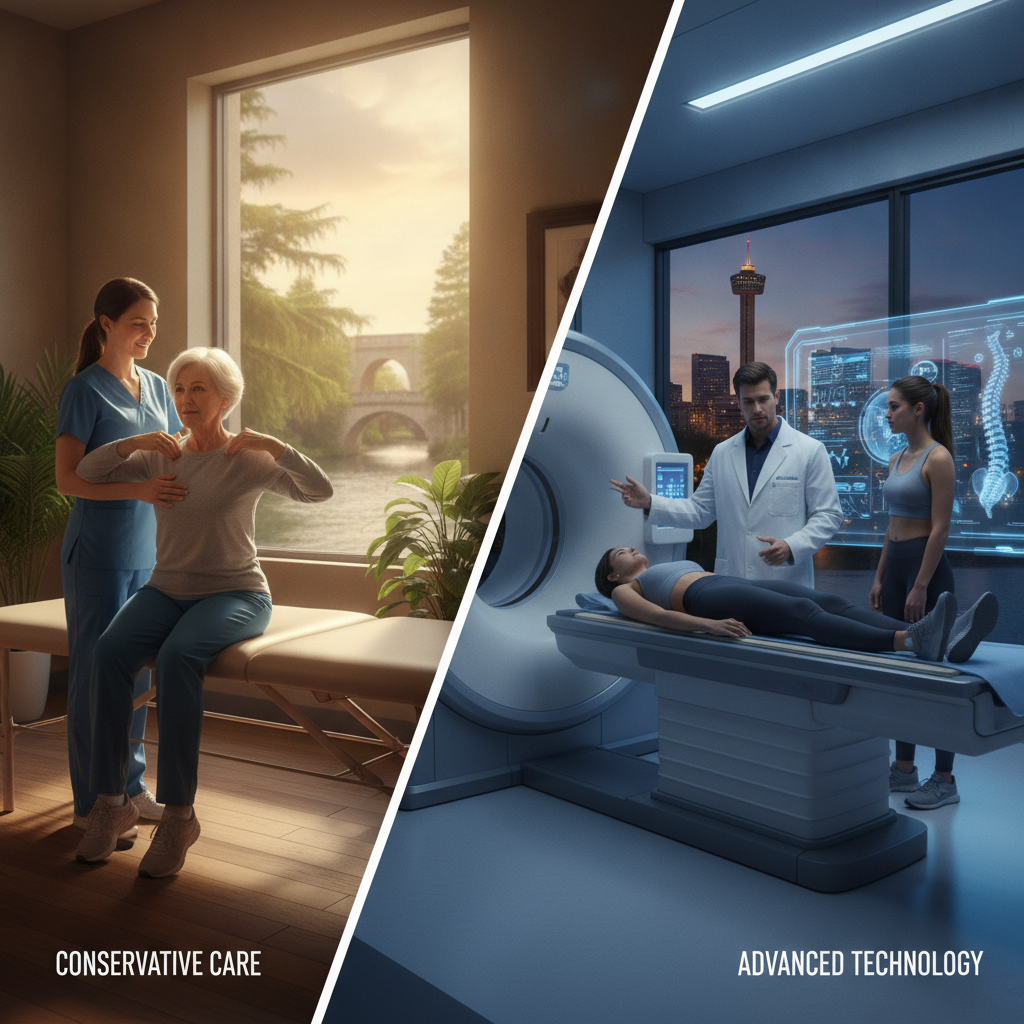
Telehealth integration lets patients complete pain assessments, behavioral therapy sessions, and progress check-ins by video, which matters for anyone juggling work, childcare, or a long commute across the city. Hands-on treatment still happens in person, but the surrounding program can run partly remote.
This hybrid model is one of the biggest changes in pain rehabilitation over the past few years. Behavioral therapy and coping strategies translate well to video. Manual therapy does not. A good program is honest about which parts can move online and which cannot.
Functional Restoration Programs in Texas
Functional restoration programs in Texas take a goal-oriented approach: instead of asking only “how much does it hurt,” they ask “what can you do again.” The measure of success is whether you can return to work, lift your child, or finish a round of golf.
These programs typically combine graded therapeutic exercise, pain education, and psychological support over a defined number of weeks. The emphasis on function over pain intensity is deliberate. Pain assessment scores matter, but clinical outcomes that change daily life matter more.
A common mistake is treating functional restoration as an intense boot camp. It is not. Progress is graded, and pushing through severe pain usually backfires by triggering a flare.
Do not sign up for any program that promises a fixed number of visits will eliminate your pain. Chronic pain syndrome is managed, not erased, and any clinic guaranteeing a cure is overselling.
Conditions Treated in Chronic Pain Management Programs
Chronic pain management programs treat a defined set of conditions where pain has outlasted normal healing, generally three months or longer. The table below outlines the most common diagnoses, but the more useful information is what a program actually does for each one.
| Condition | Typical Presentation | Primary Program Focus |
|---|---|---|
| Chronic back pain | Pain lasting 3+ months, worse with sitting | Therapeutic exercise, chiropractic care |
| Sciatica | Radiating leg pain, numbness, tingling | Nerve mobilization, pain modulation |
| Neuropathic pain | Burning, shooting sensations | Pain psychology, medication review |
| Fibromyalgia | Widespread aching, fatigue, sleep issues | Graded exercise, coping strategies |
| Joint conditions | Stiffness, reduced range of motion | Physical medicine, occupational therapy |
| Whiplash and soft tissue injuries | Neck pain after a collision | Chiropractic care, rehabilitation |
Here is what those program focuses look like in practice.
Chronic back pain. Most programs begin with a graded walking and core-stabilization plan, then layer in manual therapy. The goal is not to “fix” a disc but to desensitize a nervous system that has learned to guard the area. Patients who sit for a living often need workstation changes built into the plan, not just exercises.
Sciatica. Nerve pain responds to a different sequence than muscular back pain. Programs typically start with positions and movements that reduce nerve compression (often called directional preference exercises), then progress to nerve gliding and strength work. Pushing into sharp, radiating pain usually makes it worse, so the pacing here matters more than the intensity.
Neuropathic pain. Burning and shooting pain often involves central sensitization, where the nervous system amplifies signals. Medication review by a physician is common, paired with pain psychology to reduce the fear-avoidance cycle. This is one of the conditions where the multidisciplinary model outperforms any single provider most clearly.
Fibromyalgia. The evidence favors gentle, graded aerobic exercise and cognitive behavioral therapy over aggressive strengthening. Programs that treat fibromyalgia like a sports injury tend to cause flares. Sleep and stress management are treated as core treatment targets, not side issues.
Joint conditions. Osteoarthritis of the knee and hip is managed with strengthening around the joint, range-of-motion work, and weight management support where appropriate.
The Multidisciplinary Approach to Pain Rehabilitation
The multidisciplinary approach to pain rehabilitation is the single strongest predictor of whether a program works. A team that includes a physician, physical therapist, chiropractor, and pain psychologist produces better clinical outcomes than any one provider working alone.
Here is how the pieces divide.
Physical Therapy and Therapeutic Exercise
Physical therapy and therapeutic exercise rebuild strength and flexibility around the painful area. Graded movement teaches the nervous system that activity is safe, which is one of the more reliable ways to reduce pain intensity over time.
Psychological and Behavioral Support
Psychological and behavioral support addresses the fear, sleep disruption, and low mood that accompany long-term pain. Behavioral therapy, biofeedback, and coping strategies are evidence-based practice for chronic pain, not an optional extra.
Insurance, Finances, and Local San Antonio Support Groups
Cost is the question most patients ask second, right after “will this work.” Coverage for chronic pain management varies widely by plan, and the fastest way to get a real answer is to call your insurer with the specific procedure codes your clinic provides.
- Which services are billed, and under what codes
- Whether the clinic is in-network for your specific plan
- What your deductible and copay look like for a multi-week program
- Whether a referral from your primary care physician is required
- What happens financially if the program is extended
Bring a written list of your medications and prior treatments to your first insurance call. Insurers ask about prior conservative care when reviewing authorization requests for pain programs, and having the dates and providers ready speeds the process.
Frequently Asked Questions
What are the core components of a chronic pain management program?
A comprehensive program typically includes a multidisciplinary team. This team often consists of physical medicine doctors, physical and occupational therapists, and pain psychologists. The focus is on functional restoration, using evidence-based practices like therapeutic exercise, behavioral therapy, and coping strategies to improve quality of life and reduce pain intensity.
How does chiropractic care integrate into chronic pain management in San Antonio?
Chiropractic care can be a key part of a non-invasive pain management plan. A chiropractor can provide spinal adjustments and other gentle techniques to improve joint mobility and reduce pain for conditions like sciatica or chronic back pain. In San Antonio, chiropractors often work as part of a multidisciplinary team, coordinating with other providers to support your overall treatment plan.
Are there non-pharmacological chronic pain management options in Texas?
Yes, many programs in Texas focus on non-pharmacological options. These include physical therapy, therapeutic exercise, and behavioral therapy. Techniques like biofeedback and pain psychology can also help patients manage conditions such as fibromyalgia or neuropathic pain. These approaches aim to improve function and coping strategies without relying solely on medication.
How do I choose the right pain management program for my specific condition?
Look for a program that offers a patient-centered care model. A good first step is a comprehensive pain assessment to understand your specific needs. Ask if the program is referral-based and includes a multidisciplinary team. It’s also wise to ask about their experience with your condition, whether it’s joint conditions or chronic pain syndrome, and what clinical outcomes they track.
What is the difference between acute and chronic pain management?
Acute pain is typically short-term and results from a specific injury or illness, often resolving as the body heals. Chronic pain persists for weeks, months, or longer. Chronic pain management programs focus on long-term strategies to manage pain and improve daily function, whereas acute pain treatment often focuses on immediate relief and healing.