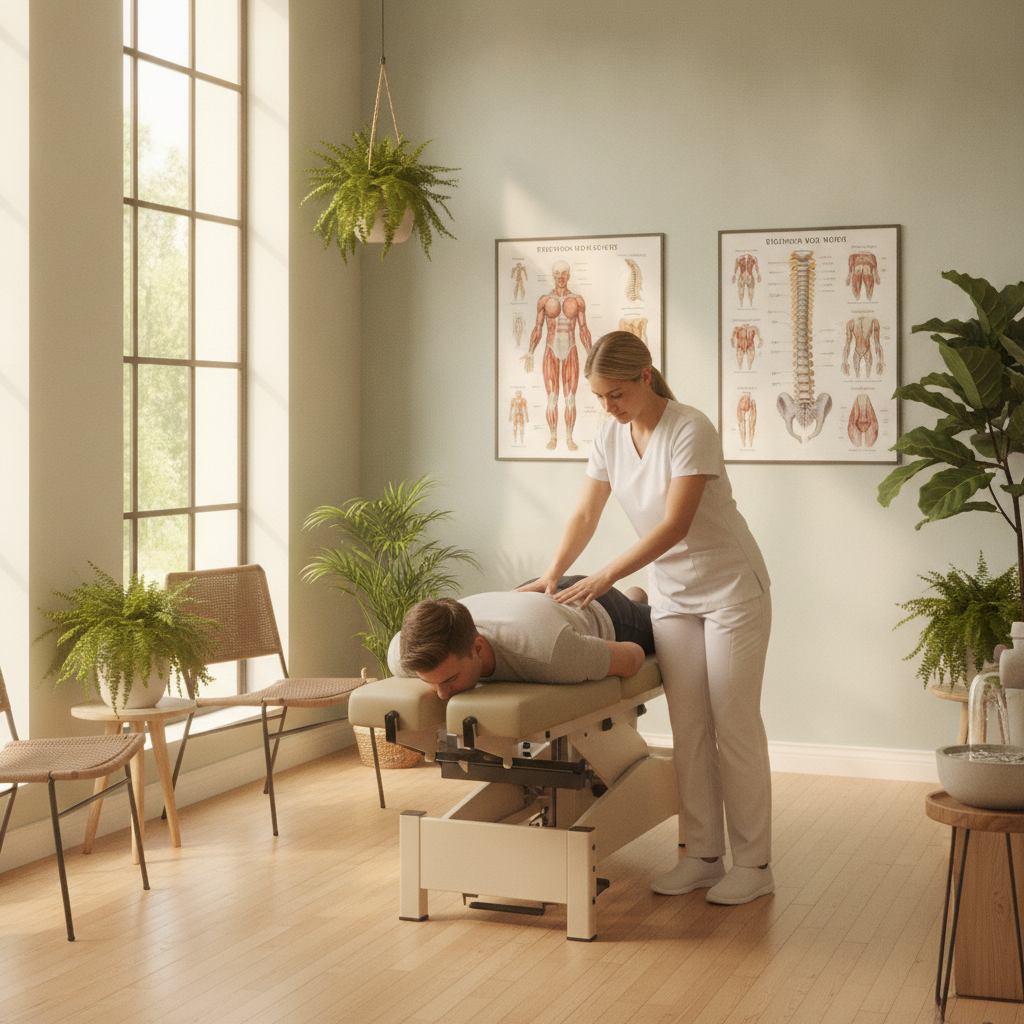
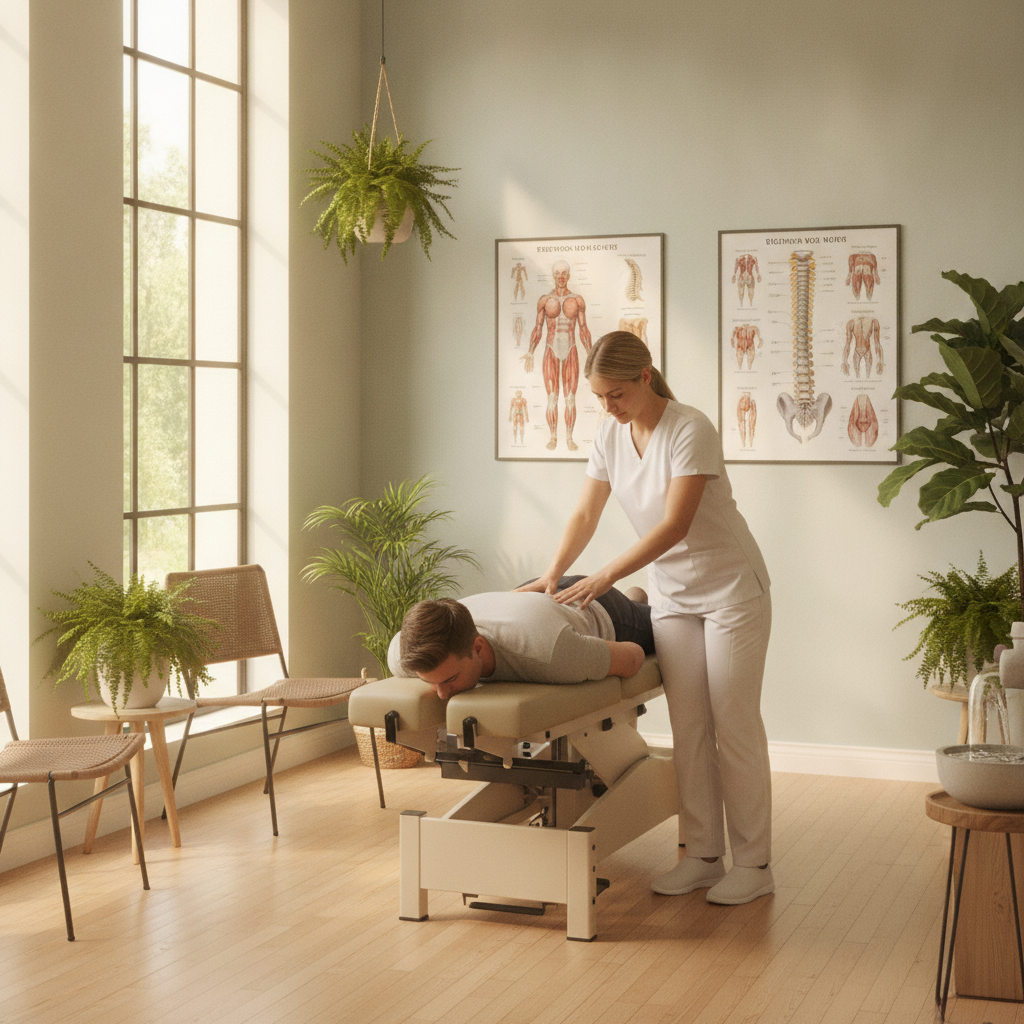
You bend down to tie your shoe and notice your hamstrings pull tight. You turn your head to check a blind spot and your neck stops short of where it used to go. Limited flexibility sneaks up on most of us, and it rarely announces itself with a single dramatic event. It builds quietly through long workdays, repetitive routines, and years of moving the same way. Many people shrug it off as a normal part of getting older, but stiffness is often a sign that muscles and joints are not cooperating the way they should. That is where chiropractic care San Antonio TX residents turn to can offer a practical, hands-on path forward. Instead of simply masking discomfort, a chiropractic approach looks at how your joints, muscles, and movement patterns work together. This article walks through why muscles tighten, how chiropractors evaluate restricted motion, which techniques are commonly used, and what you can do between visits to keep your range of motion improving. Whether you sit at a desk, work on your feet, or stay active on weekends, you will find clear, realistic ideas for loosening up and moving with more ease.
Why Muscles Tighten and Flexibility Fades
Muscle tightness is not random. Muscles shorten when they are held in the same position for hours, when they are overworked without enough recovery, or when they compensate for a joint that is not moving freely. Think of a rubber band left stretched in one spot for a long time. It loses its natural spring. Your hip flexors do something similar after a full day of sitting, and your upper traps do the same when your shoulders creep toward your ears at a keyboard.
Joints play a major role too. When a spinal joint becomes restricted, nearby muscles often tighten up to guard it, almost like a splint. That protective tension can feel like a stubborn knot that never fully releases with stretching alone. If you want to explore how stiffness connects to spinal problems, you can learn more about the broader picture of back pain treatment and how it relates to everyday tightness.
How Joint Restriction Creates a Tension Cycle
One of the most overlooked ideas in flexibility is the tension cycle. A joint loses a little motion, perhaps from an old injury, a long stretch of inactivity, or repetitive strain. The muscles around it respond by tightening to limit movement in that area. Tight muscles then pull on the joint, which reduces its motion even further. Over weeks and months, this loop can quietly shrink your usable range.
The tricky part is that you may only feel the muscle side of the story. You stretch your calves or your lower back, feel brief relief, and the tightness returns within a day. That pattern often hints that the underlying joint is not moving well enough to let the muscle stay relaxed. Chiropractors are trained to look for this connection. By restoring motion in a restricted joint, the surrounding muscles often have less reason to stay clenched, which can make stretching and exercise far more effective afterward.
What a Mobility-Focused Evaluation Looks Like
A good evaluation for limited flexibility goes beyond asking where it hurts. The chiropractor will usually start with your history: how long the stiffness has been present, what your daily routine looks like, and whether past injuries or repetitive tasks may be involved. You might be asked about sleep position, workstation setup, and favorite activities, because small habits often explain big restrictions.
Next comes movement testing. You may be guided through bending, twisting, and reaching while the provider watches for uneven motion, pinching, or movements that stop sooner than expected. Gentle hands-on palpation helps identify joints that feel locked or muscles that feel unusually dense. Comparing one side to the other is a common technique, since asymmetry often reveals where the problem lives. This information shapes a plan built around your body rather than a generic routine. Working with a trusted Chiropractor in San Antonio, TX means that evaluation can be tailored to your lifestyle and goals.
Adjustments Designed to Restore Joint Motion
Spinal and joint adjustments are the hallmark of chiropractic work. The goal is to apply a precise, controlled input to a restricted joint so it can move through its normal range again. Many people notice that a stiff area feels lighter or more mobile soon afterward, though responses vary from person to person and from visit to visit.
For people dealing with persistent tightness, chiropractic adjustments for stiff muscles are often paired with gentler methods so the whole area can settle down. Adjustments are not always the quick pop many people imagine. Depending on your comfort and needs, a provider may use low-force techniques, slow pressure, or assisted movements instead. Communication matters here. Tell your chiropractor what feels good, what feels too intense, and how your body responds in the hours after a session so the approach can be refined over time.
Soft Tissue Methods That Complement Adjustments
Joints are only half of the flexibility equation, so many chiropractic visits include soft tissue work. Techniques may include targeted pressure on tight spots, instrument-assisted tissue mobilization, stretching with assistance, or myofascial release. The idea is to encourage muscles and the connective tissue around them to lengthen and glide more freely.
These methods can be especially helpful when tension has been building for years. A muscle that has been guarding a joint may need some coaxing before it accepts a new, larger range of motion. Combining soft tissue work with joint adjustments often produces a more lasting change than either approach alone, since the tissues and the joints learn the new movement together. Over time, many people find that everyday tasks such as reaching overhead, climbing stairs, or turning to look behind them feel noticeably smoother.
Pace matters as well. Your provider will usually increase intensity gradually so tissue can adapt without flaring up. If you tend to feel sore after deep work, mention it early, because adjusting pressure and session length is simple when the conversation happens upfront.
Common Areas Where Flexibility Gets Lost
Certain regions of the body lose motion more often than others, mostly because of how modern life asks us to use them. The table below summarizes frequent trouble spots, typical causes, and the kind of limitation people often notice.
| Body Area | Common Contributors | Typical Limitation |
|---|---|---|
| Neck | Screen use, phone posture | Difficulty turning or tilting the head |
| Mid and upper back | Desk work, rounded shoulders | Trouble rotating or reaching overhead |
| Lower back | Prolonged sitting, lifting | Stiffness when bending forward |
| Hips | Sitting, limited activity | Tight hip flexors, shortened stride |
| Hamstrings and calves | Standing, running, little stretching | Difficulty touching toes or squatting deeply |
Posture Habits That Quietly Shorten Muscles
Posture is rarely about standing up perfectly straight. It is more about how long you remain in any single position. A neutral spine held rigidly for hours can tire you out just as much as slouching. The real culprit is staying still, which lets muscles adapt to a shortened or lengthened state and lose their ability to move through a full range.
Consider where your habits show up during the day. Your driving seat, your couch angle, the way you cradle a phone, and even the side you carry a bag on all train your body into patterns. Chiropractors often point out these routines because they explain why stiffness returns after a good session. Small changes add up quickly: standing to take calls, adjusting your monitor so your head stays balanced over your shoulders, and switching hands for carrying. None of this requires special equipment. It simply asks you to vary your positions so no single muscle group gets stuck holding the same shape all day.
Simple Stretches and Movement Breaks Between Visits
What you do between appointments shapes how well your results hold. A few minutes of intentional movement can reinforce the range you are working to regain. Here are practical options many providers recommend, adjusted to your comfort level:
- Gentle neck rotations and side tilts, held briefly and never forced.
- Cat-cow movements on hands and knees to mobilize the spine.
- A standing hip flexor stretch to counter long periods of sitting.
- Hamstring stretches using a strap or towel, keeping the back relaxed.
- Thoracic rotations seated in a chair, turning slowly from the mid back.
Aim for short, regular sessions rather than one long, aggressive stretch. Breathing slowly while you hold each position helps muscles release, and stopping before sharp pain keeps you on the right side of effective. Ask your chiropractor which movements fit your situation, since the best choices depend on where your restrictions actually are.
Recovery, Sleep, and Why Muscles Need Rest
Flexibility gains happen during recovery, not just during treatment or stretching. Muscles that are chronically tight are often muscles that never fully recover, whether from stress, poor sleep, or heavy training without downtime. When the body stays in a constant state of tension, even good mobility work can feel like an uphill battle.
Sleep quality and sleep position can either help or hinder your progress. A mattress or pillow that leaves your neck twisted for eight hours can undo some of the motion you worked to restore. If you are curious about the connection between restful nights and physical recovery, How Chiropractic Adjustments May Support Better Sleep and Body Recovery explores how these pieces fit together. Hydration, gentle walking, and managing daily stress also play supporting roles, helping muscles stay supple instead of guarded.
Staying Consistent With Long-Term Maintenance
Regaining flexibility is one goal. Keeping it is another. Many people feel better after a handful of visits and then drift away, only to find the old stiffness creeping back months later. Maintenance does not have to mean frequent, open-ended appointments. It simply means checking in periodically so small restrictions do not grow into big ones.
If you are weighing how often to return once your symptoms ease, Understanding Chiropractic Maintenance Care for Long-Term Spinal Health offers a helpful overview of how this approach works. The right schedule depends on your age, activity level, job demands, and history of flare-ups. Someone who lifts at work all day may benefit from a different rhythm than someone who mostly sits. Treat it like dental cleanings or oil changes: a small, steady investment that protects what you have already built.
Knowing When Stiffness Needs Prompt Attention
Most everyday tightness is mechanical and responds well to movement, hands-on care, and better habits. Still, some signs deserve prompt attention. Sudden, severe pain after a fall or accident, numbness or tingling that spreads into an arm or leg, weakness that makes gripping or walking difficult, unexplained fever alongside back pain, or changes in bladder or bowel control should be evaluated urgently by a medical professional.
It is also wise to speak up if stiffness keeps worsening despite consistent effort, or if it wakes you at night in a way that rest does not relieve. A thoughtful chiropractor will screen for these red flags and coordinate with other healthcare providers when something falls outside their scope. That kind of honest, collaborative approach is a good sign you are in capable hands. Your goal is safe, steady progress, and knowing when to escalate is part of protecting it.
Your Next Steps
Limited flexibility and tight muscles are common, but they are not something you simply have to live with. As we have seen, stiffness usually grows from a mix of repeated postures, restricted joints, overworked tissue, and too little recovery. Because these factors feed one another, the most effective plans address more than one at a time. A chiropractic approach can help by restoring joint motion, easing muscular guarding, and teaching you habits that protect your progress.
Start by noticing your own patterns. Where do you feel the tightest, and when does it show up? Pay attention to long stretches of sitting or standing, and build in small movement breaks. Pair those habits with gentle stretches that match your comfort level, and give your body quality sleep so it can actually adapt. If stiffness keeps returning or limits things you enjoy, scheduling an evaluation can clarify what is going on beneath the surface rather than leaving you to guess.
Remember that improvement tends to be gradual. Some people notice changes quickly, while others need several weeks of consistent care and practice. Be patient, communicate openly with your provider, and celebrate small wins like turning your head more easily or bending to pick something up without a grimace. With a thoughtful plan and steady follow-through, moving freely again is a realistic goal for many people, and the first step is simply deciding your stiffness deserves attention.