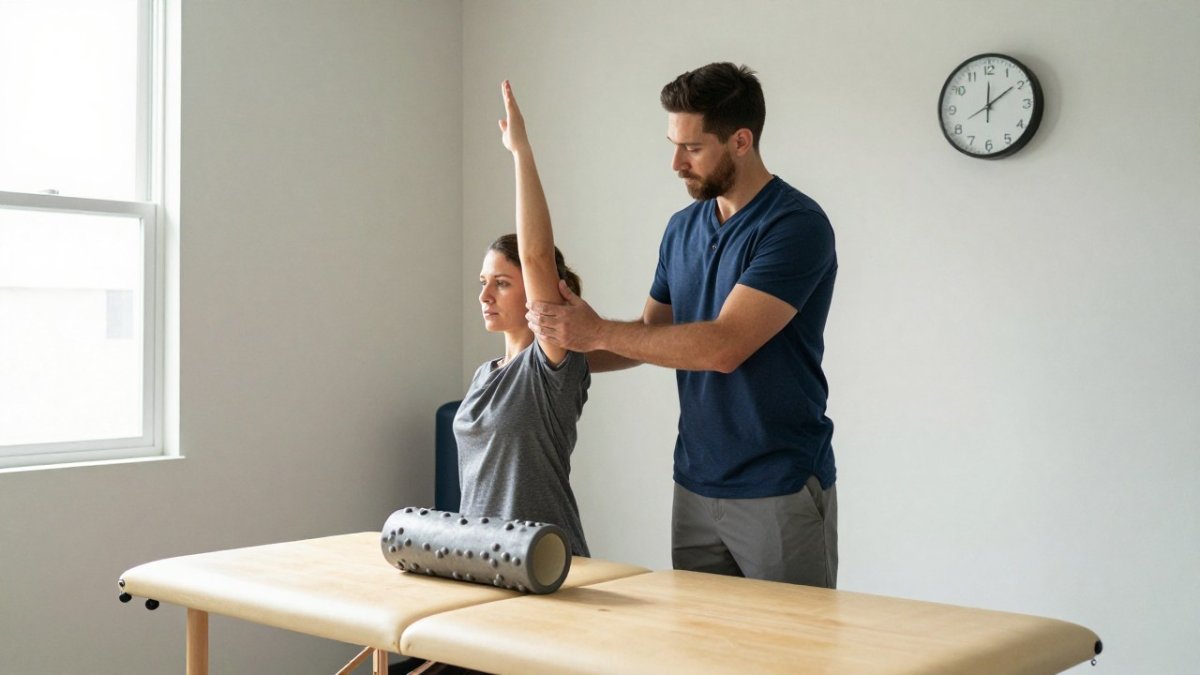

A stiff spine can make ordinary moments feel bigger than they should. Looking over your shoulder while driving, reaching into the back seat, getting up from the couch, or bending to pick up a child may bring tightness, hesitation, or pain. Learning how to improve spinal mobility is not about pushing your body into extreme stretches. It is about helping your spine move comfortably, confidently, and with the support it needs.
Your spine is built to move. It bends forward and back, rotates, and side-bends as you walk, work, exercise, and handle daily life. When that movement becomes limited, your body often compensates somewhere else. The neck, shoulders, hips, knees, or even feet may begin doing more work than they should.
Why Spinal Mobility Changes
Mobility is the available, controlled movement at a joint or series of joints. Flexibility matters, but it is only one part of the picture. You also need muscle control, strength, coordination, and a nervous system that feels safe allowing the movement.
Spinal stiffness can develop for many reasons. Long hours at a desk, frequent driving, repetitive work, old injuries, poor sleep, stress, and reduced activity can all contribute. A car accident, sports injury, disc issue, arthritis, or chronic pain may create a more noticeable restriction. Pregnancy and the physical demands of caring for young children can change how the back and pelvis move as well.
Sometimes stiffness is your body’s protective response. If a certain movement has been painful, your muscles may tighten around the area to guard it. For that reason, forcing a stretch through sharp pain is rarely the answer. The goal is to gradually restore motion while addressing the reason your body started limiting it in the first place.
How to Improve Spinal Mobility Safely
The most effective approach is usually consistent, gentle movement rather than an occasional intense workout. A few minutes of purposeful movement most days can be more useful than trying to “make up for it” once a week.
Start with comfortable movement
Begin in a range that feels manageable. Slow cat-cow movements, pelvic tilts, gentle trunk rotations, and supported child’s pose can help many people reintroduce spinal motion without overloading the body. Move with your breath. As you inhale, prepare for the motion; as you exhale, allow a little more ease without straining.
The right amount of movement depends on your symptoms. Mild muscular tightness may respond well to regular mobility work. If you feel numbness, tingling, weakness, radiating pain, dizziness, or a sharp catching sensation, stop and seek an evaluation before continuing. Those symptoms can signal that a more individualized plan is needed.
Do not forget your hips and upper back
The low back often gets blamed for pain that is partly related to limited hip movement. When the hips do not extend, rotate, or bend well, the lumbar spine may move more to compensate. Likewise, stiffness in the mid-back can lead the neck and low back to take on extra twisting and reaching.
Try pairing gentle spine movement with hip flexor stretching, glute strengthening, and thoracic extension over a chair back or rolled towel. You do not need complicated exercises. The goal is to share movement across the body instead of asking one area to do everything.
Build strength around your new range of motion
Mobility that you cannot control is not as useful in everyday life. Once a movement becomes more comfortable, add basic strength work to help your body keep it. Walking, bodyweight squats to a comfortable depth, glute bridges, bird dogs, rows, and light carries can support the muscles that stabilize your spine.
This is where the trade-off matters. Aggressively stretching an irritated back may leave it feeling less stable, while only strengthening without addressing stiffness can keep movement restricted. A balanced plan includes mobility, strength, and gradual exposure to the tasks you want to return to, whether that is gardening, playing golf, lifting at work, or keeping up with your kids.
Change the positions you repeat all day
There is no single perfect posture that you must hold all day. The bigger issue is staying in one posture for too long. If you sit for work, stand up and move for a few minutes every 30 to 60 minutes when possible. If you drive often, adjust your seat so you can reach the pedals comfortably without rounding forward, and take a brief walk during longer trips.
Small changes count. Take calls while walking, use the stairs when appropriate, alternate sitting and standing, and avoid treating your evening as the first time your body gets to move. Your spine benefits from frequent variation more than rigid rules.
A Simple Daily Mobility Routine
For many adults, this 8- to 10-minute routine is a practical starting point. Keep every movement smooth and pain-free. If a movement increases symptoms during or after the routine, skip it until you have been evaluated.
- Easy walk or march in place for two minutes. Let your arms swing naturally and allow your rib cage to rotate gently.
- Pelvic tilts for one minute. Lying on your back with bent knees, slowly flatten your low back into the floor, then return to neutral. Keep the motion small.
- Cat-cow for one to two minutes. On hands and knees, round and gently extend through the whole spine without forcing your neck.
- Open-book rotations for one minute per side. Lie on your side with knees bent and slowly open the top arm across your body, following it with your eyes if that feels comfortable.
- Glute bridges for one to two sets of eight to 10 repetitions. Press through your feet, lift your hips only as high as feels controlled, and avoid arching your back.
- A calm finish. Take several slow breaths while lying on your back or sitting tall. Notice whether your body feels easier, not whether you achieved the biggest stretch.
Consistency matters more than perfection. Start three or four days per week if daily movement feels unrealistic, then build from there. A plan you can maintain is more valuable than a demanding routine you abandon after a week.
When Stiffness Needs More Than Stretching
Home mobility work is useful, but it is not meant to replace professional evaluation when pain is persistent or symptoms are changing. Consider getting help if stiffness lasts more than a few weeks, follows a car accident or fall, interrupts sleep, limits work or exercise, or keeps returning despite your efforts.
Seek prompt medical attention for severe pain after major trauma, new bowel or bladder changes, numbness in the groin area, unexplained fever, progressive weakness, or unexplained weight loss. These symptoms need timely medical assessment.
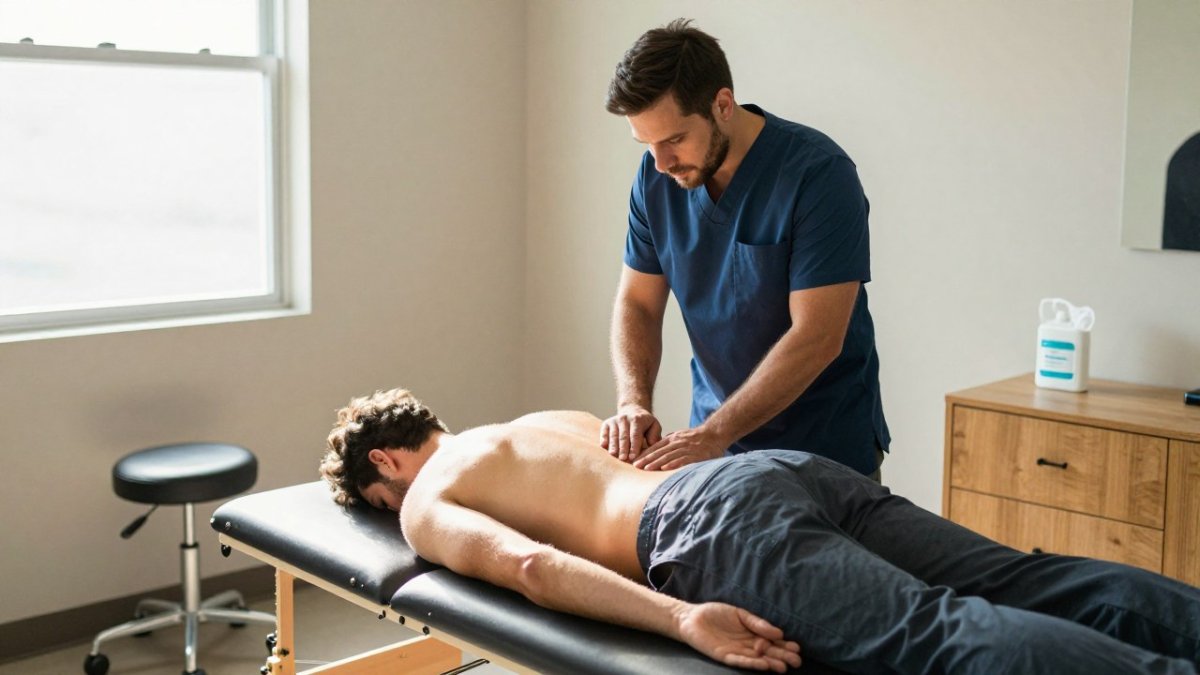
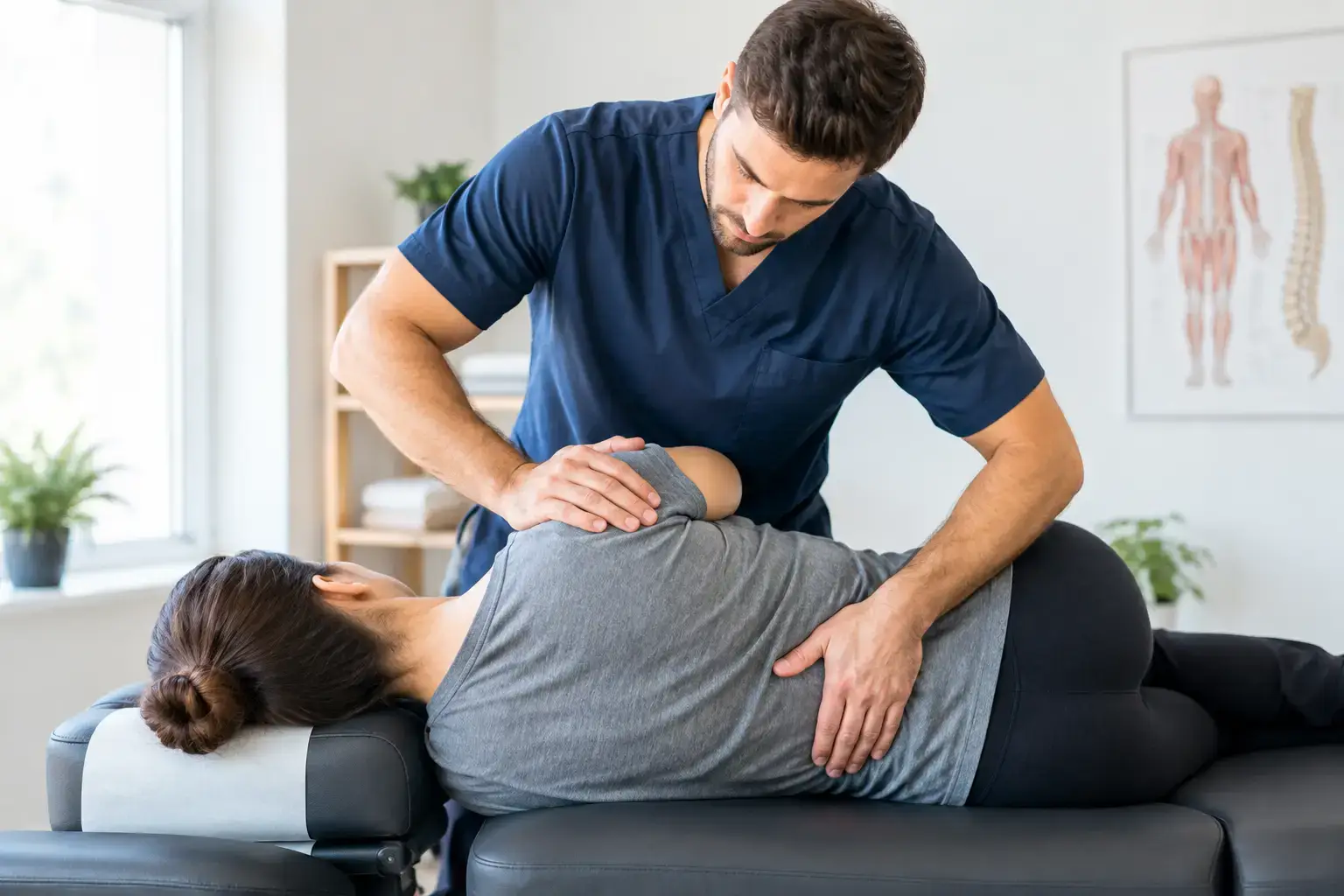
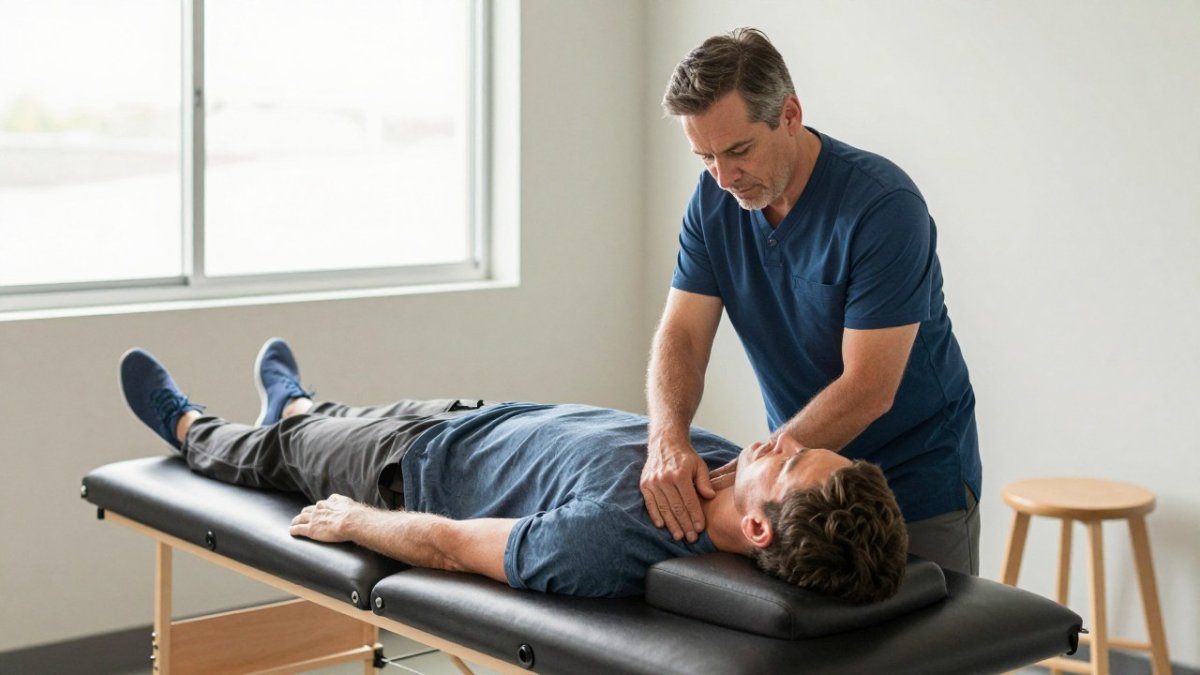
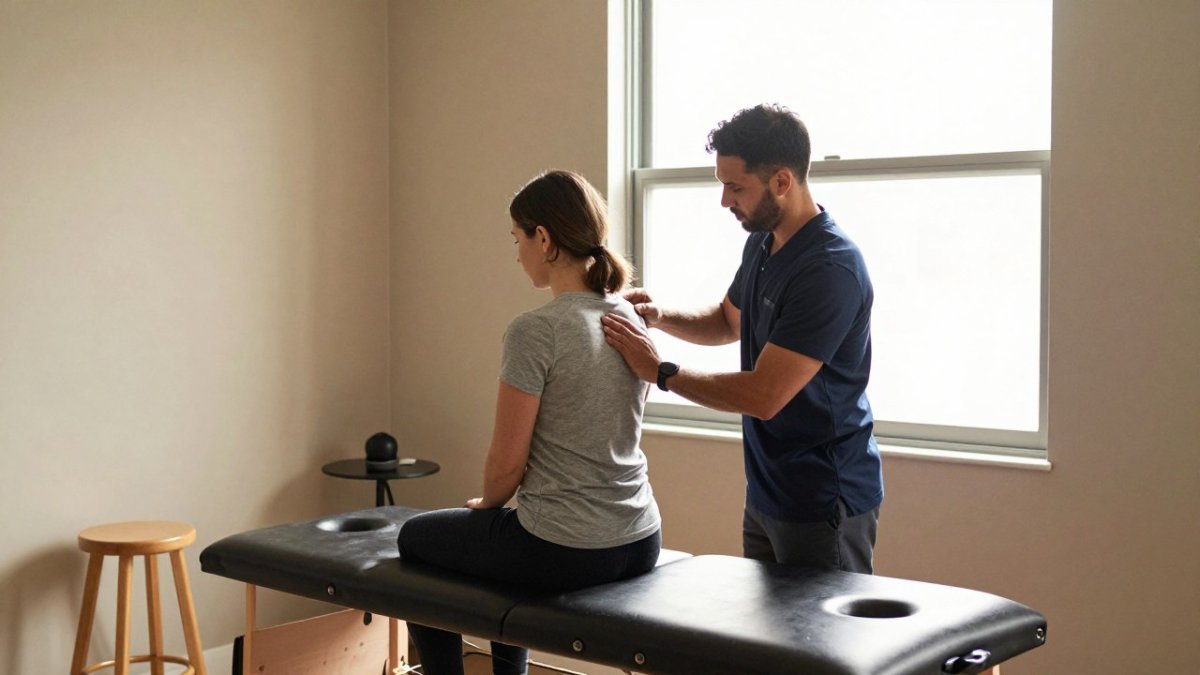
For many people, a chiropractic evaluation can help identify whether the restriction is coming from joint dysfunction, muscle tension, movement habits, an injury pattern, or a combination of factors. Gentle chiropractic adjustments may be part of a personalized care plan, along with soft-tissue work, guided exercise, recovery strategies, and practical advice for work, driving, or sports. The best plan is never one-size-fits-all. It should fit your symptoms, health history, goals, and comfort level.
At Moore Chiropractic, the focus is on listening first and helping patients understand what may be limiting their movement. Whether your stiffness began after a long stretch at a desk, a demanding job, a sports injury, or an accident, care should give you clear next steps rather than leave you guessing.
Give Your Spine a Reason to Move
Better spinal mobility is not measured by how far you can twist or how deeply you can bend. It shows up when you can turn to check traffic without guarding, sleep more comfortably, finish a workday with less tension, or move through family activities with greater ease. Start gently, stay consistent, and let comfortable movement become part of how you care for your body every day.