
Back pain is a common challenge for small business owners, developers, and countless others in this community. The effectiveness of back pain treatments is a pressing concern, as the right approach can mean the difference between ongoing discomfort and a return to normal activity. With so many treatment options available, from physical therapy to chiropractic care and beyond, it’s important to understand what works, what doesn’t, and why. This article dives deep into the effectiveness of back pain treatments, exploring evidence-based solutions, common pitfalls, and practical tips for making informed decisions. Whether you’re managing a team, building software, or simply seeking relief, this guide will help you navigate the complex world of back pain care with confidence. Let’s explore the latest research, real-world experiences, and actionable strategies to help you or your employees find lasting relief and improved quality of life.
Effectiveness of Back Pain Treatments in San Antonio
Understanding the effectiveness of back pain treatments is essential for anyone seeking relief in the area. Local clinics offer a range of therapies, from traditional physical therapy and medication management to acupuncture and massage. The effectiveness of back pain treatments depends on several factors, including the underlying cause of the pain, the patient’s medical history, and the chosen approach. For many residents, combining therapies can yield the best results, especially when guided by a healthcare professional. It’s important to note that not every treatment works for everyone, and patience is key. By staying informed and working closely with practitioners, individuals can maximize their chances of finding a solution that fits their lifestyle. For more information about anti-discrimination in healthcare, visit back pain resources. For related information, see back pain.
Assessing the Effectiveness of Back Pain Treatments in San Antonio, TX
When evaluating the effectiveness of back pain treatments in this city, it’s crucial to consider both clinical evidence and patient experiences. Many clinics in the region use a combination of manual therapies, exercise regimens, and lifestyle counseling to address back pain. The effectiveness of back pain treatments is often measured by improvements in pain levels, mobility, and overall quality of life. Research suggests that individualized care plans, which may include physical therapy, chiropractic adjustments, or minimally invasive procedures, tend to produce the most consistent results. Patients are encouraged to track their progress and communicate openly with their providers. For a detailed look at treatment outcomes and patient rights, refer to Assessing Back Pain Treatments Effectiveness. For related information, see Assessing Back Pain Treatments Effectiveness.
Comparing the Effectiveness of Back Pain Treatments in San Antonio Texas
Comparing the effectiveness of back pain treatments in this region involves looking at outcomes from various modalities. Physical therapy, chiropractic care, and alternative therapies like acupuncture are among the most popular options. Studies indicate that a multidisciplinary approach, combining exercise, manual therapy, and patient education, often leads to better results than relying on a single method. The effectiveness of back pain treatments can also be influenced by patient engagement, adherence to prescribed routines, and regular follow-up. Locally, chiropractic care is a widely used option, with clinics such as Moore Chiropractic offering tailored plans for individuals and small business teams alike.
Understanding the Causes of Back Pain
Before exploring the effectiveness of back pain treatments, it’s important to understand the root causes. Back pain can stem from muscle strains, herniated discs, poor posture, or chronic conditions like arthritis. For small business owners and developers, prolonged sitting, repetitive movements, and stress are common contributors. Identifying the underlying cause helps guide treatment selection and increases the likelihood of success. In many cases, a thorough assessment by a healthcare professional is necessary to rule out serious issues and develop a targeted care plan. By addressing the source rather than just the symptoms, individuals can improve their chances of long-term relief and reduce the risk of recurrence.
Physical Therapy and Exercise Approaches
Physical therapy is frequently recommended for back pain, and its effectiveness is well-documented in clinical studies. Therapists design personalized exercise programs to strengthen core muscles, improve flexibility, and correct posture. These interventions not only reduce pain but also help prevent future episodes. The effectiveness of back pain treatments involving exercise depends on consistency and patient engagement. For small business owners and developers, integrating simple stretches and ergonomic adjustments into the workday can make a significant difference. Regular movement breaks, standing desks, and guided exercise routines are practical steps toward managing and preventing discomfort.
Chiropractic Care and Manual Therapies
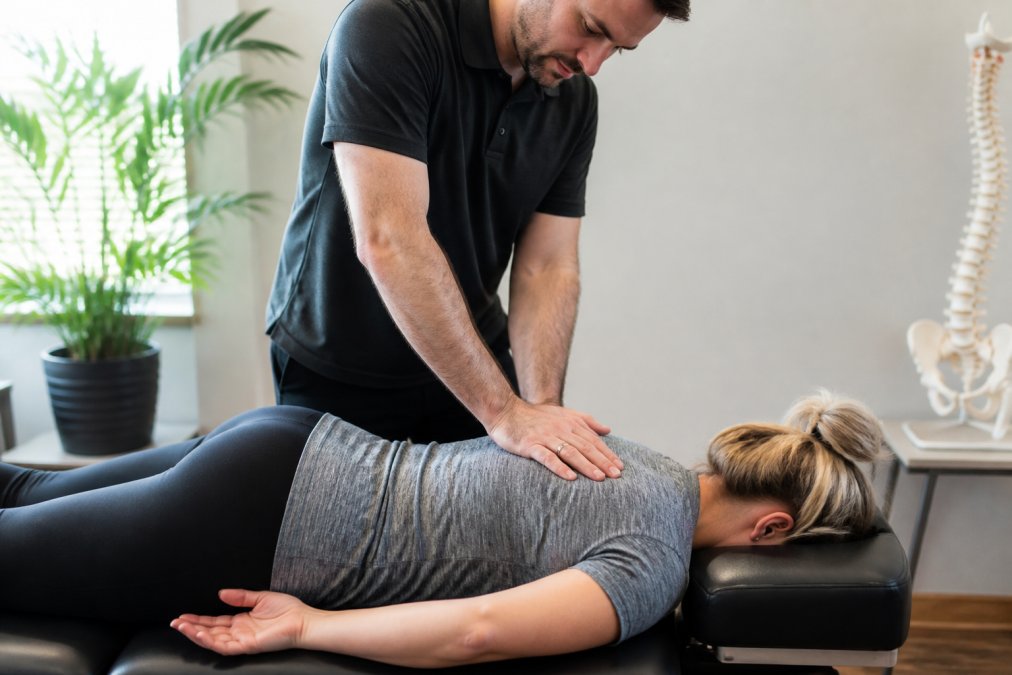
Chiropractic care is a popular option for those seeking non-invasive treatment. Manual therapies, such as spinal adjustments and soft tissue manipulation, aim to restore alignment and reduce pain. The effectiveness of back pain treatments in this category varies by individual, but many report significant relief after a series of sessions. Chiropractors often complement manual therapy with lifestyle advice, exercise recommendations, and ergonomic guidance. For residents, choosing a reputable provider and maintaining open communication about symptoms and progress is key. While some may experience immediate benefits, others may require ongoing care to achieve optimal results.
Medication and Pain Management Options
Medications, including over-the-counter pain relievers and prescription drugs, are commonly used to manage back pain. While these options can provide temporary relief, their effectiveness varies and they often address symptoms rather than underlying causes. Nonsteroidal anti-inflammatory drugs (NSAIDs), muscle relaxants, and, in some cases, corticosteroid injections may be recommended. It’s important to use medication as part of a broader treatment plan, ideally under the supervision of a healthcare provider. Long-term reliance on medication is generally discouraged due to potential side effects and the risk of dependency. Exploring non-pharmacological approaches alongside medication can enhance the overall effectiveness of back pain treatments.
Alternative and Complementary Therapies
Alternative therapies, such as acupuncture, massage, yoga, and mindfulness practices, are increasingly popular for managing back pain. The effectiveness of back pain treatments in this category is supported by growing evidence, particularly for chronic pain sufferers. Many individuals find that combining alternative therapies with conventional medical care leads to better outcomes. For small business owners and developers, incorporating stress reduction techniques and gentle movement into daily routines can help mitigate discomfort. It’s important to consult with qualified practitioners and ensure that any alternative therapy is safe and appropriate for your specific condition.
Surgical Interventions and When to Consider Them
Surgery is typically reserved for severe cases of back pain that do not respond to conservative treatments. Procedures such as discectomy, laminectomy, or spinal fusion may be considered when there is nerve compression, structural instability, or persistent pain. The effectiveness of back pain treatments involving surgery depends on accurate diagnosis, surgical expertise, and post-operative rehabilitation. While many patients experience significant improvement, surgery carries risks and requires careful consideration. For most people, exhausting non-surgical options first is recommended. Thorough discussions with healthcare providers and second opinions can help ensure the best possible outcome.
Lifestyle Changes and Prevention Strategies
Preventing back pain is often more effective than treating it after the fact. Lifestyle changes, such as maintaining a healthy weight, practicing good posture, and staying physically active, play a critical role in long-term back health. The effectiveness of back pain treatments is enhanced when patients adopt preventive habits, including proper lifting techniques, ergonomic workspaces, and regular exercise. For small business owners and developers, fostering a culture of wellness in the workplace can reduce the incidence of back pain among employees. Simple steps, like encouraging movement breaks and providing supportive seating, can make a big difference.
| Treatment Type | Typical Effectiveness | Best For |
|---|---|---|
| Physical Therapy | High for most cases | Muscle strains, postural issues |
| Chiropractic Care | Moderate to high | Mild to moderate pain, alignment issues |
| Medication | Short-term relief | Acute pain, inflammation |
| Alternative Therapies | Varies by individual | Chronic pain, stress-related pain |
| Surgery | High for select cases | Severe, unresponsive cases |
How to Choose the Right Treatment
Selecting the most effective back pain treatment can feel overwhelming given the many options. Start by consulting with a healthcare provider who can assess your specific condition and recommend evidence-based interventions. Consider your lifestyle, work demands, and personal preferences when evaluating options. The effectiveness of back pain treatments is often enhanced by combining therapies, such as physical therapy with ergonomic adjustments or alternative therapies. Keep track of your progress and be open to adjusting your plan as needed. Remember, what works for one person may not work for another, so a personalized approach is essential for the best results.
Evaluating Success and Avoiding Common Pitfalls
Measuring the effectiveness of back pain treatments involves more than just pain reduction. Look for improvements in mobility, daily function, and overall well-being. Avoid common pitfalls such as inconsistent follow-through, neglecting preventive strategies, or relying solely on medication. Regularly reassess your progress with your provider and be proactive about addressing setbacks. For small business owners and developers, fostering a supportive environment and encouraging open communication about health can lead to better outcomes for everyone involved. Staying informed and adaptable is key to long-term success in managing back pain.
Key Takeaways
Navigating the world of back pain care can be challenging, but understanding the effectiveness of back pain treatments empowers individuals to make informed choices. By considering a range of options, from physical therapy and chiropractic care to alternative therapies and lifestyle changes, residents and professionals alike can find solutions that fit their unique needs. Remember to consult with qualified providers, track your progress, and remain open to adjusting your approach as necessary. With patience, persistence, and the right support, lasting relief and improved quality of life are within reach. Prioritizing prevention and early intervention is the best way to ensure ongoing back health for yourself and your team.