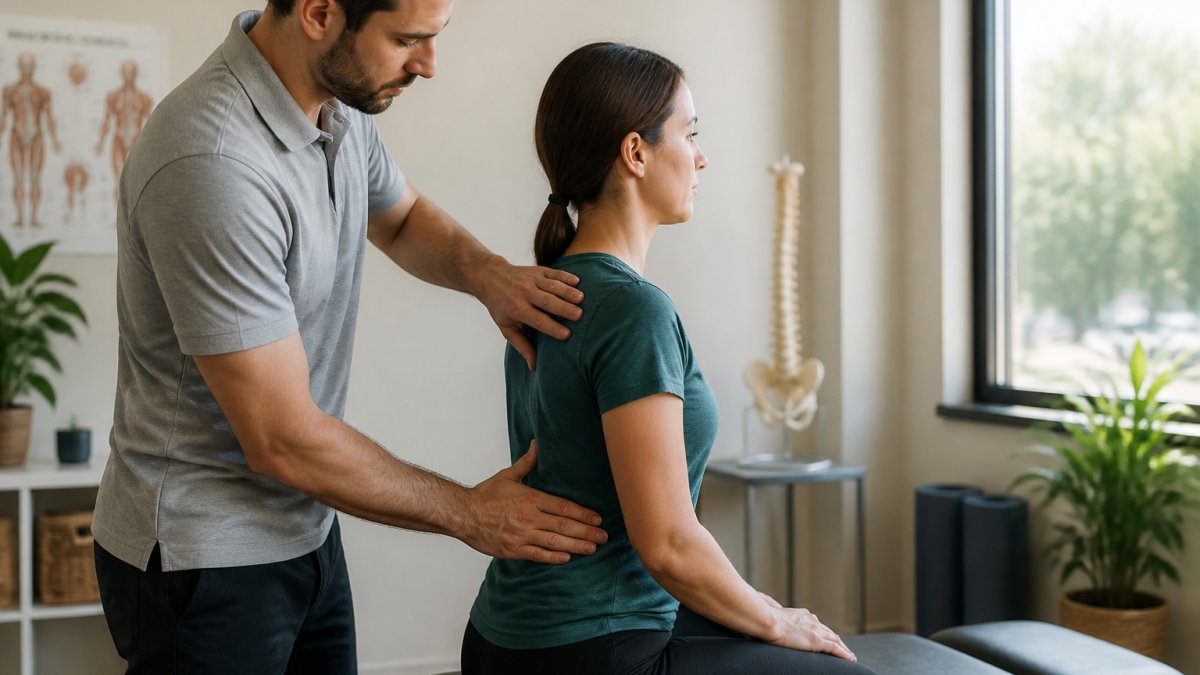


Back pain is a challenge that disrupts daily routines for many people, from small business owners hustling through long hours to developers and professionals who spend their days at desks. If you’re searching for effective back pain treatment San Antonio TX residents trust, you may have heard that core strengthening could be a game-changer. But what does core strength really mean for your spine, and can it truly help reduce or even prevent back pain? In this article, we’ll explore the science behind core stability, how it relates to spinal health, and why targeted exercises can be a valuable part of your pain relief strategy. Whether you’re new to fitness or already active, understanding the connection between your core and your back is key to long-term comfort and mobility. Let’s dive into how core training could help you move and feel better every day.
How Core Muscles Influence Spinal Stability
The term “core” goes far beyond just your abdominal muscles. It includes a group of deep muscles that wrap around your midsection, supporting your spine and pelvis. When these muscles are strong and coordinated, they act as a natural brace for your lower back, reducing excess strain during movement. Weak or imbalanced core muscles can lead to poor posture and increased risk of injury, especially when lifting, twisting, or sitting for extended periods. For those seeking spinal health and core support services, understanding this relationship is crucial. A stable core helps distribute loads more evenly across the spine, minimizing stress on sensitive structures like discs and joints. This foundational support is a critical component in both preventing and managing back pain.
Why Core Strengthening Is Different From Traditional Exercise
Many people assume that any form of exercise will automatically improve core strength, but targeted core training is quite specific. Traditional workouts, like running or cycling, may not fully engage the deep stabilizing muscles that protect your spine. Core strengthening focuses on activating muscles such as the transverse abdominis, multifidus, and pelvic floor, which are often neglected in general fitness routines. These muscles work together to maintain spinal alignment and absorb forces during movement. For those exploring back pain treatment San Antonio TX clinics recommend, incorporating core-specific exercises can complement other therapies and provide lasting benefits. By focusing on quality of movement and proper muscle engagement, core strengthening offers a more comprehensive approach to spinal care than traditional exercise alone.
Common Causes of Weak Core Muscles in Modern Lifestyles
Sedentary habits, such as sitting at a desk for hours or spending long stretches in the car, are major contributors to weak core muscles. Over time, inactivity causes these stabilizing muscles to become deconditioned, while other muscles may compensate and become overworked. This imbalance can lead to discomfort, stiffness, and even chronic pain. Poor posture, repetitive movements, and lack of variety in daily activities also play a role. For individuals seeking guidance from a Chiropractor in San Antonio, TX, addressing these lifestyle factors is often part of a holistic care plan. Simple changes, like standing up regularly, using ergonomic furniture, or adding core exercises to your daily routine, can make a significant difference in how your back feels and functions.
Key Core Exercises for Back Pain Prevention
Not all core exercises are created equal when it comes to back pain prevention. Safe, effective options include planks, bird-dogs, and dead bugs, which target deep stabilizing muscles without placing undue stress on the spine. These movements emphasize control, alignment, and endurance rather than brute strength. It’s important to start with proper technique and gradually increase intensity to avoid aggravating existing pain. For those interested in Chiropractic Strategies for Chronic Muscle Tightness and Trigger Point Relief, integrating these exercises into a broader wellness plan can enhance mobility and comfort. Consistency is key, just a few minutes of focused core work several times a week can yield noticeable improvements in posture and pain levels over time.
How Core Strength Supports Physically Demanding Jobs
For small business owners, tradespeople, and anyone whose work involves lifting, bending, or standing for long hours, a strong core is essential. These muscles help stabilize the spine during dynamic movements, reducing the risk of strains and injuries. Workers who neglect core conditioning may find themselves more prone to fatigue and recurring pain, which can impact productivity and quality of life. Local professionals often seek out resources like Why Local Workers in San Antonio Seek Chiropractic Help for Physical Demands to learn how targeted exercises can protect their backs. By building a resilient core, individuals in physically demanding roles can maintain better posture, handle loads more safely, and recover faster from daily stresses.
Understanding the Science Behind Core Training and Pain Relief
Research consistently points to the benefits of core strengthening for both preventing and managing back pain. When core muscles are activated, they create intra-abdominal pressure, which acts like an internal support system for the spine. This pressure helps reduce the load on spinal discs and joints, making movements safer and more efficient. Studies have shown that people with chronic low back pain often have delayed or weak activation of these deep stabilizing muscles. By retraining the core, individuals can restore proper muscle firing patterns, which in turn alleviates discomfort and enhances movement quality. This scientific foundation is why core exercises are a staple in modern rehabilitation and wellness programs.
Signs Your Core May Need Strengthening
How do you know if your core is underperforming? Common signs include frequent lower back pain, difficulty maintaining good posture, and feeling unstable during activities like walking, lifting, or even standing. You might also notice that you tire easily when performing tasks that require balance or coordination. Recurring muscle tightness or stiffness in the hips and lower back can be another indicator. If you experience any of these symptoms, it may be time to evaluate your core strength and consider adding specific exercises to your routine. Early intervention can help prevent minor discomfort from escalating into more serious issues.
How to Safely Begin a Core Strengthening Routine
Starting a core strengthening program doesn’t require fancy equipment or a gym membership. Begin with simple, bodyweight exercises that emphasize form and control. Focus on slow, deliberate movements and pay attention to your breathing, as proper technique is more important than the number of repetitions. If you have a history of back pain or other medical conditions, consulting a healthcare provider or physical therapist before starting is wise. They can help you tailor a program to your needs and ensure you’re performing exercises safely. Gradually increase the challenge as your strength improves, and listen to your body to avoid overexertion or injury.
Integrating Core Training Into Your Daily Routine
Consistency is the secret to seeing results from core training. You don’t need to set aside hours each week, just a few minutes a day can make a difference. Try incorporating core exercises into your morning routine, using breaks at work to perform simple movements, or adding them to your regular workout. Small changes, like engaging your core while sitting or standing, can reinforce good habits throughout the day. Over time, these efforts add up, leading to better posture, reduced pain, and improved overall function. The key is to make core training a regular, sustainable part of your lifestyle.
| Core Exercise | Primary Muscles Targeted | Benefit for Back Pain |
|---|---|---|
| Plank | Transverse abdominis, rectus abdominis, obliques | Improves overall core stability and supports spinal alignment |
| Bird-Dog | Multifidus, erector spinae, glutes | Enhances balance and coordination, reduces lower back strain |
| Dead Bug | Transverse abdominis, hip flexors | Promotes controlled movement and spinal stability |
| Side Plank | Obliques, quadratus lumborum | Strengthens lateral stabilizers, helps prevent imbalances |
When to Seek Professional Guidance for Back Pain
While core strengthening can be highly effective for many people, it’s important to recognize when professional help is needed. If your back pain is severe, persistent, or accompanied by symptoms like numbness, tingling, or weakness, consult a healthcare provider before starting any new exercise program. A qualified practitioner can assess your condition, recommend appropriate interventions, and help you avoid movements that could worsen your symptoms. They may also suggest additional therapies, such as manual adjustments, massage, or physical therapy, to complement your core training. Personalized guidance ensures that you’re addressing the root causes of your pain and working toward sustainable relief.
Final Thoughts
Building a stronger core is about more than just aesthetics, it’s a proactive step toward reducing back pain and improving your quality of life. By understanding how these muscles support your spine, integrating targeted exercises into your routine, and making small, consistent changes, you can protect your back from the demands of work and daily living. Remember, everyone’s journey is unique, and progress may take time. If you’re unsure where to start or need extra support, don’t hesitate to reach out to local professionals who can guide you on your path to better spinal health. With patience and commitment, core strengthening can be a powerful ally in your quest for comfort and resilience.