
Table of Contents
- Why People Seek Chiropractic Alternatives
- Osteopathic Manipulative Therapy (OMT) as a Chiropractic Alternative
- Physical Therapy in San Antonio: Benefits vs. Chiropractic Care
- Acupuncture Clinics in San Antonio for Pain Management
- Therapeutic Massage and Soft Tissue Therapy
- Red Light Therapy and Advanced Wellness Technologies
- Movement-Based Therapies: Pilates and Yoga
- Choosing the Right Chiropractic Alternative for Your Needs
Last Updated: August 21, 2026
When chronic pain persists despite treatment, many people in San Antonio explore chiropractic alternatives. Whether you’re recovering from a car accident, managing sports injuries, or seeking relief from years of back and neck discomfort, understanding your options can help you find the approach that works best for your body. This guide covers nine evidence-based alternatives available throughout San Antonio, each addressing musculoskeletal health and pain management through different techniques. Moore Chiropractic recognizes that not every patient needs the same treatment path, some benefit from hands-on adjustments, while others respond better to acupuncture, physical rehabilitation, or movement-based therapies.
Why People Seek Chiropractic Alternatives
People choose alternatives to chiropractic care for several reasons: some experience plateaus in recovery and want to try a different approach, others feel nervous about spinal manipulation or prefer non-invasive techniques, and some face insurance limitations that make certain therapies more accessible.
Musculoskeletal health isn’t one-size-fits-all. Your body’s response depends on your specific condition, injury history, lifestyle, and personal preferences. A patient recovering from whiplash might benefit most from physical therapy focused on corrective exercises, while someone with chronic neuropathy might see better results from acupuncture combined with herbal support.
Before committing to any alternative therapy, ask about the practitioner’s experience with your specific issue, typical treatment timeline, and how they measure progress.
Many people benefit from combining therapies rather than choosing just one. Physical therapy strengthens weak areas that chiropractic adjustments address, while acupuncture can manage pain during recovery. Talk to your primary care provider about how different treatments might complement each other.
Osteopathic Manipulative Therapy (OMT) as a Chiropractic Alternative
Osteopathic Manipulative Therapy (OMT) shares similarities with chiropractic adjustment but operates from a different philosophical foundation. Rather than focusing primarily on spinal alignment, osteopathic practitioners view the entire body as an interconnected system, using hands-on techniques to improve circulation, enhance lymphatic flow, and support the body’s natural healing abilities.
Licensed Doctors of Osteopathic Medicine (D.O.s) perform OMT, bringing medical training alongside manipulative expertise. This dual background means they can assess whether your pain stems from structural misalignment, muscular tension, or underlying medical conditions requiring different intervention. A practitioner might address lower back pain by examining your posture, hip flexibility, and even digestive function, all factors influencing spinal health.
Salveo Direct Care in San Antonio offers osteopathic manipulation therapy with practitioners trained in supporting the body’s natural healing through improved mobility and circulation. This approach works particularly well for patients who want drug-free, non-invasive treatment and benefit from a holistic perspective on their condition.
OMT differs from chiropractic adjustment in philosophy: osteopathic practitioners view pain as a symptom of broader system dysfunction, not just a spinal alignment problem. This makes OMT valuable for chronic conditions that haven’t responded to single-focus treatments.
Physical Therapy in San Antonio: Benefits vs. Chiropractic Care
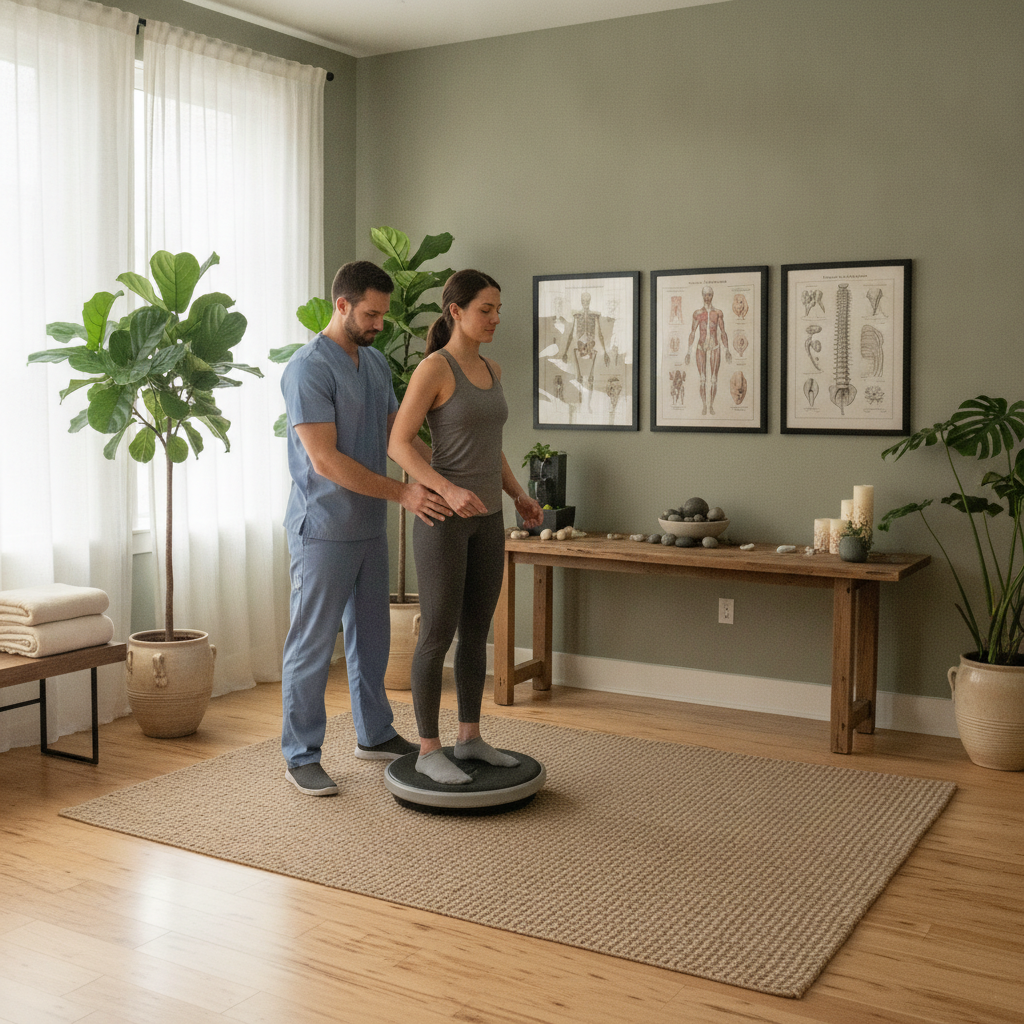
Physical therapy and chiropractic care address musculoskeletal pain through fundamentally different methods. Physical therapy focuses on restoring function through targeted exercises, movement retraining, and progressive strengthening. A physical therapist evaluates how you move, identifies weak or tight areas, and builds a program to address those specific dysfunctions.
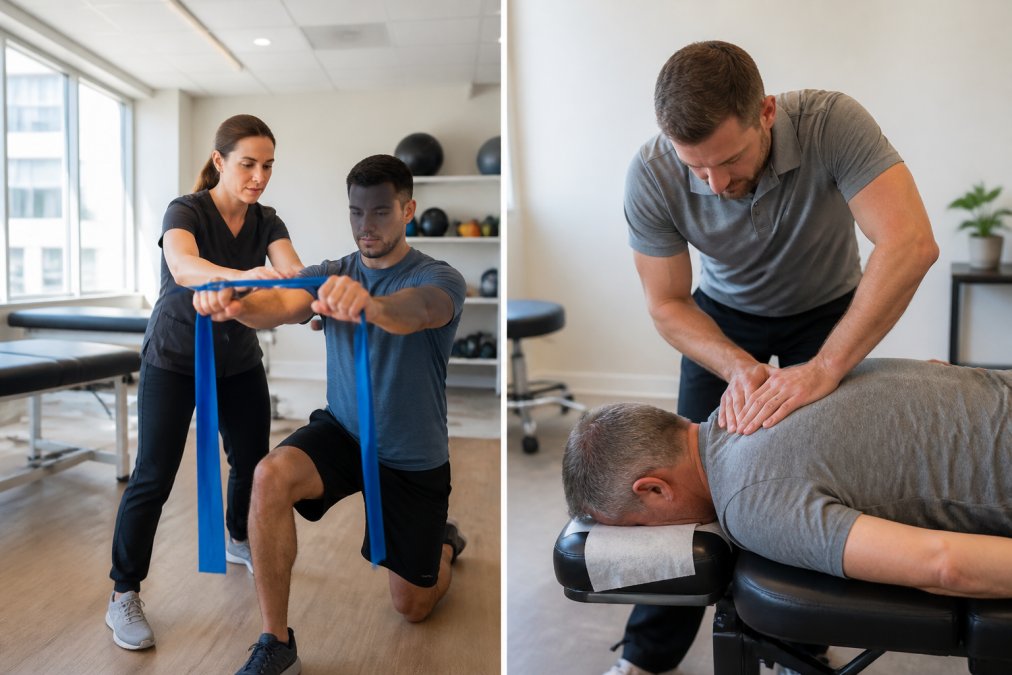
This approach works exceptionally well for athletes recovering from sports injuries, patients rebuilding after surgery, and anyone whose pain stems from movement dysfunction or muscle weakness. The key benefit: you develop lasting improvements because you’re retraining your body to move correctly, not just receiving passive treatment.
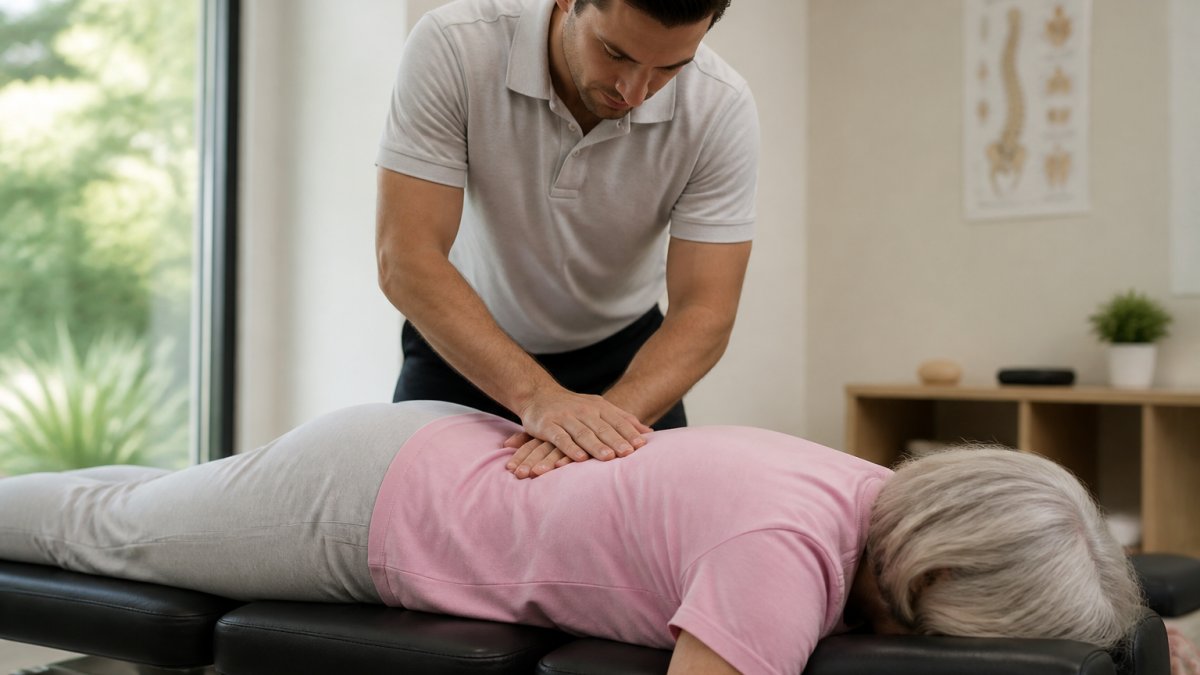
Chiropractic care emphasizes spinal alignment and uses adjustment techniques to restore proper positioning. While adjustments can provide pain relief and improve mobility, they’re typically passive treatments.
The key difference: physical therapy builds your strength and movement capacity; chiropractic adjustment addresses alignment and joint mobility. Many people benefit from both, receiving chiropractic adjustment to restore mobility, then physical therapy to strengthen the muscles that maintain that improved alignment.
Momentum Physical Therapy in San Antonio offers comprehensive physical rehabilitation services including dry needling, a technique that targets trigger points in muscles to release tension and reduce pain. This combines Western neuroanatomy with hands-on therapy, making it effective for headaches, neck pain, sciatica, and sports injuries.
Acupuncture Clinics in San Antonio for Pain Management
Acupuncture represents one of the oldest pain management systems, with thousands of years of clinical application (peer-reviewed research). Modern research increasingly validates its effectiveness for specific conditions, particularly chronic pain that hasn’t responded to conventional treatment.
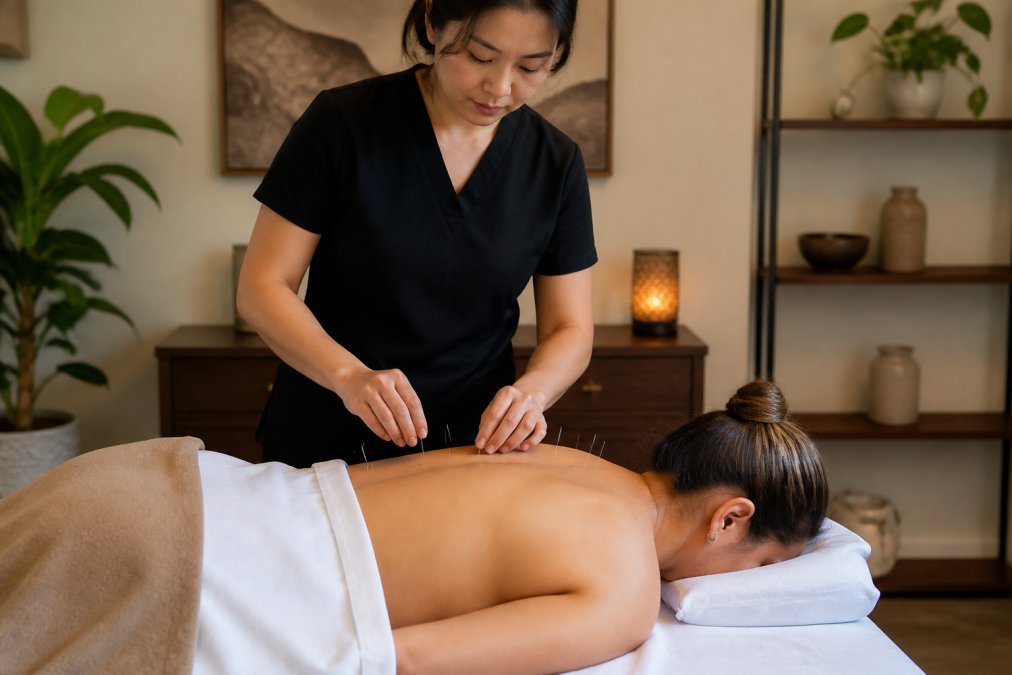
Traditional Chinese medicine views pain as blocked energy flow. Acupuncturists insert thin needles at specific points to restore circulation, reduce inflammation, and signal the nervous system to modulate pain perception.
San Antonio offers multiple acupuncture approaches. Doc Blackstone specializes in needle-free acupuncture using Japanese Toyohari techniques, ideal if you’re anxious about needles. Dr. Han Acupuncture & MedSpa provides traditional needle acupuncture with personalized treatment plans based on thorough assessment. Dr. Bing Han brings over 15 years of clinical experience addressing pain relief, women’s health, fertility, stress management, and digestive wellness (peer-reviewed research).
Acupuncture works particularly well for neuropathy, chronic neck and back pain, headaches, and conditions where inflammation plays a central role. Many patients report pain relief within a few sessions, though lasting results typically require a series of treatments.
Acupuncture requires a licensed, experienced practitioner. Improperly placed needles or poor hygiene practices can cause infection or nerve damage. Verify credentials and ask about sterilization protocols before your first appointment.
Therapeutic Massage and Soft Tissue Therapy
Therapeutic massage addresses pain by releasing muscle tension, improving circulation, and breaking up adhesions in soft tissue. Unlike relaxation massage, therapeutic massage targets specific dysfunction using techniques designed to restore normal muscle function.
Common techniques include myofascial release (sustained pressure on tight connective tissue), trigger point therapy (focused pressure on tender muscle knots), and deep tissue work. A skilled therapist identifies where your muscles are holding tension and systematically releases that tightness.
This approach works well for neck and shoulder pain from desk work, lower back tightness from prolonged sitting, and muscle tension following injury. Many athletes use therapeutic massage to maintain mobility and prevent injury.
MYBFF Med Spa + Social in San Antonio provides rehab-based therapeutic massage informed by physical therapy principles and movement science. Their practitioners focus on identifying dysfunctional movement patterns and releasing restricted soft tissue to improve joint and muscle function.
Therapeutic massage complements other treatments beautifully. You might receive a chiropractic adjustment to restore spinal alignment, then therapeutic massage to release the muscles that were holding that misalignment in place.
Red Light Therapy and Advanced Wellness Technologies
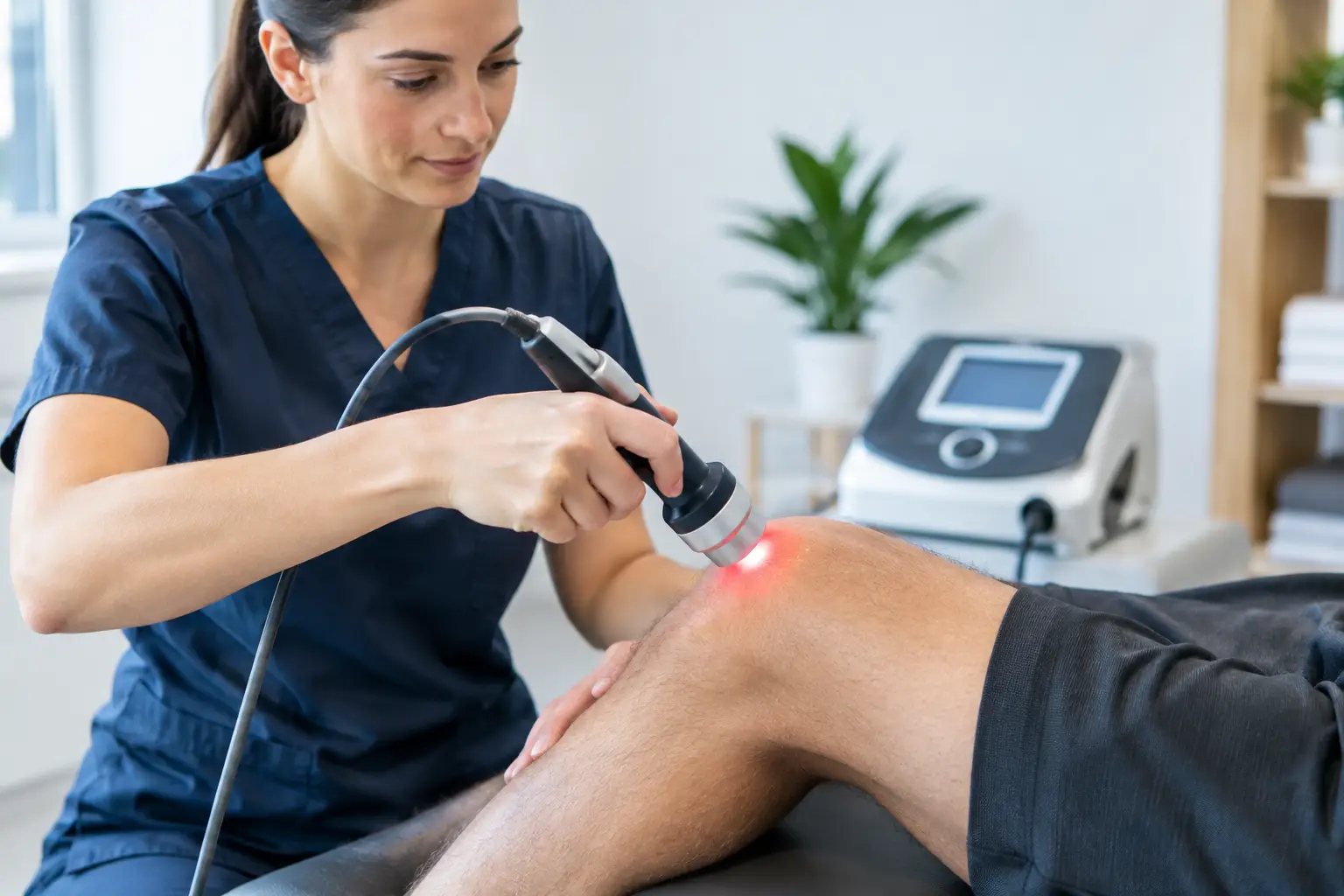
Red light therapy uses specific wavelengths of light to stimulate cellular energy production, reduce inflammation, and support the body’s natural healing processes (the NIH). Light energy activates mitochondria in your cells, increasing ATP production, the energy currency cells use for repair and function.
This therapy addresses pain and inflammation through a completely non-invasive mechanism. You simply lie in a red light therapy bed or stand in front of a light panel for 10-20 minutes. No needles, no manipulation, no exercise required.
Lift & Revive in San Antonio offers full-body red light therapy designed to reduce pain and inflammation in muscles and joints while enhancing circulation and promoting collagen production. TANSATIONS provides red light therapy using the Ovation ULT Red Light Therapy Bed, which delivers a combination of red and infrared wavelengths in a zero-gravity bed experience.
Red light therapy is best used as part of a comprehensive approach rather than a standalone solution. It supports healing and reduces inflammation but doesn’t address structural misalignment or movement dysfunction.
Movement-Based Therapies: Pilates and Yoga
Movement-based therapies build strength, flexibility, and body awareness, factors that directly prevent pain recurrence. Unlike passive treatments, these approaches require your active participation in retraining your body.
Pilates develops core strength with remarkable precision. Using reformer machines or mat work, you perform controlled movements that engage deep stabilizing muscles. This is particularly valuable for back pain, which often stems from weak core muscles that can’t support your spine during daily activities.
COREFIT Pilates & Barre in San Antonio offers reformer-based Pilates classes with over 250 full-body exercises available. The low-impact, high-intensity approach suits people recovering from injury while building genuine strength.
Yoga combines strength, flexibility, and mindfulness. Different styles offer different benefits, gentle yoga focuses on flexibility and stress reduction, while power yoga builds strength and endurance. The mind-body connection yoga cultivates helps you recognize tension patterns and release them before they become chronic pain.
Black Swan Yoga in San Antonio offers donation-based heated yoga classes, making practice accessible regardless of budget. The heated environment enhances flexibility and detoxification while the community-driven approach provides motivation and support.
Movement therapies work best as long-term practices rather than short-term fixes. Most people benefit from combining movement therapy with other treatments during acute recovery, then continuing movement practice for ongoing maintenance.
Start movement therapy slowly if you’re in pain. A good instructor modifies exercises to match your current capacity and progresses you gradually. Pushing too hard too fast can aggravate your condition rather than heal it.
Choosing the Right Chiropractic Alternative for Your Needs
Selecting the best alternative depends on your specific condition, preferences, timeline, and how your body responds to different approaches. Start by clarifying what you’re treating, back pain from muscle tension responds differently than pain from structural misalignment.
Consider your personal preferences too. If you’re anxious about needles, acupuncture might not be your first choice unless you try needle-free techniques. If you prefer active participation in your healing, physical therapy or movement-based therapy aligns better with your style than passive treatments.
Timeline matters as well. Some treatments show results within a few sessions while others require consistent effort over weeks or months. Physical therapy typically requires 6-12 weeks of consistent work. Acupuncture might show improvement within 3-5 sessions but often needs ongoing treatment.
Insurance coverage varies significantly. Check your benefits before committing to treatment, and ask providers about cash-pay options if your insurance won’t cover their services.
The most effective approach often combines multiple therapies. You might receive chiropractic adjustment or osteopathic manipulation to restore mobility, physical therapy to build strength, acupuncture to manage pain during recovery, and therapeutic massage to release muscle tension.
Start with a consultation. A qualified practitioner should assess your condition, explain their treatment approach, discuss realistic timelines, and be honest about whether their method suits your specific situation. If someone promises quick fixes or guarantees results, that’s a red flag, genuine healing takes time and individual variation.
Finding relief from chronic pain requires exploring options that match your body’s needs and your personal preferences. Moore Chiropractic understands that not every patient benefits from the same treatment approach, which is why we emphasize personalized care plans tailored to your specific condition. Whether you choose chiropractic adjustment, physical therapy, acupuncture, or a combination of approaches, the goal remains the same: restoring your mobility, reducing pain, and building lasting health. Contact Moore Chiropractic for a complimentary evaluation and consultation to discuss which treatment approach aligns best with your recovery goals and lifestyle.
Frequently Asked Questions
What are the most effective chiropractic alternatives for chronic back pain?
Several alternatives address chronic back pain effectively. Physical therapy focuses on corrective exercises and movement patterns to build strength and stability. Osteopathic manipulative therapy uses hands-on techniques similar to chiropractic adjustments but emphasizes the body's natural healing systems. Dry needling targets trigger points in muscles, while therapeutic massage releases tension and improves soft tissue function. The best choice depends on your specific condition, pain source, and whether you prefer hands-on treatment, exercise-based therapy, or needle-based techniques. A consultation with a healthcare provider can help identify which approach suits your situation.
Is physical therapy a better alternative to chiropractic care in San Antonio?
Physical therapy and chiropractic care serve different but sometimes overlapping purposes. Physical therapy emphasizes corrective exercises, movement patterns, and functional rehabilitation to address underlying weakness or dysfunction. Chiropractic care focuses on spinal alignment and joint mobility. Physical therapy may be preferable if your pain stems from muscle weakness, poor posture, or movement dysfunction. Chiropractic care may suit those seeking joint mobility restoration. Many people benefit from combining both approaches. The choice depends on your diagnosis, the root cause of your pain, and your treatment preferences. Consulting with a qualified professional helps determine the best fit for your needs.
What should I expect during my first visit to a chiropractic alternative provider?
Initial visits typically begin with a comprehensive assessment of your medical history, current symptoms, and health goals. The provider will perform a physical examination relevant to their specialty, this might include range-of-motion tests, muscle strength evaluation, or postural analysis. Some providers use imaging or diagnostic tests. They'll explain their findings and discuss a personalized treatment plan that outlines the type of treatment, expected frequency of visits, and anticipated timeline for improvement. Most reputable providers are transparent about what to expect and will answer questions about their approach. Many offer free or low-cost initial consultations to help you decide if their services match your needs.
How do I choose between acupuncture clinics in San Antonio for pain relief?
When evaluating acupuncture clinics, verify that practitioners hold proper licensure and credentials (L.Ac or DAOM certification in most states). Ask about their experience treating your specific condition, whether that's neck pain, back pain, neuropathy, or sports injuries. Inquire about their treatment philosophy: some use traditional Chinese medicine diagnosis exclusively, while others integrate Western anatomy knowledge. Consider whether they offer needle or needle-free techniques based on your comfort level. Ask about treatment frequency and estimated duration before results appear. Many clinics offer initial consultations to discuss your condition and their approach. Reading patient reviews and asking for referrals from your primary care provider can also guide your decision.
Can chiropractic alternatives help with sports injuries and work-related pain?
Yes, several alternatives effectively address sports injuries and work-related musculoskeletal pain. Dry needling, therapeutic massage, and physical therapy all target the muscle and soft tissue damage common in sports injuries. Physical therapy excels at restoring function and preventing re-injury through corrective exercises. Acupuncture supports pain relief and circulation to aid healing. Red light therapy reduces inflammation and supports muscle recovery. For desk-related neck and shoulder pain, physical therapy and corrective exercises often address the underlying posture and movement dysfunction. The ideal approach depends on injury type, severity, and your recovery timeline. A sports medicine professional or physical therapist can recommend the most appropriate treatment for your specific injury.
This article was written using GrandRanker