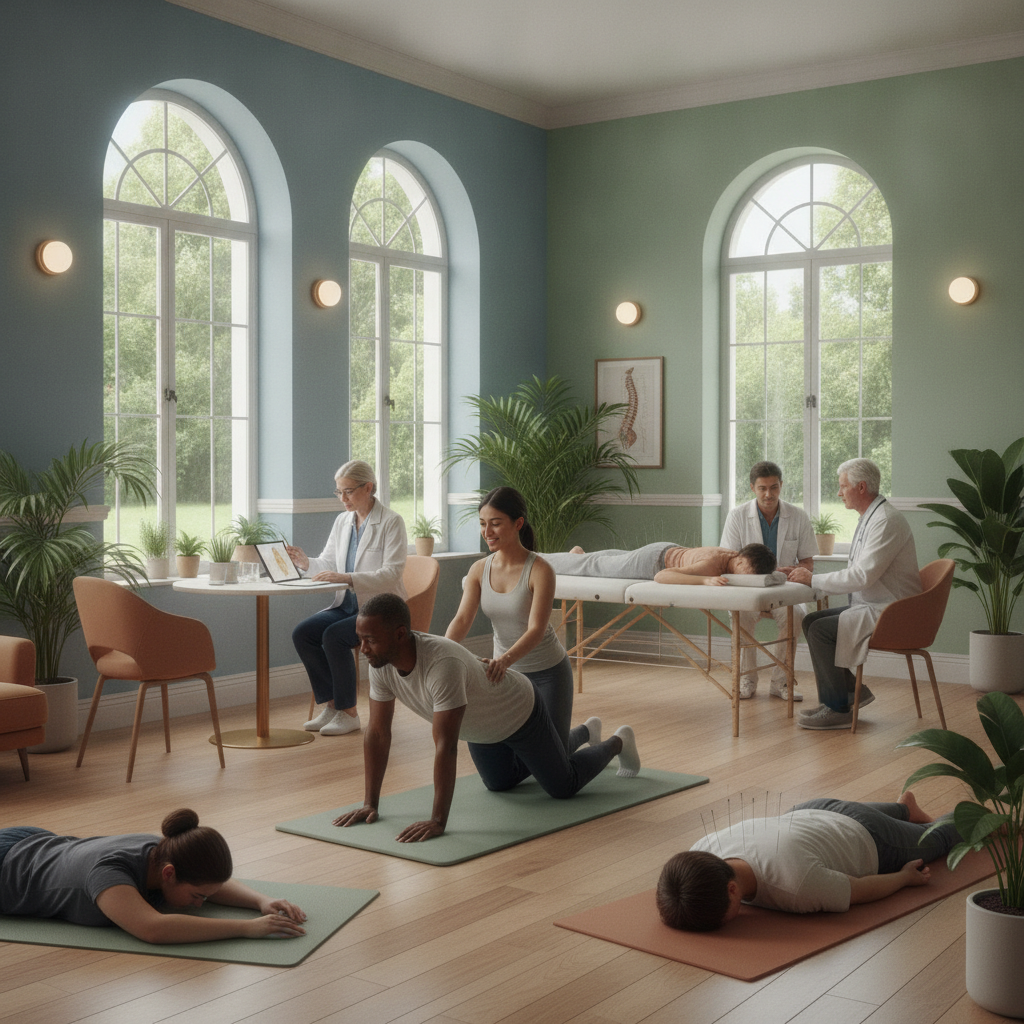
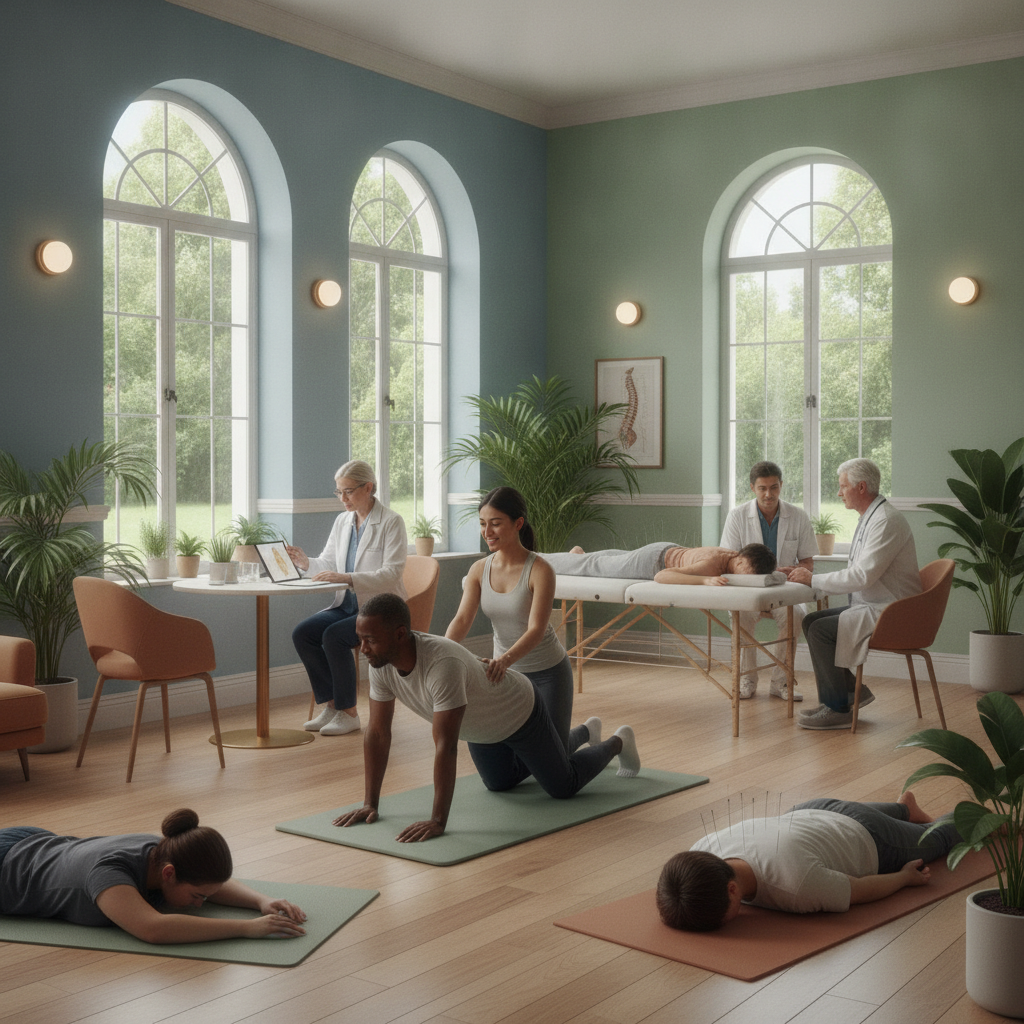
Chronic lower back pain is a challenge faced by countless people, from small business owners hustling through long days to developers spending hours at their desks. If you’ve been searching for back pain treatment San Antonio TX residents trust, you’re not alone. This persistent discomfort can disrupt work, hobbies, and even simple daily routines. The good news is that modern approaches to chronic lower back pain offer a wide range of solutions, from hands-on therapies to innovative, non-invasive treatments. In this guide, we’ll explore the many paths available for relief, helping you understand your options and empowering you to make informed decisions about your health. Whether you’re seeking to get back to business, return to your favorite activities, or simply move through life with less pain, there’s a treatment approach that can help you reclaim your comfort and mobility.
Understanding Chronic Lower Back Pain
Chronic lower back pain is defined as pain that persists for more than three months, often fluctuating in intensity and sometimes radiating to other areas such as the hips or legs. Unlike acute pain, which typically resolves after an injury heals, chronic pain can linger, creating both physical and emotional challenges. The causes are varied: muscle strains, herniated discs, spinal stenosis, degenerative disc disease, and even stress or poor posture can all play a role. For many in the region, the pain can be triggered or worsened by long hours at work, repetitive movements, or insufficient ergonomic support.
One of the complexities of chronic lower back pain is that it often involves more than just one structure in the back. Muscles, ligaments, nerves, and joints can all contribute to discomfort. This multifaceted nature means that effective treatment often requires a comprehensive approach, addressing not just the symptoms but the underlying causes. For some, the pain is constant; for others, it comes and goes, sometimes flaring up after certain activities or periods of inactivity.
The emotional impact of chronic pain should not be underestimated. Persistent discomfort can lead to frustration, anxiety, and even depression. Recognizing that you are not alone in this experience is the first step toward finding relief. Many individuals in this community have found hope and healing through a combination of therapies tailored to their unique needs. Clinics like Moore Chiropractic have become trusted resources for those seeking personalized care and lasting results.
Common Causes and Risk Factors
To effectively address chronic lower back pain, it’s essential to understand its root causes. For many adults, especially those balancing demanding careers and family life, the pain can stem from a combination of lifestyle factors and physical stressors. Prolonged sitting, improper lifting techniques, lack of regular exercise, and poor posture are among the most common contributors. Occupations that require repetitive bending, twisting, or heavy lifting can place significant strain on the lower back, increasing the risk of injury and chronic discomfort.
Age is another important factor. As we get older, the structures in our spine naturally undergo wear and tear, making conditions like osteoarthritis and degenerative disc disease more likely. Genetics can also play a role, with some individuals being more predisposed to back problems than others. Additionally, lifestyle choices such as smoking, inadequate nutrition, and insufficient physical activity can exacerbate existing issues or slow the healing process.
It’s also worth noting that chronic lower back pain can sometimes be linked to underlying health conditions, such as inflammatory diseases or even kidney problems. That’s why a thorough evaluation by a qualified healthcare provider is crucial before starting any treatment plan. For those who are pregnant or planning to become pregnant, unique factors come into play as well, as discussed in resources like How San Antonio Chiropractors Support Pregnancy Wellness and Pelvic Comfort. Understanding these risk factors helps guide both prevention and treatment strategies.
Exploring Non-Surgical Treatment Options
For many people dealing with chronic lower back pain, non-surgical treatments are the first line of defense. These approaches aim to relieve pain, restore function, and prevent future flare-ups without the risks and downtime associated with surgery. Physical therapy is often recommended, focusing on strengthening the core muscles, improving flexibility, and correcting posture. A skilled physical therapist can design a customized program that addresses your specific needs and goals.
Chiropractic care is another popular option, offering spinal adjustments and manual therapies that can help realign the spine, reduce nerve irritation, and promote natural healing. Many residents have found significant relief through regular chiropractic visits, especially when combined with other therapies. Massage therapy, acupuncture, and yoga are also gaining traction as complementary treatments, providing relaxation, improved circulation, and pain reduction.
In some cases, medications such as nonsteroidal anti-inflammatory drugs (NSAIDs), muscle relaxants, or topical pain relievers may be used to manage symptoms. However, these are generally considered short-term solutions, best used in conjunction with other therapies. For those seeking guidance on choosing the right provider, resources like Top-Rated Chiropractor San Antonio TX: How to Choose the Right Clinic can offer valuable insights. Ultimately, the best results often come from a holistic approach that combines multiple non-surgical treatments tailored to your unique situation.
When Is Surgery Considered?
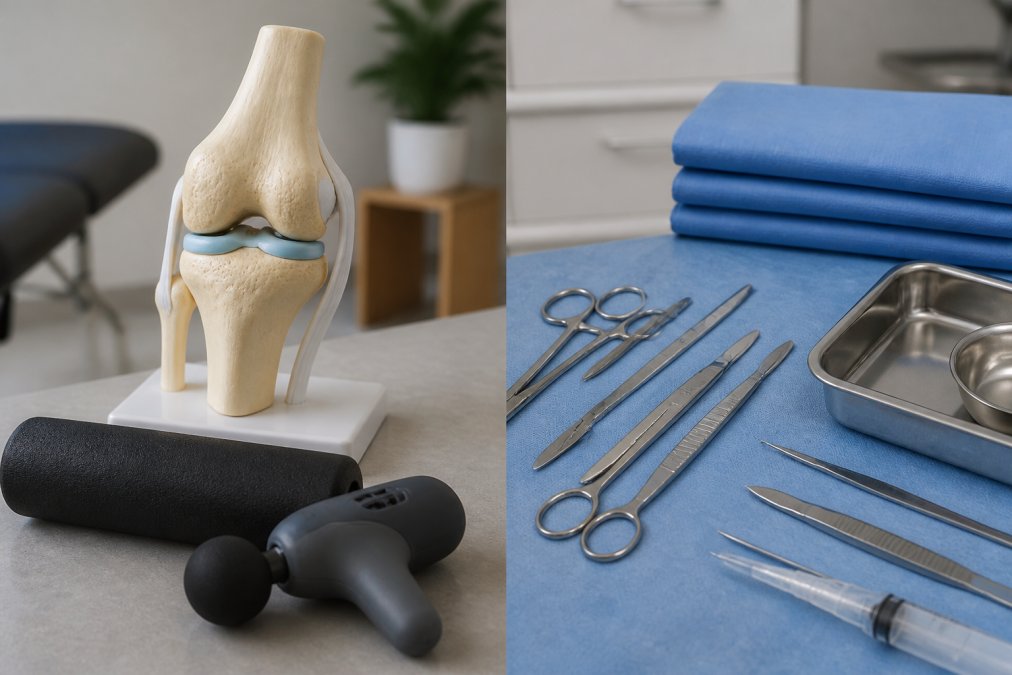
While most cases of chronic lower back pain can be managed with non-surgical treatments, there are situations where surgery may become necessary. Surgical intervention is typically reserved for cases where conservative therapies have failed to provide relief, or when there is evidence of nerve compression, spinal instability, or structural abnormalities that threaten long-term function. Common surgical procedures for lower back pain include discectomy (removal of herniated disc material), laminectomy (removal of part of the vertebra to relieve pressure), and spinal fusion (joining two or more vertebrae together).
The decision to undergo surgery is never taken lightly. It involves careful evaluation, diagnostic imaging, and a thorough discussion of the risks and benefits. Recovery from back surgery can be significant, often requiring physical therapy and lifestyle modifications to ensure the best possible outcome. For many, surgery is seen as a last resort, pursued only after all other avenues have been explored. It’s important to have open communication with your healthcare team and to seek a second opinion if you’re unsure about your options.
Fortunately, advances in minimally invasive surgical techniques have improved outcomes and reduced recovery times for some patients. However, surgery is not a guaranteed cure and may not be appropriate for everyone. Understanding the full spectrum of treatment options, and working closely with your providers, can help you make the best decision for your health and lifestyle.
The Role of Chiropractic Care in Pain Relief
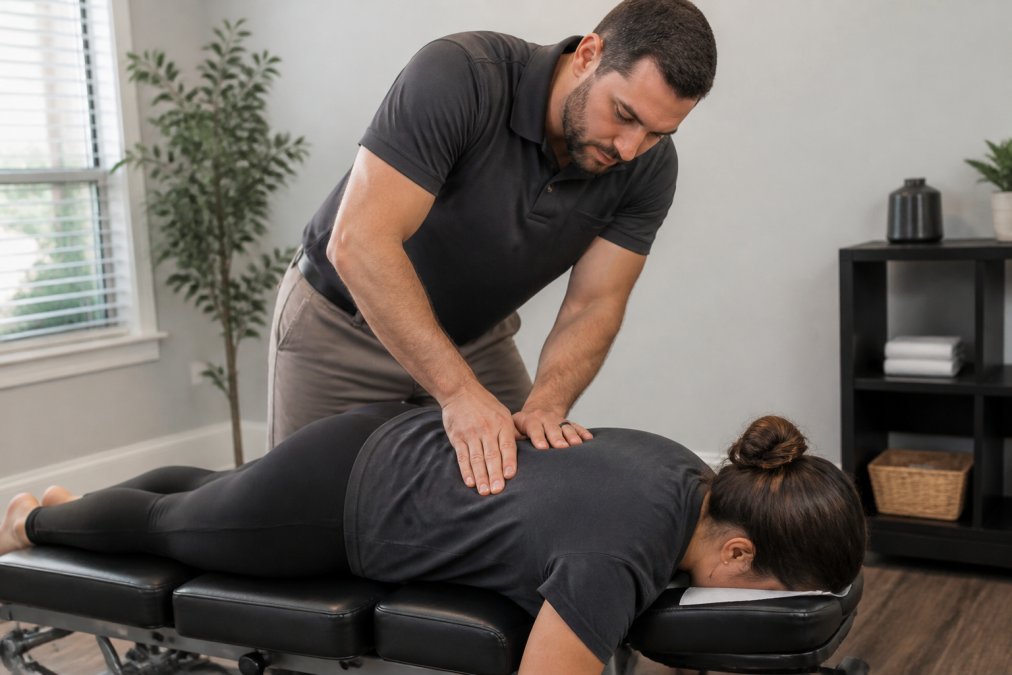
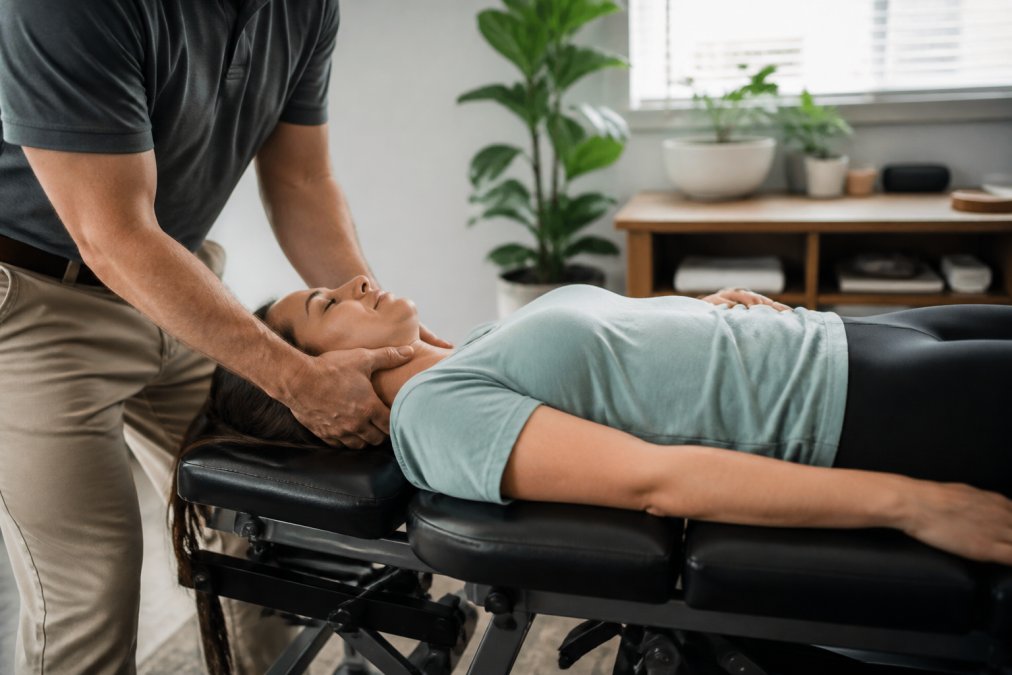
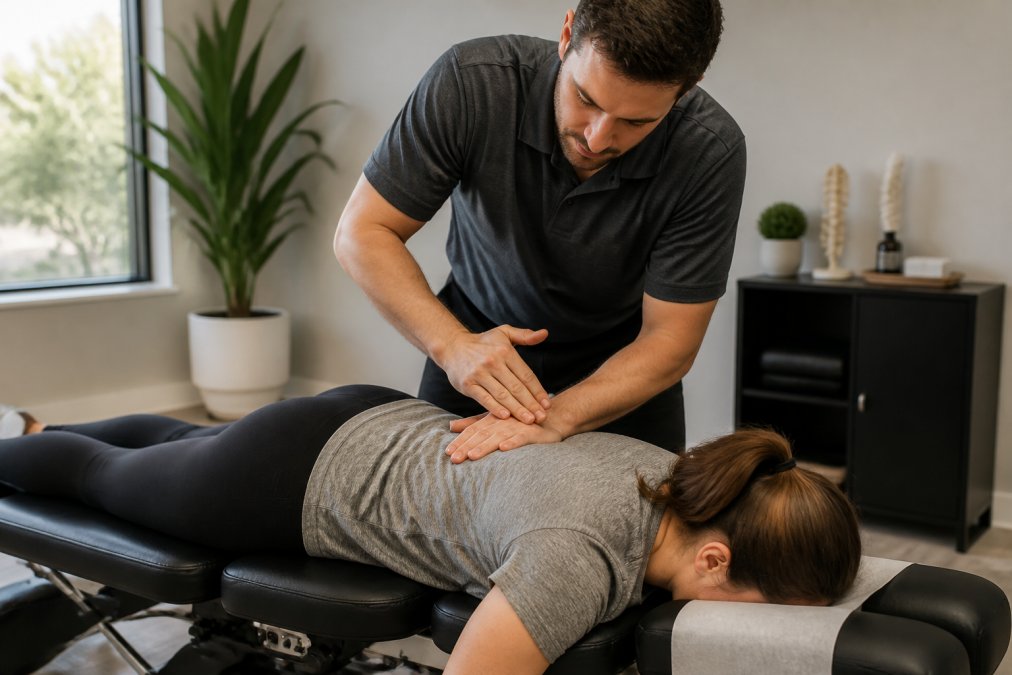
Chiropractic care has emerged as a cornerstone in the management of chronic lower back pain, offering a non-invasive and drug-free approach to relief. Chiropractors use a variety of manual techniques, including spinal adjustments, mobilization, and soft tissue therapies, to address misalignments and restore proper function to the musculoskeletal system. These adjustments can help reduce pressure on nerves, improve mobility, and decrease inflammation, leading to significant pain reduction for many patients.
In addition to hands-on therapies, chiropractors often provide guidance on posture, ergonomics, and exercises that support spinal health. This holistic approach is particularly valuable for those whose pain is linked to work habits or lifestyle factors. By addressing the root causes of discomfort, chiropractic care aims not only to relieve symptoms but also to prevent future episodes of pain.
Many individuals in the area have found that regular chiropractic visits, combined with other therapies such as physical therapy or massage, offer a sustainable path to improved well-being. The collaborative nature of chiropractic care means that treatment plans are often tailored to each person’s unique needs, ensuring the best possible outcomes. If you’re considering chiropractic as part of your back pain treatment plan, look for a provider who takes the time to understand your goals and works with you to achieve lasting relief.
Physical Therapy and Rehabilitation Strategies
Physical therapy is a foundational element in the recovery process for chronic lower back pain. A well-designed physical therapy program focuses on strengthening the muscles that support the spine, increasing flexibility, and improving overall movement patterns. Therapists use a combination of targeted exercises, manual therapy, and education to help patients regain function and reduce pain.
Core strengthening is particularly important, as strong abdominal and back muscles provide critical support to the lower spine. Flexibility exercises for the hips, hamstrings, and lower back can also alleviate tension and improve range of motion. Manual therapy techniques, such as joint mobilization and soft tissue massage, may be used to address specific areas of tightness or dysfunction.
Education is a key component of physical therapy. Patients learn proper body mechanics, safe lifting techniques, and ergonomic adjustments that can help prevent future injuries. For small business owners and developers who spend long hours at a desk, simple changes to workstation setup and daily routines can make a significant difference. By committing to a structured rehabilitation program, many people find they can return to their normal activities with less pain and greater confidence.
Lifestyle Adjustments for Lasting Relief
Lasting relief from chronic lower back pain often requires more than just medical treatment. Lifestyle adjustments can play a pivotal role in both managing symptoms and preventing future flare-ups. Regular physical activity, such as walking, swimming, or low-impact aerobics, helps keep the back muscles strong and flexible. Incorporating stretching and strengthening exercises into your daily routine can further support spinal health.
Ergonomics is another critical factor, especially for those who work at a desk or perform repetitive tasks. Investing in an ergonomic chair, adjusting your workstation, and taking frequent breaks to move and stretch can reduce strain on the lower back. Proper lifting techniques, such as bending at the knees and keeping objects close to your body, are essential for avoiding injury.
Nutrition and hydration also contribute to overall musculoskeletal health. Maintaining a healthy weight reduces stress on the spine, while staying hydrated supports the discs and joints. For some, stress management techniques like mindfulness, meditation, or counseling can help address the emotional aspects of chronic pain. By making these adjustments, you can create an environment that supports healing and reduces the risk of recurring pain.
Innovative Therapies and Emerging Treatments
The field of back pain management is constantly evolving, with new therapies and technologies emerging to offer hope for those with chronic discomfort. Regenerative medicine, including platelet-rich plasma (PRP) injections and stem cell therapies, is being studied for its potential to promote tissue healing and reduce inflammation. While these treatments are still considered experimental in many cases, early results are promising for certain types of back pain.
Other innovative approaches include spinal decompression therapy, which uses gentle traction to relieve pressure on spinal discs, and radiofrequency ablation, a minimally invasive procedure that targets nerve pain. Wearable technology, such as posture-correcting devices and smart braces, can help individuals maintain proper alignment throughout the day.
It’s important to consult with a knowledgeable provider before pursuing emerging treatments, as not all options are appropriate for every individual. Many clinics in this city are at the forefront of integrating new therapies with traditional care, offering personalized plans that reflect the latest advancements in pain management. Staying informed about these developments can help you make proactive choices about your health and well-being.
Integrating Mind-Body Approaches
Chronic lower back pain is not just a physical issue; it often affects mental and emotional well-being as well. Mind-body approaches, such as mindfulness meditation, cognitive-behavioral therapy (CBT), and relaxation techniques, can be powerful tools in managing pain and improving quality of life. These strategies help individuals develop coping skills, reduce stress, and break the cycle of pain and tension.
Mindfulness practices encourage you to observe your thoughts and sensations without judgment, fostering a sense of calm and acceptance. CBT can help reframe negative thought patterns and develop healthier responses to pain. Guided imagery, deep breathing exercises, and progressive muscle relaxation are additional techniques that can promote relaxation and reduce the perception of pain.
Integrating mind-body therapies with physical treatments creates a comprehensive approach to pain management. Many people find that combining these strategies leads to better outcomes, including reduced pain, improved mood, and greater resilience. If you’re struggling with the emotional impact of chronic pain, consider reaching out to a mental health professional or exploring local resources that specialize in mind-body wellness.
Comparing Treatment Options: A Quick Reference Table
| Treatment | Benefits | Considerations |
|---|---|---|
| Physical Therapy | Strengthens muscles, improves mobility, teaches prevention | Requires commitment to exercises and regular visits |
| Chiropractic Care | Non-invasive, addresses misalignments, reduces nerve irritation | May require ongoing sessions for maintenance |
| Medication | Quick symptom relief, easy access | Potential side effects, not a long-term solution |
| Surgery | Addresses structural issues, can provide lasting relief | Invasive, requires recovery time, not always necessary |
| Alternative Therapies | Complementary, can reduce pain and stress | Effectiveness varies, may not be covered by insurance |
This table provides a quick overview of the most common treatment options for chronic lower back pain, highlighting their benefits and important considerations. Discussing these options with your healthcare provider can help you choose the best path for your individual needs.
Choosing the Right Treatment Path in San Antonio
With so many options available for chronic lower back pain, selecting the right treatment path can feel overwhelming. In San Antonio, residents have access to a diverse range of healthcare providers, from physical therapists and chiropractors to pain specialists and surgeons. The key is to find a provider who listens to your concerns, conducts a thorough evaluation, and works with you to develop a personalized plan.
Consider factors such as the provider’s experience, approach to care, and willingness to collaborate with other professionals. Many clinics in the area offer integrative services, combining traditional and alternative therapies for comprehensive support. Don’t hesitate to ask questions about treatment options, expected outcomes, and potential risks. Your active participation in the decision-making process is essential for achieving the best results.
Remember that chronic lower back pain is a complex condition, and what works for one person may not work for another. Patience and persistence are important as you explore different therapies and make adjustments along the way. By staying informed and proactive, you can find the path that leads to lasting relief and improved quality of life in this vibrant city.
The Bottom Line
Chronic lower back pain can be a persistent and frustrating challenge, but it doesn’t have to define your life. With a wide array of treatment options available, from non-surgical therapies and chiropractic care to innovative new approaches, there is hope for lasting relief. The key is to work closely with experienced providers, stay informed about your choices, and make lifestyle adjustments that support your long-term well-being.
Whether you’re a business owner, developer, or simply someone seeking to enjoy life without constant discomfort, remember that you have options. Take the first step by reaching out to a trusted healthcare professional, discussing your goals, and exploring the treatment paths that are right for you. With the right support and a proactive mindset, you can move forward with confidence and reclaim your comfort, mobility, and quality of life.