Table of Contents
- What Is the Most Common Treatment for Chronic Pain?
- Non-Opioid Therapies for Chronic Pain: The First Line of Defense
- Physical Therapy and Therapeutic Exercise
- Chiropractic Care for Chronic Pain: What the Evidence Shows
- Chronic Pain Management Programs and Multidisciplinary Care
- Lifestyle Changes That Reduce Chronic Pain Symptoms
- Navigating Insurance, Cost, and Mental Health Support in San Antonio
- Frequently Asked Questions
Last Updated: October 1, 2026
What Is the Most Common Treatment for Chronic Pain?
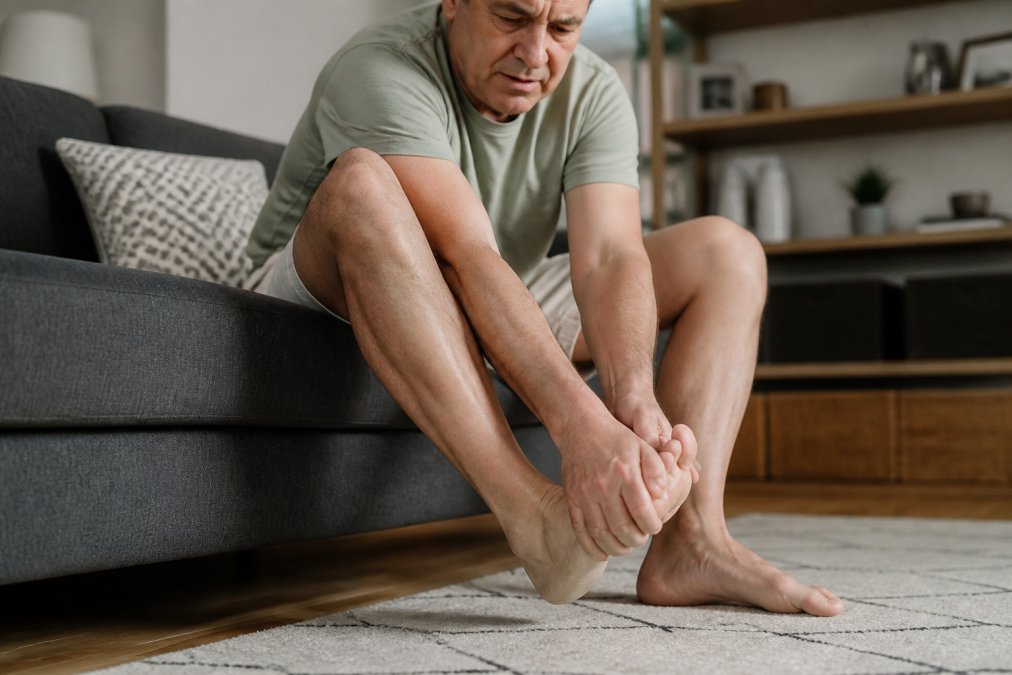
[Chronic pain](/chronic-pain-management-programs-guide/) treatment in the United States rarely starts with a single pill or procedure, and the same holds true for most chronic pain treatment plans. It starts with a plan. For most patients, the most common approach combines non-opioid medication, physical therapy, and lifestyle changes, with chiropractic care and multidisciplinary programs added when pain persists.
Chronic pain is pain that lasts longer than three months, or beyond the expected healing time for an injury (the CDC). It differs from acute pain in both duration and mechanism. Acute pain is a warning signal from damaged tissue. Chronic pain often continues after tissue heals because the nervous system itself has become sensitized, a process called pain modulation gone awry.
How Chronic Pain Differs From Acute Pain
Acute pain is short-lived and protective. You sprain an ankle, it hurts, it heals, the pain stops. Chronic pain behaves differently.
Non-Opioid Therapies for Chronic Pain: The First Line of Defense
Non-opioid therapies are the first line of defense for most chronic pain, and clinical guidelines from major medical bodies consistently recommend them before opioids. This is a meaningful shift from two decades ago, when opioid-sparing strategies were an afterthought.
Medications That Do Not Involve Opioids
Several medication classes form the backbone of non-pharmacological and pharmacological care:
- Acetaminophen for mild musculoskeletal pain, though it does little for neuropathic pain
- NSAIDs such as ibuprofen and naproxen for inflammatory and musculoskeletal pain
- Tricyclic antidepressants like amitriptyline, prescribed at low doses for nerve pain
- Topical agents including lidocaine patches for localized pain
- Nerve blocks for targeted, temporary relief in specific pain patterns
CDC clinical practice guideline for prescribing opioids for pain
Physical Therapy and Therapeutic Exercise
Physical therapy is one of the most consistently supported treatments for chronic musculoskeletal pain, and it works through gradual, structured loading rather than passive relief. A therapist builds a therapeutic exercise program around your specific deficits: weak stabilizers, poor posture, limited range of motion.
Ask your physical therapist for a home program you can do in under 15 minutes. Adherence beats intensity. A short routine you actually complete five days a week outperforms a long one you skip.
Chiropractic Care for Chronic Pain: What the Evidence Shows
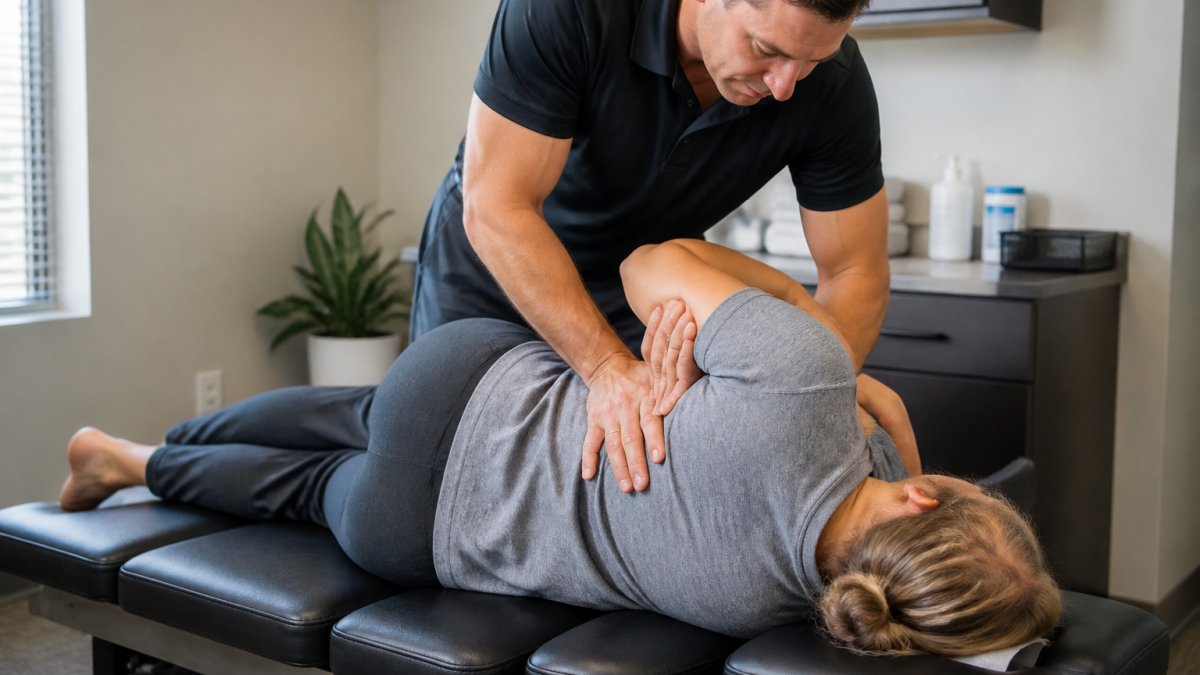
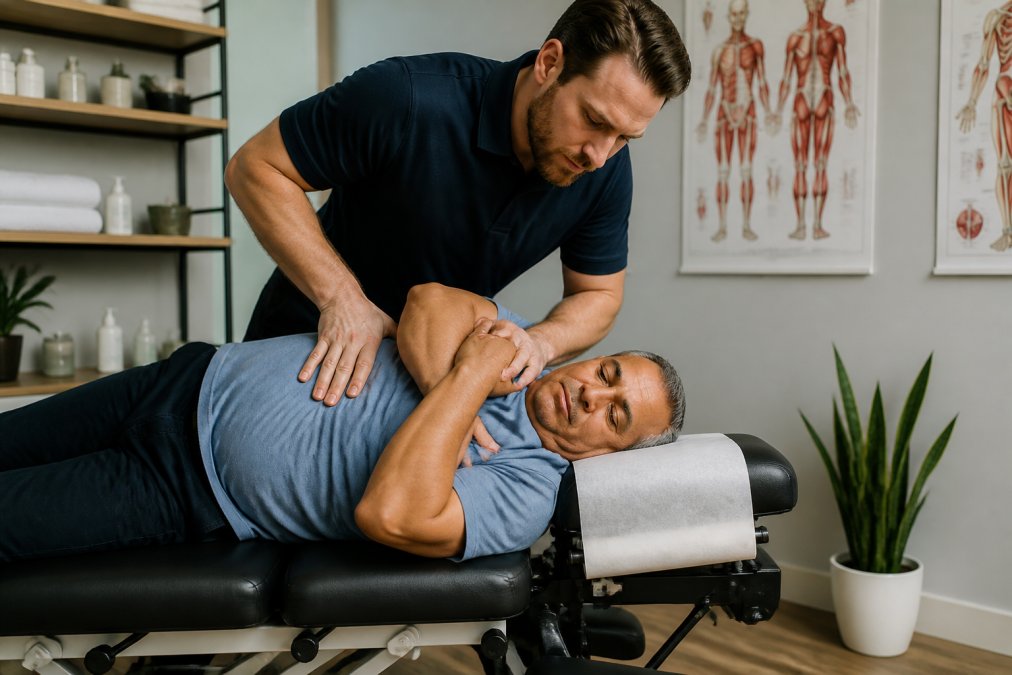
Chiropractic care for chronic pain focuses on spinal alignment, joint mobility, and soft tissue function. Evidence supports spinal manipulation for low back pain and neck pain, particularly when combined with exercise rather than used alone.
Chronic Pain Management Programs and Multidisciplinary Care
Chronic pain management programs combine multiple disciplines, medicine, physical therapy, psychology, and sometimes chiropractic, into one coordinated plan. This multidisciplinary approach consistently outperforms single-provider care for complex, long-standing pain, and it is the model most major academic pain centers in the United States use for patients who have not improved with one or two individual treatments.
What a Real Program Looks Like
A typical multidisciplinary program runs six to twelve weeks with structured checkpoints. Most include:
- Medical review and medication management, a physician or nurse practitioner reconciles prescriptions, screens for opioid risk, and adjusts non-opioid medications
- Physical therapy and graded exercise, progressive loading built around your specific deficits, not a generic handout
- Cognitive behavioral therapy (CBT), structured sessions that target catastrophizing, fear-avoidance, and the attention patterns that amplify pain perception
- Pain science education, teaching you how the nervous system produces pain, which reduces fear and improves adherence
- Occupational or vocational support, ergonomic changes and return-to-work planning when pain affects your job
- Coordinated goal-setting, measured in function (stairs climbed, hours slept, days worked) rather than a zero on the pain scale
What to Realistically Expect
Most patients do not leave a program pain-free. The measurable wins are usually functional: sleeping through the night, driving without bracing, returning to light exercise, reducing medication. A common pattern reported by pain psychologists is that pain intensity drops modestly while function improves substantially, and function is what predicts long-term quality of life.
Ask any program you consider three questions before enrolling: Who leads the team? How is progress measured? What happens after the program ends? Programs that cannot answer all three are usually single-provider clinics wearing a multidisciplinary label.
Where Chiropractic Fits
Chiropractic care is not part of every hospital-based pain program, but it fits naturally into a multidisciplinary plan when the pain has a mechanical driver, restricted joint mobility, postural strain, or soft tissue dysfunction. The key is coordination. A chiropractor who communicates with your physical therapist and primary care provider can reinforce the same goals rather than working at cross-purposes.
Lifestyle Changes That Reduce Chronic Pain Symptoms
Lifestyle modification is not a soft recommendation. Sleep, movement, weight, and stress directly influence how the nervous system processes pain signals.
- Weight management reduces load on joints and the spine, easing musculoskeletal pain
- Posture correction at a desk or in a car lowers daily strain on the neck and back
- Stress reduction through breathing, meditation, or therapy calms the sensitized nervous system
- Sleep hygiene matters because poor sleep amplifies pain perception
- Gentle daily movement, even a short walk, prevents the deconditioning that worsens pain
Stopping all activity because it hurts is one of the most common mistakes in chronic pain. Prolonged rest weakens muscles and joints, which makes pain worse over time. Modify activity, do not eliminate it, and clear any changes with your clinician.
Navigating Insurance, Cost, and Mental Health Support in San Antonio
Most chronic pain articles stop at the clinical advice. The two things that actually determine whether a San Antonio resident sticks with treatment are cost and mental health, and almost no ranking article addresses either in detail. This section does.
Insurance and Cost: A Practical Walkthrough
Coverage for chronic pain care in Texas varies widely by plan, and the differences matter more than most patients expect. Before you book anything, call the member services number on the back of your insurance card and ask these five questions:
- Is this specific provider in network? Chiropractors, physical therapists, and behavioral health providers are often on separate networks within the same plan.
- How many visits per year are covered for chiropractic, physical therapy, and mental health separately? Caps are common and often lower than patients assume.
- What is my copay versus coinsurance for each service type? A $30 copay and 30% coinsurance are very different numbers on a $200 visit.
- Is a referral or prior authorization required? Many Texas plans require a primary care referral before physical therapy or behavioral health is covered.
- Does my deductible apply to these services, and how much of it have I already met this year?
If You Do Not Have Coverage
San Antonio has options that do not require insurance:
- Federally Qualified Health Centers (FQHCs) in the area offer sliding-scale fees based on income and household size. Call ahead to confirm they offer pain management or physical therapy on site.
- Community health clinics and nonprofit programs sometimes provide free or low-cost behavioral health counseling separate from medical care.
- University-affiliated clinics occasionally offer reduced-rate services through supervised training programs.
- Cash-pay arrangements at chiropractic and physical therapy offices are often significantly lower than the billed insurance rate. Ask directly, many practices do not advertise this.
Mental Health Integration: Why CBT Belongs in Your Pain Plan
- Catastrophizing, the habit of jumping to worst-case interpretations of every flare
- Fear-avoidance, the pattern of avoiding movement because you expect it to hurt, which accelerates deconditioning
- Attention bias, the tendency for a sensitized nervous system to scan for pain constantly
- Pacing, learning to spread activity evenly instead of pushing through good days and crashing on bad ones
If cost is the barrier to CBT, ask about group-based pain psychology programs. They are often a fraction of the price of individual sessions and produce comparable outcomes for many patients.
If you are searching for a chiropractor near me in San Antonio, look for a provider who will coordinate with your physical therapist, your behavioral health clinician, and your insurer.
Frequently Asked Questions
What is the most common first-line treatment for chronic pain?
The most common first-line approach combines non-opioid therapies for chronic pain with active interventions. This typically includes physical therapy, NSAIDs or acetaminophen, and therapeutic exercise. Clinical guidelines from the CDC recommend these options before considering opioids. For musculoskeletal pain, many patients also add chiropractic care. A 2020 study in the Journal of Pain found that multidisciplinary care, which may include physical therapy and manual therapy, helped reduce pain intensity by 30% or more in participants over 12 weeks.
Are non-pharmacological treatments effective for chronic pain management?
Yes. Non-pharmacological interventions like physical therapy, cognitive behavioral therapy, and chiropractic care are backed by evidence for conditions such as low back pain, neck pain, and osteoarthritis. A 2018 review in The Lancet found that exercise therapy reduced pain by an average of 20-30% in people with chronic musculoskeletal pain. These treatments also carry fewer side effects than long-term medication. For many patients, combining two or more approaches works better than any single method.
How does chiropractic care fit into a chronic pain management plan?
Chiropractic care for chronic pain focuses on restoring joint mobility and reducing nerve irritation through gentle adjustments and soft tissue work. It fits best as part of a broader plan that includes therapeutic exercise, posture correction, and lifestyle changes. A 2017 study in JAMA Network Open found that patients who saw a chiropractor for low back pain were less likely to use opioids. In San Antonio, many chiropractors work alongside physical therapists and pain specialists to coordinate care.
When should you see a specialist for chronic pain in San Antonio?
See a specialist if pain lasts more than 12 weeks, limits daily activities, or does not improve with rest and over-the-counter medication. In San Antonio, you can start with a chiropractor or physical therapist for musculoskeletal pain. If you have nerve pain, numbness, or weakness, a neurologist or pain medicine physician may be needed. Ask your primary care doctor for a referral.
Chronic pain rarely resolves with a single visit or prescription, and the search for relief can feel endless. Moore Chiropractic offers personalized, gentle chiropractic care in San Antonio, with a complimentary evaluation and consultation for new patients, personalized care plans built around your goals, and expertise in both traditional and advanced chiropractic methods. If you are ready to move better and hurt less, contact Moore Chiropractic and take the first step toward long-term relief.