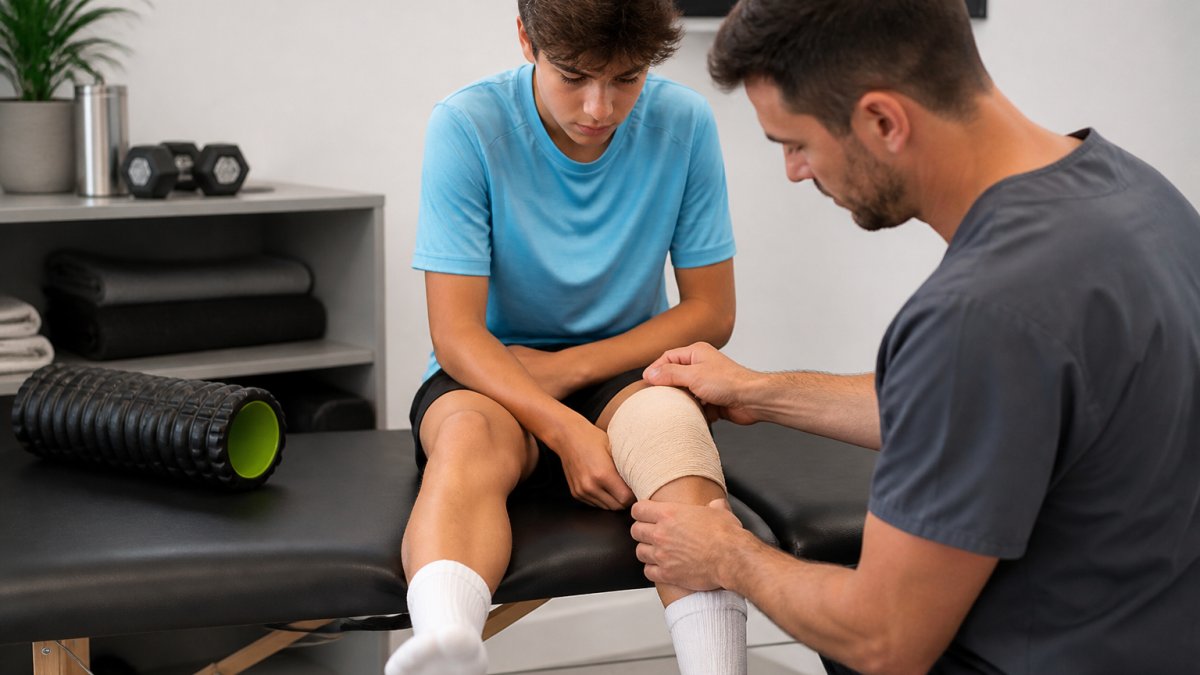
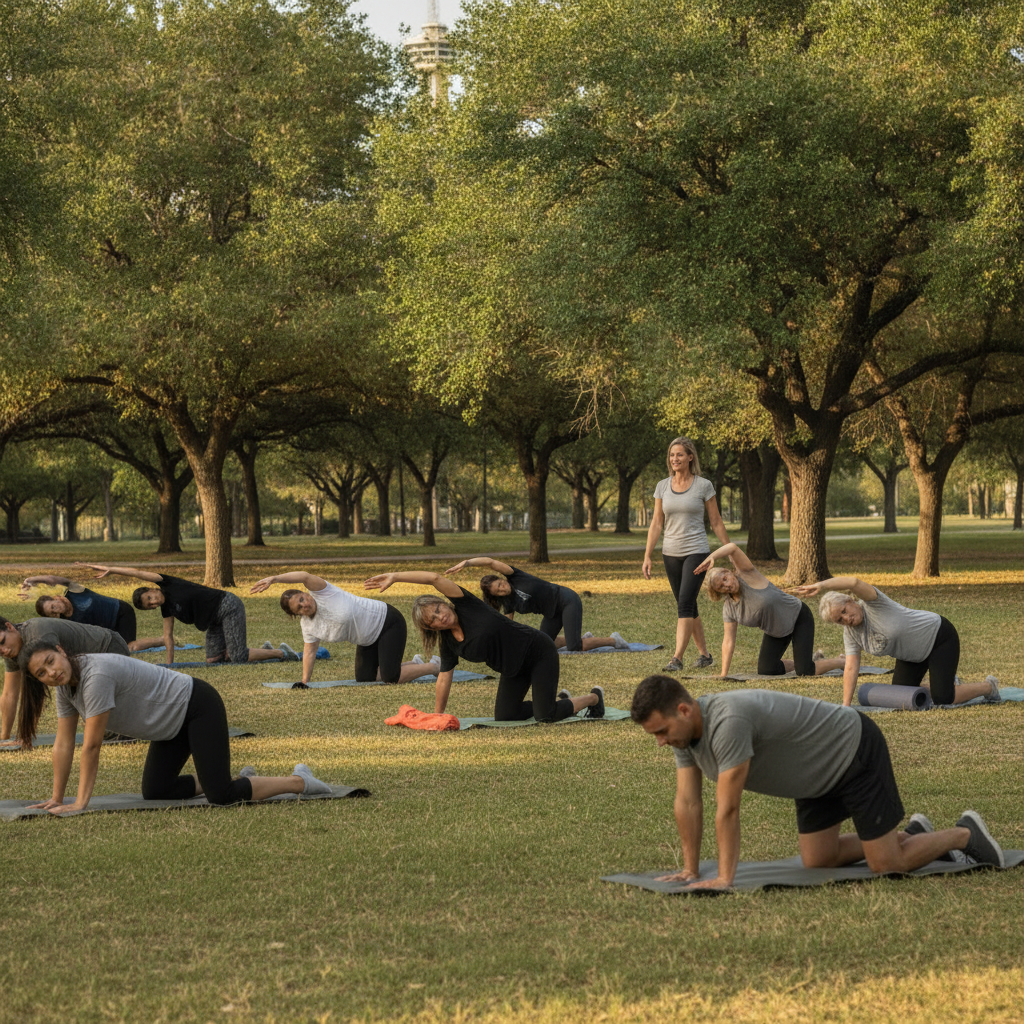
A tweaked back during a pickup soccer game, a lifting session that went sideways, or a bad landing on the pickleball court can derail your routine in a heartbeat. The first few days are confusing. Should you ice it, rest it, push through it, or book an appointment? Many athletes make the mistake of treating the injury as a one-time event instead of building a structured recovery plan. If you are searching for back pain treatment San Antonio TX offers after a sports injury, the best place to start is a simple framework: understand what happened, protect the area, rebuild movement in stages, and set up habits that keep you from landing right back where you started. This guide walks through that framework step by step. It is written for weekend warriors, small business owners who squeeze training in around long workdays, developers who spend hours seated before hitting the gym, and anyone else who wants a practical roadmap. You will learn how to handle the first 72 hours, when to get professional help, how to track progress, and how to return to your sport with confidence rather than fear. Think of it as a project plan for your spine, with clear phases, checkpoints, and decision rules.
Why a Plan Beats Guesswork After an Injury
Most people recover from a minor sports-related back strain without drama, but the ones who struggle usually share one trait: they improvise. They rest too long, return too fast, or bounce between random stretches found online. A written plan removes that guesswork. It gives you phases, milestones, and rules for what to do when pain spikes or fades.
A good plan also protects you from two opposite mistakes. The first is ignoring warning signs and pushing through sharp pain, which can turn a small strain into a lingering problem. The second is becoming so cautious that you stop moving entirely, which weakens the muscles that support your spine. Recovery lives in the middle, where you move enough to heal but not so much that you irritate the area. Start by writing down how the injury happened, which movements hurt, and what your goals are, whether that is walking pain-free, lifting again, or playing a full season.
The First 72 Hours: Protect, Do Not Panic
The first three days set the tone. Your goal is to calm irritation without freezing up. Gentle walking, short position changes, and light movement within a comfortable range usually serve you better than bed rest. Many people find that alternating short periods of cold or heat helps, though responses vary, so pay attention to what your body prefers.
Avoid the instinct to test the injury repeatedly. Bending to touch your toes ten times to see if it still hurts does not count as a recovery strategy. Instead, note your pain on a simple zero to ten scale each morning and evening. If you want guidance from licensed providers, looking into back pain treatment San Antonio TX options early can help you understand whether your symptoms fit a routine strain or something that deserves a closer look. Early clarity saves weeks of uncertainty later.
Red Flags That Mean Skip the Plan and Get Checked
Self-guided recovery is only appropriate when symptoms are mild to moderate and improving. Certain signs call for prompt professional or emergency evaluation. These include numbness in the groin or inner thighs, loss of bladder or bowel control, progressive weakness in a leg, severe pain after a significant impact, fever alongside back pain, or pain that wakes you consistently at night without relief from position changes.
Even without red flags, schedule an evaluation if pain has not noticeably improved after a week, if it radiates below the knee, or if it keeps returning every time you resume activity. If you want to explore your options for hands-on care, you can click here to see how chiropractic services approach spinal and movement problems. A professional assessment will not commit you to anything. It simply replaces assumptions with information, which makes every later decision in your plan smarter and safer.
Choosing the Right Provider for Sports-Related Pain
Not every provider approaches athletic injuries the same way. Some focus on pain relief alone, while others look at how you move, train, and recover. For sports-related back pain, favor someone who asks detailed questions about your sport, your training volume, and the exact moment symptoms began. Those details reveal patterns that a generic exam can miss.
When researching, look for clear explanations, realistic timelines, and a willingness to coordinate with your trainer, coach, or physician. A local Chiropractor in San Antonio, TX who works with active patients can evaluate joint motion, muscle tension, and posture while discussing how your sport loads the spine. Ask how progress will be measured, how often visits are expected, and what you can do between appointments. A good provider treats you as a partner, not a passive recipient of care.
Mapping Your Recovery in Four Phases
Think of recovery as a project with four phases rather than a single event. Each phase has its own goal, and you only advance when you meet the criteria for the current one. This prevents the common pattern of feeling better on Tuesday and re-injuring yourself on Wednesday.
The table below gives a general overview. Timelines vary by person and injury, so treat it as a template to discuss with your provider rather than a promise.
| Phase | Main Goal | Move On When |
|---|---|---|
| Calm | Reduce irritation, keep gentle movement | Daily tasks feel manageable |
| Restore | Regain pain-free range of motion | Bending and twisting are comfortable |
| Rebuild | Strengthen core, hips, and back | Exercises feel controlled and steady |
| Return | Gradually resume sport-specific work | Full sessions cause no lingering pain |
Balance and Stability Matter More Than You Think
Back injuries rarely happen in isolation. When the spine hurts, your body compensates, and those compensations can quietly change how you stand, step, and stabilize. Over time, poor balance control may contribute to repeat strains, especially in sports that demand quick direction changes.
Incorporating simple stability drills into your plan can help retrain coordination. Single-leg stands, slow step-ups, and controlled weight shifts are low-risk starting points. If you also notice dizziness or unsteadiness alongside your back symptoms, it is worth reading about Exploring Chiropractic Care for Balance Issues and Dizziness to understand how spinal function and balance can be related. Mention any such symptoms to your provider so they can factor them into your recovery strategy rather than treating the back in isolation.
Fitting Appointments Around a Busy Schedule
A recovery plan only works if you can actually follow it. For people juggling work, family, and training, scheduling is often the biggest obstacle. Missed appointments and skipped exercises add up, and a two-week plan quietly becomes a two-month struggle.
Treat appointments like client meetings: block them on your calendar, set reminders, and protect them from last-minute conflicts. Ask providers about early, late, or weekend availability, since flexible hours can make consistency far easier. For families trying to coordinate multiple schedules, Why Weekend Chiropractic Availability Matters for Busy San Antonio Families explains why weekend access can remove a major barrier to care. Consistency beats intensity in recovery, so build a routine you can actually keep.
Daily Habits That Support Healing
What you do outside the clinic or gym often matters more than what happens inside. Small daily habits either support tissue recovery or quietly undermine it. Focus on a handful of high-impact behaviors rather than trying to overhaul your life overnight.
- Change positions every 30 to 45 minutes if you sit for long stretches.
- Walk for short bouts several times a day to keep circulation moving.
- Sleep in a position that keeps your spine comfortably neutral, often on your side with a pillow between the knees.
- Stay hydrated and eat enough protein to support tissue repair.
- Keep a short log of pain levels, activities, and sleep quality.
Developers and desk-bound business owners should pay special attention to workstation setup. A screen at eye level, feet flat on the floor, and regular movement breaks reduce the load on an already irritated back.
Rebuilding Strength Without Re-Injuring Yourself
Once acute pain settles, strength work becomes the backbone of prevention. The goal is not heavy lifting right away. It is restoring the muscles that stabilize your spine, including the deep core, glutes, and upper back, so that everyday and athletic movements are shared across your body instead of dumped onto your lumbar region.
Begin with low-load, high-control movements such as bird dogs, glute bridges, and dead bugs. Focus on slow, smooth repetitions and stop a set when form begins to slip. Increase difficulty gradually, changing only one variable at a time, such as repetitions, resistance, or range of motion. If an exercise consistently aggravates your symptoms, do not push through it. Swap it for a gentler variation and mention it at your next appointment so the plan can be adjusted.
Returning to Your Sport the Smart Way
The return to play is where many athletes stumble. Feeling good in daily life does not automatically mean your back is ready for competition-level demands. A graded return reduces risk by letting your body adapt step by step.
Start with reduced volume and intensity, perhaps half your usual session length at a controlled effort. Add a small amount each week as long as symptoms stay quiet during and after activity. A helpful rule is the 24-hour check: if pain flares the day after a session and lingers, scale back before progressing again. Warm up thoroughly, prioritize technique over performance, and avoid testing your maximums early. Patience at this stage often determines whether you enjoy a full season or end up sidelined again.
Tracking Progress and Adjusting the Plan
A plan is only useful if it evolves. Review your notes weekly and look for trends rather than reacting to single bad days. Are mornings improving? Is a particular exercise becoming easier? Do certain activities consistently trigger discomfort? These patterns tell you where to adjust.
Set measurable checkpoints, such as walking thirty minutes without pain, holding a plank for a target time, or completing a full training session without symptoms. Share this data with your provider so decisions are based on evidence rather than memory. If progress stalls for two weeks, that is a signal to reassess, not a reason to push harder. Sometimes the fix is a different exercise, a change in workstation setup, or a closer look at an overlooked contributor such as footwear or sleep.
Preventing the Next Flare-Up
Recovery does not end when the pain does. The same habits that rebuilt your back should become part of your long-term routine. Keep a short weekly mobility and strength session, maintain good movement habits at work, and respect early warning signs such as stiffness that lingers longer than usual.
Review your training load periodically. Sudden jumps in volume, new equipment, or a poor night of sleep can all raise injury risk. Build rest days into your schedule and treat them as part of training rather than a lapse in discipline. Over time, these small protective choices add up to a spine that tolerates the demands you place on it.
Your Next Steps
Building a recovery plan after a sports injury comes down to structure and patience. Start by protecting the area in the first few days, watch for red flags, and get a professional opinion when symptoms persist or raise concerns. Move through clear phases, from calming irritation to restoring motion, rebuilding strength, and returning to your sport gradually. Along the way, fit appointments into your real schedule, support healing with daily habits, and track your progress so adjustments are based on facts.
Remember that setbacks are normal and do not mean failure. A flare-up after a hard session is information, not a verdict. Use it to refine your plan, slow the pace if needed, and keep moving forward. Whether you are a business owner squeezing in workouts before the day starts, a developer balancing long hours at a desk, or a weekend athlete chasing the next game, the same principles apply. Write the plan down, follow it consistently, and lean on qualified professionals when you need support. With the right approach, a back injury can become a turning point toward stronger, smarter, and more resilient movement for years to come.