
Table of Contents
- What Neuropathy in Feet Actually Feels Like
- Early Signs of Peripheral Neuropathy You Should Not Ignore
- Common Causes and Risk Factors for Nerve Damage
- How to Tell Neuropathy Apart From Poor Circulation
- When to See a Doctor for Foot Numbness or Tingling
- Chiropractic Care for Neuropathy Pain: What to Expect
- Nighttime Strategies to Manage Neuropathy Symptoms
- Finding Help in San Antonio
- Frequently Asked Questions
Last Updated: September 22, 2026
What Neuropathy in Feet Actually Feels Like
Neuropathy in feet is a type of nerve damage that changes how your feet feel, often starting as tingling or numbness in the toes. At Moore Chiropractic, we hear the same story from many patients: their feet “fall asleep” and never quite wake up.

The Difference Between Tingling and True Nerve Pain
A little tingling after you cross your legs is normal. It fades in seconds.
Early Signs of Peripheral Neuropathy You Should Not Ignore
The early signs of peripheral neuropathy often show up in the feet before anywhere else. That’s because the longest nerves in your body reach your toes, so they tend to fail first. In clinical practice, this is called a “length-dependent” pattern, and it’s why a podiatrist or neurologist will almost always start the exam at your big toe and work upward.
Watch for these warnings:
- Tingling in toes that returns most days
- Numbness that makes it hard to feel the floor
- Burning pain at night
- Sharp jabbing pain in the soles
- Muscle weakness when climbing stairs
- Balance issues in the dark
- Reflex loss during a routine exam
- A feeling that you’re walking on pebbles or a folded sock
- Reduced ability to feel hot versus cold water on your feet
A Simple Self-Assessment Checklist for Your Feet
Try this at home, then share your answers with a doctor or chiropractor. Answer each item yes or no, and note roughly how long you’ve noticed it.
- Can you feel a light touch on each toe with your eyes closed?
- Do your feet feel hot or cold when the room is comfortable?
- Do you wake at night with burning or tingling?
- Have you tripped or lost balance in the past month?
- Do your feet feel numb in the shower?
- Has anyone in your family had diabetic neuropathy?
- Do you have diabetes, or have your blood glucose levels been high?
- Do your symptoms get worse at night or when you’re resting?
- Do your feet feel better when you walk and worse when you sit still?
- Have you noticed a change in the shape of your feet or arches?
Turn the Checklist Into a Symptom Tracker
A one-time checklist tells you where you stand today. A weekly tracker tells you which direction you’re heading, and that’s the information a doctor actually needs to make a diagnosis. Nerve changes happen slowly, so a written record is often more useful than memory.
Build a simple tracker with five columns:
- Date, one entry per week, same day each time.
- Symptom score (0-10), rate your worst tingling, burning, or numbness.
- Location, toes only, toes and ball of foot, or up to the ankle.
- Nighttime wake-ups, how many times pain or tingling woke you.
- Notes, new shoes, long walks, missed medication, high-carb meals.
Test your feet at the same time each week. Nerve changes happen slowly, so a weekly check catches shifts that a one-time test would miss. Photograph the tracker page with your phone so you always have it at appointments.
What a Clinician Will Check That You Can’t
Home checks are a starting point, not a diagnosis. In the office, a clinician typically runs a few quick, painless tests that you can’t replicate at home:
- Monofilament test, a soft nylon filament pressed against the sole to see if you can feel it. This is the standard screening tool for loss of protective sensation in people with diabetes.
- Vibration test, a tuning fork placed on the big toe to check large-fiber nerve function.
- Pinprick and temperature test, checks small-fiber nerves that carry pain and temperature signals.
- Ankle reflexes, a diminished or absent reflex is one of the earliest objective signs.
- Gait and balance check, watching how you walk with your eyes open and closed.
Common Causes and Risk Factors for Nerve Damage
Diabetes is the most common cause of nerve damage in the feet, which is why it’s called diabetic neuropathy. High blood sugar over time harms the small blood vessels that feed your nerves.
Other causes and risk factors include:
- Long-term alcohol use
- Vitamin B12 deficiency
- Chemotherapy treatment
- Kidney or thyroid disease
- Certain medications
- Family history of nerve problems
- Repetitive pressure or injury to the feet
How to Tell Neuropathy Apart From Poor Circulation
Poor circulation and neuropathy can feel similar, but they are not the same problem. Circulation problems come from blocked or narrowed blood flow. Neuropathy comes from damaged nerves. (Source: the National Institute of Neurological Disorders and Stroke (NINDS))
Here’s how to tell them apart:
| Sign | Poor Circulation | Neuropathy |
|---|---|---|
| Skin color | Pale or blue toes | Often normal |
| Temperature | Feet feel cold | Feet feel burning or numb |
| Pulse | Weak or hard to find | Normal pulse |
| Timing | Worse with cold or activity | Often worse at night |
| Pain type | Cramping | Burning, tingling, shooting |
When to See a Doctor for Foot Numbness or Tingling
See a doctor if foot numbness or tingling lasts more than a few days, spreads, or comes with weakness. Don’t wait for it to “go away on its own.”
Book an appointment right away if you notice:
- A sore or wound on your foot that isn’t healing
- Sudden loss of feeling in one or both feet
- Trouble walking or frequent falls
- Bladder or bowel changes
- Weakness that’s getting worse
Chiropractic Care for Neuropathy Pain: What to Expect
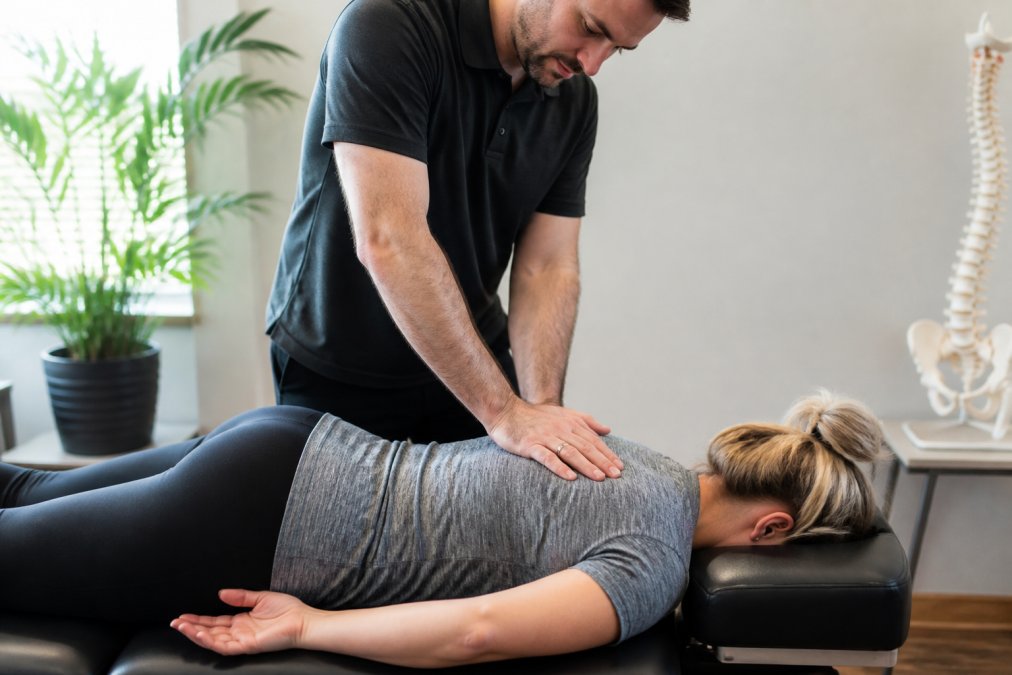
Chiropractic care for neuropathy pain focuses on how your spine, joints, and nerves work together. It does not replace medical treatment for diabetes or other conditions, but it can help with mobility, balance, and pain.
From there, care often includes:
- Gentle spinal adjustments
- Soft tissue work on tight muscles
- Balance and gait exercises
- Home stretches you can do daily
Skipping a medical workup for foot numbness can delay a diabetes or vitamin deficiency diagnosis. Chiropractic care works best alongside your doctor’s care, not instead of it.
Nighttime Strategies to Manage Neuropathy Symptoms
Nocturnal pain is one of the hardest parts of neuropathy. When the house is quiet and you’re lying still, burning and tingling can feel louder. There’s a physiological reason: during the day, movement and sensory input from walking, driving, and daily activity compete with nerve signals. At night, that competition disappears, so the misfiring nerves become the loudest thing your brain is hearing.
Before Bed (30-60 Minutes Out)
- Take a short walk after dinner. Ten to fifteen minutes is enough. Walking improves blood flow to the feet and gives the nerves normal input, which can blunt the evening spike in burning.
- Do gentle foot and ankle stretches. Point and flex your toes, roll each ankle in slow circles, and gently stretch your calves against a wall. Tight calf muscles and stiff ankles increase pressure on the nerves running through the foot.
- Soak your feet in cool water, never hot. Cool water calms the burning sensation. Hot water is dangerous because neuropathy blunts your ability to feel temperature, and burns can happen before you notice. Test the water with your elbow, not your foot.
- Skip caffeine and alcohol in the evening. Both can worsen nerve pain and disrupt the sleep stages that help you tolerate pain the next day.
- Take your medications as prescribed. If your doctor prescribed gabapentin, pregabalin, duloxetine, or a topical, timing matters, many of these work better when taken an hour or two before bed.
In Bed
- Keep the room cool and use a light blanket over your feet. A heavy comforter presses on hypersensitive skin and traps heat. A light sheet or a blanket tented over a foot cradle keeps weight off your toes.
- Elevate your legs on a pillow for 15 minutes before sleep. This reduces fluid pooling in the feet and can ease the throbbing that comes with prolonged standing.
- Try a capsaicin or lidocaine topical if your doctor approves. These work on different mechanisms, capsaicin depletes pain-signaling chemicals over time, while lidocaine numbs the surface. Neither is right for everyone, and capsaicin can burn on the first few applications.
- Use white noise or a fan. This isn’t a gimmick. Competing sound gives your brain something to process besides the nerve signals, which is the same principle behind why some people find relief by rubbing their feet.
- If you wake in pain, don’t lie there. Get up, walk to the bathroom, do a few ankle circles, and return to bed. Staying still and focusing on the pain tends to amplify it.
What to Track and When to Escalate
Keep a simple nighttime log for two weeks: what time you went to bed, how many times you woke, and what you tried. Bring it to your next appointment. Patterns often emerge, for example, symptoms that spike on days you ate a high-carb dinner, or nights after you skipped your evening walk.
If pain is waking you more than two or three nights a week, or if you’re not sleeping despite trying these steps, tell your doctor. Chronic pain management often works best with a mix of approaches, not one alone, and untreated sleep loss makes nerve pain worse the next day.
The single most useful habit is consistency. A 15-minute walk after dinner, a cool soak, and a light blanket sound small, but done nightly they reduce the total load on irritated nerves. Sporadic effort rarely moves the needle.
Finding Help in San Antonio
Living with nerve pain in your feet is exhausting, and it’s easy to put off care. But early detection makes a real difference in how well you manage symptoms long term.
Frequently Asked Questions
What does neuropathy in feet feel like when it first starts?
Early neuropathy in feet often begins as a tingling or pins and needles sensation in the toes that comes and goes. Some people describe a buzzing feeling or a sense that their feet are wrapped in a thin sock even when barefoot. These early signs of peripheral neuropathy can be easy to dismiss, but paying attention to them helps you get evaluated before nerve damage progresses further.
How can I distinguish between foot neuropathy and poor circulation?
Poor circulation typically causes cold feet, pale or blue skin, and cramping during walking that eases with rest. Neuropathy in feet tends to cause burning pain, sharp jabbing pain, numbness, or hypersensitivity to touch, often worse at night. A doctor can tell the difference using a neurological exam, pulse checks, and a nerve conduction study if needed.
Can chiropractic care for neuropathy pain actually help?
Chiropractic care for neuropathy pain focuses on improving spinal alignment and reducing nerve interference, which may ease symptoms for some patients. It does not reverse nerve damage, but it can complement medical treatment by addressing musculoskeletal contributors to nerve irritation. A chiropractor should assess your situation and tell you honestly whether care is appropriate for your case.
When should I see a specialist for foot numbness or tingling?
See a doctor if tingling, numbness, or burning pain lasts more than a few days, spreads up your legs, affects your balance, or interferes with sleep. If you have diabetes, get evaluated at the first sign of changed sensation. Early detection matters because nerve damage can become permanent if the underlying cause is not addressed.
Nerve symptoms in the feet rarely improve on their own, and waiting can let small problems grow. Moore Chiropractic offers a complimentary evaluation and consultation, gentle chiropractic techniques, and personalized care plans built around your goals. Get started with Moore Chiropractic and take the first step toward steadier, more comfortable days.