A sore shoulder that makes reaching overhead difficult, back pain that lingers after a long workday, or a knee that complains after every walk can change how you move through life. Laser therapy is a comfortable, noninvasive option that may help calm pain, support the body’s healing response, and make movement feel more manageable while you work toward lasting recovery.
At Moore Chiropractic, we do not treat a painful area as if it exists separately from the rest of you. We look at how the problem started, how it affects your daily routine, and what your body needs to move better with confidence. Laser therapy can be a valuable part of that personalized plan.
What Is Laser Therapy?
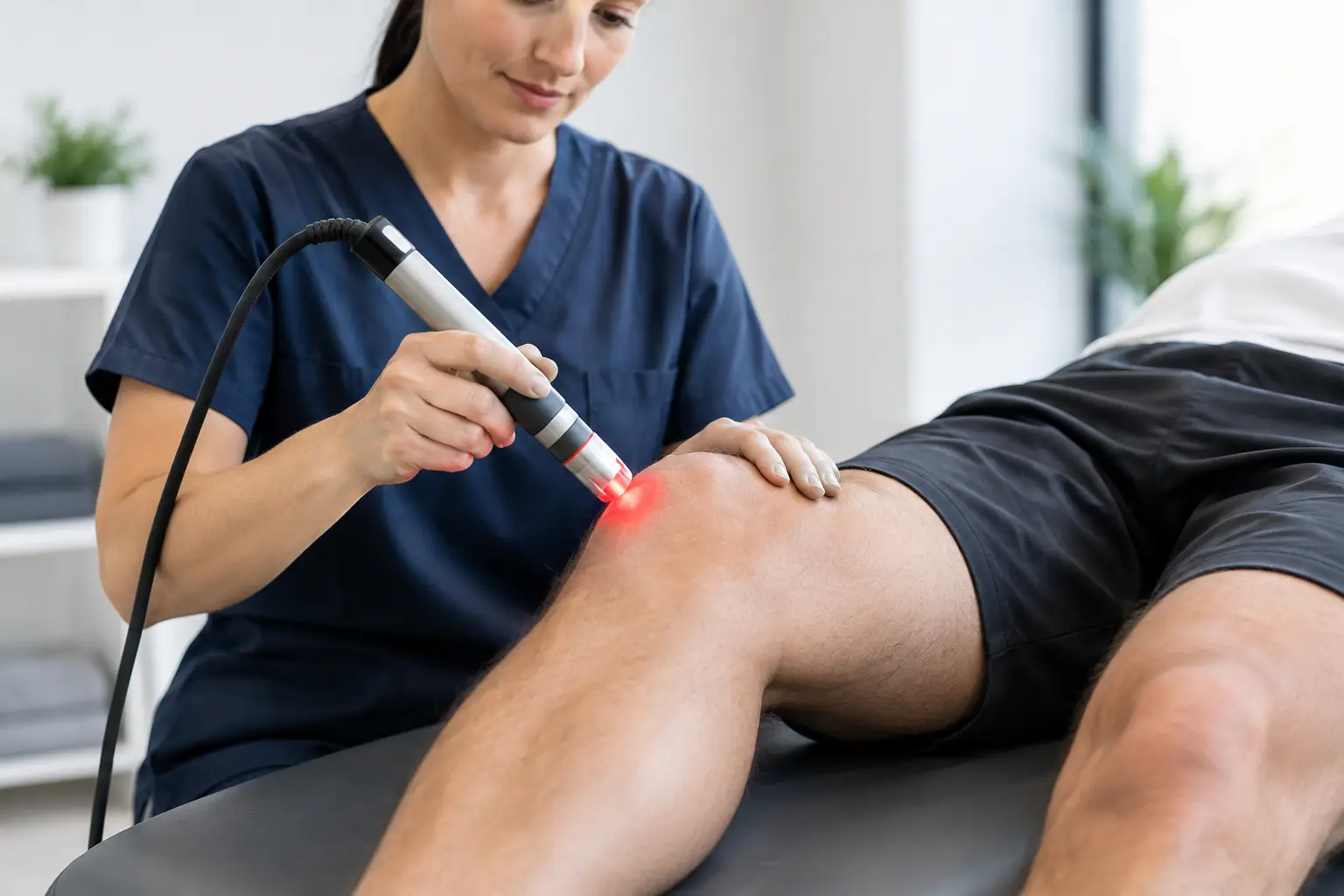
Laser therapy, sometimes called low-level laser therapy or photobiomodulation, uses specific wavelengths of light delivered to targeted areas of the body. The light is applied through a handheld device over the skin. It is not surgery, it does not cut tissue, and it does not involve needles.
The goal is to deliver light energy to tissues that may be irritated, injured, or slow to recover. Cells use that energy in ways that may support circulation, cellular activity, and the body’s normal repair process. For many patients, the practical goal is simpler: less pain, better mobility, and a more comfortable path back to normal activities.
Treatments are generally quick and well tolerated. Most people feel little to no sensation during a session, although some notice mild warmth. There is no downtime afterward, so you can typically return to work, errands, or your usual routine.
How Laser Therapy May Support Recovery
Pain is not always a sign that something is permanently damaged. Often, it is part of a complex response involving inflamed tissues, protective muscle tension, irritated nerves, altered movement patterns, and reduced activity. Effective care should address that bigger picture.
Laser therapy may help reduce discomfort in injured or irritated tissue, which can make it easier to begin moving more normally. That matters because gentle, appropriate movement is often part of a successful recovery. When pain makes you guard an area for too long, surrounding muscles can weaken or become tight, and everyday tasks can become harder than they need to be.
It may also support recovery by encouraging healthy cellular function and local circulation. Research on light-based therapies is promising for certain musculoskeletal concerns, but results vary. The type of condition, how long you have had it, the severity of symptoms, your overall health, and the treatment settings all matter.
Laser therapy is not a magic fix, and it should not replace a thorough evaluation. It works best when it is used thoughtfully alongside care that addresses mobility, posture, joint function, strength, activity habits, and the root contributors to your discomfort.
Conditions That May Benefit From Laser Therapy
A chiropractic evaluation can help determine whether laser therapy is appropriate for your needs. It may be considered for a range of common concerns, including back and neck pain, shoulder pain, knee pain, elbow and wrist discomfort, muscle strains, tendon irritation, and sports-related injuries.
Patients recovering from car accidents may also have lingering soft-tissue pain, stiffness, or inflammation after whiplash and other injuries. In these cases, care often needs to be especially individualized. Symptoms can change over time, and an injury may affect the neck, back, shoulders, headaches, sleep, and confidence behind the wheel.
Some people with nerve-related symptoms, including certain cases of neuropathy, may ask whether laser therapy can help. The answer depends on the cause and nature of the symptoms. Numbness, burning, tingling, weakness, or changes in balance deserve a careful assessment. A provider should identify possible underlying causes rather than simply treating the sensation.
Chronic pain can be another reason to consider laser therapy. When pain has lasted for months, there is rarely one single solution. A combination of gentle chiropractic care, targeted therapies, progressive movement, home guidance, and lifestyle support may offer a more useful path than relying on any one treatment alone.
What Happens During a Session?
Your first step should be a conversation and examination, not a one-size-fits-all treatment. Your provider will ask about your symptoms, activity level, health history, prior injuries, and goals. They may assess your range of motion, posture, strength, and areas of tenderness before recommending a care plan.
During laser therapy, the device is placed directly over or near the area being treated. The length of treatment depends on the body part, condition, and treatment plan, but sessions are commonly brief. Protective eyewear may be used when appropriate.
Afterward, some patients notice a change quickly, while others experience improvement gradually over a series of visits. Neither response automatically predicts the final outcome. Healing takes time, especially when symptoms have been present for a while or when an injury has changed the way your body moves.
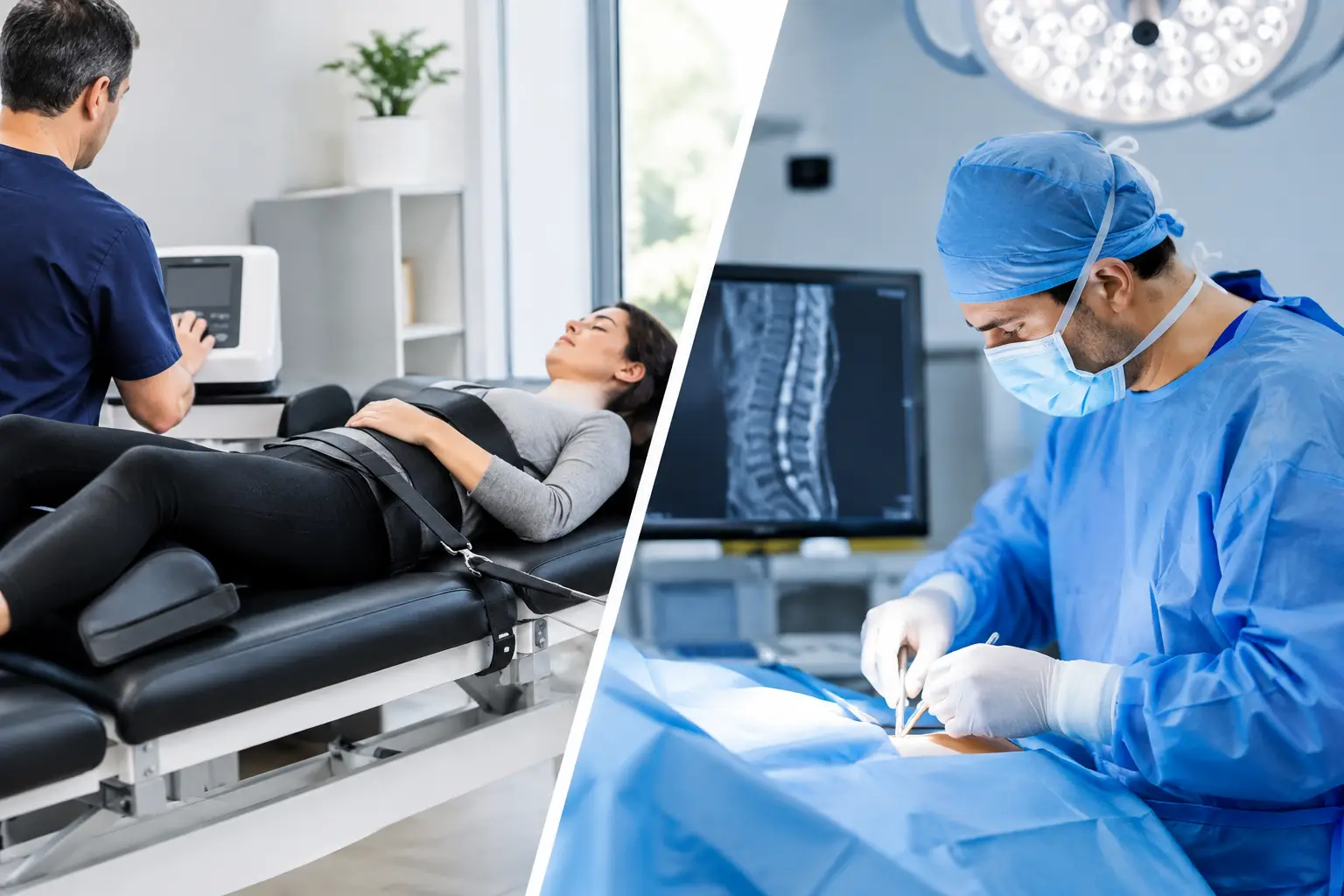
Your plan may include laser therapy along with chiropractic adjustments, soft-tissue work, guided exercises, posture recommendations, and practical advice for work, training, or daily movement. The right combination depends on you.
Is Laser Therapy Safe?
When delivered by a trained provider and used appropriately, laser therapy is generally considered safe and noninvasive. Still, every treatment has considerations. Your provider should review your health history and determine whether treatment is suitable for the area and concern being addressed.
Laser therapy is not appropriate over certain areas or for every person. Special precautions may be needed for pregnancy, active cancer or suspicious lesions, direct eye exposure, bleeding concerns, or specific medical conditions. If you take medications that increase light sensitivity or are under care for a serious health condition, share that information before treatment begins.
The most reassuring approach is an honest one. You deserve to understand why a therapy is being recommended, what it is designed to help with, what results are realistic, and what other options may be available.
Getting More From Your Care Plan
A laser session can be a helpful part of recovery, but the hours between appointments matter too. If your provider recommends specific stretches, strengthening exercises, walking, hydration, ergonomic changes, or modified activity, those recommendations can help reinforce the progress you are making in the office.
For example, a patient with repetitive shoulder strain may need more than pain relief. Adjusting workstation setup, improving upper-back mobility, building shoulder stability, and taking brief movement breaks can reduce the chance that the same irritation returns. A runner with knee pain may need to look at training volume, hip strength, footwear, and recovery habits in addition to treating the painful area.
This is where a whole-person approach makes a difference. The goal is not simply to get you through one good day. It is to help you return to the things that matter to you – working comfortably, playing with your kids, exercising, sleeping better, or moving without constantly planning around pain.
When to Seek an Evaluation
Do not ignore severe pain after an accident, sudden weakness, loss of coordination, changes in bowel or bladder control, fever with back pain, unexplained weight loss, or pain that continues to worsen. These symptoms may require prompt medical evaluation.
For more common pain, stiffness, or injury-related limitations, an evaluation can help you understand what may be contributing to the problem and whether laser therapy fits into your care. You do not have to wait until discomfort controls your schedule. A clear plan, gentle care, and steady progress can help you start moving toward the life you want to get back to.