A burning feeling in your feet can make even a short walk through the grocery store feel exhausting. Numb toes can make you hesitate on stairs, while sharp, electric sensations may interrupt sleep just as your body needs rest. For people seeking neuropathy treatment San Antonio, the goal is not simply to mask those sensations for a few hours. It is to understand what may be affecting the nerves, support safer movement, and create a care plan that fits real life.
Peripheral neuropathy can be frustrating because its symptoms are often inconsistent. Some days, your feet may feel overly sensitive to socks or bed sheets. Other days, they may feel numb, cold, heavy, or disconnected. The right next step depends on the cause, the severity of symptoms, and how neuropathy is affecting your balance, work, exercise, and independence.
What Neuropathy Can Feel Like
Neuropathy occurs when nerves outside the brain and spinal cord are damaged, irritated, or not functioning as they should. It most often affects the feet and lower legs, though it can also involve the hands and arms. Because nerves carry signals related to touch, temperature, movement, and pain, symptoms can look different from one person to the next.
You may notice tingling, burning, pins-and-needles sensations, numbness, cramping, weakness, or pain that feels sharp or shooting. Some people feel worse at night. Others find that standing at work, walking long distances, or wearing certain shoes makes symptoms more noticeable. Balance changes are also common when the feet cannot clearly sense the ground beneath them.
These symptoms deserve attention, especially if they are progressing. Numbness can make it harder to recognize a cut, blister, or injury on the foot. Weakness and poor balance can raise the risk of falls. Getting evaluated early gives you more options for protecting mobility and addressing contributing factors.
Start by Looking for the Cause
Neuropathy is not one single condition, and there is no one-size-fits-all answer. Diabetes is a common contributor, particularly when blood sugar has been difficult to manage over time. Other possible contributors include vitamin deficiencies, thyroid conditions, certain medications, alcohol use, autoimmune conditions, circulation concerns, infections, chemotherapy, and previous injuries.
Sometimes symptoms that seem like neuropathy may also be connected to nerve pressure elsewhere in the body. A herniated disc, sciatica, spinal changes, or carpal tunnel syndrome can irritate a nerve and create numbness, tingling, or pain along a specific path. That does not mean every case of tingling begins in the spine. It does mean a careful assessment matters.
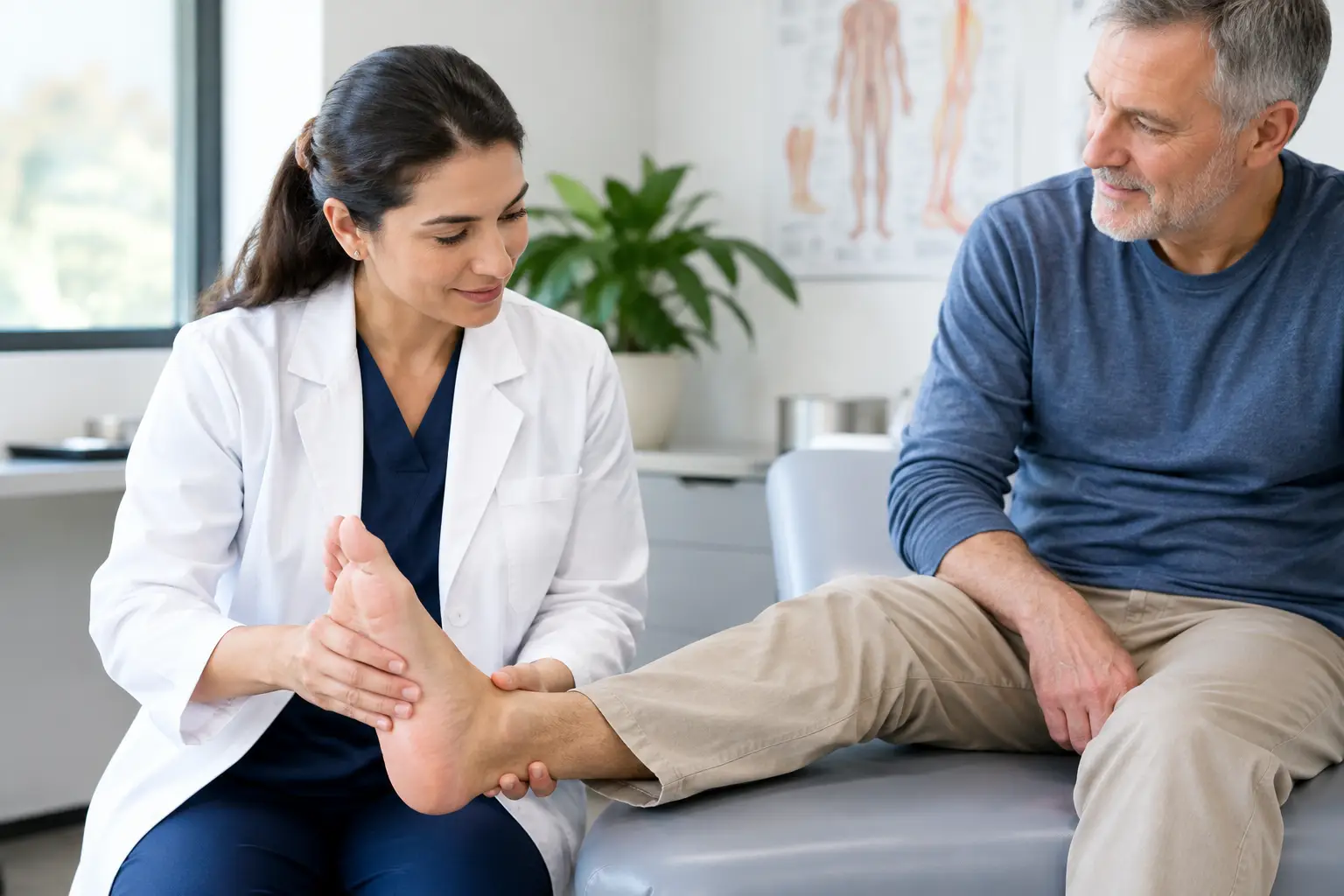
A thorough evaluation may include a conversation about your health history, medications, nutrition, daily activity, and symptoms. Depending on your situation, medical testing or coordination with your primary care provider, endocrinologist, neurologist, or podiatrist may be appropriate. This step helps identify conditions that need medical management while also clarifying where supportive conservative care may help.
Symptoms That Should Not Wait
Seek urgent medical attention for sudden weakness on one side of the body, facial drooping, trouble speaking, severe new headache, loss of bladder or bowel control, or numbness that begins suddenly and rapidly spreads. These symptoms can signal a serious medical problem and should not be managed as routine neuropathy.
Neuropathy Treatment in San Antonio Should Be Personal
Effective neuropathy treatment in San Antonio begins with listening. Your symptoms are more than a checklist. The timing of the discomfort, where it travels, what makes it better or worse, and how it changes your routine all provide useful information.
At Moore Chiropractic, care is centered on the person behind the symptoms. For some patients, gentle chiropractic care may be considered when spinal or joint restrictions are contributing to nerve irritation, altered movement, or reduced comfort. Improving mobility and reducing mechanical stress can support the body’s ability to move more comfortably. However, chiropractic care is not a replacement for medical treatment of diabetes, nutritional deficiencies, or other underlying conditions.
That distinction matters. A responsible plan does not promise a universal cure or assume that every numb foot has the same cause. Instead, it focuses on realistic goals such as reducing discomfort, improving confidence while walking, supporting healthier movement patterns, and helping you stay active within your current ability.
Gentle Care for Movement and Nerve Support
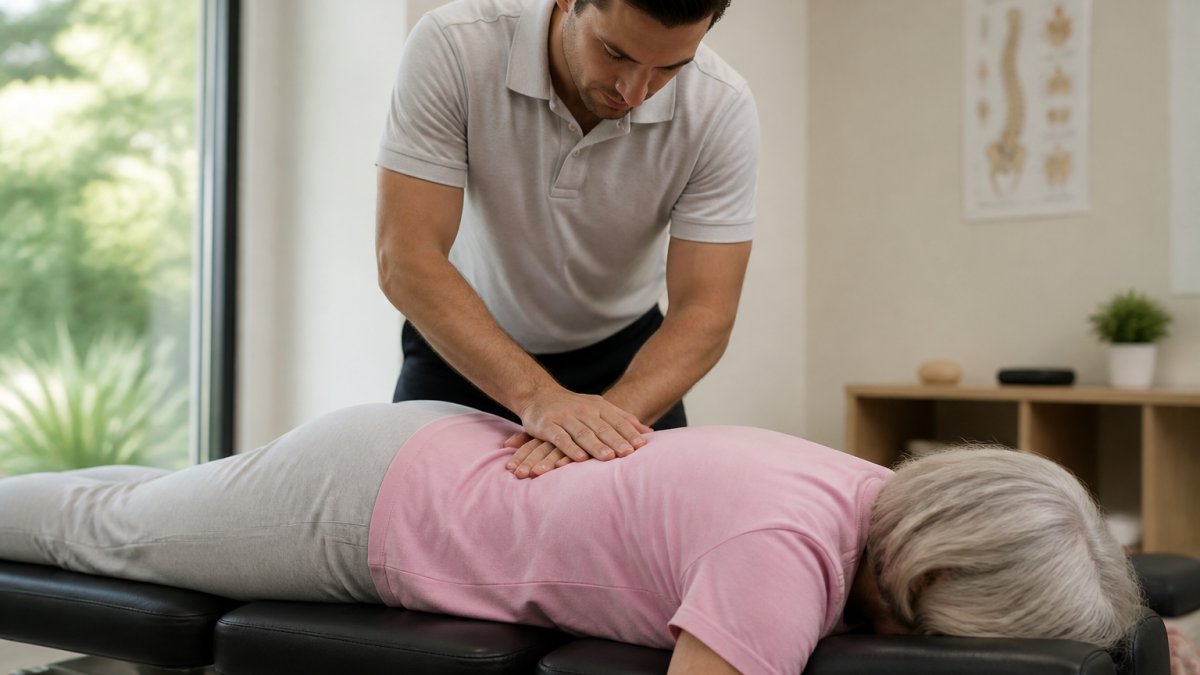
When appropriate, gentle adjustments may be used to address areas of restricted movement in the spine or extremities. Treatment is tailored to your comfort level, health history, and examination findings. Some people are hesitant about chiropractic because they are worried an adjustment will be too forceful. Gentle techniques offer an option for patients who want a careful, individualized approach.
Soft-tissue work, guided mobility strategies, and posture support may also be part of a plan when tight muscles or repetitive strain are adding stress to the body. If standing at a workstation, driving long hours, or recovering from an old injury has changed the way you move, those patterns deserve attention too.
Light Therapy and Recovery Support
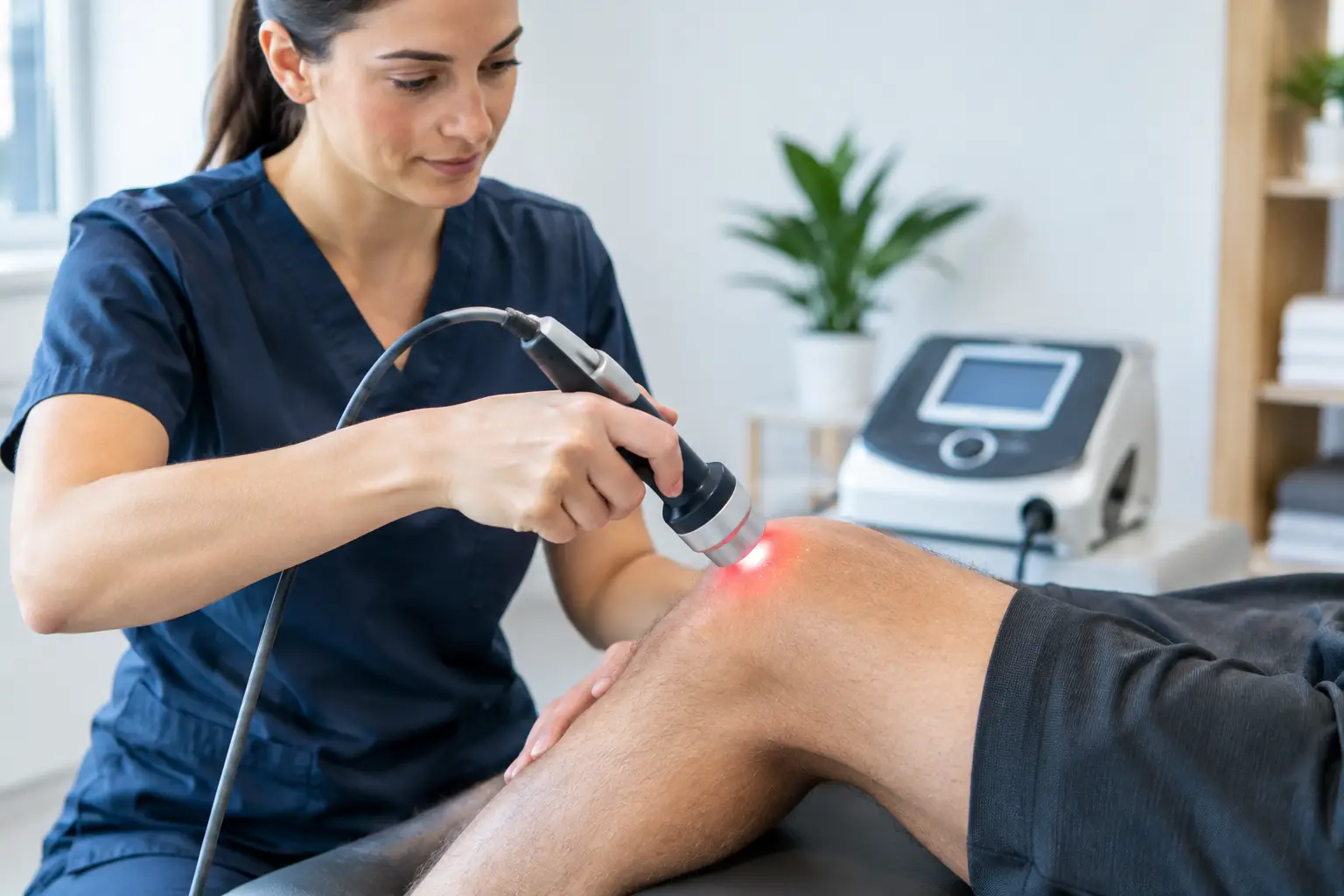
Laser and red light therapy may be recommended in some cases as a noninvasive option intended to support tissue recovery and comfort. Treatment recommendations should always be based on your individual presentation and goals. Responses vary, and these therapies work best as part of a broader plan rather than as a standalone answer.
For people with persistent symptoms, progress can be gradual. Tracking changes in sleep, walking tolerance, balance, sensitivity, and activity level can be more meaningful than judging care by one good or bad day.
Daily Habits That Protect Your Feet and Mobility
Clinical care is only one part of managing neuropathy. Small, consistent habits can reduce risk and help you feel more in control between visits. Check your feet each day for cuts, blisters, redness, swelling, or skin changes, especially if you have reduced sensation. Wear well-fitting shoes and avoid walking barefoot, even around the house, when numbness makes injuries easier to miss.
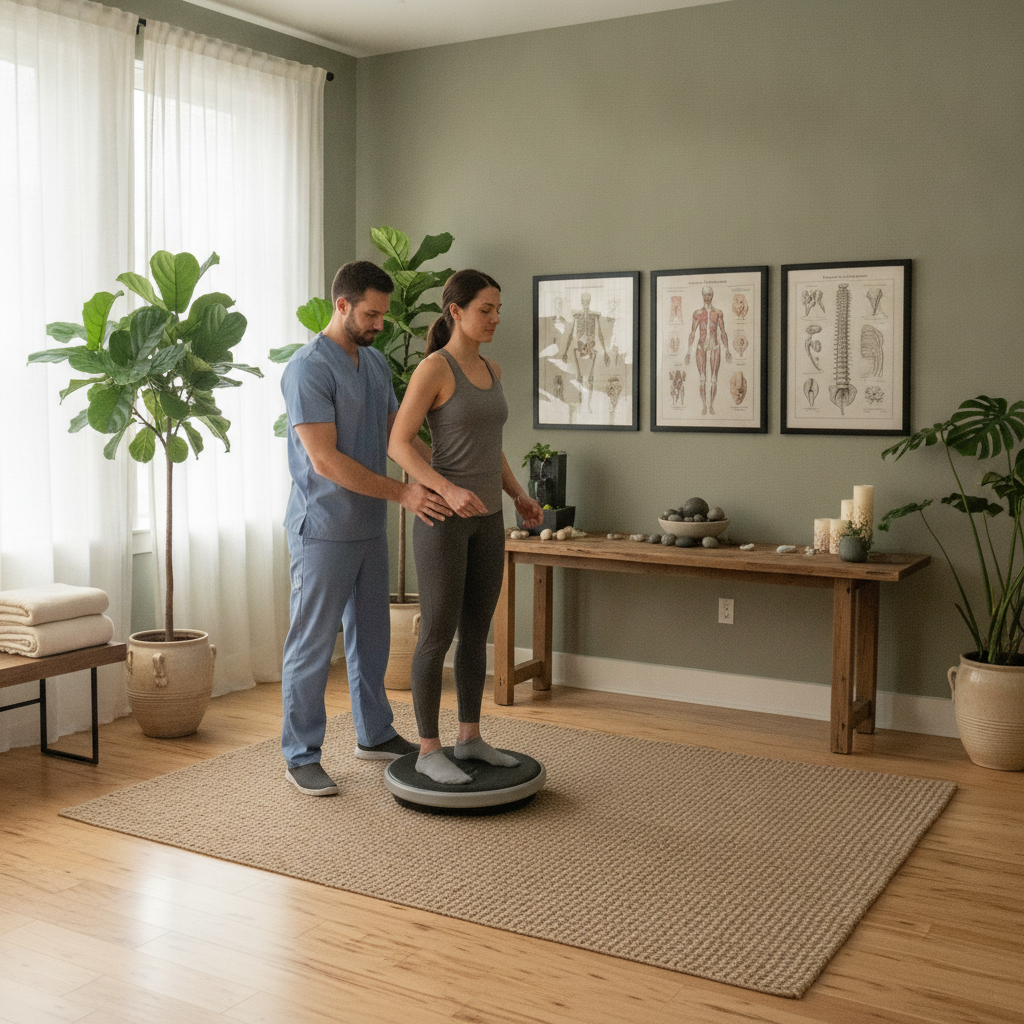
Movement is also valuable, but it should be appropriate for your body. Walking, gentle strength work, and balance exercises may support circulation, stability, and confidence. If walking increases pain or you feel unsteady, begin with shorter sessions and ask for guidance on a safe progression. Pushing through severe pain is rarely the best strategy.
Nutrition can matter as well. If diabetes, prediabetes, or a vitamin deficiency is part of the picture, working with the appropriate healthcare professional to address those factors can support your long-term health. Hydration, sleep, stress management, and smoking cessation may also play a role in circulation and recovery.
What to Expect From a First Visit
A good first visit should leave you with more clarity, not more confusion. You should have the chance to explain when symptoms started, what they feel like, what you have already tried, and what activities you want to return to. Your provider should explain examination findings in plain language and discuss whether conservative chiropractic care is appropriate for you.
If care is recommended, your plan may include a series of visits, home movement recommendations, lifestyle guidance, and progress checks. The frequency depends on your symptoms, functional limitations, and response to care. Some patients need focused support during a flare-up, while others benefit from ongoing wellness care to maintain mobility and address recurring strain.
The most useful question is not, “What is the fastest fix?” It is, “What is contributing to my symptoms, and what practical steps can help me move forward safely?” Persistent numbness or burning can feel isolating, but you do not have to guess your way through it. A thoughtful evaluation can help you better understand your body, protect your mobility, and take the next step with confidence.