
Back pain is a common challenge faced by small business owners, developers, and people from all walks of life. The search for effective, lasting relief often leads to a maze of treatments and advice. Recently, a growing body of research has highlighted the benefits of mindfulness and meditation for those struggling with persistent discomfort. Mindfulness and Back Pain is not just a trending topic; it’s a practical approach that empowers individuals to manage pain, reduce stress, and improve overall well-being. In this article, we’ll explore how mindfulness and meditation can provide real relief, how these practices fit into daily routines, and why so many in this community are turning to them as part of their pain management toolkit. Whether you’re seeking alternatives to medication or simply want to enhance your quality of life, understanding the role of mindfulness and meditation in back pain relief could be the key to unlocking a healthier, more balanced you.
Mindfulness and Back Pain Relief in San Antonio
The relationship between mindfulness and Back Pain has become a focal point for many residents seeking holistic solutions. Mindfulness, which involves being fully present and aware of one’s body and thoughts, helps individuals break the cycle of chronic pain and stress. By focusing attention on the present moment, people can begin to notice how tension and discomfort manifest in their bodies. This awareness is the first step toward managing pain more effectively. For those living in the area, integrating mindfulness into daily routines can mean the difference between constant discomfort and genuine relief. Studies show that consistent mindfulness practice decreases pain intensity and improves quality of life. To learn more about how mindfulness can specifically benefit those dealing with neuropathy and chronic pain, visit Mindfulness and Back Pain for additional resources and support. For related information, see Mindfulness and Back Pain.
Mindfulness and Back Pain: Insights for San Antonio, TX
In San Antonio, TX, the integration of mindfulness and Back Pain management strategies is gaining momentum among professionals and general readers alike. This approach is not limited to meditation alone; it encompasses breathing exercises, body scans, and mindful movement. These techniques help reduce the emotional and psychological impact of pain, making it easier to cope with daily challenges. For small business owners and developers, who often spend long hours at desks or on their feet, mindfulness offers a way to break the cycle of tension and pain. By taking a few moments each day to practice mindfulness, individuals can experience noticeable improvements in both physical and mental health. If you’re interested in seeing how local practitioners are creating supportive environments for holistic care, explore Getmoorecare to discover more about their approach to wellness. For related information, see Getmoorecare.
Mindfulness and Back Pain Relief in San Antonio Texas
San Antonio Texas is home to a diverse community where mindfulness and Back Pain relief techniques are becoming increasingly popular. Meditation, in particular, has shown remarkable results for individuals dealing with chronic discomfort. By learning to observe pain without judgment, people can reduce its hold over their lives. This process involves acknowledging pain sensations, accepting them, and gently redirecting focus to the breath or other points of awareness. Such practices are accessible to everyone, regardless of experience level. Whether you’re a busy entrepreneur or a developer dealing with posture-related pain, mindfulness and meditation can fit seamlessly into your routine. For those looking to explore structured meditation practices for pain management, there are local options tailored to various needs and schedules. For related information, see meditation practices for pain management.
How Moore Chiropractic Supports Mindfulness for Pain Relief
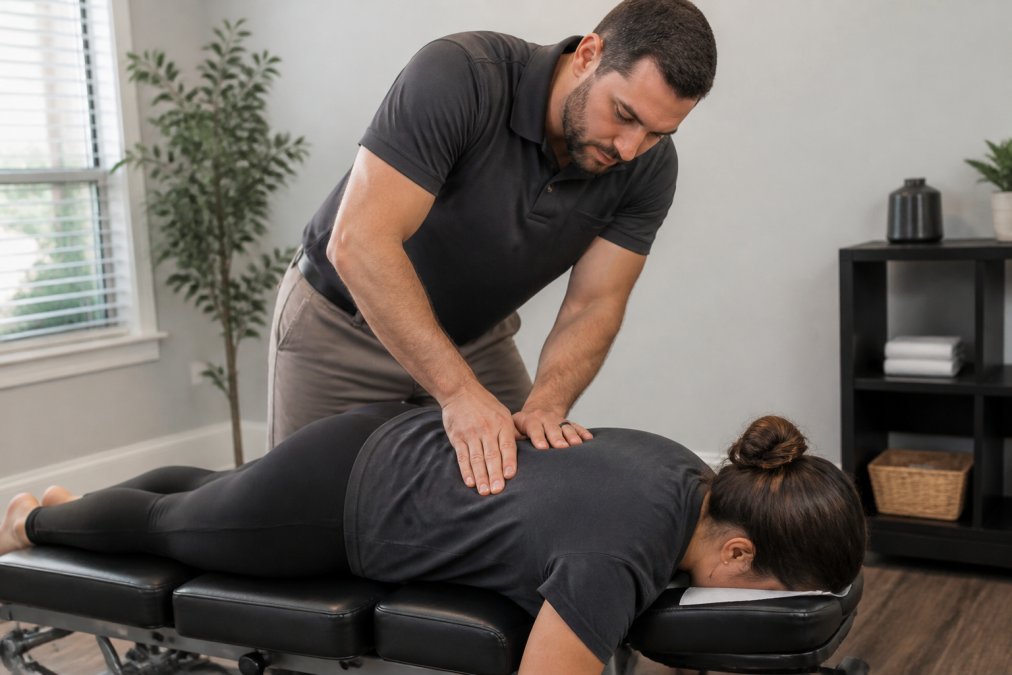
Chiropractic care and mindfulness often go hand in hand when it comes to back pain relief. Many practitioners in this city are now incorporating mindfulness techniques into their treatment plans. By combining hands-on therapies with guided meditation or breathing exercises, patients experience a more comprehensive approach to healing. This synergy helps address not only the physical aspects of pain but also the mental and emotional components. For those interested in learning more about how local chiropractic offices are integrating mindfulness and Back Pain strategies, Moore Chiropractic offers insights into their holistic care philosophy and patient-centered services.
Understanding the Science Behind Mindfulness and Back Pain
The effectiveness of mindfulness and Back Pain relief is supported by a growing body of scientific evidence. Research has shown that mindfulness-based interventions can decrease pain intensity, reduce reliance on medication, and improve emotional well-being. Functional MRI studies reveal that mindfulness alters the way the brain processes pain signals, making them less distressing and more manageable. This approach is particularly beneficial for those who have found limited success with traditional treatments. By retraining the mind to respond differently to pain, individuals can break free from the cycle of suffering. These findings underscore why mindfulness is gaining traction as a core component of modern pain management programs.
Practical Mindfulness Techniques for Everyday Relief
Incorporating mindfulness and Back Pain techniques into daily life doesn’t require extensive training or special equipment. Simple practices such as mindful breathing, body scans, and gentle stretching can be performed at home, at work, or even during a short break. For small business owners and developers, setting aside just five minutes a day to focus on the breath can make a significant difference. These techniques help calm the nervous system, reduce muscle tension, and promote relaxation. Over time, regular mindfulness practice can lead to greater resilience and a more positive outlook, making it easier to manage both acute and chronic back pain.
Meditation Styles That Target Back Pain
Several meditation styles are particularly effective for those experiencing back pain. Mindfulness meditation, loving-kindness meditation, and guided imagery are among the most popular. Each style offers unique benefits, from reducing pain perception to fostering emotional balance. Mindfulness meditation encourages non-judgmental awareness of sensations, while loving-kindness meditation promotes feelings of compassion and well-being. Guided imagery helps redirect focus away from pain and toward healing. Experimenting with different styles allows individuals to find the approach that resonates best with their needs. Regardless of the method chosen, the key is consistency and a willingness to explore what works best for your body and mind.
Integrating Mindfulness into Your Workday
For professionals, especially those in demanding roles, integrating mindfulness and Back Pain relief strategies into the workday can be transformative. Simple adjustments, such as taking mindful breaks, practicing deep breathing before meetings, or doing a quick body scan at your desk, can reduce tension and prevent pain from escalating. Setting reminders to pause and check in with your body helps maintain awareness and encourages healthier posture. Over time, these small changes accumulate, leading to improved focus, reduced stress, and less frequent pain episodes. Employers are increasingly recognizing the value of mindfulness programs in the workplace, as they contribute to a healthier, more productive team.
The Role of Breathwork in Back Pain Management
Breathwork is a cornerstone of mindfulness and Back Pain relief. Controlled breathing techniques, such as diaphragmatic breathing and box breathing, help regulate the nervous system and decrease pain sensations. These practices are easy to learn and can be used anytime discomfort arises. By focusing on slow, deep breaths, individuals activate the body’s relaxation response, which counteracts the stress and tension that often accompany back pain. Regular breathwork not only provides immediate relief but also builds long-term resilience against pain. Incorporating breathwork into your daily routine is a simple yet powerful way to support overall back health.
Common Obstacles and How to Overcome Them
Adopting mindfulness and Back Pain practices can come with challenges, especially for those new to meditation. Common obstacles include difficulty focusing, impatience with slow progress, and skepticism about effectiveness. The key to overcoming these hurdles is persistence and self-compassion. Start with short sessions and gradually increase duration as comfort grows. Remember that mindfulness is a skill that improves with practice. Joining local groups or online communities can provide support and motivation. By acknowledging setbacks without judgment and celebrating small victories, individuals can stay committed to their mindfulness journey and experience lasting back pain relief.
Comparing Mindfulness with Traditional Pain Relief Methods
| Aspect | Mindfulness-Based Approach | Traditional Methods |
|---|---|---|
| Focus | Mental and emotional awareness, stress reduction | Physical symptoms, medication, surgery |
| Side Effects | Minimal to none | Potential for adverse effects |
| Long-Term Benefits | Sustainable, improves overall well-being | Varies, may require ongoing intervention |
| Accessibility | Can be practiced anywhere | Dependent on healthcare access |
This comparison highlights the complementary nature of mindfulness and Back Pain relief strategies alongside traditional methods. While conventional treatments focus on alleviating physical symptoms, mindfulness addresses the mental and emotional aspects of pain, offering a holistic path to recovery. Many find that combining both approaches leads to the best outcomes, reducing the need for medication and enhancing overall quality of life.
Final Thoughts
Mindfulness and Back Pain relief is more than just a trend; it’s a transformative approach that empowers individuals to take control of their health and well-being. By integrating mindfulness and meditation into daily routines, small business owners, developers, and residents of this community can experience significant improvements in pain management and quality of life. The evidence is clear: mindfulness practices reduce pain intensity, improve emotional resilience, and foster a deeper connection between mind and body. Whether you’re new to these techniques or looking to deepen your practice, the journey toward mindful living holds promise for lasting relief. Remember, the path to wellness is personal, and every step you take brings you closer to a healthier, more balanced life. Embrace mindfulness and Back Pain strategies as part of your toolkit, and discover the difference they can make in your everyday experience.