
Neck pain is a common complaint among professionals, business owners, and everyday individuals, often disrupting productivity and quality of life. Understanding cervical spine health is essential for maintaining a pain-free, active lifestyle. The cervical spine, comprised of the seven vertebrae in your neck, supports your head and enables a range of motion. When issues arise here, they can lead to discomfort, headaches, and even impact your ability to focus at work. In today’s fast-paced world, where many spend hours at desks or on devices, prioritizing cervical spine health is more important than ever. This guide will walk you through the essentials of cervical spine health, helping you recognize symptoms, identify risk factors, and adopt strategies to prevent and manage neck pain. Whether you’re a small business owner, a developer working long hours at a computer, or simply someone looking to improve daily comfort, this comprehensive resource will empower you to take charge of your neck health and overall well-being.
Cervical Spine Health in San Antonio
Cervical spine health is a vital aspect of overall well-being for residents in the area. With the rise of desk jobs and screen time, neck pain and stiffness have become increasingly common. Local professionals and business owners often experience discomfort due to poor posture, long hours at computers, and stress. Recognizing the importance of cervical spine health can help prevent chronic issues and improve daily productivity. If you’re seeking more information on maintaining a healthy neck and understanding your options, Cervical Spine Health resources are available to guide you. Prioritizing regular movement, ergonomic adjustments, and awareness of symptoms can make a significant difference. By staying proactive, individuals in this community can reduce the risk of long-term pain and maintain an active lifestyle. Whether you’re new to the region or have lived here for years, focusing on cervical spine health supports both personal and professional success. For related information, see Cervical Spine Health.
Cervical Spine Health in San Antonio, TX
In San Antonio, TX, cervical spine health is increasingly important as more people work remotely or spend extended hours at their desks. The demands of modern work environments can strain the neck and upper back, leading to discomfort or even chronic pain. Business owners and developers in this city face unique challenges, such as balancing long meetings, frequent device usage, and stressful deadlines. Recognizing early signs of cervical spine issues, like stiffness, headaches, or tingling in the arms, can prompt timely intervention. Consulting local experts, such as Getmoorecare, can provide tailored advice and treatment options. By incorporating regular stretching, ergonomic workspaces, and mindful posture into your routine, you can protect your cervical spine health and enhance productivity. Remember, addressing minor discomfort early prevents it from becoming a major obstacle in your daily life and business operations. For related information, see Getmoorecare.
Cervical Spine Health in San Antonio Texas
Cervical spine health in San Antonio Texas is a growing concern for people of all ages. The region’s active lifestyle, combined with the demands of modern technology, puts unique pressures on the neck and upper back. Many residents experience symptoms such as persistent soreness, reduced range of motion, or frequent headaches. Understanding the role of the cervical spine and its impact on overall health is crucial. Local healthcare providers emphasize prevention through education, early intervention, and regular check-ups. For those seeking reliable guidance, exploring neck health tips can offer practical steps to maintain a healthy neck. By staying informed and making small adjustments to daily habits, individuals in this city can reduce the risk of chronic pain and support long-term well-being. Whether you’re managing a business or enjoying retirement, prioritizing cervical spine health ensures you stay active and comfortable. For related information, see neck health tips.
Common Causes of Neck Pain
Neck pain can stem from various sources, many of which are related to lifestyle and daily habits. Poor posture, especially when sitting at a desk or using digital devices for extended periods, is a leading cause. This can strain the muscles and ligaments supporting the cervical spine. Other common contributors include sleeping in awkward positions, carrying heavy bags on one shoulder, and repetitive movements that stress the neck. Injuries such as whiplash from car accidents or sports can also lead to acute or chronic neck pain. Additionally, degenerative conditions like osteoarthritis or herniated discs may impact cervical spine health over time. For those seeking professional evaluation and care, Moore Chiropractic offers comprehensive assessments and personalized treatment plans. Understanding the root causes of neck pain is the first step toward effective prevention and management.
Anatomy of the Cervical Spine
The cervical spine consists of seven vertebrae, labeled C1 through C7, which form the neck portion of the spinal column. These vertebrae are smaller and more flexible than those in other regions of the spine, allowing for a wide range of motion, including rotation, flexion, and extension. The cervical spine also protects the spinal cord and supports the head’s weight, which can be substantial. Between each vertebra are intervertebral discs that act as shock absorbers, while muscles, ligaments, and tendons provide stability and movement. Nerves branching from the cervical spine control sensation and muscle function in the neck, shoulders, arms, and hands. Any disruption, such as disc degeneration, muscle strain, or nerve impingement, can impact cervical spine health and lead to symptoms like pain, numbness, or weakness. Understanding this anatomy helps in recognizing the importance of proper posture and movement to maintain a healthy neck.
Recognizing Symptoms of Cervical Spine Issues
Symptoms of cervical spine problems can vary widely, but early recognition is key to effective management. Common signs include neck pain or stiffness that worsens with movement, headaches (often at the base of the skull), and limited range of motion. Some individuals may experience numbness, tingling, or weakness in the shoulders, arms, or hands, indicating possible nerve involvement. Dizziness, balance problems, and muscle spasms may also occur. Persistent or severe symptoms should prompt a visit to a healthcare provider, as untreated cervical spine issues can lead to chronic pain or decreased function. Paying attention to these warning signs and seeking professional advice ensures that cervical spine health is maintained. Early intervention, such as physical therapy or ergonomic adjustments, can prevent minor discomfort from developing into more serious conditions. By staying vigilant, you can protect your neck and maintain an active, pain-free lifestyle.
Risk Factors for Cervical Spine Problems
Several risk factors can increase the likelihood of developing cervical spine issues. Age is a significant factor, as degenerative changes in the discs and joints become more common over time. Occupations that require prolonged sitting, repetitive neck movements, or heavy lifting can also contribute to neck problems. Poor posture, especially when using computers, smartphones, or tablets, places additional stress on the cervical spine. Previous neck injuries, such as whiplash, increase vulnerability to future problems. Genetics may play a role, as some individuals are predisposed to conditions like herniated discs or arthritis. Lifestyle factors, including lack of exercise, obesity, and smoking, can further impact cervical spine health. Awareness of these risk factors allows individuals to take proactive steps, such as regular stretching, strengthening exercises, and ergonomic adjustments, to protect their neck and maintain long-term health.
Preventive Strategies for a Healthy Neck
Maintaining cervical spine health requires a proactive approach. Start by practicing good posture: keep your head aligned with your shoulders and avoid slouching, especially when sitting at a desk or using electronic devices. Take regular breaks to stretch and move your neck and shoulders throughout the day. Setting up an ergonomic workspace, with your monitor at eye level and your chair supporting your lower back, can reduce strain. Incorporate neck and upper back strengthening exercises into your fitness routine to build resilience. Sleep on a supportive pillow that maintains the natural curve of your neck. Avoid carrying heavy bags on one shoulder, as this can lead to muscle imbalances. Staying hydrated and maintaining a healthy weight also contribute to cervical spine health. By adopting these preventive strategies, you can minimize the risk of neck pain and support your overall well-being.
Treatment Options for Neck Pain
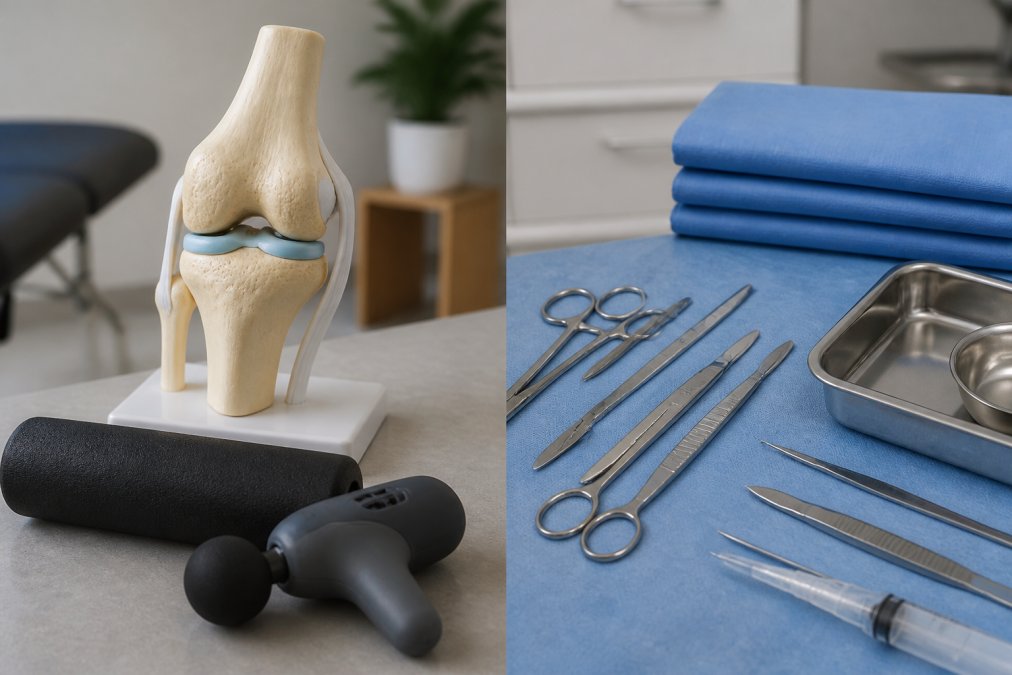
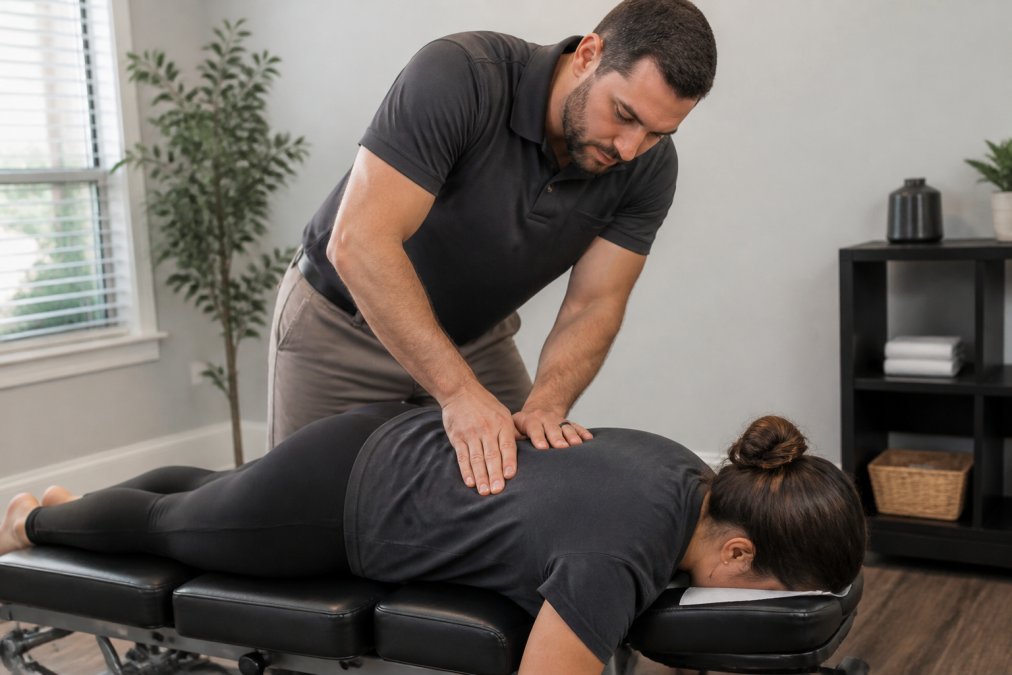
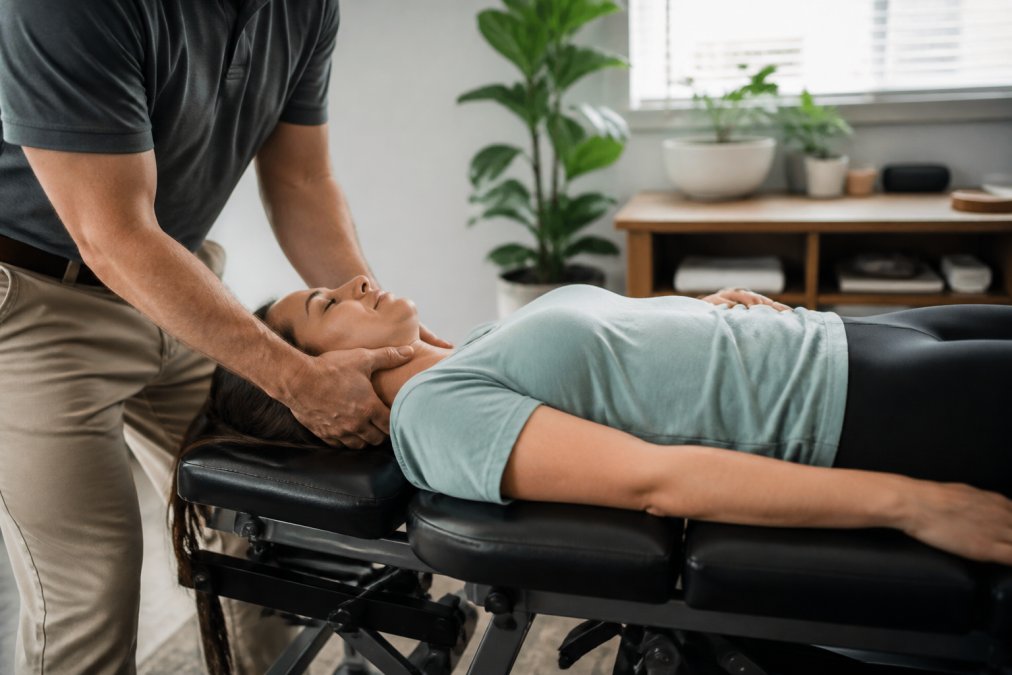
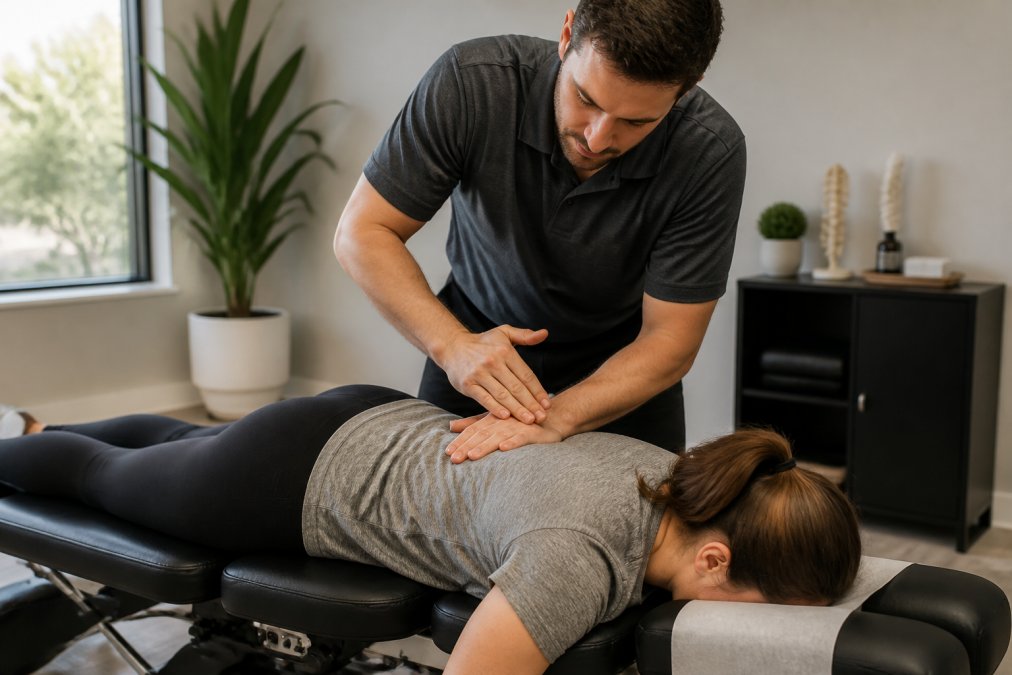
When neck pain arises, a range of treatment options are available, depending on the severity and underlying cause. Conservative approaches include rest, ice or heat therapy, and over-the-counter pain relievers. Physical therapy is often recommended to improve strength, flexibility, and posture. Manual therapies, such as chiropractic adjustments or massage, can provide relief for some individuals. In cases of persistent or severe pain, a healthcare provider may suggest prescription medications or injections to reduce inflammation. Surgery is rarely needed but may be considered for conditions like herniated discs or spinal stenosis that do not respond to other treatments. Complementary therapies, such as acupuncture or yoga, may also help manage symptoms. It’s important to consult a qualified professional to determine the most appropriate treatment plan for your specific needs. Early intervention and adherence to recommended therapies can promote recovery and restore cervical spine health.
Table: Quick Reference to Cervical Spine Health Tips
| Tip | Benefit |
|---|---|
| Maintain good posture | Reduces strain on neck muscles and joints |
| Take regular breaks from screens | Prevents stiffness and fatigue |
| Use ergonomic furniture | Supports proper alignment |
| Stretch and strengthen neck muscles | Improves flexibility and resilience |
| Sleep on a supportive pillow | Maintains natural neck curve |
When to Seek Professional Help
While many cases of neck pain resolve with self-care, certain symptoms warrant prompt medical attention. Seek professional help if you experience severe or persistent pain, numbness or tingling that radiates into your arms or hands, or weakness in your limbs. Sudden onset of neck pain following an injury, such as a fall or car accident, should be evaluated immediately. Difficulty swallowing, loss of bladder or bowel control, or unexplained weight loss are also red flags that require urgent assessment. Early diagnosis and intervention can prevent complications and support optimal cervical spine health. Healthcare providers can perform a thorough evaluation, recommend imaging if needed, and develop a personalized treatment plan. Don’t ignore warning signs, addressing issues early ensures the best possible outcome for your neck and overall well-being.
Lifestyle Adjustments for Lasting Cervical Spine Health
Adopting healthy lifestyle habits is key to maintaining cervical spine health over the long term. Incorporate regular physical activity, such as walking, swimming, or yoga, to keep your neck and back muscles strong and flexible. Limit time spent in one position by standing up and stretching every hour. Adjust your workstation to promote ergonomic alignment, with your monitor at eye level and your chair supporting your lower back. Practice stress management techniques, like deep breathing or meditation, to reduce muscle tension. Ensure you get adequate sleep on a supportive mattress and pillow. Avoid smoking, as it can impair blood flow to spinal tissues and delay healing. By making these adjustments, you can protect your cervical spine health and enjoy a more active, pain-free life. Small changes in daily routines can have a significant impact on your neck’s comfort and function.
Key Takeaways
Cervical spine health is essential for maintaining comfort, mobility, and productivity in both personal and professional life. By understanding the anatomy of your neck, recognizing early symptoms, and being aware of risk factors, you can take proactive steps to prevent and manage neck pain. Incorporate preventive strategies like good posture, regular movement, and ergonomic adjustments into your daily routine. Seek professional help when necessary and consider lifestyle adjustments for long-term wellness. Whether you’re a business owner, developer, or active member of the community, investing in cervical spine health will support your well-being for years to come. Stay informed, stay active, and make your neck health a priority every day.