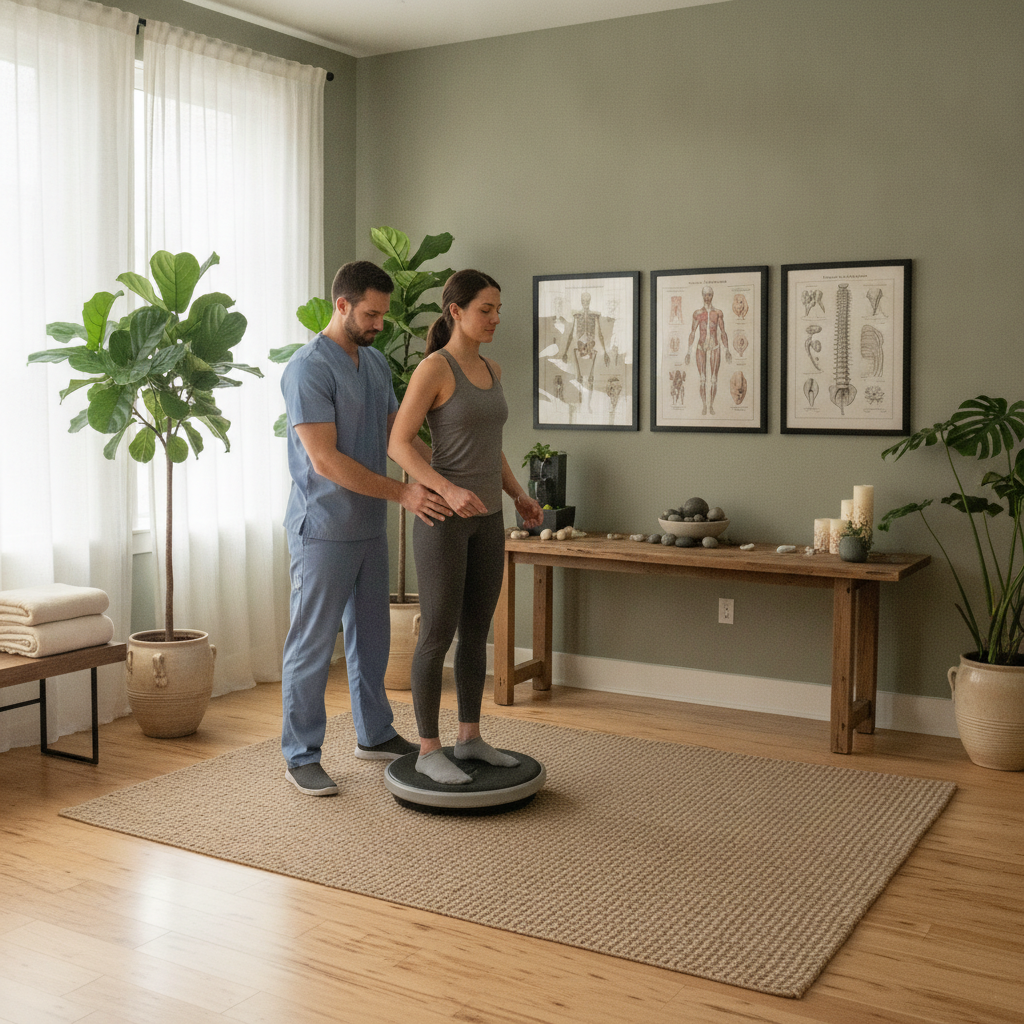

Chiropractic care has become an increasingly popular choice for individuals seeking natural, non-invasive solutions to musculoskeletal issues. Whether you’re a small business owner managing daily stress, a developer spending hours at a desk, or a resident looking for holistic ways to improve your well-being, understanding the range of chiropractic techniques available can empower you to make informed decisions about your health. This comprehensive guide explores chiropractic techniques San Antonio residents can access, what makes them effective, and how they can benefit a diverse community. We’ll break down the science, the methods, and the practical considerations so you can confidently choose the right approach for your needs. By the end, you’ll have a clear understanding of how chiropractic techniques San Antonio clinics offer can support your journey to better health and vitality.
Chiropractic Techniques San Antonio: Local Options and Benefits
The area is home to a dynamic range of chiropractic clinics, each offering unique approaches tailored to the needs of this vibrant community. Chiropractic techniques San Antonio providers use are designed to address everything from acute injuries to chronic pain, helping residents lead active, pain-free lives. Techniques such as spinal manipulation, diversified adjustments, and instrument-assisted therapies are commonly practiced, each with its own set of benefits for different conditions.
For small business owners and professionals, the daily grind can lead to back pain, neck stiffness, and even headaches. Chiropractic care can help by restoring proper alignment, improving posture, and reducing tension. Many clinics in the region also offer wellness programs that focus on long-term health, not just symptom relief. This holistic approach is particularly valuable for those who want to maintain peak performance at work and at home.
If you’re considering chiropractic care, it’s important to consult with a reputable provider. Clinics in the neighborhood often offer initial consultations to assess your needs and recommend the most effective techniques for your situation. For personalized support, you can reach out to Getmoorecare to explore your options and start your journey toward better health.
Chiropractic Techniques San Antonio, TX: Understanding the Core Methods
Chiropractic techniques San Antonio clinics utilize are grounded in both traditional and modern practices. The most widely used method is spinal manipulation, also known as chiropractic adjustment. This technique involves applying controlled force to joints, typically in the spine, to restore mobility and alleviate discomfort. Other core methods include the activator technique, which uses a handheld instrument to deliver gentle impulses, and flexion-distraction, a method effective for disc-related issues and lower back pain.
For those who spend long hours at a desk, such as developers and office workers, these techniques can provide significant relief from repetitive strain and postural problems. Some clinics also offer adjunct therapies like electrical stimulation, therapeutic ultrasound, and rehabilitative exercises to complement manual adjustments. These comprehensive services aim to address not only the symptoms but also the underlying causes of discomfort.
If you’re interested in learning more about how chiropractic care can address specific neurological or musculoskeletal concerns, check out this resource on chiropractic care for detailed insights into the benefits and applications of these techniques.
Chiropractic Techniques San Antonio Texas: A Closer Look at Advanced Approaches
Beyond traditional spinal adjustments, chiropractic techniques San Antonio Texas practitioners offer include advanced modalities that leverage the latest research and technology. For example, the Gonstead technique focuses on precise analysis and adjustment of the spine, while the Thompson Drop-Table technique uses a specially designed table to enhance comfort and effectiveness during treatment. These techniques are particularly beneficial for individuals with complex cases or those who have not found relief through conventional methods.
Instrument-assisted soft tissue mobilization (IASTM) is another innovative approach, using specialized tools to break down scar tissue and improve mobility. This method is often used for athletes or anyone recovering from injury. Additionally, many clinics in the area integrate lifestyle counseling, ergonomic assessments, and nutritional guidance into their care plans, recognizing that true wellness extends beyond the treatment table.
To see how these advanced spinal health practices are implemented in a modern clinical setting, take a virtual tour of a local clinic’s facilities and services by visiting spinal health practices. This can help you get a sense of what to expect and how these techniques are applied in real-life scenarios.
Choosing the Right Chiropractor: What to Look For
Selecting a chiropractor is a personal decision that should be based on qualifications, experience, and alignment with your health goals. Start by researching providers in your community, reading reviews, and asking about their approach to care. Look for practitioners who are licensed, have a track record of positive outcomes, and are willing to customize treatment plans to your unique needs.
It’s also important to consider the types of chiropractic techniques offered. Some clinics specialize in gentle, low-force methods suitable for seniors or children, while others focus on sports injuries or chronic pain management. Don’t hesitate to ask questions about their philosophy, the techniques they use, and their approach to patient education.
For those seeking a trusted provider in the region, you can learn more about Moore Chiropractic and their commitment to patient-centered care. Visiting a clinic in person or scheduling a consultation can help you determine if their approach is the right fit for you.
How Chiropractic Techniques Work: The Science Behind the Practice
Chiropractic techniques are based on the principle that proper alignment of the musculoskeletal system, particularly the spine, enables the body to heal itself without surgery or medication. Adjustments and manipulations are designed to restore joint mobility, reduce nerve irritation, and improve overall function. This hands-on approach is supported by a growing body of research demonstrating its effectiveness for conditions like lower back pain, neck pain, and tension headaches.
The science behind chiropractic care continues to evolve, with studies showing that spinal adjustments can positively impact nervous system function, enhance range of motion, and even boost immune response. For many residents, these benefits translate into improved quality of life and reduced reliance on pharmaceuticals. The key is finding a provider who stays up to date with the latest evidence-based practices and tailors care to your specific needs.
Understanding the underlying mechanisms of chiropractic techniques can help you appreciate the value they bring to holistic health and wellness. Whether you’re managing a chronic condition or seeking preventive care, the right approach can make a significant difference in your overall well-being.
Common Chiropractic Techniques Explained
Chiropractic care encompasses a variety of techniques, each suited to different conditions and patient preferences. Here’s a breakdown of some of the most common methods used by practitioners in the area:
- Spinal Manipulation: The classic adjustment technique involving controlled force to restore joint mobility.
- Activator Method: Uses a handheld device to deliver gentle, targeted impulses to specific areas.
- Flexion-Distraction: A gentle, non-thrusting technique ideal for disc injuries and lower back pain.
- Thompson Drop-Table: Utilizes a specialized table to assist with precise, comfortable adjustments.
- Gonstead Technique: Focuses on detailed analysis and correction of spinal misalignments.
- Instrument-Assisted Soft Tissue Mobilization (IASTM): Employs tools to address soft tissue restrictions and enhance mobility.
Each technique has its own indications, advantages, and suitability for different age groups or health conditions. Discussing your symptoms and goals with your chiropractor will help determine the best approach for your situation.
Chiropractic Techniques Table: Comparison of Popular Methods
| Technique | Description | Best For |
|---|---|---|
| Spinal Manipulation | Manual adjustment of the spine to restore mobility | Back pain, neck pain, headaches |
| Activator Method | Gentle impulses delivered with a handheld device | Sensitive patients, children, seniors |
| Flexion-Distraction | Non-thrusting technique using a movable table | Disc injuries, lower back pain |
| Thompson Drop-Table | Adjustments assisted by a drop-table mechanism | Comfort-focused adjustments |
| Gonstead Technique | Detailed analysis and correction of spinal misalignments | Complex cases, precise adjustments |
| IASTM | Instrument-assisted mobilization of soft tissues | Scar tissue, mobility issues |
This table provides a quick reference for comparing popular chiropractic techniques. Use it to discuss your options with your provider and make informed choices about your care.
Who Can Benefit from Chiropractic Techniques?
Chiropractic care is not just for those with back pain. People of all ages and backgrounds can benefit from the wide range of techniques available. Office workers, athletes, seniors, and even children can find relief from pain, improved mobility, and enhanced quality of life through chiropractic treatment. Common conditions addressed include sciatica, migraines, sports injuries, carpal tunnel syndrome, and posture-related issues.
For small business owners and developers, the demands of daily work can take a toll on the body. Chiropractic techniques San Antonio clinics offer can help prevent injuries, reduce stress, and support overall wellness. Many patients also report better sleep, improved focus, and greater energy after regular chiropractic sessions.
If you’re unsure whether chiropractic care is right for you, consult with a provider who can assess your health history and recommend appropriate techniques. Customized care plans ensure that each patient receives the most effective treatment for their unique needs.
Integrating Chiropractic Care with Other Wellness Strategies
Chiropractic techniques are most effective when integrated with other wellness strategies. Many clinics in the community encourage patients to combine chiropractic care with physical therapy, massage, exercise, and nutritional counseling. This holistic approach addresses the root causes of pain and dysfunction, promoting long-term health and resilience.
For example, a developer experiencing repetitive strain injuries might benefit from a combination of spinal adjustments, ergonomic workspace modifications, and targeted stretching routines. Similarly, athletes can enhance performance and prevent injuries by incorporating chiropractic care into their training regimen alongside strength and flexibility exercises.
The key is to view chiropractic techniques as one component of a broader wellness plan. By working with a team of health professionals, you can create a comprehensive strategy that supports your goals and adapts to your evolving needs.
What to Expect During Your First Chiropractic Visit
Your first chiropractic visit is an opportunity to discuss your health history, current symptoms, and wellness goals with your provider. The chiropractor will typically conduct a thorough examination, which may include physical assessments, posture analysis, and, if necessary, imaging studies like X-rays. Based on this evaluation, they’ll recommend a customized care plan that may involve one or more chiropractic techniques suited to your needs.
During the adjustment, you may hear a popping or cracking sound, which is simply the release of gas bubbles from the joints. Most patients experience immediate relief, though some may require several sessions to achieve optimal results. Your chiropractor will also provide guidance on self-care, exercises, and lifestyle modifications to support your recovery and prevent future issues.
Open communication is essential. Don’t hesitate to ask questions about the techniques being used, expected outcomes, or any concerns you may have. A good provider will ensure you feel comfortable and informed every step of the way.
Cost, Insurance, and Accessibility of Chiropractic Care
Understanding the cost and accessibility of chiropractic care is crucial for making informed decisions. Many insurance plans cover chiropractic services, especially when prescribed for medically necessary conditions. However, coverage can vary, so it’s important to check with your provider and the clinic before starting treatment.
For those without insurance, many clinics offer affordable self-pay options, package deals, or sliding scale fees to ensure care is accessible to all residents. Some employers even include chiropractic care as part of workplace wellness programs, recognizing its value in reducing absenteeism and improving productivity.
Accessibility is also a priority, with clinics located throughout the region and offering flexible hours to accommodate busy schedules. Whether you’re seeking preventive care or treatment for a specific issue, there are options available to fit your needs and budget.
Final Thoughts
Chiropractic techniques San Antonio residents have access to represent a blend of tradition, innovation, and personalized care. From classic spinal adjustments to advanced instrument-assisted therapies, the options are extensive and adaptable to a wide range of health needs. By understanding the methods, benefits, and practical considerations outlined in this guide, you’re well-equipped to make informed choices about your musculoskeletal health.
Whether you’re a small business owner, developer, or simply someone seeking to improve your quality of life, chiropractic care offers a path to greater comfort, mobility, and overall wellness. Take the next step by consulting with a trusted provider, exploring your options, and embracing a holistic approach to health. Your journey to better well-being starts with knowledge and the confidence to seek the care that’s right for you.