
Stress is an unavoidable part of modern life, especially for small business owners, developers, and anyone juggling the demands of work and personal responsibilities. But did you know that the connection between stress and spine health runs deeper than most people realize? Chronic stress can have a direct impact on your spine, affecting posture, muscle tension, and even leading to persistent back pain. Understanding how these two are linked is crucial for anyone looking to improve their overall well-being and maintain a healthy, pain-free lifestyle. In this article, we’ll explore the intricate relationship between stress and spine health, uncover the science behind it, and provide actionable strategies to help you manage both more effectively. Whether you’re dealing with tight deadlines, long hours at a desk, or the daily pressures of running a business, learning how to protect your spine from the effects of stress can make a world of difference. Let’s dive into the details and discover how you can take control of your health, starting with your spine.
Stress and Spine Health in San Antonio
Living in a bustling city like San Antonio brings unique challenges and opportunities for maintaining wellness. The demands of urban life, from traffic to tight work schedules, can elevate stress levels, which in turn can impact your spine health. Many residents find themselves sitting for extended periods, whether at a desk job, in meetings, or commuting. This sedentary lifestyle, combined with the pressures of daily life, can create a perfect storm for spinal issues.
When stress levels rise, the body often responds by tensing muscles, particularly in the neck, shoulders, and back. Over time, this tension can lead to misalignments in the spine, chronic pain, and reduced mobility. For small business owners and developers who may spend long hours in front of a computer, the risk is even higher. Understanding the connection between stress and spine health is the first step toward prevention and recovery.
If you’re looking for ways to improve your workspace ergonomics or seeking professional advice, you can visit our site for resources and tips tailored to your needs. By taking proactive steps, you can help ensure that stress doesn’t take a toll on your spine, allowing you to stay productive and comfortable throughout your day.
How Stress and Spine Health Interact in San Antonio, TX
In San Antonio, TX, the interplay between stress and spine health is a topic of growing interest among healthcare professionals and residents alike. Stress triggers a cascade of physiological responses in the body, many of which directly affect the musculoskeletal system. When you’re under stress, your body releases hormones like cortisol and adrenaline, which prepare you for a “fight or flight” response. While this reaction is helpful in emergencies, chronic activation can be harmful to your spine.
Prolonged stress can cause your muscles to remain in a state of tension, especially around the spinal column. This persistent tightness may lead to muscle imbalances, poor posture, and even nerve compression. Over time, these issues can result in pain, stiffness, and decreased flexibility. The connection between stress and spine health becomes even more apparent when considering how stress can exacerbate existing spinal conditions or delay recovery from injuries.
For those experiencing work-related injuries or chronic discomfort, understanding the Connection Between Stress and Spine is essential for effective treatment. Addressing both the physical and emotional aspects of stress can lead to better outcomes and a healthier, more resilient spine.
The Relationship Between Stress and Spine Health in San Antonio, Texas
San Antonio, Texas is home to a diverse population with varying lifestyles, but one common thread is the impact of stress on spine health. Whether you’re managing a business, developing software, or balancing family and work, chronic stress can manifest physically in ways that often go unnoticed until pain or discomfort arises. The region’s fast-paced environment can make it difficult to prioritize self-care, but it’s vital to recognize the signs of stress-related spinal issues before they escalate.
Research has shown that individuals under constant stress are more likely to adopt poor posture, experience muscle spasms, and develop tension headaches, all of which are closely linked to spinal health. The connection between stress and spine health is not just theoretical; it’s supported by both scientific studies and real-world experiences from people in this community. By learning to identify early warning signs, such as stiffness, soreness, or reduced range of motion, you can take steps to address the root causes and prevent long-term damage.
If you’re interested in privacy practices and how your health information is protected while seeking help for spine health, you can review the clinic’s spine health policy online. Being informed empowers you to make the best choices for your well-being while navigating the unique challenges of this city.
Why Local Residents Experience Stress-Related Back Pain
Many residents in the area experience stress-related back pain due to a combination of environmental, occupational, and lifestyle factors. For business owners and developers, the pressure to meet deadlines, manage teams, and stay ahead in a competitive market can lead to chronic stress. This stress often translates into physical symptoms, with the spine being one of the most affected areas.
Long hours spent sitting, lack of movement, and poor posture can all contribute to spinal discomfort. When stress is added to the mix, the body’s natural response is to tighten muscles, especially those supporting the spine. Over time, this can cause imbalances, misalignments, and even nerve irritation. The connection between stress and spine health is clear: the more stressed you are, the more likely you are to develop or worsen spinal issues.
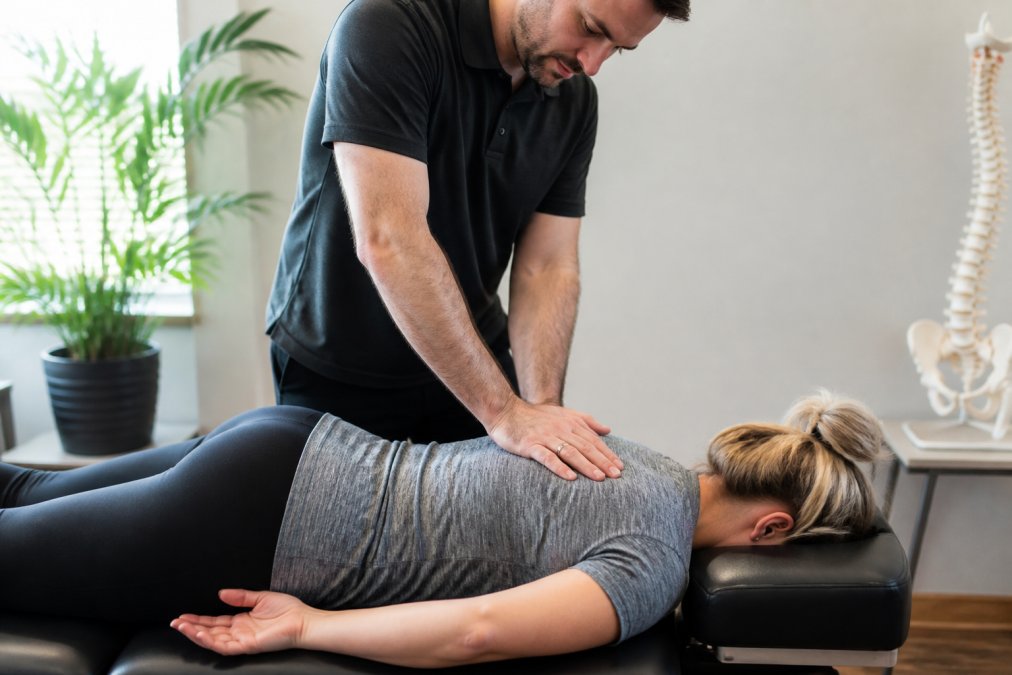
Seeking professional help can make a significant difference. Local clinics like Moore Chiropractic offer tailored solutions for those dealing with stress-induced back pain. By addressing both the mental and physical aspects of stress, you can achieve lasting relief and improved spine health.
The Science Behind Stress and Spine Health
Understanding the science behind stress and spine health can help you take proactive steps to protect your body. When you experience stress, your body releases hormones that prepare you for immediate action. While this response is beneficial in short bursts, chronic stress keeps your muscles in a constant state of readiness, leading to tension and fatigue.
This ongoing muscle tension can compress the spine, restrict blood flow, and limit the delivery of oxygen and nutrients to spinal tissues. Over time, these effects can contribute to degenerative changes, such as herniated discs or osteoarthritis. The connection between stress and spine health is further complicated by the fact that pain itself can be a source of stress, creating a vicious cycle that is difficult to break.
By understanding these physiological processes, you can better appreciate the importance of stress management techniques, such as regular exercise, mindfulness, and ergonomic adjustments. Taking a holistic approach to your health can help you maintain a strong, flexible spine and reduce the risk of chronic pain.
Common Symptoms of Stress-Related Spine Issues
Recognizing the symptoms of stress-related spine issues is the first step toward effective treatment. Common signs include persistent neck or back pain, headaches, muscle stiffness, and tingling or numbness in the extremities. These symptoms often develop gradually, making them easy to overlook until they become more severe.
Other indicators of stress-related spinal problems include poor posture, limited range of motion, and frequent muscle spasms. You might also notice that your pain worsens during periods of high stress or after long hours of sitting. The connection between stress and spine health means that addressing one can often improve the other.
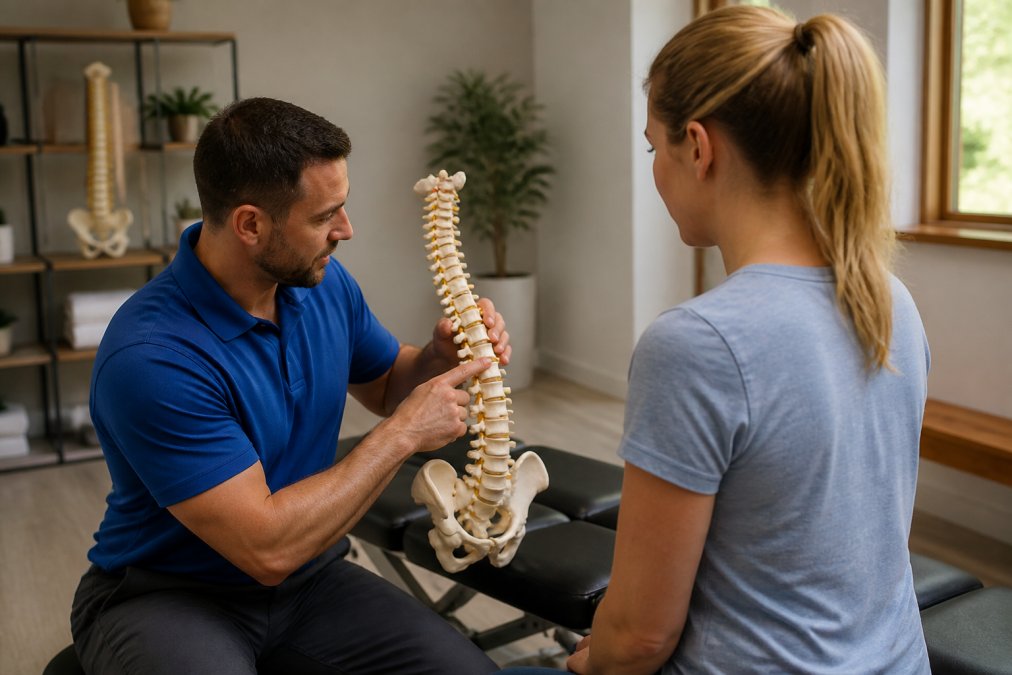
If you experience any of these symptoms, it’s important to consult with a healthcare professional who can assess your condition and recommend appropriate interventions. Early detection and treatment can prevent minor issues from developing into chronic problems, helping you maintain optimal spine health.
Table: Effects of Stress on Spine Health
| Stress Response | Impact on Spine | Potential Symptoms |
|---|---|---|
| Muscle Tension | Increased pressure on spinal joints | Back pain, stiffness |
| Poor Posture | Misalignment of vertebrae | Neck pain, headaches |
| Reduced Blood Flow | Decreased nutrient delivery | Fatigue, slow healing |
| Chronic Inflammation | Degeneration of spinal discs | Persistent pain, reduced mobility |
This table illustrates how different stress responses can directly impact spine health, leading to a variety of symptoms. Recognizing these patterns can help you take targeted action to protect your spine and overall well-being.
How Posture and Ergonomics Affect Stress and Spine Health
Maintaining proper posture and using ergonomic tools are essential for minimizing the negative effects of stress on your spine. Poor posture, such as slouching or hunching over a desk, places additional strain on the spinal column and surrounding muscles. Over time, this can lead to chronic pain and increase your vulnerability to stress-related injuries.
Investing in ergonomic furniture, such as adjustable chairs and desks, can help you maintain a neutral spine position and reduce muscle tension. Simple adjustments, like keeping your feet flat on the floor, aligning your monitor at eye level, and taking regular breaks to stretch, can make a significant difference. These strategies not only improve spine health but also help manage stress by promoting comfort and reducing fatigue.
Remember, the connection between stress and spine health is bidirectional. By improving your posture and ergonomics, you can break the cycle of pain and stress, leading to better productivity and overall wellness.
Practical Ways to Manage Stress for Better Spine Health
Managing stress effectively is one of the best ways to protect your spine health. Incorporating relaxation techniques, regular exercise, and mindfulness practices into your daily routine can help reduce muscle tension and improve your body’s resilience to stress.
- Practice deep breathing exercises to calm your nervous system and relax tight muscles.
- Engage in regular physical activity, such as walking, yoga, or swimming, to strengthen your back and improve flexibility.
- Take short breaks throughout the day to stretch and change positions, especially if you work at a desk.
- Prioritize sleep and maintain a consistent sleep schedule to support your body’s natural healing processes.
- Seek support from friends, family, or mental health professionals when stress becomes overwhelming.
Implementing these strategies can help you manage stress more effectively, reduce the risk of spine-related issues, and enhance your overall quality of life. Remember, small changes can make a big difference when it comes to your health.
When to Seek Professional Help for Stress and Spine Health
While self-care strategies are effective for many people, there are times when professional intervention is necessary. If you experience persistent or severe back pain, numbness, weakness, or loss of bladder or bowel control, it’s important to consult a healthcare provider immediately. These symptoms may indicate a more serious underlying condition that requires prompt attention.
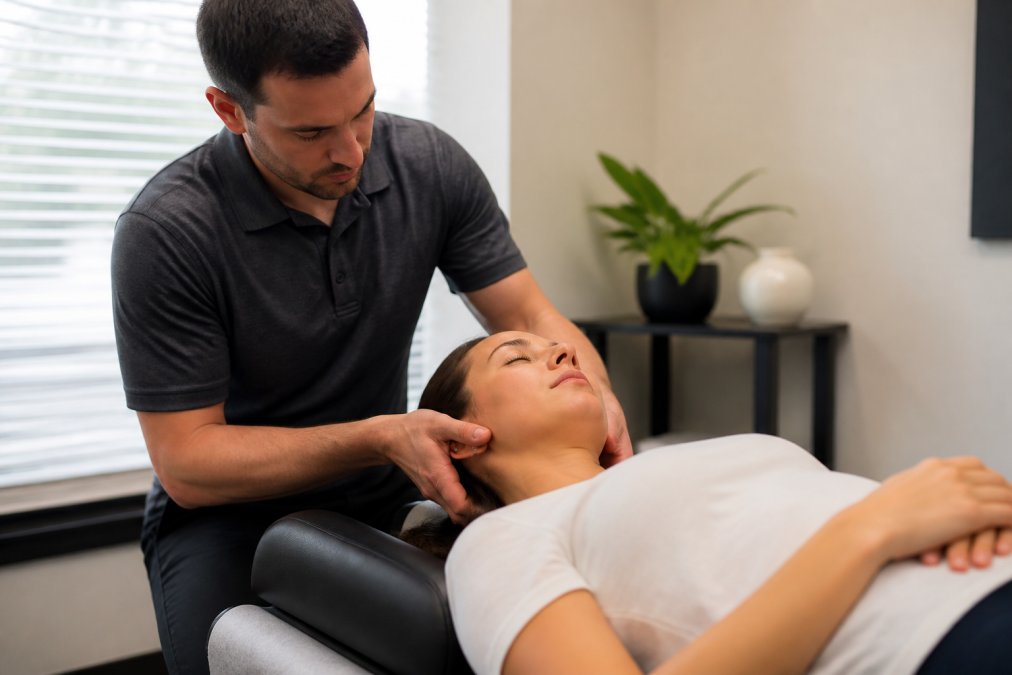
Chiropractors, physical therapists, and other healthcare professionals can provide targeted treatments to address both the physical and emotional aspects of stress-related spinal issues. They can also offer guidance on posture, ergonomics, and lifestyle modifications to help you achieve lasting relief.
Don’t hesitate to reach out for help if you’re struggling to manage stress or spine health on your own. Early intervention can prevent complications and set you on the path to recovery and improved well-being.
Building a Resilient Spine Through Lifestyle Choices
Building a resilient spine starts with making healthy lifestyle choices. Regular exercise, balanced nutrition, and adequate hydration all play a role in maintaining strong spinal structures and reducing the impact of stress. Incorporate strength training and flexibility exercises into your routine to support the muscles that stabilize your spine.
Mindfulness practices, such as meditation and yoga, can help you manage stress more effectively and improve your body’s awareness of posture and movement. By prioritizing self-care and making small, consistent changes, you can enhance your spine health and reduce the risk of stress-related injuries.
Remember, the connection between stress and spine health is ongoing. Staying proactive and attentive to your body’s needs can help you enjoy a pain-free, active lifestyle for years to come.
Key Takeaways
Understanding the connection between stress and spine health is essential for anyone seeking to improve their quality of life. Chronic stress can lead to muscle tension, poor posture, and a range of spinal issues, but with the right knowledge and strategies, you can take control of your health. Prioritizing stress management, maintaining good posture, and seeking professional help when needed are key steps toward a healthier spine. By staying proactive and making informed choices, you can break the cycle of stress and pain, allowing you to thrive both personally and professionally. Remember, your spine is the foundation of your body, take care of it, and it will support you through life’s challenges.