
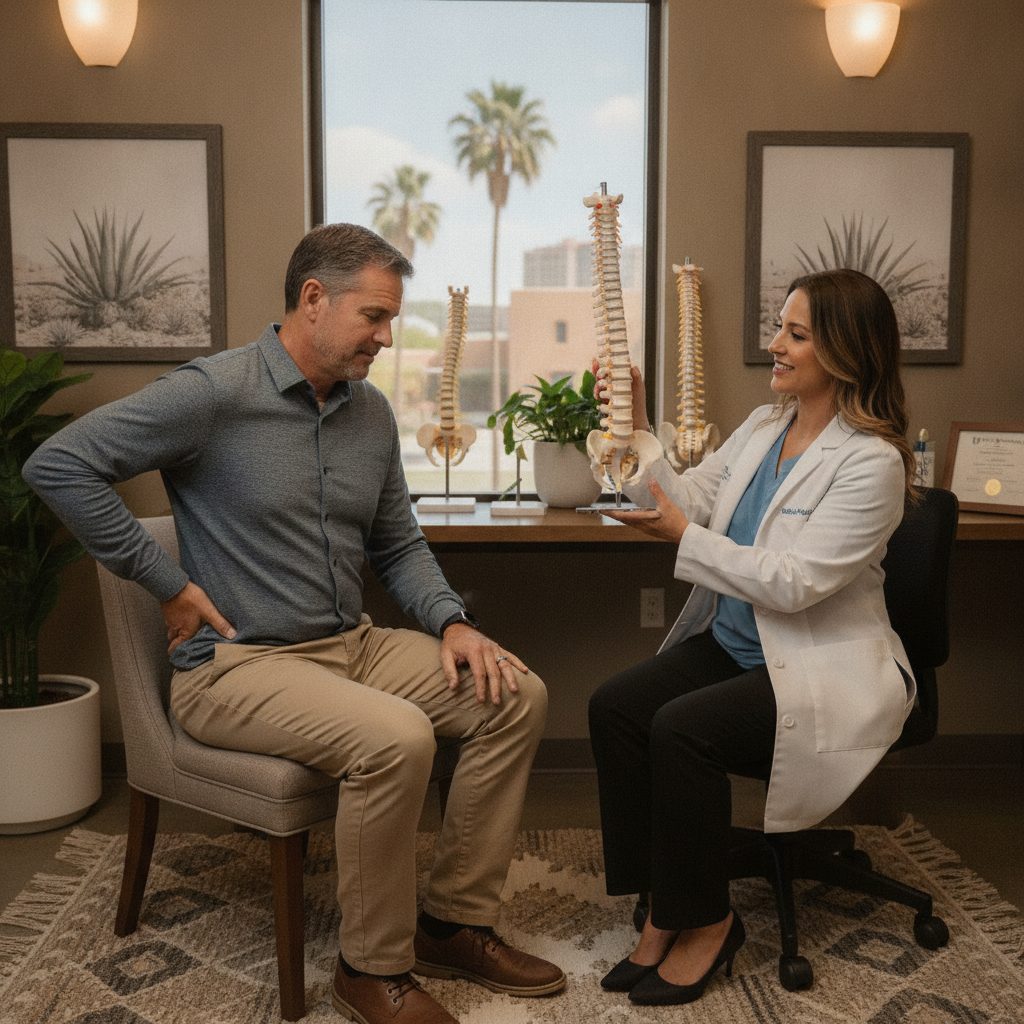
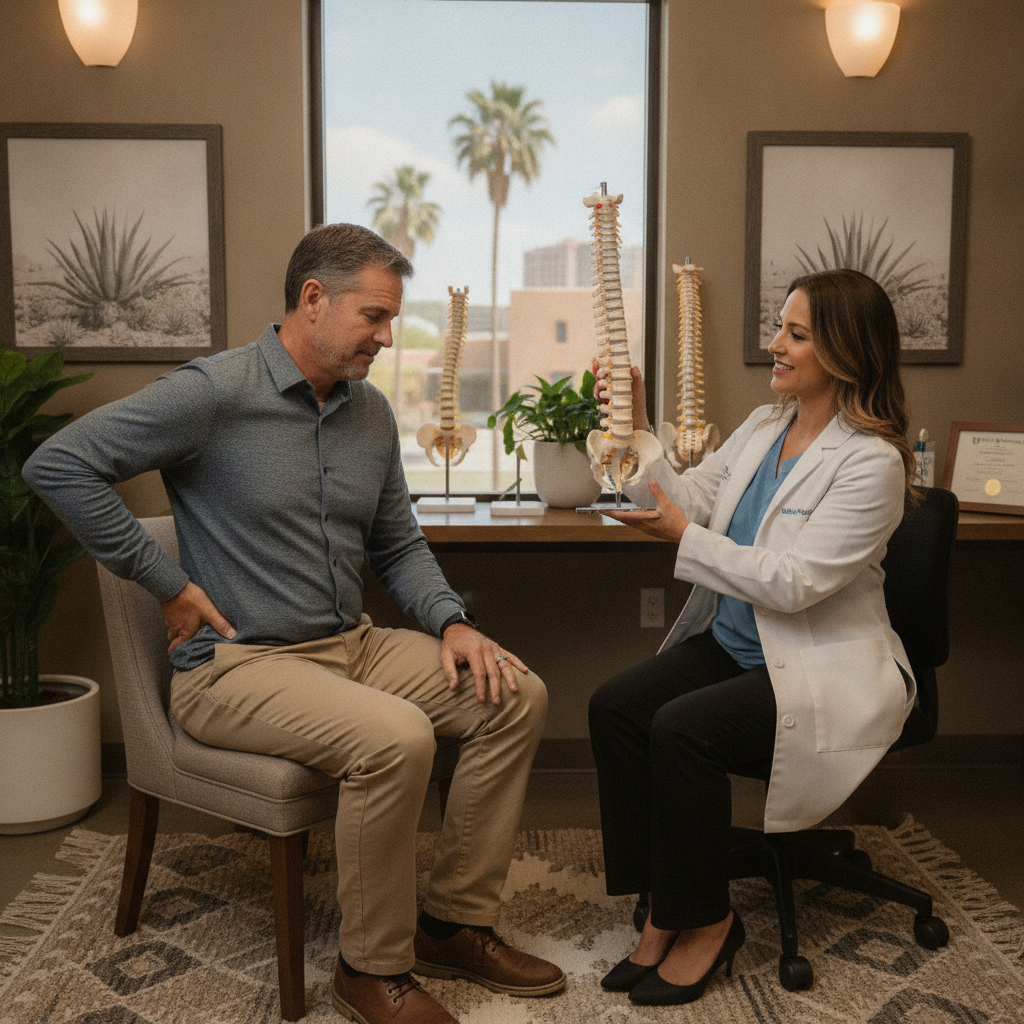
Back pain is a reality for millions of people, affecting everyone from busy small business owners to developers and everyday residents. If you’re searching for back pain treatment San Antonio TX, you’re not alone in wanting relief that lasts. But how do you know when it’s time to see a specialist instead of trying to tough it out or rely on home remedies? In this guide, we’ll explore what makes back pain more than just an inconvenience, the signs that indicate you should seek expert care, and how specialists can help you reclaim your mobility and quality of life. Whether you spend your days at a desk, on your feet, or juggling the demands of running a business, understanding your options can make all the difference. Let’s dive into the world of back pain, debunk some myths, and empower you to make informed choices for your health and well-being.
Recognizing the Difference Between Normal and Concerning Back Pain
Everyone experiences occasional aches, but not all back pain is created equal. It’s important to distinguish between the kind of soreness that comes from a long day and pain that signals something more serious. Normal back pain often resolves within a few days with rest, stretching, or over-the-counter remedies. However, if your pain is sharp, persistent, or accompanied by other symptoms like numbness, tingling, or weakness, it’s time to pay closer attention. These signs may point to underlying issues such as herniated discs, nerve compression, or even infections. Ignoring these symptoms can lead to chronic problems that are harder to treat down the road. For those who are unsure, consulting with a professional like Moore Chiropractic can help clarify whether your pain is routine or requires specialized intervention. Remember, early action is key to preventing long-term complications and restoring your comfort.
Common Causes of Back Pain in Today’s Workforce
Modern work environments present unique challenges for our backs. Desk workers often struggle with posture-related discomfort, while those in physically demanding roles may face repetitive strain or acute injuries. Prolonged sitting, improper lifting techniques, and inadequate ergonomic setups are frequent culprits. Even stress can contribute to muscle tension and exacerbate pain. Understanding the root cause of your discomfort is essential for effective treatment. For example, developers and office professionals might benefit from targeted ergonomic adjustments, while small business owners who are constantly on the move may need strategies to prevent overuse injuries. For those specifically seeking guidance, Chiropractic Care in San Antonio TX for Desk Workers: Fixing Posture, Stiffness, and Neck Tension offers tailored advice and solutions. Identifying your pain triggers is the first step toward lasting relief and improved productivity.
When to Seek a Back Pain Specialist in San Antonio
Knowing when to consult a back pain specialist can be the difference between a quick recovery and prolonged suffering. If your pain lasts longer than a few weeks, worsens over time, or interferes with your daily activities, it’s time to seek professional help. Additional red flags include pain that radiates down your legs, unexplained weight loss, fever, or loss of bladder or bowel control. These symptoms could indicate serious conditions that require immediate attention. A specialist can provide a thorough evaluation, including physical exams and diagnostic imaging, to determine the root cause of your pain. They’ll also develop a personalized treatment plan that may include physical therapy, chiropractic adjustments, or other non-invasive options. For those interested in alternatives to surgery, How Non-Surgical Spine Care Can Help Back Pain in San Antonio is a resource worth exploring. Don’t wait for your pain to become unbearable, early intervention leads to better outcomes.
How Specialists Diagnose Back Pain
A specialist’s approach to diagnosing back pain goes beyond simply asking about your symptoms. They start with a detailed medical history, exploring not just your current pain but also any past injuries, lifestyle factors, and daily habits. Physical examinations are tailored to assess your range of motion, reflexes, and muscle strength. In some cases, advanced imaging techniques such as X-rays, MRI, or CT scans may be recommended to get a clearer picture of what’s happening inside your spine. These tools help pinpoint issues like disc herniations, spinal stenosis, or degenerative changes. By combining clinical expertise with technology, specialists can differentiate between muscular pain, nerve involvement, and structural problems. This comprehensive evaluation ensures that your treatment plan addresses the true source of your discomfort, rather than just masking symptoms. Accurate diagnosis is the foundation for effective, long-lasting relief.
Non-Surgical Treatment Options for Lasting Relief
Many people are relieved to learn that most cases of back pain can be managed without surgery. Specialists often recommend a combination of physical therapy, chiropractic care, and lifestyle modifications to promote healing. Physical therapy focuses on strengthening core muscles, improving flexibility, and correcting movement patterns that contribute to pain. Chiropractic adjustments can help restore proper alignment, reduce nerve irritation, and enhance mobility. Other non-invasive options include massage therapy, acupuncture, and targeted exercise programs. For those with chronic pain, cognitive behavioral therapy may also be beneficial in addressing the psychological aspects of discomfort. The key is a personalized approach that takes into account your unique needs, work demands, and health goals. By exploring these non-surgical avenues, you can often achieve significant improvement without the risks and downtime associated with invasive procedures.
The Role of Chiropractic Care in Back Pain Management
Chiropractic care is a cornerstone of non-surgical back pain management, offering a holistic approach that addresses both symptoms and underlying causes. Chiropractors use hands-on techniques to adjust the spine, relieve pressure on nerves, and promote natural healing. These adjustments are often combined with therapeutic exercises, ergonomic advice, and lifestyle counseling to maximize results. For small business owners and developers who spend long hours at a desk or on their feet, chiropractic care can help correct postural imbalances and prevent recurrent pain. Many patients report not only reduced discomfort but also improved energy, focus, and overall well-being. By working closely with a chiropractor, you can develop a proactive plan to maintain spinal health and minimize future flare-ups. This collaborative approach empowers you to take control of your recovery and build habits that support long-term comfort.
Understanding When Surgery Is Necessary
While most back pain responds well to conservative treatment, there are situations where surgery becomes the best option. Surgery may be considered if you have severe structural problems, such as a herniated disc compressing a nerve, spinal instability, or fractures. Other indications include persistent pain that doesn’t improve with non-surgical methods or progressive neurological symptoms like weakness or loss of function. Specialists will thoroughly evaluate your condition and discuss the risks and benefits of surgical intervention. It’s important to ask questions, understand your options, and seek a second opinion if needed. Advances in minimally invasive techniques have made many procedures safer and recovery times shorter. However, surgery is typically reserved for cases where other treatments have failed or when there is a clear anatomical issue that can be corrected surgically. Your specialist will guide you through the decision-making process to ensure the best possible outcome.
Lifestyle Changes That Support a Healthy Back
Preventing and managing back pain often requires more than medical intervention, it’s about making sustainable lifestyle changes. Regular exercise, especially activities that strengthen your core and improve flexibility, is crucial. Pay attention to your posture, whether you’re sitting at a computer or lifting heavy objects. Ergonomic adjustments to your workspace, such as using supportive chairs and adjusting monitor height, can make a significant difference. Incorporate movement breaks throughout your day to reduce muscle stiffness and fatigue. Nutrition also plays a role; maintaining a healthy weight reduces strain on your spine, and staying hydrated supports disc health. Stress management techniques like mindfulness or yoga can help relax tense muscles and improve your overall well-being. By adopting these habits, you not only reduce your risk of future pain but also enhance your quality of life both at work and at home.
How to Choose the Right Specialist for Your Needs
Selecting the right back pain specialist is a critical step in your recovery journey. Start by considering the type of care you need, some patients benefit most from chiropractic care, while others may require physical therapy, pain management, or orthopedic evaluation. Look for providers with experience treating your specific condition and a track record of success. Ask about their approach to diagnosis, treatment options, and patient education. It’s also important to find a specialist who listens to your concerns and involves you in decision-making. Read patient reviews, seek recommendations from trusted sources, and don’t hesitate to schedule consultations with more than one provider. The right specialist will not only address your immediate pain but also help you develop a long-term plan for spinal health. Remember, effective communication and a collaborative relationship are key to achieving the best results.
What to Expect During Your First Specialist Visit
Your first visit to a back pain specialist is an opportunity to set the stage for effective treatment. Expect a thorough discussion of your symptoms, medical history, and lifestyle factors. The specialist will perform a physical examination, assessing your posture, range of motion, and neurological function. Diagnostic tests may be ordered if needed to clarify the cause of your pain. Be prepared to answer questions about when your pain started, what makes it better or worse, and how it affects your daily life. The specialist will explain their findings, outline your treatment options, and involve you in creating a personalized plan. This collaborative approach ensures that your care is tailored to your unique needs and goals. Don’t hesitate to ask questions or express any concerns, open communication is essential for building trust and achieving the best possible outcome.
| Symptom | Possible Cause | Recommended Action |
|---|---|---|
| Persistent pain over 2 weeks | Muscle strain, disc issues | Consult a specialist |
| Pain radiating down leg | Nerve compression | Seek immediate evaluation |
| Numbness or weakness | Nerve involvement | Specialist assessment needed |
| Fever with back pain | Infection | Urgent medical attention |
| Loss of bladder/bowel control | Serious nerve issue | Emergency care required |
Empowering Yourself for Better Back Health
Taking charge of your back health is about more than just responding to pain, it’s about making proactive choices that support your body every day. Stay informed about the latest research and treatment options, and don’t be afraid to advocate for yourself during medical appointments. Simple actions like staying active, practicing good posture, and listening to your body can prevent minor issues from becoming major setbacks. Build a support network of healthcare professionals, family, and colleagues who understand your goals and challenges. Remember, you don’t have to navigate back pain alone. By seeking timely care and embracing a holistic approach to wellness, you can enjoy greater comfort, productivity, and peace of mind. Your back is the foundation of your movement, give it the attention and care it deserves.
Final Thoughts
Back pain can disrupt every aspect of your life, but knowing when to seek a specialist and understanding your options puts you back in control. Whether you’re a small business owner, a developer, or someone simply striving for a pain-free life, timely intervention and a personalized approach are key. From recognizing warning signs to exploring non-surgical treatments and making lifestyle changes, you have the power to shape your recovery. The journey to lasting relief starts with knowledge, action, and the right support. Don’t let back pain hold you back, take the first step toward a healthier, more comfortable future today.