A sore shoulder that keeps you from reaching overhead, nagging low back pain after long workdays, or lingering stiffness after an accident can make even simple movement feel like a negotiation. This laser therapy guide explains how low-level laser and red light therapy may support the body’s recovery process, what a session feels like, and when this treatment may be worth discussing as part of a personalized care plan.
What Is Laser Therapy?
Therapeutic laser treatment uses specific wavelengths of light to deliver energy to targeted areas of the body. You may also hear it called low-level laser therapy, cold laser therapy, photobiomodulation, or red light therapy. While the names can vary, the goal is similar: to support cellular activity in tissues affected by pain, injury, inflammation, or overuse.
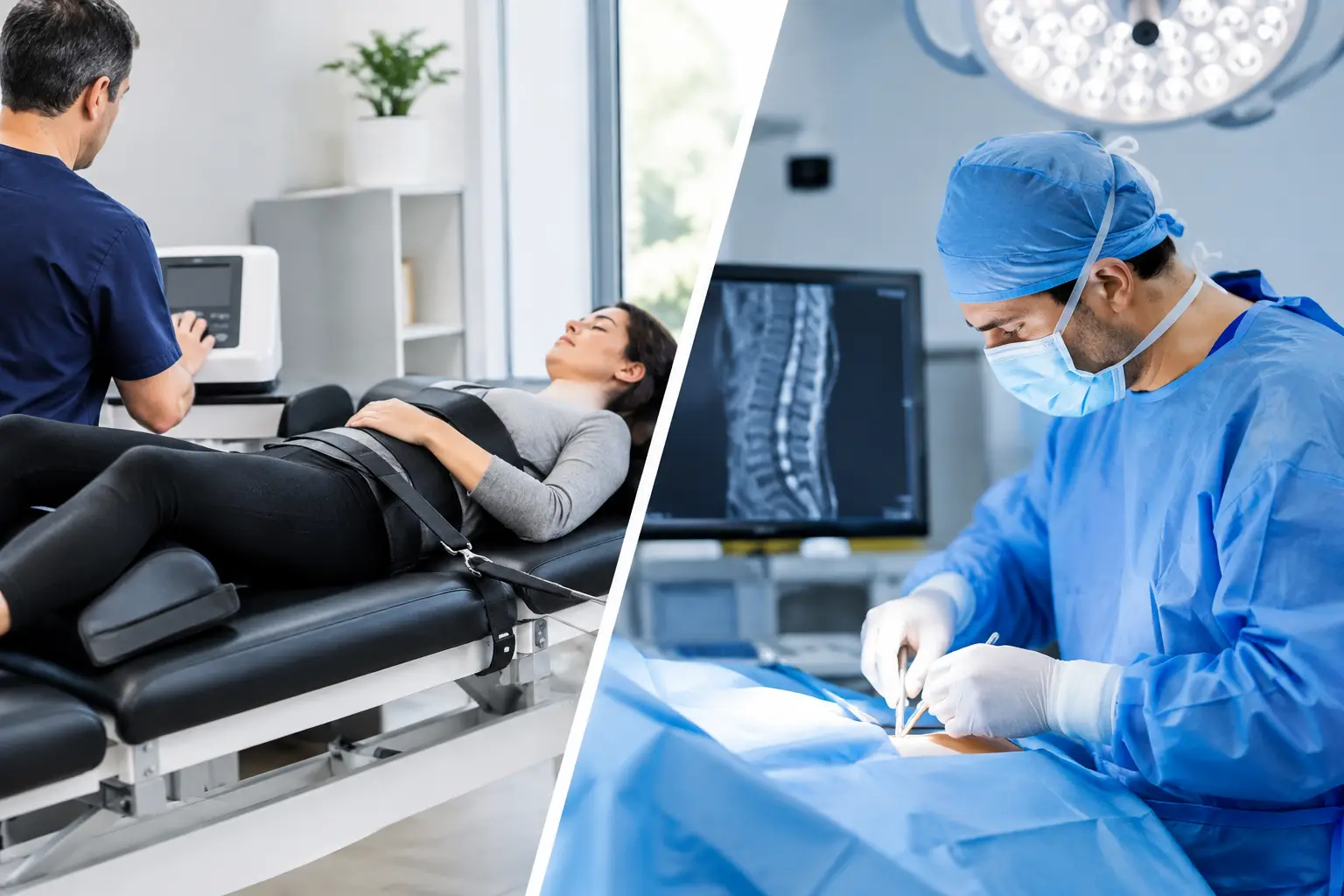
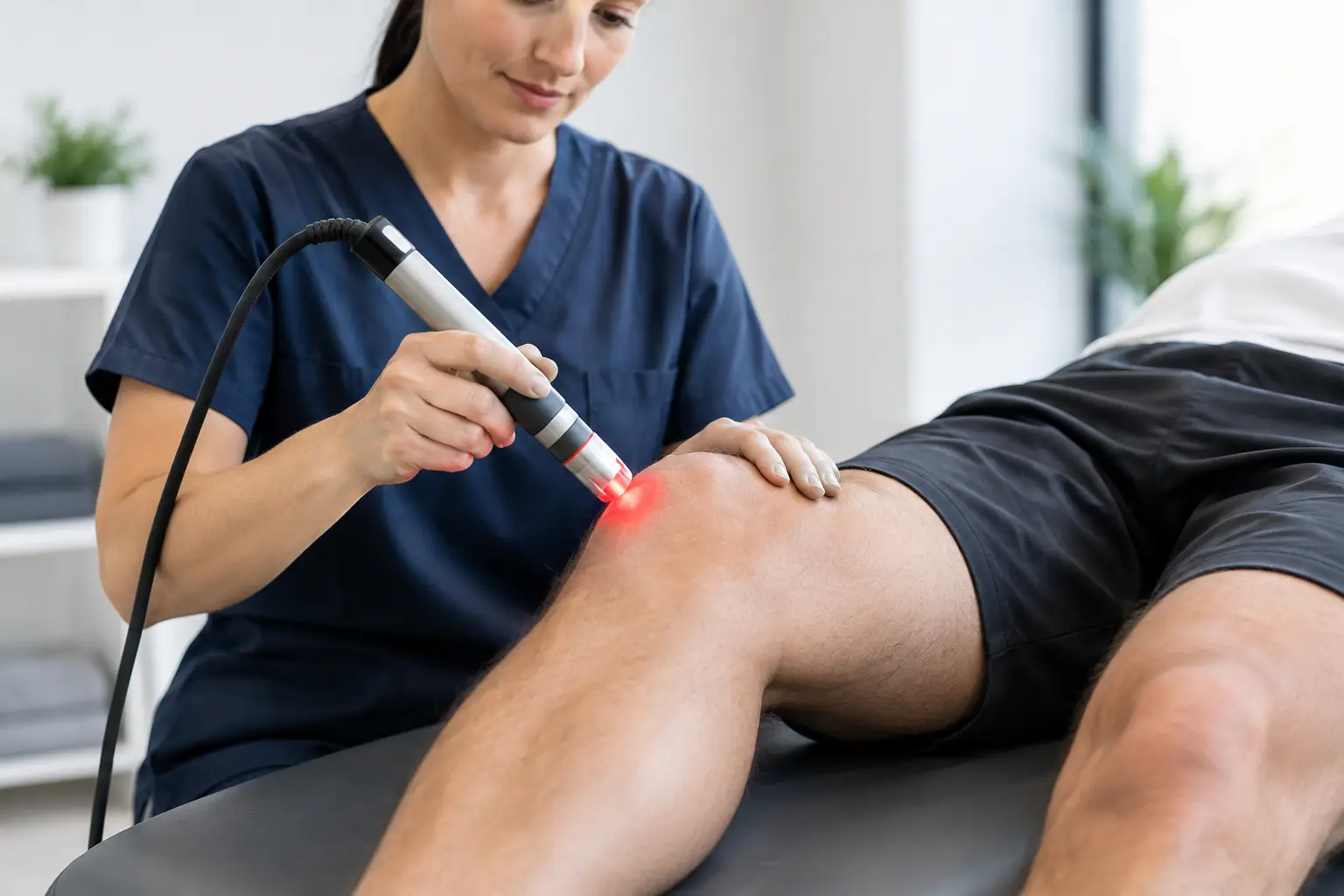
Unlike a surgical laser, therapeutic laser treatment is not designed to cut, burn, or remove tissue. Most patients feel little to no sensation during care. Depending on the device and treatment area, you may notice mild warmth, but treatment should be comfortable.
The light energy is applied to the skin over the area of concern. It is intended to influence how cells use energy and may support circulation and the body’s natural repair response. That is why laser therapy is often considered alongside chiropractic care, movement-based rehabilitation, and lifestyle guidance rather than as a stand-alone answer for every problem.
How Laser Therapy May Help Pain and Recovery
Pain is not always just a problem in one spot. A stiff neck can change how you hold your shoulders. An ankle injury can affect the way you walk. A painful low back may cause you to avoid movement, which can lead to more weakness and stiffness over time.
Laser therapy is used with the aim of helping calm irritated tissues and support recovery at the cellular level. Some patients report less soreness, improved comfort with movement, or a faster return to daily activities after a series of treatments. Results vary based on the condition, how long it has been present, the location of the problem, overall health, and whether the treatment plan addresses the underlying movement or joint issue as well.
For a recent injury, the focus may be helping manage discomfort while tissues heal. For a chronic issue, the goal may be to make movement more tolerable so a patient can participate more fully in adjustments, stretching, strengthening, or daily activity. Neither approach is a promise of an instant fix. Meaningful recovery usually takes a plan that matches the person, not just the diagnosis.
Conditions That May Be Considered for Treatment
A provider may recommend laser therapy for a range of musculoskeletal concerns, including back or neck discomfort, shoulder and knee pain, tendon irritation, repetitive-strain injuries, plantar foot pain, carpal tunnel symptoms, sciatica-related discomfort, sports injuries, and soreness after an auto accident.
It may also be considered when muscle tightness, joint irritation, or soft-tissue inflammation is limiting normal function. For example, a San Antonio worker with elbow pain from repetitive lifting may need more than temporary pain relief. Care may include reducing irritation, improving movement in nearby joints, and addressing the lifting or workstation habits that continue to aggravate the area.
Laser therapy is not a substitute for emergency care, imaging when clinically necessary, or evaluation of serious symptoms. Sudden weakness, loss of bowel or bladder control, severe unrelenting pain, unexplained swelling, fever, or symptoms following a major trauma deserve prompt medical attention.
What Happens During a Laser Therapy Visit?
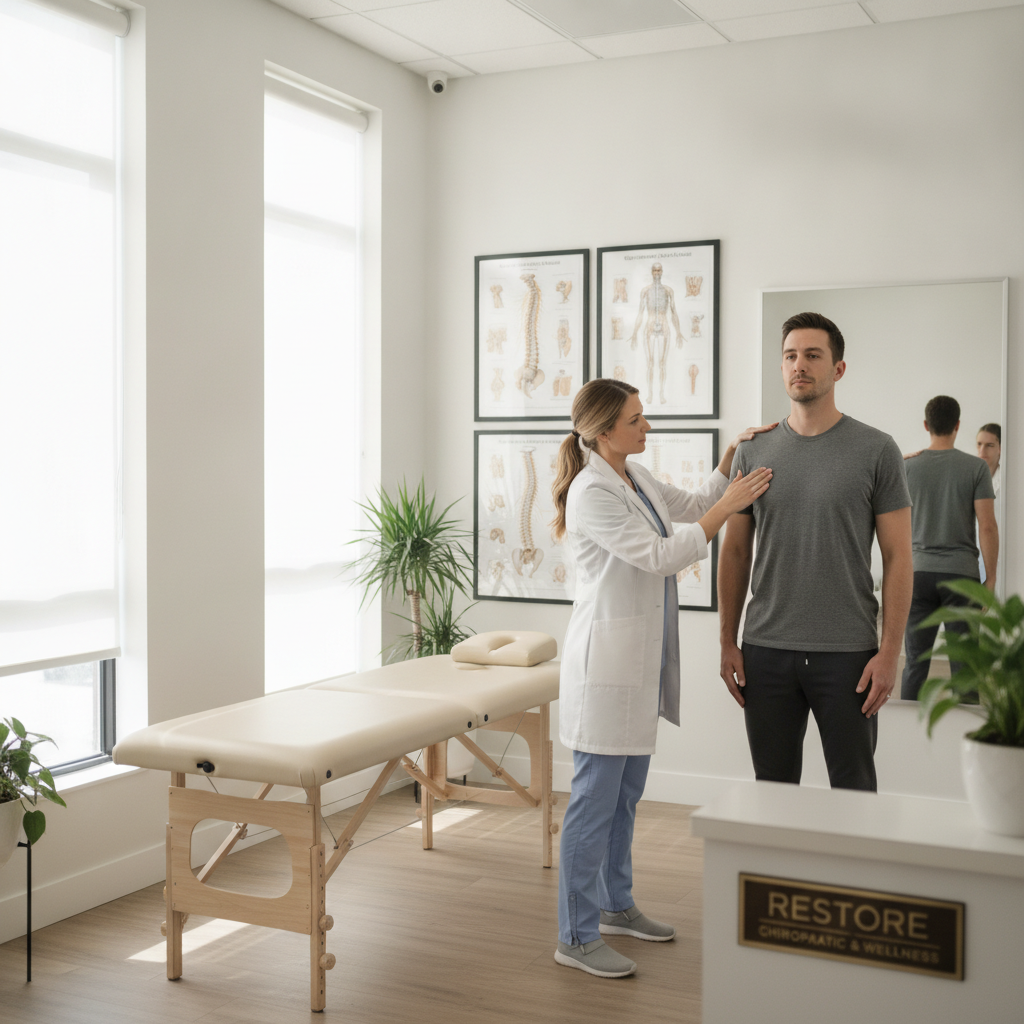
Your first visit should start with a conversation, not a rushed treatment. A provider needs to understand where your pain is, what brings it on, how long it has been present, and how it affects work, sleep, exercise, and family life. They may also assess posture, mobility, strength, joint motion, and areas of tenderness.
During treatment, the laser applicator is placed over the skin in the targeted area. The provider may hold it in one location or move it gradually over several points. Protective eyewear is generally used because the eyes should not be exposed to therapeutic laser light.
Sessions are often brief, commonly lasting several minutes per area, though the exact time depends on the device, the tissue being treated, and the care plan. You can typically return to regular daily activities afterward. Some people notice a change quickly, while others experience gradual improvement after several visits.
A good plan also includes reassessment. If your function, pain level, or ability to move is not improving as expected, the approach should be adjusted. Patient-centered care means paying attention to what your body is telling us rather than continuing a treatment simply because it was on the original schedule.
Laser Therapy Guide: What Results Are Realistic?
The most realistic expectation is support, not a miracle. Laser therapy may help reduce pain sensitivity and make it easier to move, but it cannot erase every cause of pain. A herniated disc, old injury, arthritis-related joint changes, poor sleep, stressful work demands, and deconditioning can all influence how someone feels and heals.
Some conditions respond well to a short treatment series, especially when they are addressed early. Long-standing pain often requires more patience. If an injury has affected your movement for months or years, your body may need time and consistent care to rebuild strength, confidence, and tolerance for activity.
Progress should be measured beyond a pain number. Can you turn your head farther while driving? Walk the dog without stopping? Sleep more comfortably? Pick up your child, return to the gym, or finish a work shift with less discomfort? These functional changes often matter most.
Why Laser Therapy Works Best as Part of a Plan
A treatment that focuses only on the sore spot can miss the larger pattern. If shoulder pain is connected to poor upper-back movement, weak stabilizing muscles, or repetitive overhead work, treating the shoulder alone may provide only temporary improvement.
At Moore Chiropractic, laser and red light therapy may be paired with gentle chiropractic adjustments, mobility work, recovery guidance, and recommendations that fit the patient’s daily demands. The combination depends on the person. An athlete recovering from a strain may need a different plan than a driver with whiplash symptoms or a parent with ongoing low back pain.
Your care plan should also respect your comfort level. Some people are nervous about chiropractic treatment or have never tried laser therapy before. Clear explanations, gentle techniques, and the ability to ask questions are part of effective care. You should understand what is being recommended, why it may help, and what signs of progress to watch for.
Safety and When to Speak Up
When provided by a trained professional, therapeutic laser treatment is generally well tolerated. Still, it is not appropriate for every person or every area of the body. Your provider should review your health history, medications, pregnancy status, skin concerns, and any history of cancer or light sensitivity before treatment.
Tell your provider about new symptoms, changes in your health, or discomfort during a session. Laser therapy should not be applied directly over the eyes, and special precautions may be needed around certain areas or medical conditions. Honest communication helps your provider make the safest recommendation for you.
It is also reasonable to ask practical questions: How many sessions are being recommended? What is the goal of care? How will we know whether it is helping? What other treatments or home strategies should I use? A trustworthy answer recognizes that every body responds differently.
Pain can shrink your world one avoided movement at a time. The right care plan should help you feel more informed, more comfortable, and more capable of getting back to the activities that matter to you. If laser therapy is a fit for your needs, it can be one supportive step toward moving with greater confidence again.