
A sharp, burning ache that runs from your lower back down into a leg can stop a normal day in its tracks. Sitting at a desk becomes miserable, bending to tie a shoe feels risky, and sleep turns into a puzzle of pillows and positions. When the cause is a disc that has bulged or leaked out of its normal space, the first word many people hear from the internet is surgery. The reassuring truth is that most disc problems improve without an operation, and a wide menu of conservative options exists before anyone needs to consider the operating room.
If you are searching for back pain treatment San Antonio TX, this guide walks through the realistic, non-surgical paths people take to calm a herniated disc. We will cover what a herniated disc actually is, how symptoms differ from ordinary soreness, which hands-on and movement-based therapies are commonly used, what you can do at home, and how to judge whether a plan is working. We will also be honest about warning signs that mean you should skip the waiting game and seek urgent medical attention.
Think of this as a map rather than a prescription. Every spine is different, and the right sequence of care depends on your history, your job, your age, and what imaging and examination reveal. Use the information here to ask sharper questions, set sensible expectations, and feel less afraid of the unknown. Relief is often more reachable than it feels on your worst day, and informed patients tend to make calmer, better decisions about their recovery.
What a Herniated Disc Actually Is
Between each pair of vertebrae sits a disc that works like a cushion. It has a tough outer ring and a softer, gel-like center. A herniated disc happens when part of that inner material pushes through a weak spot in the outer ring, sometimes pressing on a nearby nerve root. People often call it a slipped or ruptured disc, though the disc does not truly slip out of place.
Herniation is common in the lower back because that region carries the most load, but it can also occur in the neck. Age-related drying of the discs, repetitive lifting, long hours of sitting, and sudden twisting movements all raise the risk. Interestingly, plenty of people have bulging discs on imaging and feel no pain at all. What matters most is whether the bulge irritates a nerve or inflames the surrounding tissue, which is why symptoms and exam findings guide care more than a picture alone.
Symptoms That Point Toward a Disc Problem
Ordinary muscle strain tends to feel like a dull, localized ache that eases with gentle movement. Disc-related pain often behaves differently. You may notice sharp or electric sensations, tingling, numbness, or weakness that travels along an arm or leg. Coughing, sneezing, or sitting for long periods can make it flare, while walking or changing position may bring brief relief.
Where the symptoms land offers clues. Pain that travels below the knee suggests a lower lumbar nerve root is irritated, while pain, numbness, or tingling in the shoulder, arm, or fingers may point to a neck disc. If you have ever wondered about What to Do About Back Pain That Radiates Into the Legs, the pattern of travel is a useful starting point for a clinician. Keep a simple log of when symptoms spike, what positions help, and any changes over days. That record makes your first appointment far more productive and helps separate a disc issue from joint or muscle trouble.
Why Conservative Care Usually Comes First
Many disc herniations shrink on their own over weeks to months as the body reabsorbs the displaced material and inflammation settles. Because of that natural tendency, most guidelines recommend starting with non-surgical care unless there are serious neurological red flags. Starting conservatively lets you avoid the risks, cost, and recovery time of an operation while giving the body a chance to do what it often does well.
A good conservative plan typically combines symptom relief with gradual restoration of movement. Early on, the goal is calming pain enough that you can move normally again. Later, the focus shifts to strengthening, flexibility, and habits that protect the spine from repeat episodes. Many people find that working with a Chiropractor in San Antonio, TX gives them a structured, hands-on path through those phases, paired with guidance they can apply between visits. Progress is rarely a straight line, so patience matters.
Hands-On Approaches to Easing Disc Pain
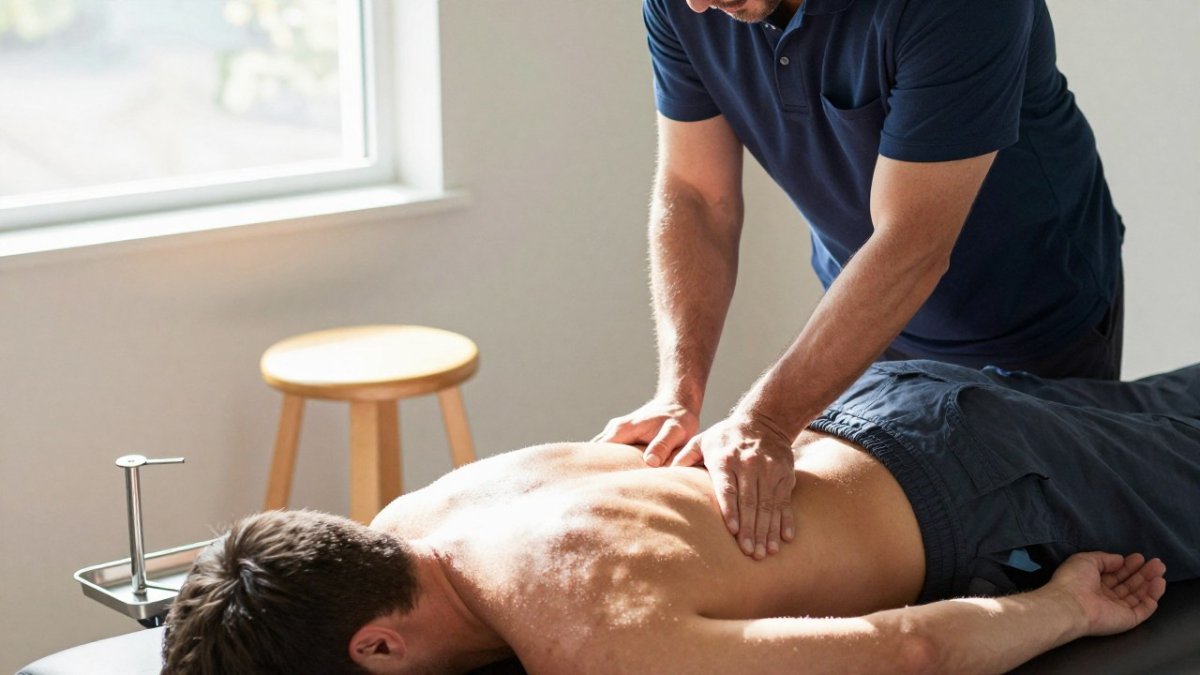
Manual therapies aim to improve how the spine moves and to reduce pressure on irritated tissues. Chiropractic adjustments, gentle mobilization, and soft tissue work are common examples. For disc-related complaints, practitioners often favor lower-force techniques and may use flexion-distraction, a method that gently stretches and moves the spine on a specialized table to create space around the affected segment.
Many patients exploring back pain treatment San Antonio TX options are surprised at how individualized the approach feels. Techniques are chosen based on your exam, your comfort, and how your symptoms respond. Any good provider will explain what they are doing, check your reaction after each visit, and adjust the plan if something is not helping. Hands-on care works best alongside movement and lifestyle changes rather than as a stand-alone fix, and it should never be forced through sharp pain.
Movement and Exercise as Medicine
Complete bed rest used to be common advice, but research and clinical experience now favor staying gently active. Short walks, light stretching, and guided exercises keep nutrients flowing to the discs and prevent the stiffness that makes recovery slower. The key is choosing movements that do not provoke the leg or arm symptoms.
Many therapists use directional preference, meaning they find the movement direction that reduces symptoms and repeat it in small, controlled doses. For some people that is gentle extension, such as lying on the stomach and propping up on the elbows. For others, bending forward is more comfortable. Core stabilization exercises, like bird dogs and modified planks, build the deep muscles that support the spine. If you are starting from scratch, begin with just a few minutes at a time, and ask for a demonstration so your form protects rather than aggravates the disc.
Physical Therapy and Other Supportive Options
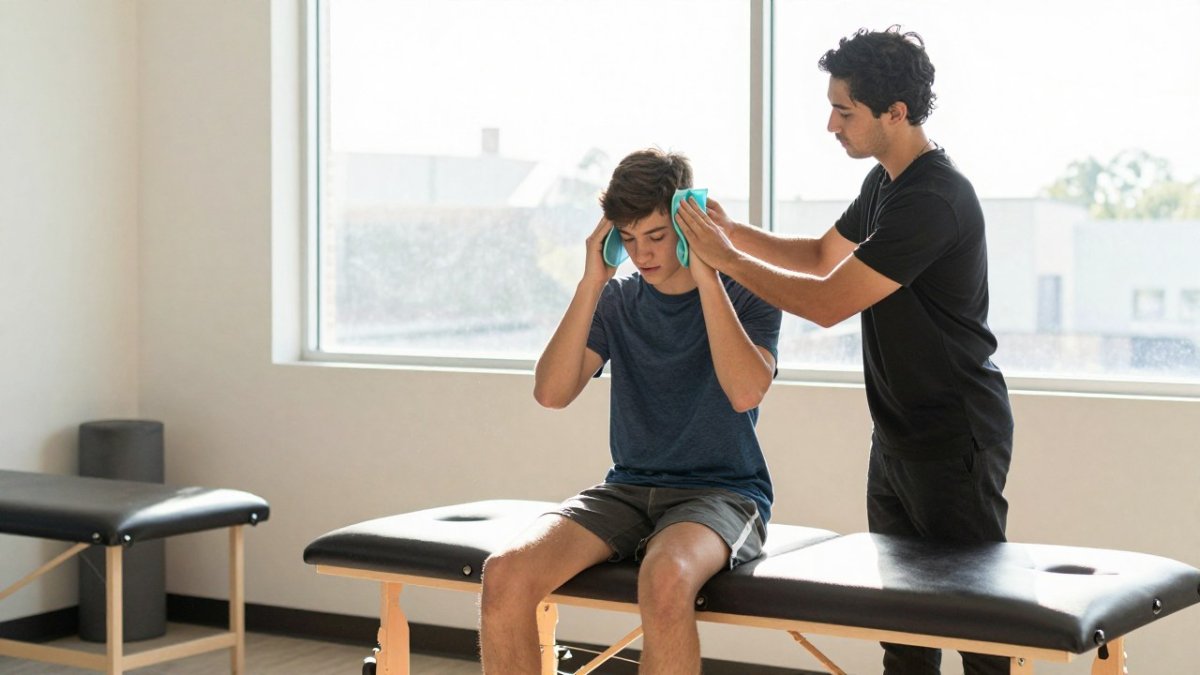
Beyond chiropractic work, several other conservative options are widely used. Physical therapy offers structured exercise progressions and education. Spinal decompression, delivered with a motorized table, aims to reduce pressure within the disc, though evidence varies and results differ between individuals. Heat, ice, and electrical stimulation can ease muscle guarding around a painful segment.
Medical options also belong in the toolbox. Over-the-counter anti-inflammatories can take the edge off for short periods when they are safe for you, and a physician may prescribe stronger medication or muscle relaxants for severe flares. When pain radiates intensely and does not respond to other measures, an epidural steroid injection can calm inflammation around the nerve and create a window for rehab. None of these choices has to be exclusive. Coordinating care between providers often produces the smoothest recovery.
Comparing Common Non-Surgical Options
With so many choices, a side-by-side view can help you see how each fits different needs. The table below summarizes typical roles, not guarantees, since individual results vary.
| Option | Main Goal | Typical Use |
|---|---|---|
| Chiropractic care | Improve spinal motion and reduce irritation | Early and ongoing stages |
| Physical therapy | Build strength and control | Recovery and prevention |
| Decompression therapy | Ease pressure on the disc | Stubborn or recurring cases |
| Medication | Control pain and inflammation | Short-term flare management |
| Epidural injection | Calm nerve inflammation | Severe radiating pain |
Smart Home Habits During Recovery
What you do between appointments can matter as much as what happens during them. Small daily adjustments reduce the load on a healing disc and keep flare-ups from undoing progress. Consider these practical habits:
- Change positions every 30 minutes instead of sitting for hours.
- Bend at the hips and knees when lifting, holding objects close to your body.
- Sleep on your side with a pillow between your knees, or on your back with a pillow under your knees.
- Use heat for stiff, achy muscles and ice for sharp, inflamed flare-ups.
- Take short, frequent walks rather than one long, exhausting outing.
Hydration, a balanced diet, and not smoking also support disc health, since discs depend on nearby blood vessels for nourishment. Avoid twisting while carrying weight, and be cautious with deep forward bends first thing in the morning when discs hold the most fluid and are more sensitive.
Preparing for Your First Visit
Walking into a first appointment with a little preparation helps you get more from it. Bring a list of current medications, any prior imaging or reports, and a short timeline of when symptoms began and what makes them better or worse. Wear comfortable clothing that allows easy movement.
It also helps to know which questions to raise. Resources like What to Ask During Your First Chiropractic Consultation in San Antonio can shape a thoughtful list, covering the proposed techniques, expected timeline, and how progress will be measured. A trustworthy provider will welcome those questions, explain findings in plain language, and refer you elsewhere if your presentation suggests another specialist is needed. Expect a thorough history and physical exam before any treatment begins.
Red Flags That Should Not Wait
Most disc problems are not emergencies, but a few symptoms demand prompt medical attention. Loss of control over your bladder or bowels, numbness in the groin or inner thighs, and rapidly worsening weakness in a leg or foot can signal serious nerve compression. These warrant an emergency evaluation rather than waiting for a routine appointment.
Also seek care promptly if pain follows a significant fall or accident, comes with fever or unexplained weight loss, or is severe enough that you cannot find any comfortable position. Persistent night pain that does not ease with rest deserves attention too. Honest self-awareness here is protective. Knowing the difference between a stubborn but manageable flare and a true warning sign lets you stay calm when it is appropriate and act quickly when it is not.
Setting Realistic Timelines and Tracking Progress
One of the hardest parts of disc recovery is patience. Many people notice meaningful improvement within a few weeks, but full resolution can take several months, and setbacks along the way are normal. Expecting a straight upward line sets people up for discouragement.
Track progress with practical markers rather than pain scores alone. Can you sit through a meal, walk a block farther, or sleep longer before waking? Is leg or arm numbness shrinking toward the spine rather than spreading outward? Movement toward the center, known as centralization, is generally a positive sign. If you see no improvement after several weeks of consistent care, or if symptoms worsen, it is reasonable to revisit the plan, request updated evaluation, or consider a second opinion.
Where to Go From Here
A herniated disc can feel alarming, especially when pain travels and sleep suffers. Yet the broader picture is encouraging. Most people improve with a thoughtful blend of hands-on care, guided movement, smart daily habits, and, when needed, medical support. Surgery remains an option for a minority of cases that fail conservative care or involve serious nerve compromise, but it is rarely the first step.
Start by getting a proper evaluation so your plan fits your actual diagnosis rather than a guess. Choose providers who listen, explain, and measure progress honestly. Keep moving within your comfort limits, protect your spine during everyday tasks, and learn the red flags so you can respond quickly if something changes. Recovery is rarely instant, but steady effort tends to pay off.
If you are weighing your choices locally, take your time, ask questions, and look for care that treats you as an individual rather than a diagnosis code. With patience, the right team, and consistent habits, many residents return to work, family life, and favorite activities without ever stepping into an operating room. Your spine has a remarkable capacity to adapt when given the right support, and a clear plan is the best place to begin.