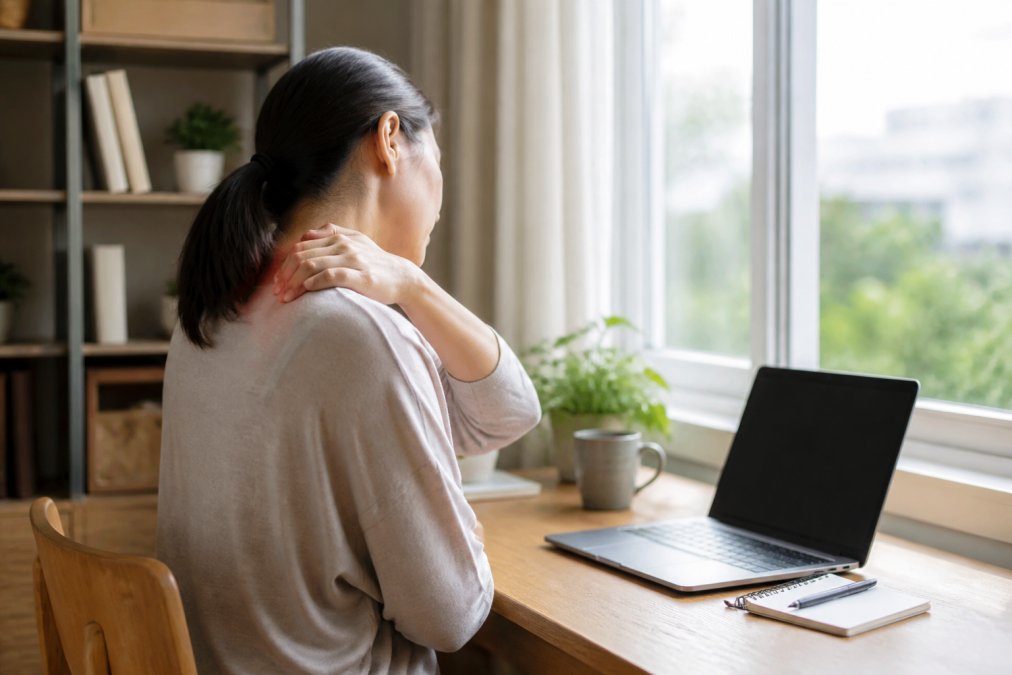
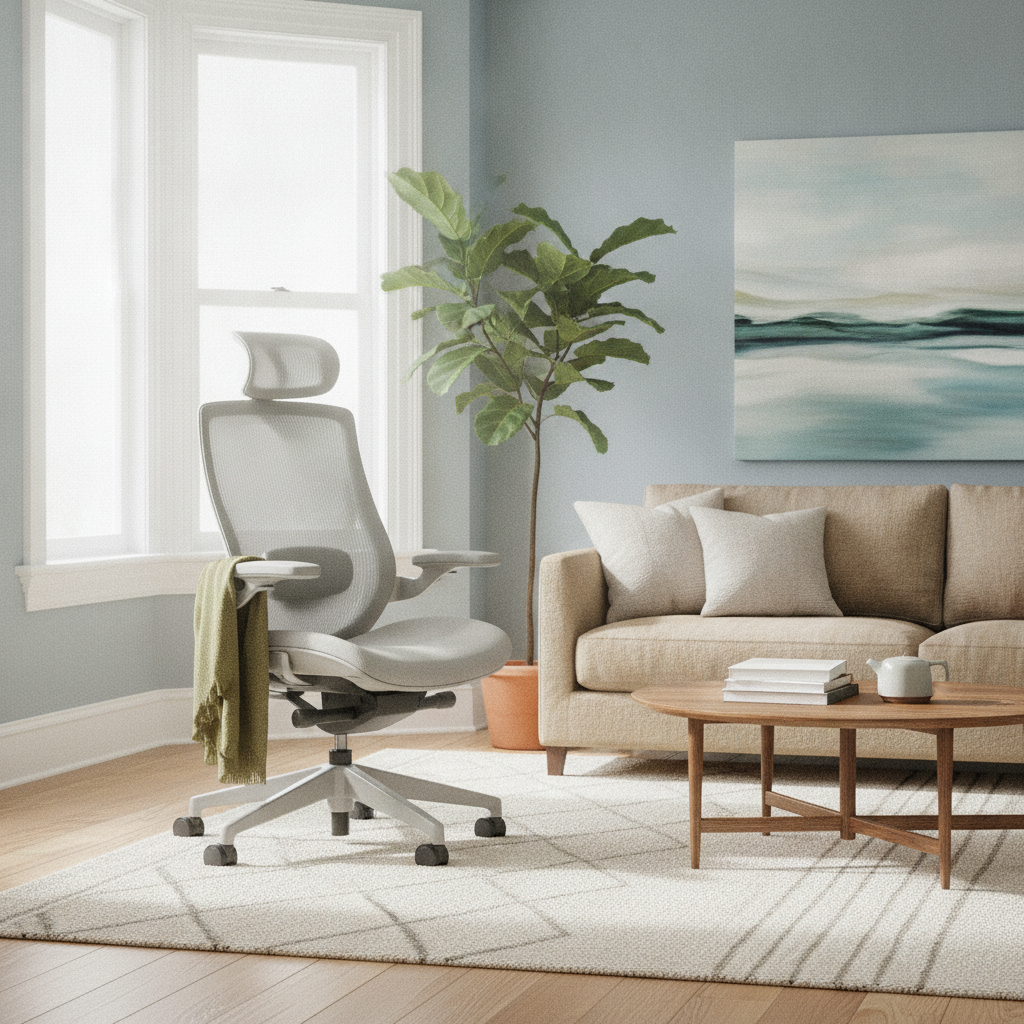
Back pain can be a daily challenge, especially for small business owners, developers, and anyone spending long hours at home. Many people don’t realize that the home environment plays a crucial role in either contributing to or alleviating back pain. By making thoughtful adjustments to your living and working spaces, you can significantly improve your comfort and reduce the risk of chronic pain. This article explores practical ways to adapt your home environment for back pain relief, offering actionable tips that fit a variety of lifestyles and budgets. Whether you’re setting up a home office, rethinking your living room layout, or considering ergonomic upgrades, you’ll find strategies here to help you feel better and move more freely. The focus keyword, home environment back pain, will guide our discussion throughout, ensuring you have the most relevant and effective advice for transforming your space. Let’s dive in and discover how small changes at home can lead to big improvements in your well-being.
Home Environment Back Pain Solutions in San Antonio
Understanding the connection between your home environment and back pain is the first step toward lasting relief. Many residents in this city spend significant time working from home or managing businesses, making it essential to create spaces that support spinal health. Simple changes, like adjusting the height of your desk or chair, can make a big difference. For instance, your monitor should be at eye level to prevent hunching, and your feet should rest flat on the floor when seated. These adjustments help maintain proper posture and reduce strain on your back. Additionally, organizing your workspace to minimize reaching and twisting can prevent unnecessary stress on your spine. For more expert guidance on Home Environment Back Pain, consult with professionals who specialize in ergonomic solutions. By prioritizing comfort and support in your home, you can create an environment that actively works to reduce back pain and enhance your productivity. For related information, see Home Environment Back Pain.
Creating a Back-Friendly Home Environment in San Antonio, TX
When adapting your home environment for back pain relief, it’s important to look at every area where you spend time. In this region, where home offices and remote work are common, ergonomic furniture is a smart investment. Choose chairs with lumbar support and desks that allow for comfortable arm positioning. Incorporating standing desks or adjustable workstations can help you alternate between sitting and standing, reducing pressure on your lower back. Don’t overlook other rooms, your living room and bedroom matter too. Arrange sofas and beds to promote good posture, and avoid slouching while watching TV or reading. Small changes, like adding cushions or using a supportive mattress, can have a big impact. For those seeking more comprehensive solutions for alleviating back pain at home, there are resources available to guide you through the process. By evaluating each space in your home, you can create a holistic environment that supports your spine and overall well-being. For related information, see alleviating back pain at home.
Optimizing Your Home Environment for Back Pain Relief in San Antonio, Texas
Optimizing your home environment for back pain relief means making intentional choices about your daily routines and surroundings. In this community, where busy lifestyles are the norm, it’s easy to overlook the small habits that contribute to discomfort. Start by evaluating your most-used spaces: is your kitchen setup encouraging you to bend or twist awkwardly? Are your frequently used items within easy reach? Simple reorganizations can minimize strain. Lighting also plays a role, well-lit rooms help you see clearly and maintain good posture, reducing the risk of slouching. For more detailed answers to common questions about creating a supportive environment, check out Getmoorecare. By taking a proactive approach to your home’s layout and your daily habits, you can make meaningful strides in managing back pain and improving your quality of life. For related information, see Getmoorecare.
Why Ergonomics Matter in Your Home Environment
Ergonomics is the science of designing spaces and tools to fit the human body, and it’s a key factor in addressing home environment back pain. Poor ergonomics can lead to muscle strain, fatigue, and chronic discomfort. Investing in ergonomic furniture, such as adjustable chairs and desks, helps maintain the natural curve of your spine. Keyboard and mouse placement should allow your wrists to stay straight and your arms to remain close to your body. Even small accessories, like footrests or monitor risers, can make a significant difference. If you’re unsure where to start, local specialists such as Moore Chiropractic can provide personalized recommendations. By prioritizing ergonomics in every room, you set yourself up for reduced pain and increased comfort throughout your day.
Choosing the Right Furniture for Back Support
Selecting furniture that supports your back is crucial for creating a pain-free home environment. Look for chairs with adjustable height and built-in lumbar support to maintain the natural alignment of your spine. Sofas should be firm enough to prevent sinking, which can strain your lower back. When choosing a mattress, opt for one that offers both comfort and support, medium-firm mattresses are often recommended for those with back pain. In the dining area, chairs with straight backs and proper seat height can prevent slouching during meals. If you have a home office, invest in a quality desk and consider using a sit-stand converter. Remember, the goal is to keep your body in a neutral position as much as possible. By thoughtfully selecting furniture, you can transform your space into a supportive environment that helps alleviate discomfort and promotes long-term spinal health.
Setting Up an Ergonomic Home Office
A well-designed home office is essential for anyone experiencing back pain, especially those who work remotely or run businesses from home. Start by positioning your desk and chair so that your screen is at eye level and your elbows are at a 90-degree angle. Your feet should rest flat on the floor, and your back should be fully supported by your chair. Use a keyboard tray or wrist rest to keep your wrists straight and reduce strain. Incorporate regular breaks into your routine to stand, stretch, and move around. Consider adding a standing desk or an anti-fatigue mat to vary your posture throughout the day. Keep your workspace clutter-free to avoid unnecessary reaching or twisting. By creating an ergonomic home office, you not only address home environment back pain but also enhance your productivity and overall well-being.
The Role of Lighting and Layout in Back Pain Prevention
Lighting and room layout are often overlooked factors in managing home environment back pain. Poor lighting can cause you to lean forward or adopt awkward postures, increasing strain on your back and neck. Ensure that your workspaces and living areas are well-lit, using natural light whenever possible. Arrange furniture to create clear pathways and reduce the need for bending or twisting. Keep frequently used items within easy reach to minimize stretching. In bedrooms, position nightstands and lamps so you can access them without straining. In the kitchen, organize shelves and cabinets to keep heavy or often-used items at waist height. Thoughtful layout and lighting adjustments can make your home safer and more comfortable, supporting your efforts to prevent and alleviate back pain.
Daily Habits That Support a Healthy Back at Home
Your daily routines play a significant role in managing home environment back pain. Simple habits, such as standing up and stretching every hour, can help counteract the effects of prolonged sitting. Practice good posture by keeping your shoulders back and your feet flat on the floor when seated. Avoid crossing your legs, as this can misalign your spine. Use supportive footwear, especially if you spend a lot of time standing or walking at home. Incorporate gentle exercises, such as yoga or Pilates, to strengthen your core and back muscles. When lifting objects, bend at your knees and keep the item close to your body to reduce strain. By making these small adjustments part of your daily routine, you can create a healthier home environment and reduce the risk of back pain over time.
Smart Storage Solutions for Back Pain Prevention
Organizing your home with smart storage solutions can have a big impact on home environment back pain. Place frequently used items at waist level to minimize bending and reaching. Use pull-out shelves, lazy Susans, and drawer organizers to make access easier. In closets, install double rods to keep clothing within easy reach, and use step stools for higher shelves instead of stretching. In the garage or utility areas, store heavy tools and supplies at a comfortable height. Consider using baskets or bins with handles for easier transport of items around the house. By streamlining storage and reducing the need for awkward movements, you can create a safer and more comfortable living space that supports back health and minimizes the risk of injury.
Incorporating Movement and Exercise Into Your Home Environment
Physical activity is a key component of managing home environment back pain. Designate a space in your home for stretching, yoga, or light exercise. Even a small area with a mat and some basic equipment can encourage you to move more throughout the day. Incorporate movement breaks into your routine, set reminders to stand up, walk around, or do a few gentle stretches every hour. Try exercises that target your core and back muscles, such as bridges, planks, or gentle twists. If you have stairs, use them for short bursts of activity. Movement helps keep your spine flexible and your muscles strong, reducing the likelihood of pain. By making exercise a regular part of your home environment, you support your back and overall health.
Comparing Home Environment Adjustments for Back Pain Relief
| Adjustment | Benefit | Ease of Implementation |
|---|---|---|
| Ergonomic Chair | Supports spine, reduces slouching | Moderate (requires purchase) |
| Standing Desk | Alternates posture, relieves pressure | Moderate (setup needed) |
| Lighting Upgrade | Prevents poor posture, eye strain | Easy (replace bulbs, reposition lamps) |
| Smart Storage | Reduces bending/reaching | Easy (reorganize existing space) |
| Movement Breaks | Relieves stiffness, strengthens muscles | Very Easy (set reminders) |
This table compares some of the most effective home environment adjustments for back pain relief. By evaluating ease of implementation and the benefits of each option, you can prioritize changes that fit your lifestyle and needs. Whether you choose to invest in ergonomic furniture or simply reorganize your space, every step you take brings you closer to a healthier, more comfortable home.
Final Thoughts
Adapting your home environment for back pain relief is a journey that starts with small, thoughtful changes. By focusing on ergonomics, supportive furniture, smart storage, and daily movement, you can create a space that nurtures your health and well-being. Remember, home environment back pain doesn’t have to be a permanent part of your life. With the right adjustments, you can enjoy greater comfort, productivity, and peace of mind. Take time to assess each area of your home, make gradual improvements, and seek professional guidance when needed. Over time, these efforts add up to a significant reduction in pain and a higher quality of life. Whether you’re a business owner, developer, or simply someone seeking relief, your home can become a powerful ally in your journey toward better back health.