Table of Contents
- Understanding Neck Stiffness and When Chiropractic Adjustment Helps
- What to Expect During a First Chiropractic Visit
- How Chiropractic Adjustment Works for Neck Stiffness
- Chiropractic Neck Adjustment Safety: What You Need to Know
- Neck Stiffness Recovery Timeline and Post-Adjustment Care
- Alternative and Complementary Techniques for Neck Stiffness
- When to See a Doctor Instead of a Chiropractor
- Conclusion
Last Updated: August 15, 2026
Understanding Neck Stiffness and When Chiropractic Adjustment Helps
Neck stiffness ranges from mild discomfort to chronic tension that interferes with daily activities. A chiropractic adjustment addresses the underlying joint and muscle dysfunction that creates restricted movement. When your cervical spine loses proper mobility, even simple movements like turning your head become difficult or painful.
Causes include desk work, poor posture, sleeping position, stress-related muscle tension, and past injuries. Some stiffness stems from muscle tension alone, while other cases involve joint dysfunction where vertebrae aren’t moving through their full range of motion. Understanding which type you’re dealing with helps determine whether chiropractic care is appropriate.
Chiropractic adjustment restores normal movement to restricted joints and reduces muscle tension that limits mobility. Many people find that a few targeted adjustments combined with at-home care eliminate stiffness that’s plagued them for months. People with acute stiffness from poor posture typically see rapid improvement, while those with chronic stiffness, arthritis, or previous neck trauma need careful assessment.
What to Expect During a First Chiropractic Visit
Initial Consultation and Assessment
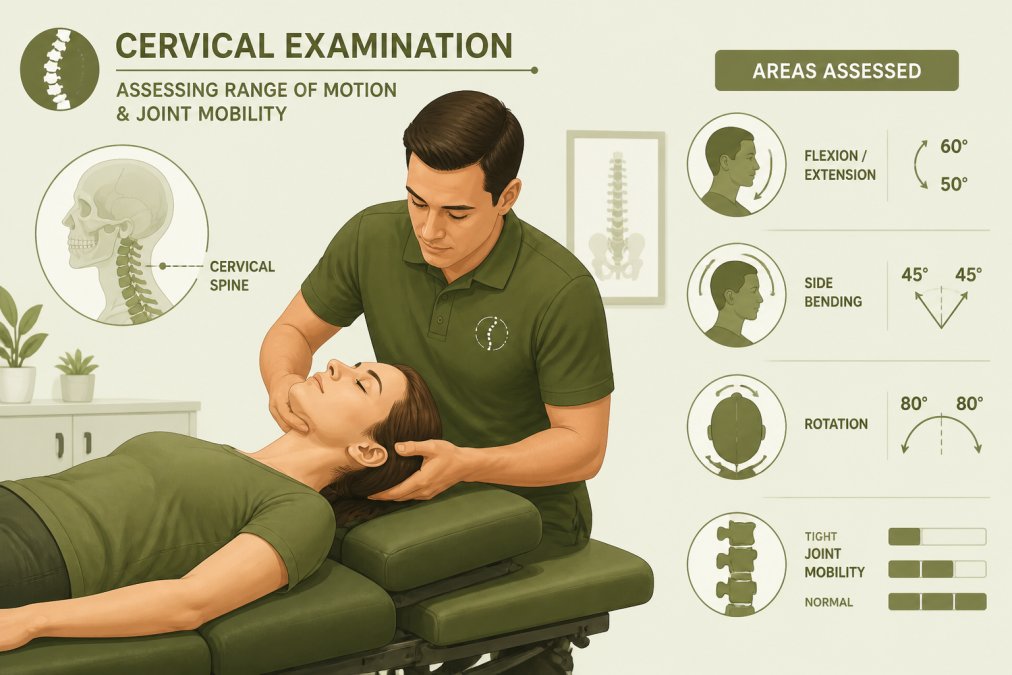
Your first appointment begins with a detailed history about when the stiffness started, what makes it worse or better, previous injuries, and aggravating activities. The physical assessment follows, with you performing specific neck movements while the chiropractor observes which directions cause restriction or discomfort. Palpation identifies which vertebral segments aren’t moving properly and where muscle tightness is greatest.
Many chiropractors will take X-rays during the initial visit to rule out structural issues like arthritis, bone spurs, or misalignment. The consultation also includes discussion of daily habits, desk posture, pillow height, phone use, and stress levels, since addressing these prevents stiffness from returning after treatment.
The Adjustment Process
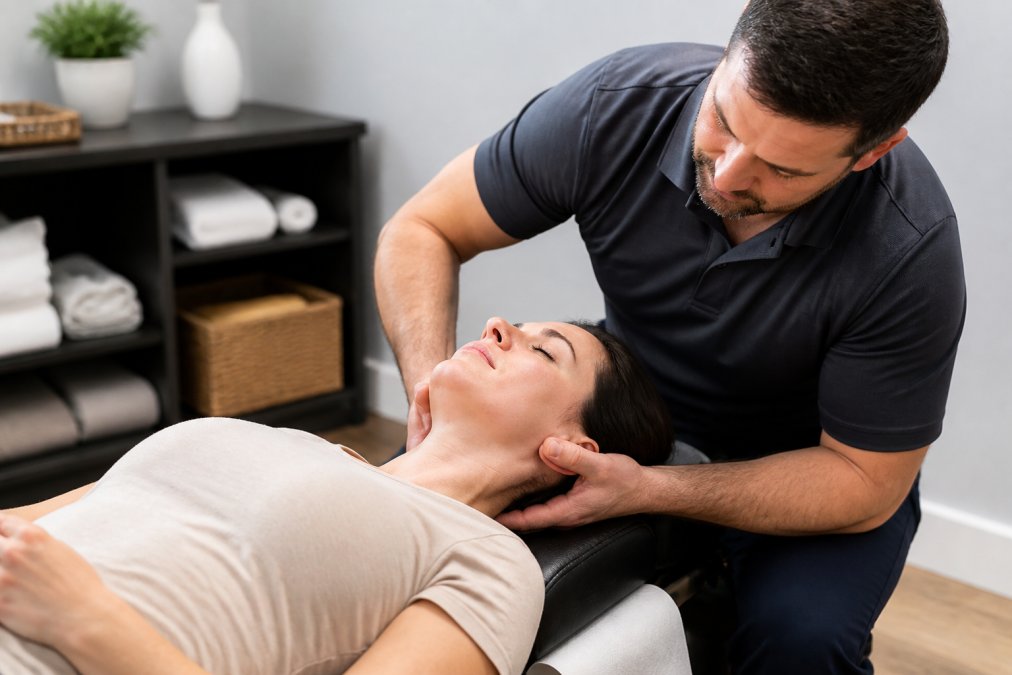
The chiropractic adjustment involves precise, controlled movements applied to restricted joints. You’ll typically be positioned lying face-down on an adjustment table with your neck supported. The chiropractor applies gentle force to specific vertebrae, restoring movement and alignment.
The most common technique is a diversified adjustment, where the practitioner applies a quick, controlled thrust to a restricted joint. You may hear a clicking or popping sound, this is gas bubbles in joint fluid, not bones cracking. Some chiropractors use gentler mobilization techniques that involve slow, gradual movement without a sudden thrust, which work well for people nervous about neck adjustments or those with certain conditions.
After the adjustment, soft tissue work often follows using massage, stretching, or instrument-assisted mobilization to address muscle tension. This combination of joint adjustment and muscle work produces better results than adjustment alone. The entire appointment typically lasts 20-30 minutes, with initial visits running longer due to assessment time.
How Chiropractic Adjustment Works for Neck Stiffness
Neck stiffness develops when joints in the cervical spine lose normal mobility. Vertebrae become locked or restricted, and surrounding muscles tighten in response, creating a protective guarding pattern that further limits motion. This cycle perpetuates the problem.
A chiropractic adjustment interrupts this cycle by restoring joint mobility. When the vertebra moves through its proper range again, the nervous system registers this restored motion and muscles that were guarding the area begin to relax. The result is improved range of motion and reduced stiffness.
The mechanism differs from other treatments. Physical therapy exercises strengthen muscles but don’t directly restore joint mobility. Massage relaxes muscles but doesn’t address underlying joint dysfunction. Pain medication masks discomfort without changing the mechanical problem. Chiropractic adjustment directly addresses the joint restriction creating the stiffness.
Research supports this approach for certain types of neck stiffness. People with restricted cervical spine mobility due to joint dysfunction respond well to adjustment. Most people see meaningful improvement within 2-4 visits if their stiffness is amenable to chiropractic care.
If your neck stiffness worsens after an adjustment, contact your chiropractor immediately. While mild soreness is normal, significant pain suggests the adjustment wasn’t appropriate for your condition.
Chiropractic Neck Adjustment Safety: What You Need to Know
Neck adjustments carry specific considerations that differ from adjustments to other spine areas. The cervical spine contains the spinal cord and major blood vessels, so improper technique or inappropriate adjustment can cause serious complications.
Common Concerns About Cervical Manipulation
The most common concern is stroke risk from cervical manipulation. The actual incidence is extremely low, estimated at roughly 1 per several million manipulations, comparable to the risk of stroke from turning your head quickly while driving.
Chiropractors reduce this already-low risk through proper screening. During assessment, the practitioner asks about symptoms like dizziness, vision changes, or balance problems that might indicate blood vessel involvement. Certain positions can be avoided if you have risk factors, and gentler mobilization techniques substitute for traditional thrusts when appropriate.
Another concern involves nerve compression. Adjustments actually work in the opposite direction, they reduce nerve compression by restoring proper spacing between vertebrae. Muscle soreness after adjustment is normal and typically mild, usually resolving within 24-48 hours.
Do not receive a cervical adjustment if you have signs of vertebral artery dissection (sudden severe headache, dizziness, vision changes, or difficulty swallowing). These symptoms require immediate medical evaluation, not [chiropractic care](/chiropractic-care-san-antonio-tx/).
Who Should Not Receive Neck Adjustments
Certain medical conditions contraindicate cervical adjustment: osteoporosis, rheumatoid arthritis, advanced degenerative disc disease with severe bone spurs, and recent neck surgery. Blood thinners like warfarin require physician consultation before chiropractic care. People with previous strokes or significant cardiovascular disease need medical clearance.
The safety of cervical adjustment depends entirely on proper assessment and technique. A thorough initial evaluation that rules out contraindications, combined with gentle, evidence-based technique, makes neck adjustment safe for most people with mechanical neck stiffness.
Neck Stiffness Recovery Timeline and Post-Adjustment Care
Recovery from a chiropractic adjustment isn’t instantaneous, though many people feel immediate improvement. Understanding the realistic timeline helps you set appropriate expectations.
Immediate Aftercare Steps
The first 24 hours after adjustment are critical. Apply ice for 15 minutes at a time, several times during the first day to reduce inflammation. After 24 hours, switch to heat if soreness persists.
Avoid aggressive stretching immediately after adjustment. Gentle, pain-free movement is fine. Stay hydrated and avoid strenuous activity for at least 24 hours. Light walking and normal daily activities are acceptable.
Sleep position matters significantly. Avoid sleeping on your stomach, which twists your neck. Sleep on your back with a supportive pillow that keeps your neck neutral, or on your side with proper pillow height.
What to Avoid After Your Adjustment
Avoid holding your phone between your ear and shoulder, use speakerphone or earbuds instead. Don’t spend long periods in positions that created your stiffness initially. If desk work caused your stiffness, take frequent breaks and adjust your workstation ergonomics.
Avoid sudden, jerky movements. Your neck has regained mobility, but surrounding muscles are still adjusting. Don’t skip follow-up appointments, the initial adjustment restores mobility, but follow-up visits reinforce improvement and address remaining muscle tension. Most people need 2-4 visits spaced over 2-3 weeks to achieve lasting results.

Recovery timeline varies based on how long you’ve had stiffness and severity. Acute stiffness from poor posture often improves dramatically within 1-2 visits. Chronic stiffness lasting months or years typically requires more visits.
Alternative and Complementary Techniques for Neck Stiffness
While chiropractic adjustment addresses joint dysfunction directly, complementary techniques enhance results and prevent recurrence. Soft tissue mobilization targets muscles surrounding your cervical spine, reducing tension that contributes to stiffness.
Therapeutic exercises strengthen muscles that support your neck and improve posture. Neck stabilization exercises, shoulder blade strengthening, and postural correction exercises address underlying weakness. Ergonomic modifications prevent stiffness from returning by reducing strain during daily activities.
Stretching and mobility work maintain the range of motion restored by adjustment. Heat therapy before stretching improves flexibility, while ice after activity reduces inflammation. Stress management techniques like meditation and deep breathing reduce muscle tension caused by emotional stress, preventing recurrence.
When to See a Doctor Instead of a Chiropractor
Some types of neck stiffness require medical evaluation before or instead of chiropractic care. Sudden onset stiffness with fever, headache, and sensitivity to light suggests meningitis, a medical emergency. Stiffness following significant trauma requires medical imaging before chiropractic adjustment to rule out fractures or serious soft tissue injury.
Progressive neurological symptoms, numbness spreading down your arm, weakness in your hand, or difficulty with coordination, indicate nerve compression requiring medical assessment. Severe, unrelenting pain that doesn’t improve with conservative care warrants medical evaluation. Stiffness accompanied by unexplained weight loss, night sweats, or systemic symptoms suggests underlying disease rather than mechanical neck dysfunction.
According to the American Medical Association’s guidelines on cervical spine care, patients should receive medical clearance before chiropractic treatment when red flag symptoms are present. Many people benefit from a collaborative approach where both their doctor and chiropractor are involved in treatment.
The decision between chiropractic and medical care depends on the cause of your stiffness. Mechanical dysfunction from poor posture or muscle tension responds well to chiropractic adjustment. Stiffness from infection, serious trauma, progressive neurological symptoms, or systemic disease requires medical evaluation first.
Neck stiffness significantly impacts your quality of life, limiting activities and creating constant discomfort. A chiropractic adjustment addresses the underlying joint and muscle dysfunction that creates this restriction, restoring mobility and function. At Moore Chiropractic in San Antonio, our team provides comprehensive assessment to determine whether adjustment is appropriate for your situation, combined with personalized care plans. Our gentle techniques focus on long-term results, restoring your neck’s proper function rather than just providing temporary relief. Learn more about evidence-based cervical spine care to understand how different treatment approaches compare. Contact Moore Chiropractic for your complimentary evaluation and discover how we can help you regain the mobility and comfort you’ve been missing.
| Recovery Phase | Timeline | Key Activities | What to Avoid |
|---|---|---|---|
| Immediate | 0-24 hours | Ice application, gentle movement, rest | Aggressive stretching, strenuous activity |
| Early | 1-3 days | Light stretching, normal daily activities, heat therapy | Twisting, heavy lifting, phone cradling |
| Progressive | 1-2 weeks | Therapeutic exercises, ergonomic adjustments, follow-up visits | Positions that recreate original stiffness |
| Maintenance | 2+ weeks | Daily stretching, posture awareness, occasional adjustments | Neglecting ergonomics, returning to old habits |
Frequently Asked Questions
How long does it take for a chiropractic adjustment to relieve neck stiffness?
Relief timelines vary based on the cause and severity of your stiffness. Some people experience immediate improvement in range of motion after their first adjustment, while others notice gradual relief over several sessions. Chronic stiffness typically requires multiple visits to address underlying joint dysfunction and muscle tension. Your chiropractor will assess your specific condition during your initial consultation and provide a realistic timeline for your recovery.
What are the potential risks of a neck adjustment?
Neck adjustments, also called cervical manipulation, carry minimal risk when performed by a qualified chiropractor. Temporary mild soreness or stiffness may occur after treatment. Serious complications are rare but can include vertebral artery dissection. Your chiropractor will screen for contraindications during your assessment and discuss your medical history to ensure the procedure is safe for you. Always disclose any previous neck injuries or health conditions.
What should you avoid doing after a neck adjustment?
After your adjustment, avoid strenuous activities, heavy lifting, and intense exercise for at least 24 hours. Don't make sudden movements or engage in contact sports. Avoid prolonged sitting in poor posture and limit screen time. Ice or heat application may help, but check with your chiropractor first. Rest and gentle movement support the healing process. Return to normal activities gradually as your neck stabilizes.
Can a chiropractor tell if your neck is out of alignment?
Yes, chiropractors use clinical assessment techniques to evaluate neck alignment. They perform physical examinations, assess your range of motion, and may use X-rays or other imaging to identify vertebral misalignment or joint dysfunction. These diagnostic tools help determine whether your stiffness stems from joint restrictions, muscle tension, or nerve involvement. A thorough assessment during your first visit ensures your treatment targets the actual source of your discomfort.
This article was written using GrandRanker