Table of Contents
- Why Chiropractic Care Matters for Young Athletes
- Common Youth Sports Injuries and How Chiropractic Addresses Them
- How Chiropractic Adjustment for Kids Accelerates Recovery
- Sports Injury Recovery Timeline: What to Expect
- Preventative Care and Injury Risk Reduction
- When to See a Sports Chiropractor: Red Flags and Next Steps
- What Parents Should Know: A Checklist for Choosing a Sports Chiropractor
- Conclusion
Last Updated: August 19, 2026
Why Chiropractic Care Matters for Young Athletes
Young athletes face repetitive stress, collisions, and overuse injuries that traditional approaches often address only symptomatically. Chiropractic care focuses on restoring proper spinal alignment, joint mobility, and neuromuscular function, the foundational elements that determine healing speed and return to peak performance. Young athletes have a physiological advantage with faster healing, but only if the process is directed correctly through gentle, age-appropriate chiropractic techniques.
Young athletes often hide pain to stay in competition. Parents and coaches should watch for subtle signs: favoring one side, reduced range of motion, or performance drops. These early signals are when chiropractic intervention is most effective.
Common Youth Sports Injuries and How Chiropractic Addresses Them
Sprains, Strains, and Overuse Injuries
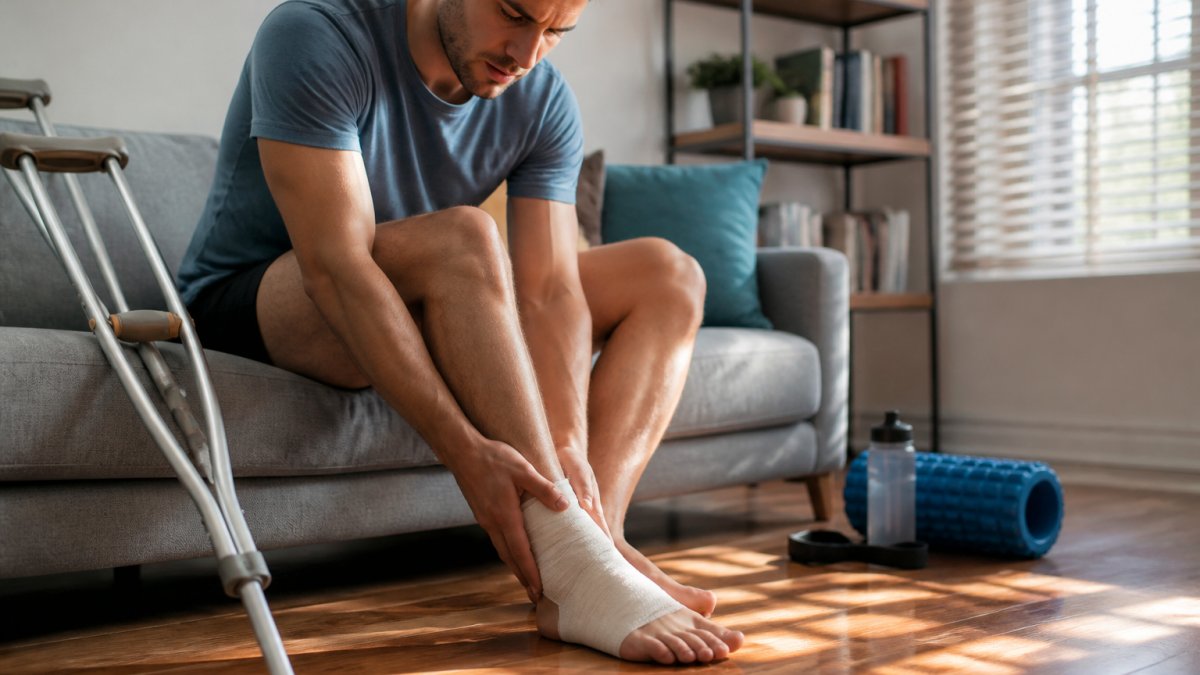
Sprains occur when ligaments are stretched or torn; strains happen when muscles or tendons are injured. Both are common in young athletes because developing growth plates make them more vulnerable than adults. Overuse injuries from repetitive motions, a pitcher throwing 80 fastballs weekly, a gymnast practicing the same vault repeatedly, develop gradually, and by the time pain appears, significant tissue damage has already occurred.
Chiropractic care addresses these injuries through multiple mechanisms: gentle adjustments restore proper joint mechanics, reducing abnormal stress on ligaments and tendons; soft tissue therapy targets muscle tension and inflammation; and adjustments improve proprioception, helping prevent re-injury. Chiropractic intervention can stabilize the joint and restore normal movement patterns, potentially reducing re-injury risk.
Shoulder and Knee Injuries in Young Athletes
The shoulder and knee are the most frequently injured joints in youth sports. Shoulder injuries include rotator cuff strains and AC joint sprains; knee injuries include meniscus tears, ACL strains, and patellofemoral pain syndrome. These injuries often stem from biomechanical dysfunction higher up the kinetic chain. A baseball pitcher with thoracic spine restrictions may compensate by overusing rotator cuff muscles; a basketball player with hip mobility limitations may alter knee mechanics, creating abnormal patella stress.
Chiropractic care evaluates the entire kinetic chain, spinal alignment, shoulder mobility, hip function, and ankle stability, not just the painful area. By correcting restrictions in the spine and adjacent joints, chiropractic adjustments reduce compensatory stress on the injured area. Combined with targeted soft tissue therapy and therapeutic exercise, this approach accelerates recovery and prevents chronic problems.
The most effective recovery strategy addresses the entire kinetic chain, not just the painful area. Chiropractic evaluation identifies biomechanical dysfunction that predisposed the athlete to injury.
How Chiropractic Adjustment for Kids Accelerates Recovery
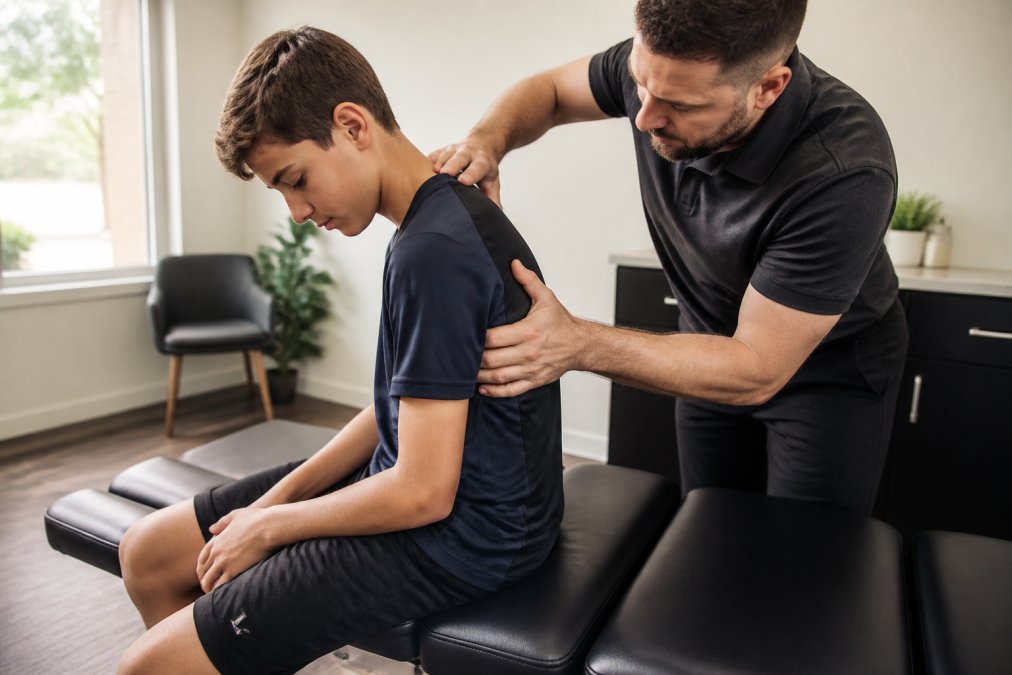
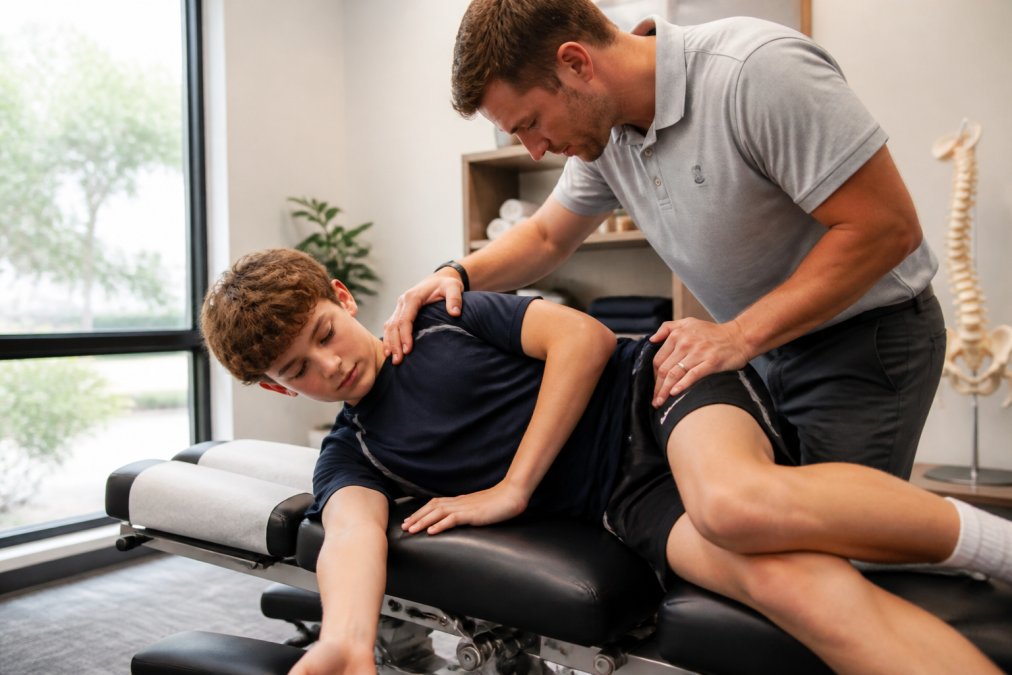
Chiropractic adjustment for kids works through several interconnected mechanisms. First, misaligned vertebrae restrict joint motion and compress nerves; gentle adjustments restore normal positioning, immediately improving range of motion and reducing nerve irritation. Second, spinal misalignment disrupts proprioceptive feedback, the nervous system’s ability to sense body position, this impaired proprioception is why athletes often re-injure the same spot. Adjustments restore proprioceptive signaling, reestablishing normal movement patterns. Third, spinal restrictions limit blood flow to surrounding tissues; adjustments improve circulation, delivering oxygen and nutrients while removing metabolic waste products that accumulate during inflammation, accelerating cellular healing.
Soft tissue therapy directly addresses muscle tension and inflammation through techniques like myofascial release and trigger point therapy, breaking up adhesions and restoring tissue elasticity. For young athletes, these techniques are especially effective because their tissues are more responsive to intervention. The key is starting treatment early, ideally within days of injury.
A common mistake is resuming activity once pain disappears. Young athletes often feel better after a few treatments and return to full competition too quickly, re-injuring partially healed tissue. Gradual return-to-play protocols, guided by your chiropractor, prevent this setback.
Sports Injury Recovery Timeline: What to Expect
Recovery timelines vary based on injury type, severity, and treatment timing. Acute sprains and strains (minor to moderate) typically show significant pain reduction by days 4-7, functional improvement by weeks 2-3, and full return to competition by weeks 6-8. Overuse injuries progress more slowly because tissue damage is cumulative; initial improvement takes 2-3 weeks, with functional recovery typically taking 6-12 weeks. Early chiropractic intervention can prevent overuse injuries from becoming chronic. Severe injuries require medical evaluation and often orthopedic consultation, with chiropractic care complementing medical treatment.
Consistency is an important variable. Young athletes receiving consistent chiropractic care may recover faster than those receiving sporadic treatment. This consistency allows progressive restoration of joint mobility, tissue health, and neuromuscular control.
Preventative Care and Injury Risk Reduction
Prevention is superior to treatment. Preventative chiropractic addresses biomechanical dysfunctions that predispose athletes to injury. A preventative program typically includes spinal assessments identifying restrictions or misalignments before they cause problems, evaluating posture, spinal alignment, joint mobility, and muscle balance. Early detection of asymmetries allows corrective intervention before imbalances lead to injury.
Soft tissue health is equally important. Young athletes with chronic muscle tension are more prone to acute injuries because their tissues are already stressed. Regular soft tissue therapy reduces baseline tension and improves tissue resilience. Restricted hip mobility increases knee injury risk; restricted thoracic spine mobility increases shoulder injury risk; limited ankle mobility increases lower leg injury risk. Chiropractic adjustments combined with therapeutic stretching restore the range of motion necessary for safe athletic performance.
Young athletes in competitive sports (travel teams, high school varsity, elite club programs) training more than 10 hours weekly benefit most from preventative chiropractic care. High training volume creates cumulative stress that preventative care effectively manages.
When to See a Sports Chiropractor: Red Flags and Next Steps
Seek immediate evaluation if your young athlete experiences:
- Acute pain following a specific incident
- Inability to bear weight or use an arm or leg normally
- Visible swelling or deformity
- Pain radiating down an arm or leg
- Loss of normal range of motion not improving within 24 hours
- Persistent pain worsening with activity
Schedule an appointment within a few days if your athlete has:
- Muscle soreness not resolving within 3-5 days
- Recurring pain in the same area
- Reduced athletic performance without obvious cause
- Postural changes or visible asymmetry
- Stiffness or tightness interfering with training
Consider preventative evaluation if your athlete:
- Participates in high-impact or high-volume sports
- Has a history of previous injuries
- Shows signs of muscle imbalance or postural dysfunction
- Is beginning a new sport or increasing training intensity
A qualified sports chiropractor will take a detailed history, perform orthopedic and chiropractic tests, and may order imaging if necessary. Early evaluation is always better than waiting, a chiropractor can determine within minutes whether chiropractic care, medical referral, or both is warranted.
What Parents Should Know: A Checklist for Choosing a Sports Chiropractor
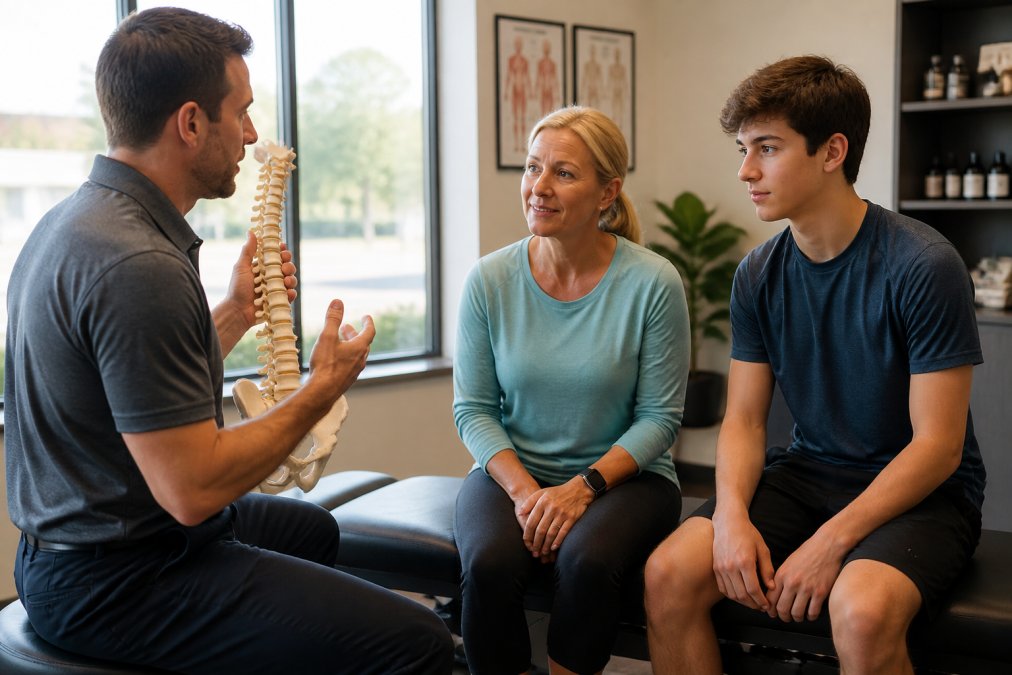
When evaluating a sports chiropractor, verify these essentials:
-
Experience with youth athletes: Ask how many young athletes the chiropractor treats annually and what sports they typically see.
-
Gentle adjustment techniques: Ensure the chiropractor uses age-appropriate, gentle adjustment methods suitable for developing bodies.
-
Collaboration with other providers: The best sports chiropractors work within a team framework, willing to communicate with primary care physicians, orthopedic specialists, or physical therapists.
-
Emphasis on rehabilitation and prevention: Beyond adjustments, the chiropractor should provide therapeutic exercises, stretching protocols, and preventative strategies.
-
Clear communication about timelines and expectations: A good chiropractor explains typical recovery timelines and when to consider alternative approaches if progress stalls.
-
Willingness to discuss your concerns: A trustworthy chiropractor welcomes safety concerns and explains protocols clearly.
-
Local reputation and accessibility: Ask other parents, coaches, and athletic trainers for recommendations. Consider location and scheduling for convenient access.
At Moore Chiropractic, we specialize in gentle chiropractic care for young athletes, combining traditional methods with advanced soft tissue therapy tailored to developing bodies. We offer a complimentary evaluation and consultation, giving you the opportunity to discuss your athlete’s injury, ask questions, and understand our approach before committing to treatment.
| Evaluation Criterion | What to Look For | Red Flag |
|---|---|---|
| Experience | Treats multiple youth athletes weekly | Primarily treats adults; limited youth experience |
| Technique | Gentle, age-appropriate adjustments | Forceful techniques; uses adult methods on children |
| Collaboration | Works with MDs, PTs, orthopedists | Dismisses other providers; claims to replace them |
| Communication | Clear timelines; explains progress | Vague promises; demands long-term commitments |
| Safety Focus | Discusses safety protocols; welcomes questions | Dismisses safety concerns; pressures you to proceed |
| Local Presence | Known in San Antonio athletic community | No local reputation; hard to verify credentials |
Conclusion
Young athletes face unique demands that put them at risk for sports injuries, but recovery doesn’t require months on the sideline. Chiropractic for youth sports injury recovery addresses root causes, misalignment, soft tissue dysfunction, and neuromuscular imbalance, rather than just managing pain. When combined with appropriate rest and rehabilitation, chiropractic care accelerates healing and reduces chronic problem risk.
The most important step is seeking care early. An injury evaluated and treated within days heals faster and more completely than one left untreated for weeks. If your young athlete in San Antonio is dealing with a sports injury or you want to prevent future injuries through preventative care, Moore Chiropractic offers personalized evaluation and treatment designed specifically for young athletes. Contact us today for your complimentary evaluation and consultation, let’s get your athlete back to peak performance safely.
Frequently Asked Questions
Can chiropractors help with youth sports injuries?
Yes. Chiropractors use soft tissue therapy, spinal alignment techniques, and rehabilitation exercises to address sports injuries in young athletes. They focus on restoring range of motion, reducing inflammation, and improving neuromuscular function to support the healing process. Many young athletes benefit from chiropractic care as part of their injury recovery and return-to-sport plan.
Is it safe for children to receive chiropractic adjustments?
Chiropractic care can be safe for children when provided by a qualified professional using gentle, age-appropriate techniques. Pediatric chiropractic adjustments use lighter force and modified approaches compared to adult care. Always consult with a licensed chiropractor who has experience treating young athletes to ensure the treatment matches your child's specific injury and developmental stage.
What is the typical sports injury recovery timeline with chiropractic care?
Recovery timelines vary based on injury severity, type, and the athlete's age. Minor sprains may improve in 2-4 weeks with consistent care, while more significant injuries can take 6-12 weeks or longer. Your chiropractor will develop a personalized recovery plan and adjust the timeline based on how your child responds to treatment and their progression back to athletic activity.
What should I look for when choosing a sports chiropractor for my child?
Look for a chiropractor with experience treating young athletes and pediatric patients. Ask about their credentials, whether they use gentle adjustment techniques, and if they offer rehabilitation exercises and injury prevention guidance. A good sports chiropractor will also communicate clearly with you about your child's condition, recovery expectations, and work with other healthcare providers if needed.
EXTERNAL CITATIONS:
[EXTERNAL_LINK: American Academy of Pediatrics guidance on youth sports injury prevention | aap.org]
[EXTERNAL_LINK: National Athletic Trainers’ Association resources on sports medicine | nata.org]
[EXTERNAL_LINK: International Chiropractic Pediatric Association standards for pediatric chiropractic care | icpa4kids.org]
This article was written using GrandRanker